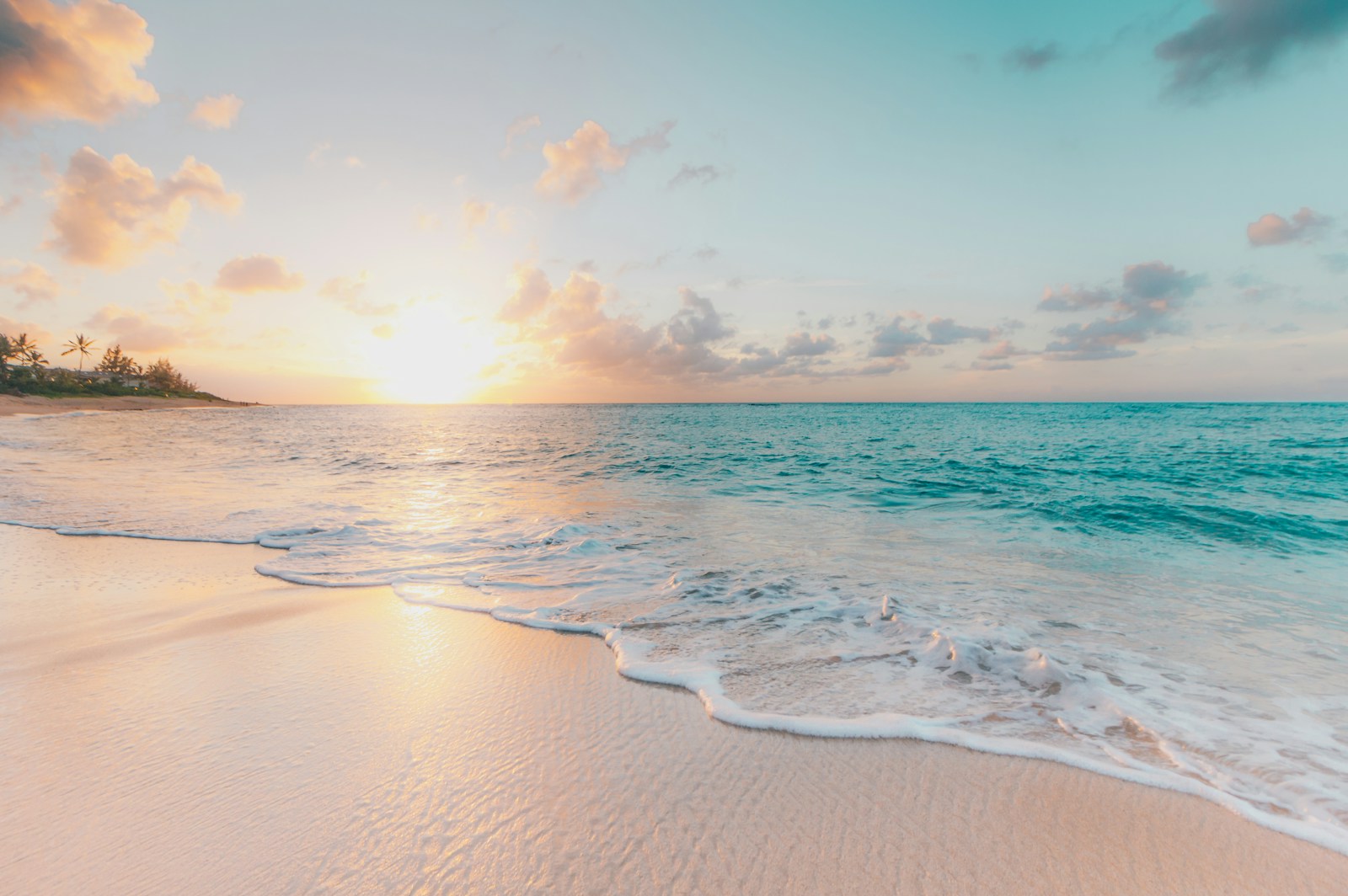
In the Sibuyan Sea of the central Philippines, where volcanic peaks rise from waters so deep and clear they have earned the nickname the Galapagos of Asia, Cresta de Gallo Island emerges as a sandbar of such ethereal beauty that it seems to hover above the surface of the sea rather than rest upon it. This tiny, uninhabited island — barely more than a spit of white coral sand and a scattering of rocks — sits off the southeastern coast of Sibuyan Island in Romblon province, surrounded by water that transitions through every shade of blue and green the tropical palette can produce. The island's name, meaning Crest of the Rooster in Spanish, refers to the distinctive rocky formation at one end that rises like a crown above the flat sand.
The character of Cresta de Gallo is defined by its radical simplicity. There are no structures, no facilities, no shade beyond the natural shelter of the rocks — only sand, sea, and sky in proportions that feel almost metaphysical. At low tide, the sandbar extends to its fullest, creating a white runway several hundred metres long that visitors can walk as though strolling across the surface of the ocean itself. The surrounding reef begins immediately offshore, and the visibility is often extraordinary — twenty metres or more of clear water revealing a kaleidoscope of hard and soft corals, giant clams, and reef fish that have benefited from the island's isolation and the relative absence of fishing pressure.
Marine life around Cresta de Gallo reflects the extraordinary biodiversity of the Coral Triangle, the richest marine ecosystem on Earth. Snorkelling from the sandbar reveals a world of staghorn coral gardens, anemone cities inhabited by multiple species of clownfish, and the occasional reef shark cruising the drop-off where the shallow reef gives way to deeper water. Sea turtles — both hawksbill and green — are regular visitors, and the deeper waters beyond the reef support manta rays and whale sharks during the plankton-rich months. The rocky formation at the island's end serves as a roosting site for sea birds and provides a vantage point from which the full panorama of sand, reef, and open ocean can be appreciated.
The broader Romblon province surrounding Cresta de Gallo is one of the Philippines' best-kept secrets. Sibuyan Island, the nearest landmass, is dominated by Mount Guiting-Guiting, a 2,058-metre peak whose cloud forests harbour species found nowhere else in the world. Romblon Island itself, the provincial capital, is known as the marble capital of the Philippines and offers workshops where artisans carve the stone that has been quarried here since the Spanish colonial era. Tablas Island, the largest in the group, provides quiet beaches and waterfalls that see far fewer visitors than the more famous destinations elsewhere in the Philippine archipelago.
Cresta de Gallo is reached by bangka boat from the town of San Fernando on Sibuyan Island, a journey of approximately forty-five minutes. Sibuyan itself is accessible by ferry from Batangas or Romblon. The best months to visit are March through May, during the tail end of the dry season, when seas are calmest and visibility is at its peak. Visitors should bring all supplies including water, sun protection, and snorkelling gear, as the island has no facilities whatsoever. The journey to Cresta de Gallo requires effort — there are no direct flights, no resort transfers, no concierge services — but those who make the trip are rewarded with a sandbar and reef that rank among the most beautiful and unspoiled in all of Southeast Asia.

