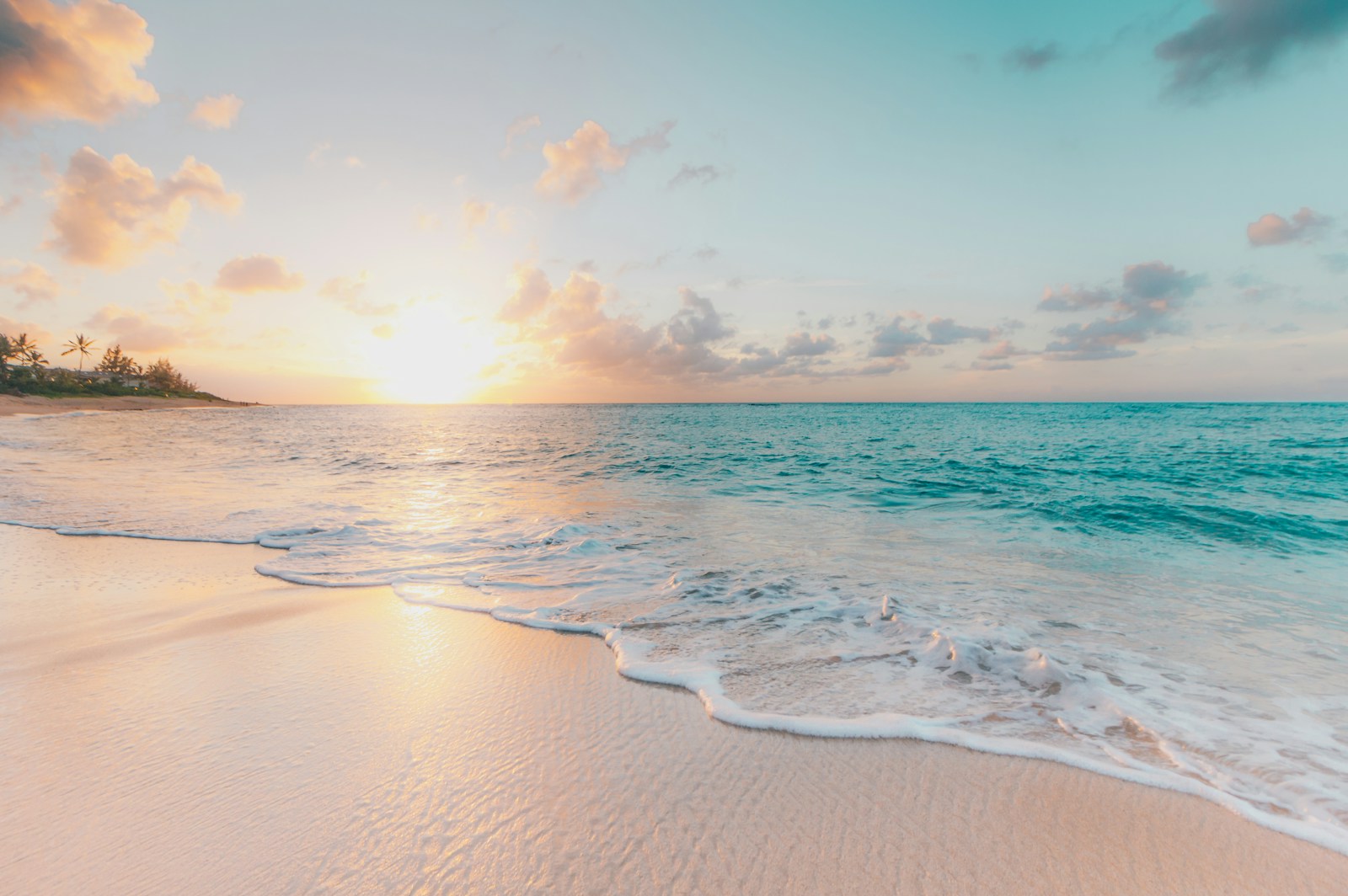
Malcapuya Island is one of those Philippine destinations that make even well-travelled visitors pause in disbelief — a tiny, largely undeveloped island in the Calamian group, northern Palawan, whose crescent of powder-white sand fringed by coconut palms and surrounded by water of such transparent turquoise that the seabed is visible in five metres of depth, represents the Philippine beach ideal at its most pristine. The island, part of the municipality of Coron, lies in the waters between Busuanga Island and Culion, surrounded by the wreck-diving sites and limestone karst landscapes that have made the Calamian Islands one of Southeast Asia's most exciting emerging destinations.
The beach experience on Malcapuya is defined by what isn't there as much as what is. There are no resorts, no motor boats buzzing the shoreline, no vendors hawking souvenirs — just the sand, the sea, a few basic shelters, and the kind of silence that only true island isolation can provide. The beach curves for perhaps 300 metres along the island's western shore, and the snorkelling directly off the sand reveals a coral garden in the early stages of recovery from dynamite fishing — a practice that devastated Philippine reefs for decades but that has been curtailed through community enforcement in the Calamian group. Parrotfish, damselfish, and the occasional sea turtle frequent the shallows, and the deeper water off the reef edge attracts schools of jacks and the barracuda that patrol the reef drop-off.
The Calamian Islands' most famous attractions complement Malcapuya beautifully. The Japanese shipwrecks of Coron Bay — a fleet of supply ships sunk by American aircraft in September 1944 — are among the world's finest wreck dives, accessible to divers of intermediate skill level and offering penetration opportunities that reveal cargo holds, engine rooms, and the eerily preserved interiors of vessels that have lain on the seabed for over 80 years. The volcanic lakes of Coron Island — Kayangan Lake, with its crystal-clear water surrounded by cathedral-like limestone walls, and Barracuda Lake, whose water transitions from fresh to salt and from cold to warm as you descend — are among the most photogenic natural swimming holes in the Philippines.
The culinary traditions of the Calamian Islands blend the fresh seafood of Palawan with the influences of the Tagbanua indigenous people, whose ancestral domain includes many of the islands. Kinilaw — raw fish or shellfish cured in vinegar and calamansi, often with coconut milk, ginger, and chili — is the essential island dish, prepared with whatever the morning's catch provides. Grilled squid, butterflied and charcoal-grilled until the edges caramelise, is served at the waterfront eateries of Coron town with a simplicity that lets the quality of the seafood speak. Lambanog — coconut wine distilled from the sap of the coconut flower — is the local spirit, potent and sweet, best consumed in moderation while watching the sunset from Malcapuya's western beach.
Malcapuya Island is reached by banca (outrigger boat) from Coron town, a journey of approximately 45 minutes, or by Zodiac from expedition cruise ships anchoring in the deeper waters of the Calamian group. The best time to visit is during the dry season from November through May, when the seas are calmest and the visibility peaks for both snorkelling and wreck diving. The island charges a modest environmental fee that supports local conservation efforts. For cruise passengers seeking an antidote to the developed resorts of more touristed Philippine destinations, Malcapuya offers an experience of beach perfection that feels earned by the journey required to reach it.

