In the heart of the Philippine archipelago, where the Sibuyan Sea meets the Tablas Strait, the small island of Romblon rises from waters of startling clarity to reveal one of the country's most underappreciated gems. The island's capital — also called Romblon — is a town of considerable historical charm, its Spanish colonial heritage visible in the seventeenth-century Fort San Andres, the Cathedral of San Jose, and the stone houses that line streets carrying the layered patina of four centuries of Philippine history. But Romblon's true fame rests on something more tangible: marble. The island sits atop vast deposits of fine-grained marble that have been quarried and carved since the Spanish era, earning it the title "Marble Capital of the Philippines."
The town of Romblon is built largely of its own marble — churches, fountains, stairways, and even humble domestic thresholds gleam with the polished stone in shades of white, grey, and pink. The marble workshops along the waterfront and in the town's back streets are open to visitors, offering the remarkable spectacle of artisans carving everything from religious statues to kitchen mortars using techniques passed down through generations. The finished products — from delicate eggs and chess sets to life-sized saints — are available at prices that reflect the island's distance from luxury retail markups.
Romblon's cuisine blends Visayan and Filipino traditions with the bounty of its surrounding seas. Fresh fish — lapu-lapu (grouper), tanigue (Spanish mackerel), and bangus (milkfish) — is prepared in every conceivable way: grilled, fried, simmered in sinigang (tamarind soup), or cooked in coconut milk as kinilaw (Filipino ceviche). Seafood is complemented by rice, vegetables from the island's fertile interior, and the ubiquitous sawsawan — dipping sauces of vinegar, calamansi, and chili that Filipinos apply to virtually everything. The local coffee, grown in small quantities in the island's higher elevations, is strong, sweet, and served in the traditional Filipino way.
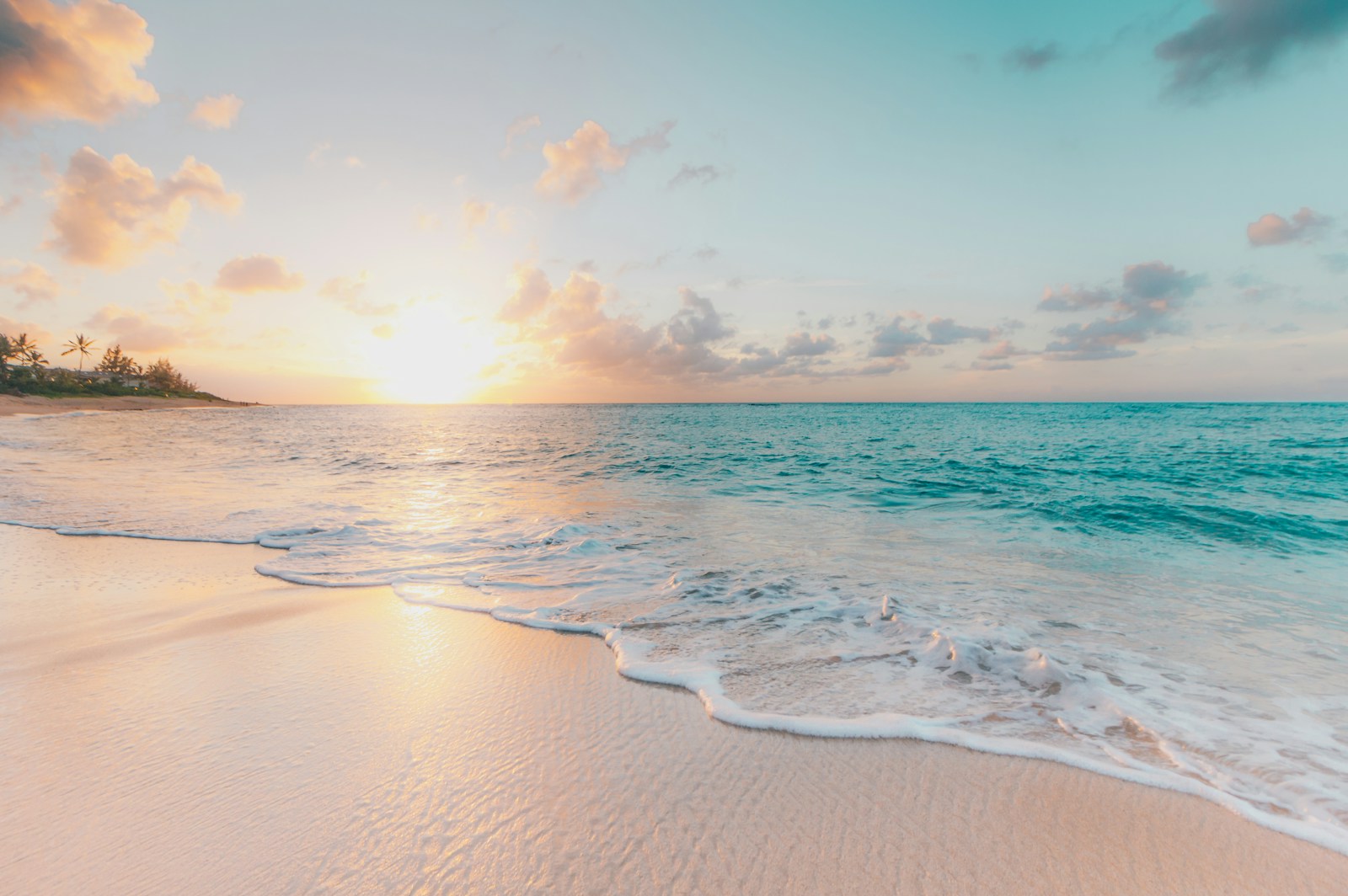
The surrounding waters and neighboring islands offer natural experiences of exceptional quality. Bonbon Beach, on Romblon's northern coast, is a sandbar of white coral sand extending into waters of impossible turquoise — consistently ranked among the most beautiful beaches in the Philippines. The nearby islands of Cobrador and Alad offer pristine snorkeling and diving over coral gardens and walls teeming with tropical fish, sea turtles, and reef sharks. Sibuyan Island, visible to the south, harbors Mount Guiting-Guiting — one of the most challenging and beautiful mountain climbs in the Philippines, its peak rising to 2,058 meters above pristine rainforest.
Romblon's port can accommodate smaller cruise vessels and expedition ships alongside the inter-island ferries that connect it to Batangas, Mindoro, and the Visayas. The island has a small airport with irregular connections. The best time to visit is during the dry season from November to May, when seas are calmest and skies clearest. The Marble Festival in March showcases the island's signature craft with exhibitions, competitions, and cultural performances. Romblon offers cruise passengers a Philippine island experience untouched by the mass tourism that has transformed Boracay and Palawan — a place where genuine hospitality, natural beauty, and artisanal tradition converge in a setting of unpretentious charm.

