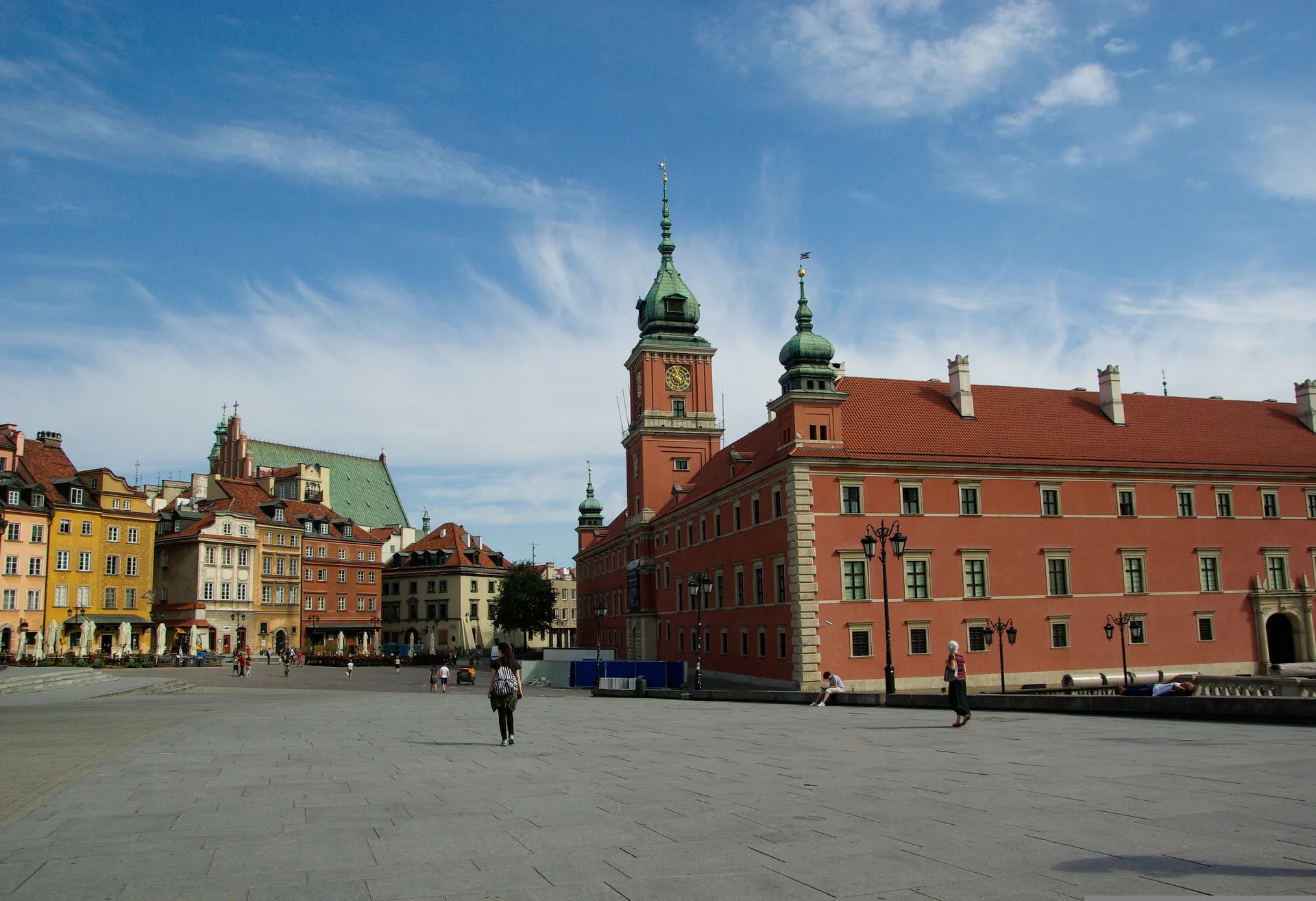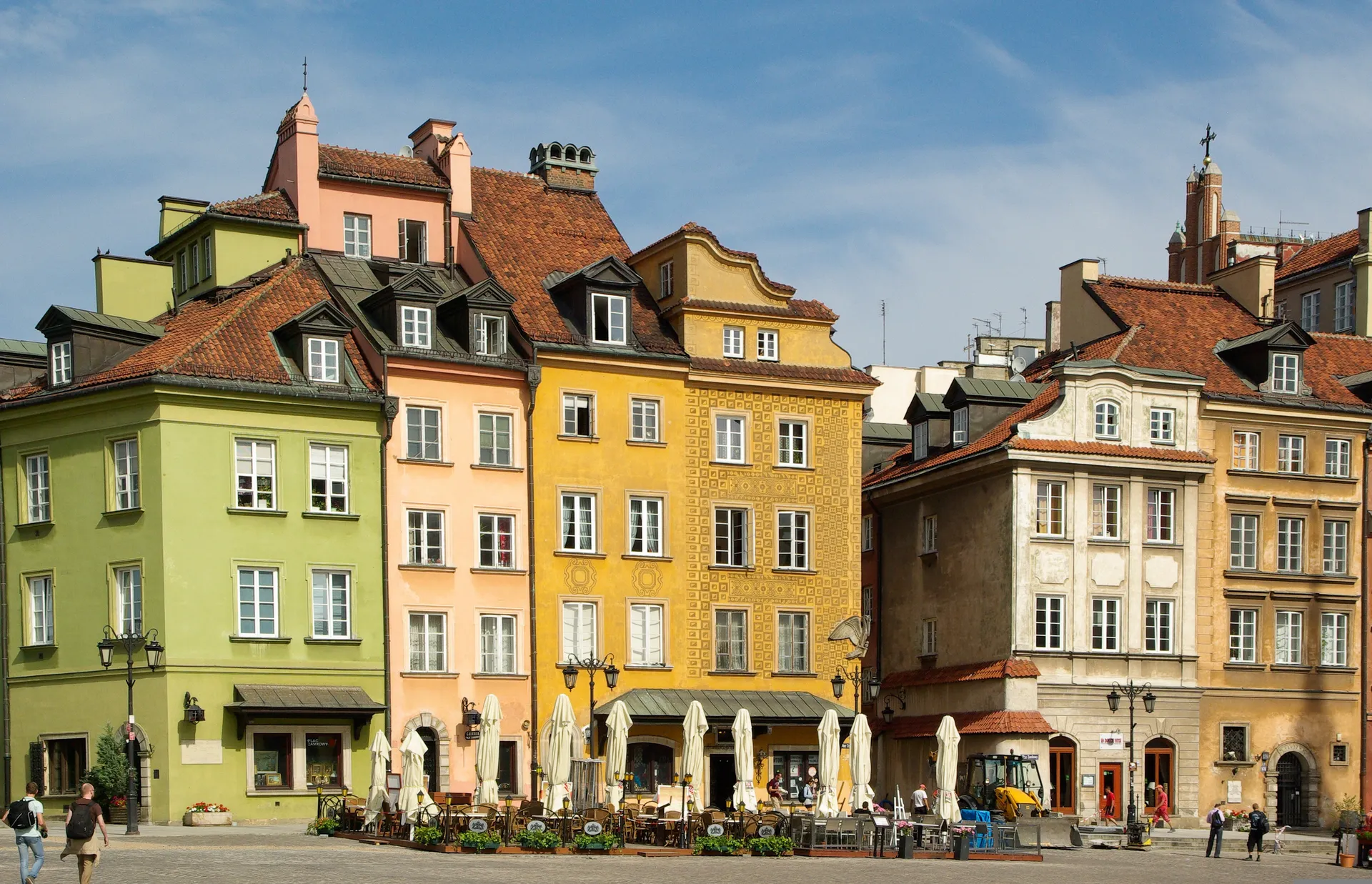
From the ashes of near-total destruction, Warsaw has risen with a determination that defines both the city and the nation it leads. The Polish capital was systematically razed during the Second World War — over eighty-five percent of its buildings were reduced to rubble, and its population decimated — yet the city that stands today is not merely rebuilt but reborn, its meticulously reconstructed Old Town earning UNESCO World Heritage status as a testament to the human will to reclaim identity from devastation. The Royal Castle, the colourful merchant houses of the Rynek, and the Gothic cathedral of St. John's were reassembled stone by stone from photographs, paintings, and the memories of those who survived, creating a cityscape that is at once a faithful reproduction and a profound act of cultural defiance.
Modern Warsaw's character is one of creative tension between remembrance and reinvention. The Palace of Culture and Science, a Stalinist wedding-cake skyscraper gifted by the Soviet Union in 1955, still dominates the skyline, now surrounded by glass towers that proclaim Poland's post-communist economic transformation. The Nowy Swiat and Krakowskie Przedmiescie boulevard, the city's elegant spine, links the Old Town to the former royal residence at Lazienki Park, passing palaces, churches, and the university where Chopin gave his earliest performances. South of the centre, the Praga district — spared the worst of the wartime destruction — has emerged as Warsaw's creative quarter, its pre-war tenements now housing galleries, craft breweries, and restaurants that are driving a culinary revolution.
Warsaw's food scene has undergone a remarkable transformation in the past decade. The traditional Polish kitchen — pierogi, bigos, zurek, and golabki — remains honoured in milk bars and traditional restaurants, but a new generation of chefs is reimagining these classics with contemporary technique and seasonal ingredients. The Hala Koszyki food hall, a restored early-twentieth-century market building, serves as a showcase for this evolution, its vendors offering everything from artisan Polish charcuterie to ramen and craft cocktails. The city's coffee culture has exploded, with specialty roasters and third-wave cafes appearing throughout the centre and in the revitalised Praga neighbourhood.
The broader region surrounding Warsaw offers experiences that deepen understanding of Poland's complex history and varied landscape. The Kampinos National Park, beginning at the city's western edge, preserves a vast area of primeval forest and sand dunes that served as a partisan stronghold during the war. Zelazowa Wola, Chopin's birthplace forty-five minutes west, offers piano recitals in the composer's childhood home surrounded by a garden designed to evoke his music. The Treblinka memorial, northeast of the city, provides a stark and necessary confrontation with the Holocaust. To the south, the historic city of Kazimierz Dolny on the Vistula offers Renaissance architecture and artistic tradition in a setting of gentle riverside beauty.
Warsaw is accessible by direct flights from major European and international cities, and serves as a stop on Vistula River itineraries. The city's excellent public transport — metro, tram, and bus — makes independent exploration easy. The best months to visit are May through September, when outdoor cafes line the boulevards, the parks are in full leaf, and the long summer evenings bring the city's cultural festivals to life. Winter, while cold, offers its own appeal: Christmas markets, the snow-dusted Old Town, and the particular warmth of a Polish restaurant on a frozen evening.