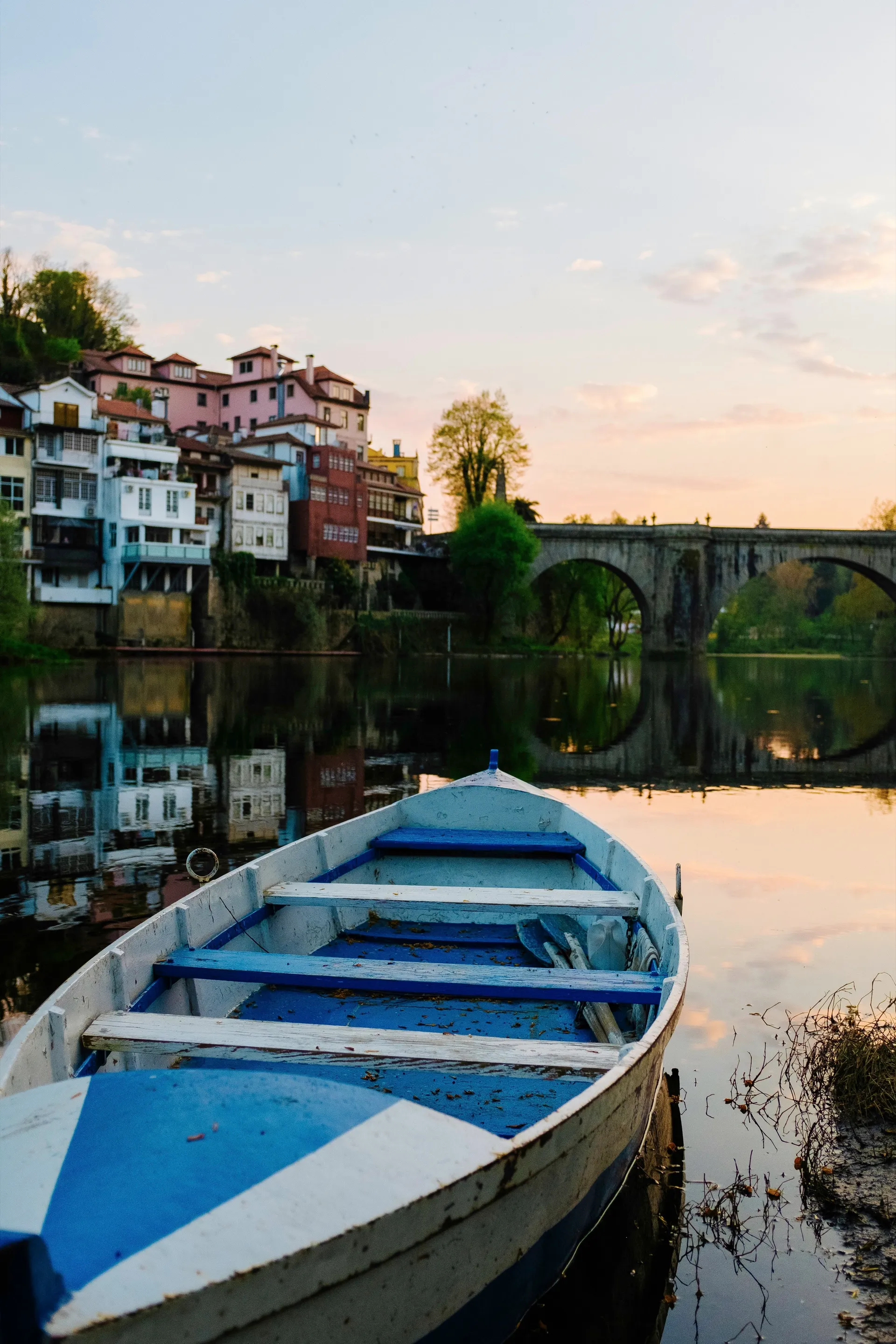
Perched above the gorge of the Tâmega River in northern Portugal's Trás-os-Montes region, Amarante is a town that seems to have been composed rather than built—each stone bridge, baroque church, and riverside balcony arranged with the careful eye of a painter. The town's history stretches back to the Roman era, but its soul belongs to São Gonçalo, a thirteenth-century priest and matchmaker whose legacy permeates everything from the graceful bridge bearing his name to the distinctly phallic pastries sold during the June festival in his honor. In a country overflowing with photogenic towns, Amarante remains one of Portugal's most enchanting yet least discovered treasures.
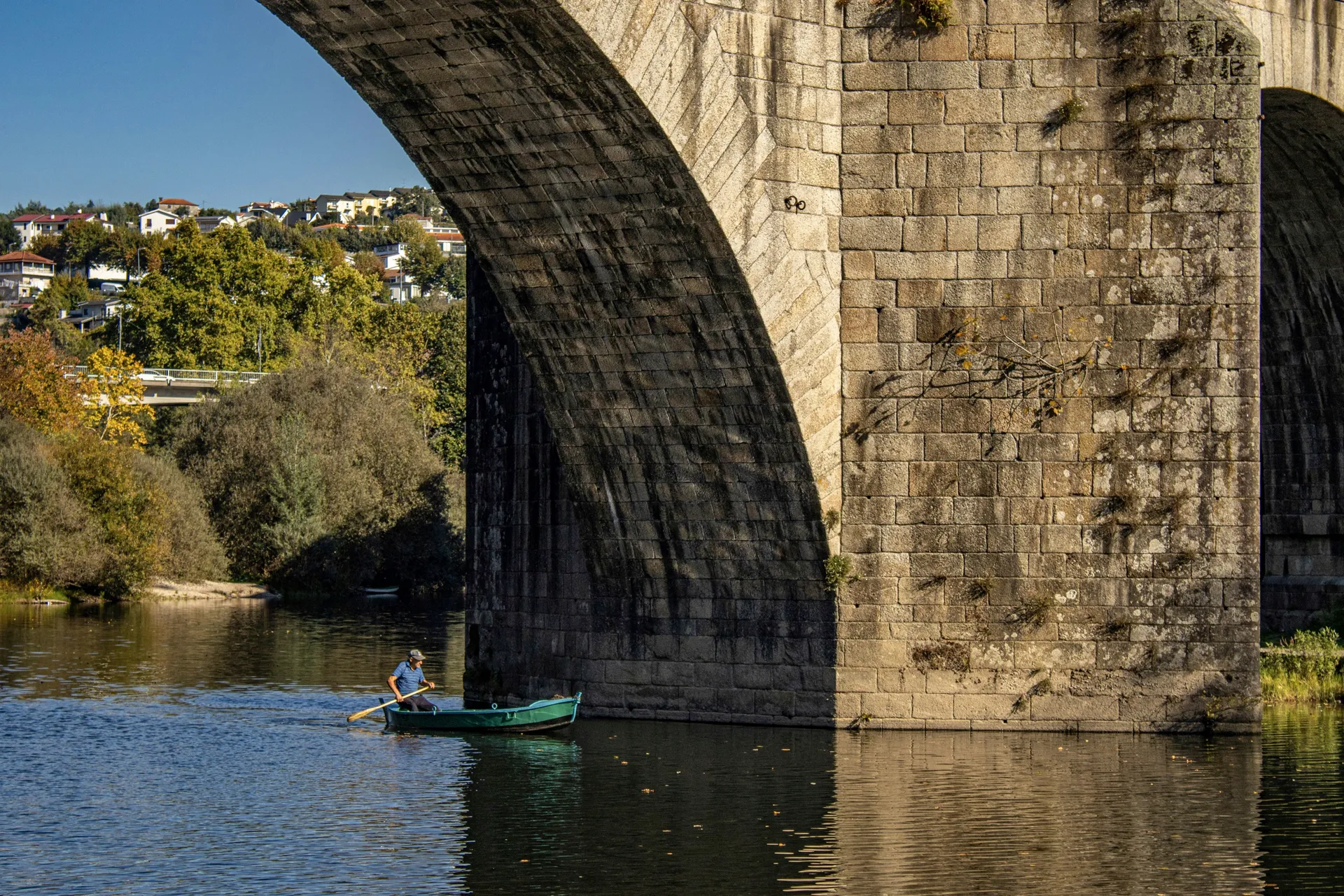
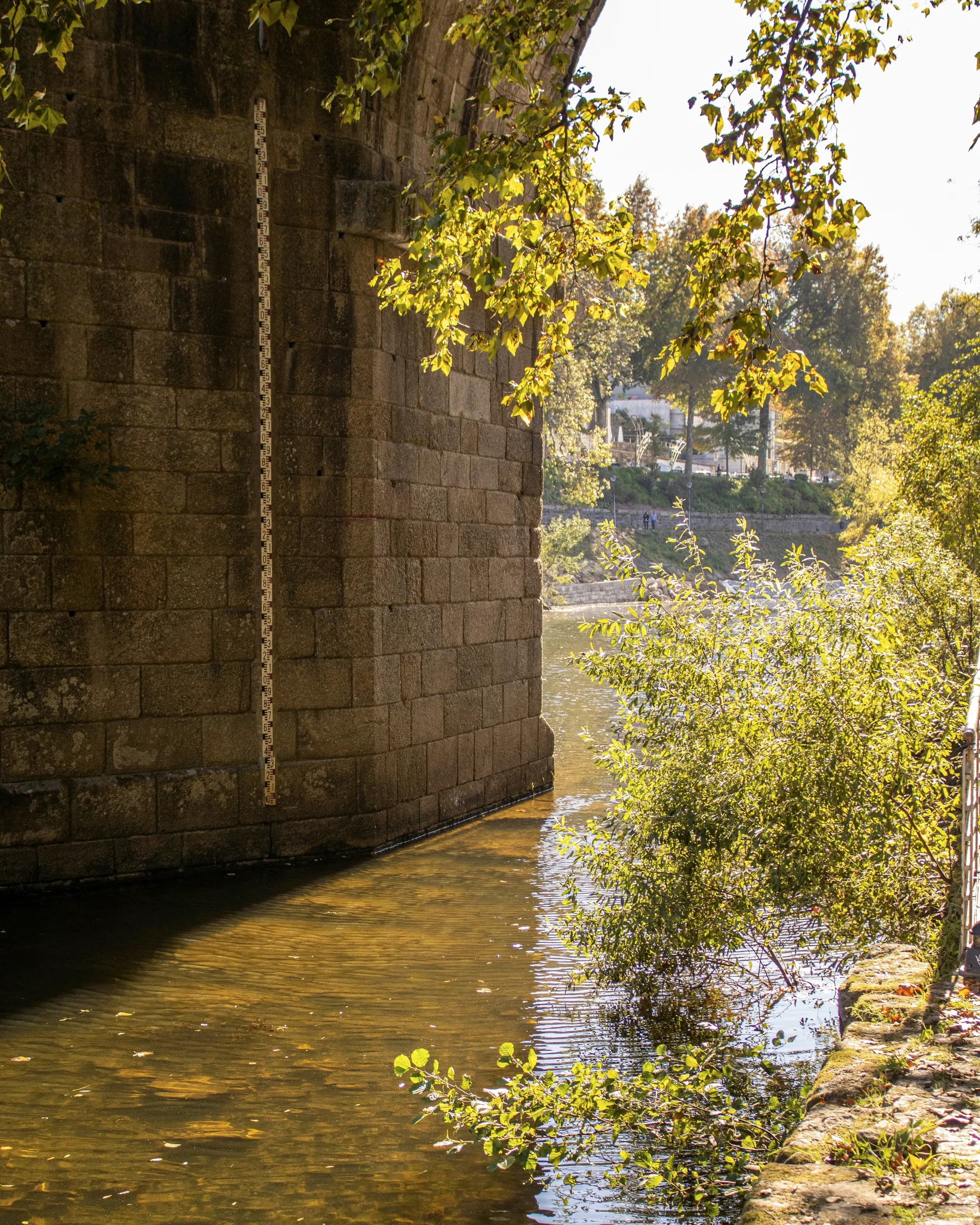
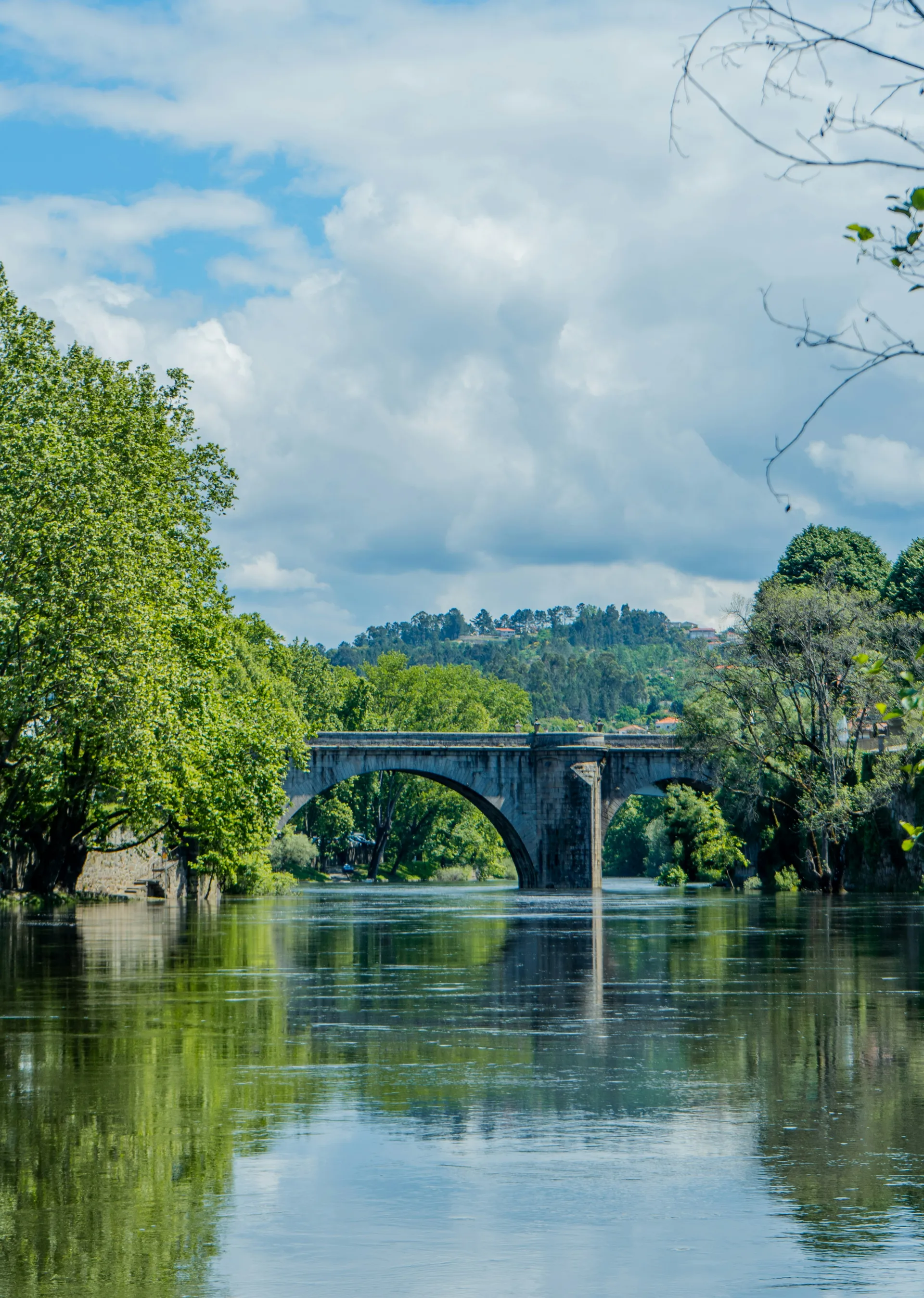
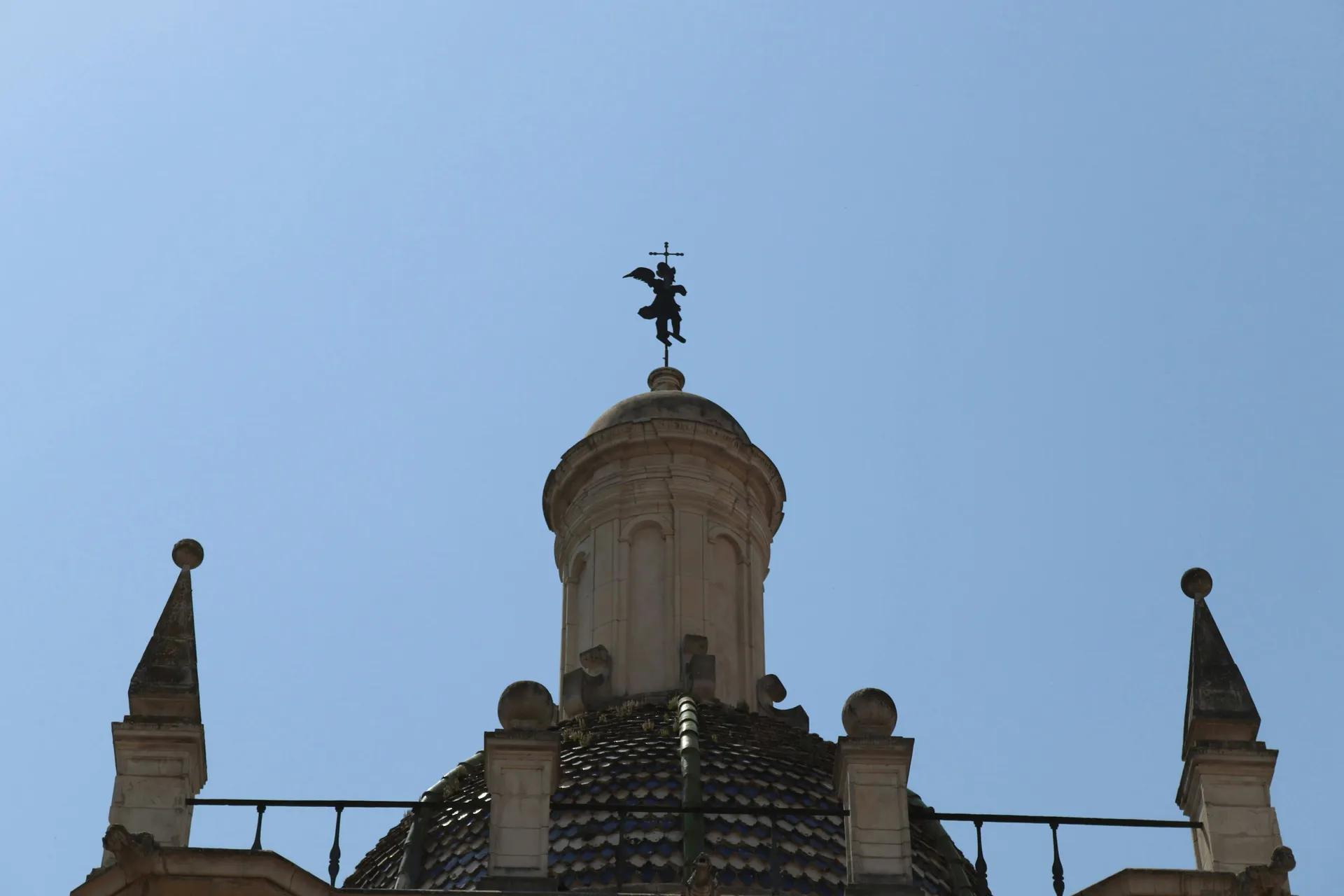
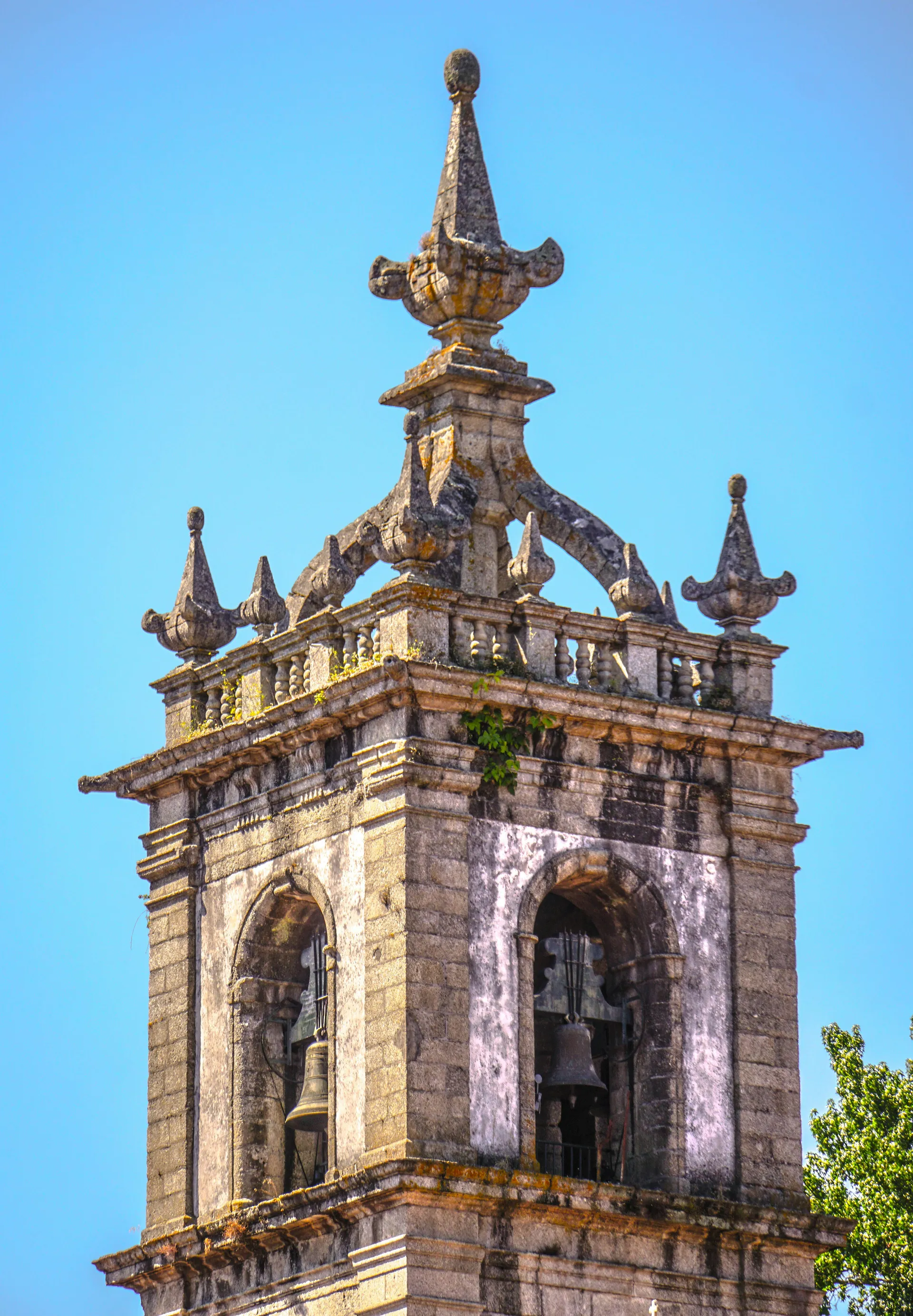
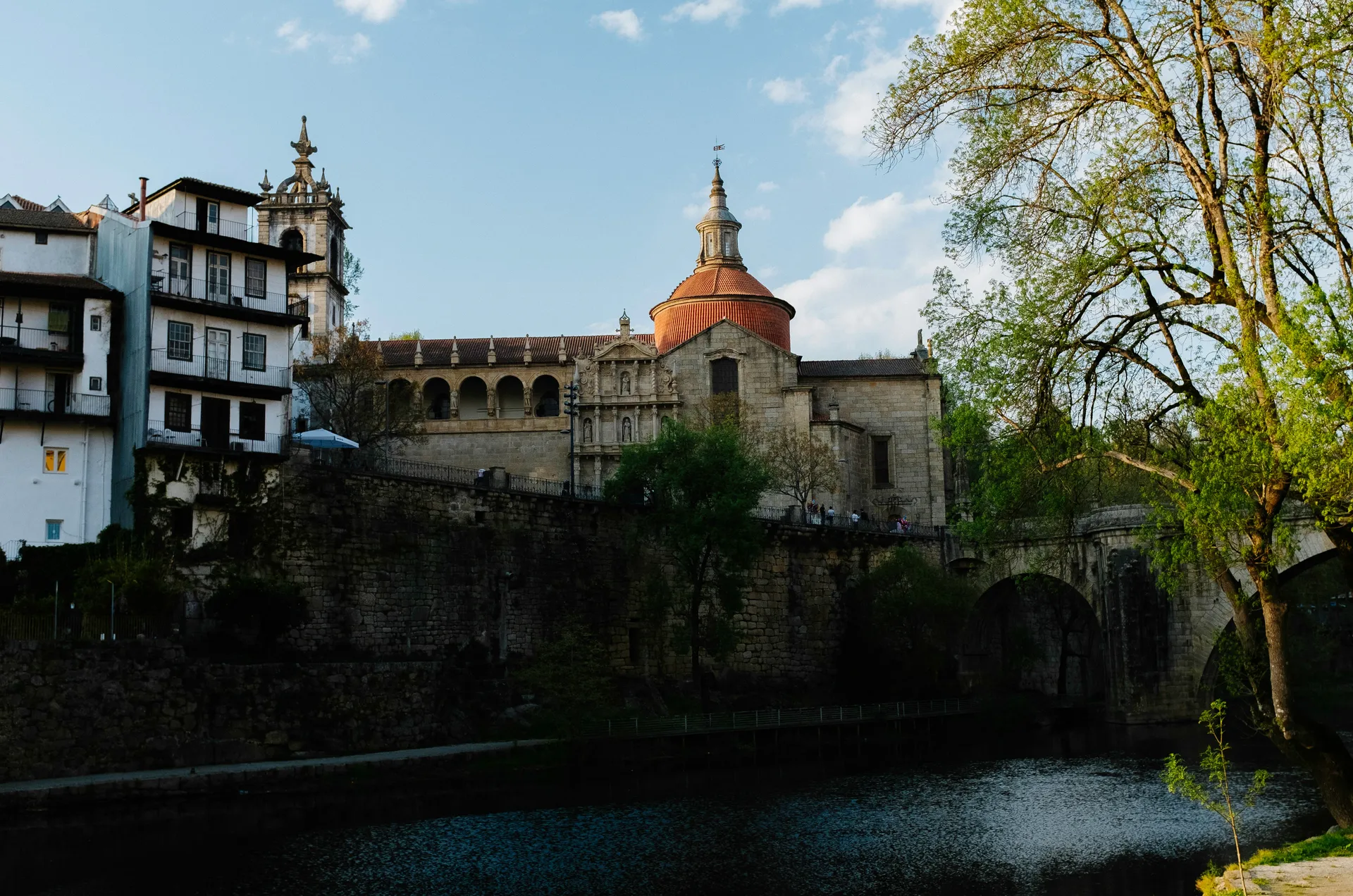
The Ponte de São Gonçalo, an elegant stone bridge spanning the Tâmega, is Amarante's signature landmark and spiritual heart. During the Peninsular War of 1809, the townspeople held this bridge for fourteen days against Napoleon's forces—a feat of resistance that earned Amarante the title of "Very Noble, Loyal, and Always Faithful City." On the south bank, the Monastery of São Gonçalo rises in a magnificent blend of Renaissance, Mannerist, and Baroque architecture, its cloisters offering serene views of the river below. The adjacent Amadeo de Souza-Cardoso Museum, named for the town's most famous son—a modernist painter who exhibited alongside Modigliani and was hailed by critics as a genius before his death at 30—houses a superb collection of early twentieth-century Portuguese art.
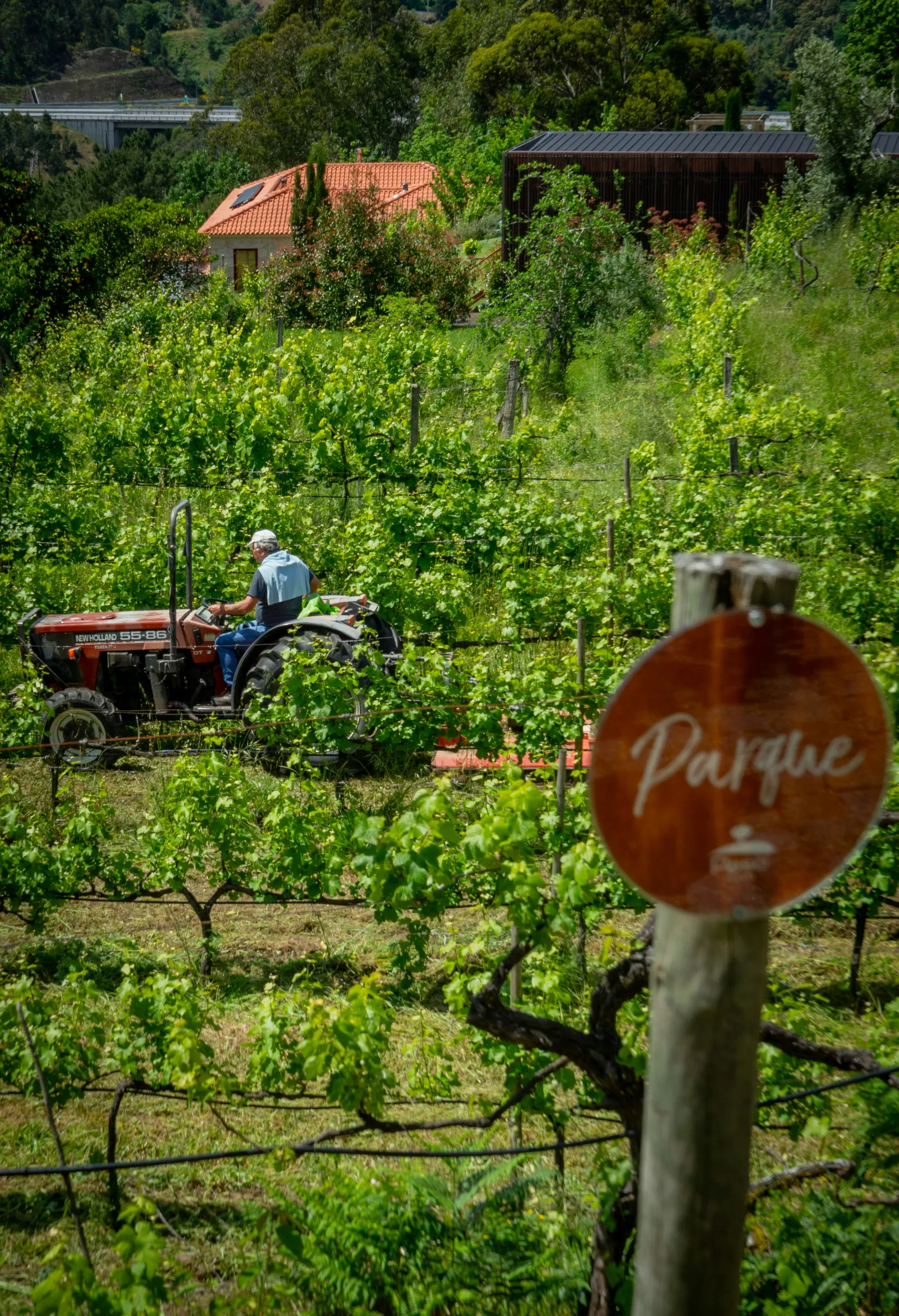
Amarante's food culture is deeply tied to the land and the liturgical calendar. The town is celebrated for its conventual sweets—recipes originally developed by nuns—including the famous bolos de São Gonçalo, suggestively shaped cakes exchanged between lovers during the June festival. Local restaurants serve outstanding regional cuisine: roasted kid goat with oven-baked potatoes, vitela assada (roast veal) from the nearby Barroso region, and freshwater trout from the Tâmega. The surrounding Douro wine country produces not only port but exceptional Vinho Verde and full-bodied reds from indigenous grape varieties like Touriga Nacional and Tinta Roriz. A glass of wine from a local quinta, sipped on a terrace overlooking the river, is Amarante at its most essential.
The region surrounding Amarante is a paradise for those who crave both nature and heritage. The Serra do Marão mountain range offers hiking through chestnut forests and granite peaks, with views stretching to the distant Atlantic on clear days. The Douro Valley, a UNESCO World Heritage landscape of terraced vineyards, lies just to the south—accessible by car or, more memorably, by train along one of Europe's most scenic railway lines. The medieval town of Guimarães, birthplace of Portugal, and the baroque city of Braga are both within easy reach. For a quieter excursion, the Romanesque Route traces a network of twelfth-century churches and monasteries scattered through the surrounding countryside.
Scenic River Cruises includes Amarante as an excursion destination on its Douro River voyages, typically as a half-day trip from the ship's berth along the river. The town is compact enough to explore on foot, with all major sights within a pleasant fifteen-minute stroll. Spring (April–June) and autumn (September–October) offer the most comfortable temperatures and the most dramatic scenery—spring brings wildflower meadows and swollen waterfalls, while autumn sets the vineyard terraces ablaze in copper and gold. Amarante may lack the international renown of Porto or Lisbon, but for travelers seeking the authentic, unhurried soul of northern Portugal, few places rival its quiet magic.