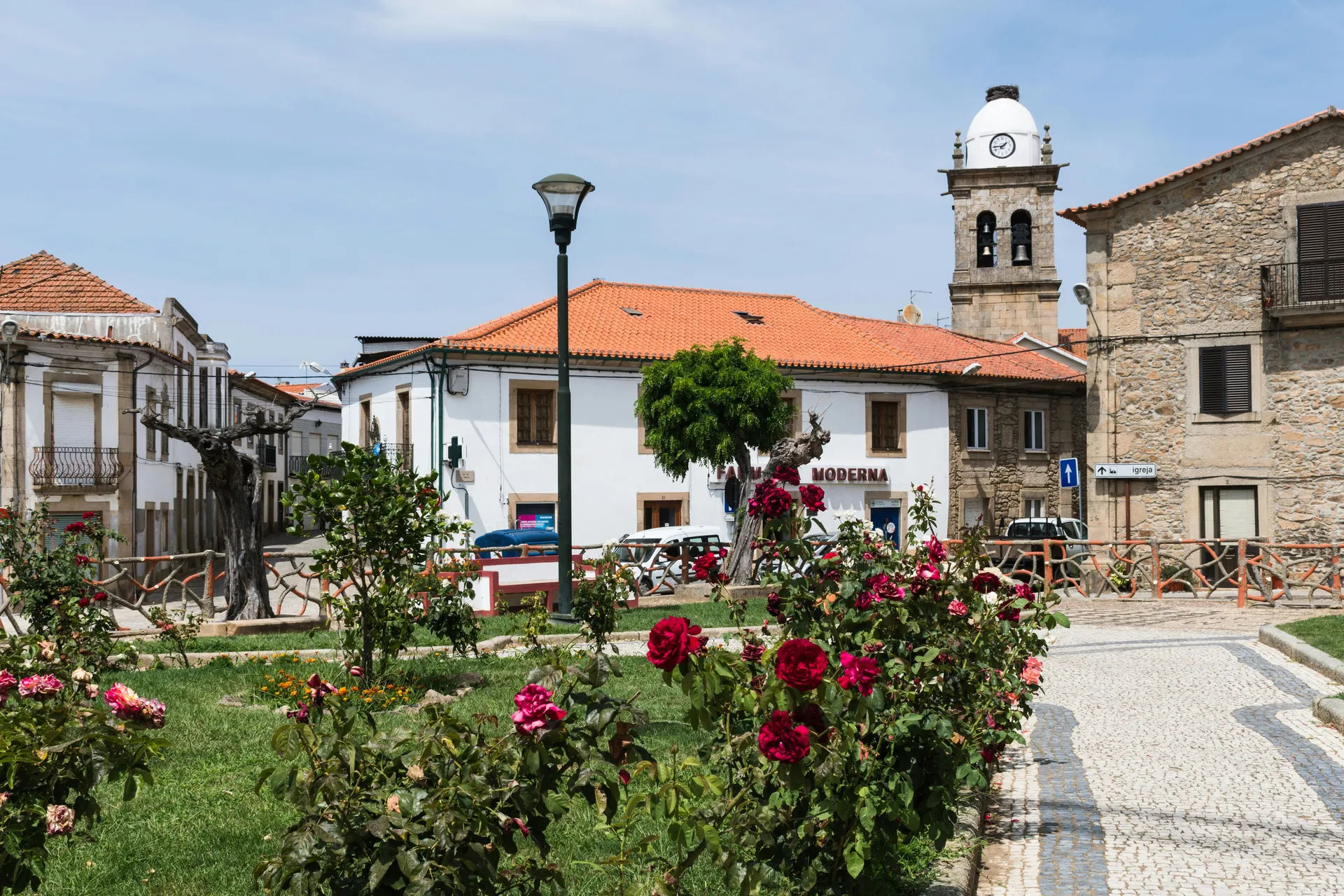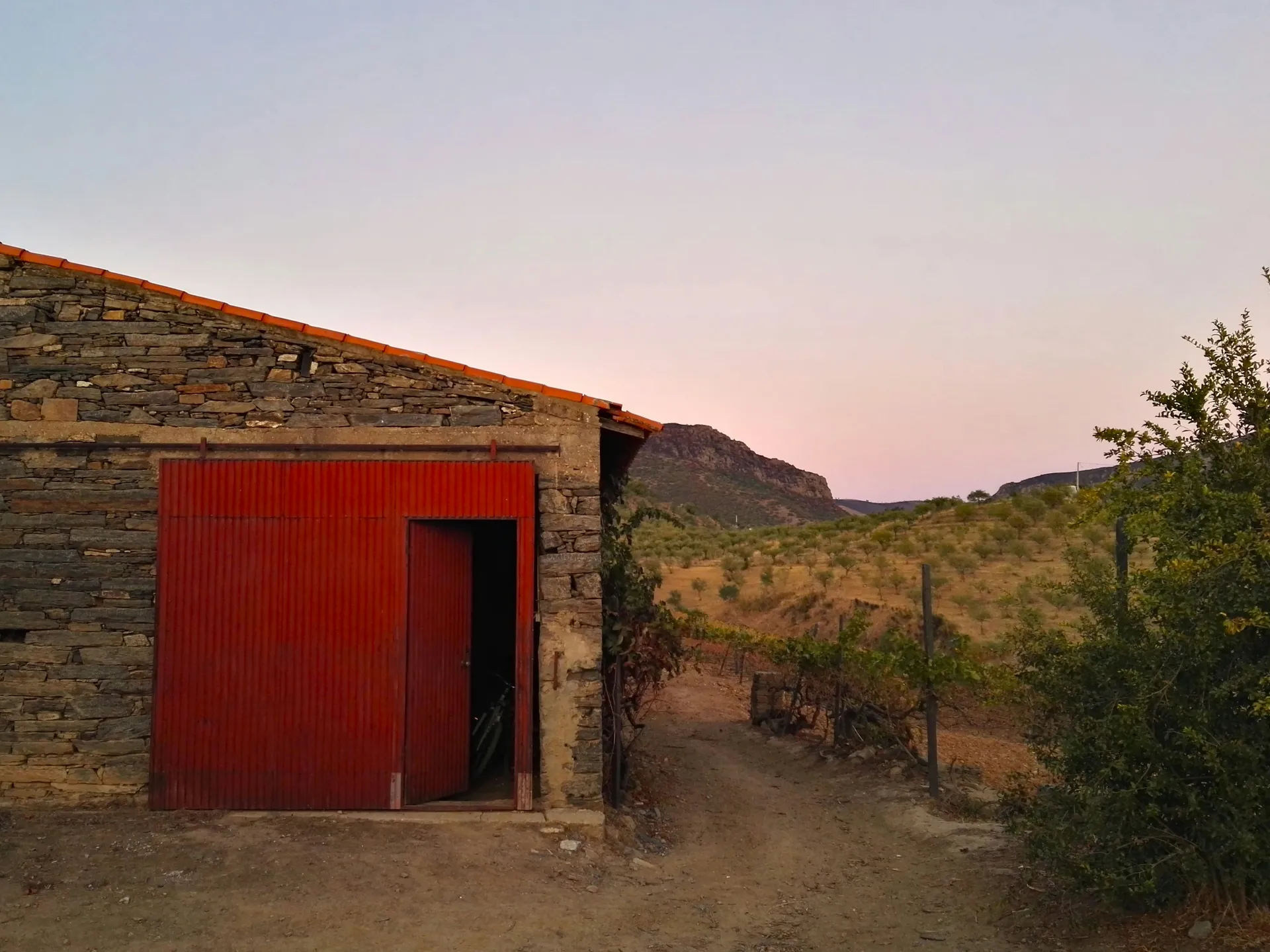
Castelo Rodrigo watches over the Portuguese-Spanish frontier from a hilltop that has served as a lookout, a fortress, and a symbol of national defiance for nearly a millennium. This tiny village in the Beira Alta region — population barely two hundred — contains within its medieval walls a concentration of history disproportionate to its size and a panoramic position that explains every chapter of that history.
The village's most poignant monument is the ruined Cristóvão de Moura Palace, deliberately burned by the townspeople in 1640 during the Portuguese Restoration War. Moura had sided with the Spanish crown during the sixty years of Iberian Union, and when Portugal regained independence, his neighbors expressed their feelings about collaboration by destroying his home. The ruins — still unroofed after nearly four centuries — stand as a powerful statement about the Portuguese border communities' fierce attachment to national identity.
The medieval walls enclose a compact settlement of stone houses, a Romanesque church, and the remnants of a Sephardic Jewish community that flourished here before the Inquisition. Doorway carvings bearing crosses — the marks of conversos, Jews who converted to Christianity under duress — provide silent testimony to the religious persecution that reshaped Iberian society in the fifteenth and sixteenth centuries.
Riviera Travel includes Castelo Rodrigo on Douro Valley river cruise itineraries, with the village providing a counterpoint to the wine-focused experiences downstream. The surrounding landscape — granite boulders, cork oak forests, and the medieval villages of the Côa Valley — contains some of Portugal's most unspoiled countryside, including the Côa Valley Archaeological Park, where Paleolithic rock engravings rival those of Altamira and Lascaux in significance.
April through October provides the best conditions, with spring wildflowers and autumn harvest colors offering particular beauty. Castelo Rodrigo is the Portugal that exists beyond the Douro wine estates — a frontier village where every burned palace and carved doorway tells a story of independence, persecution, and the stubborn survival of communities that history has tried repeatedly to erase.