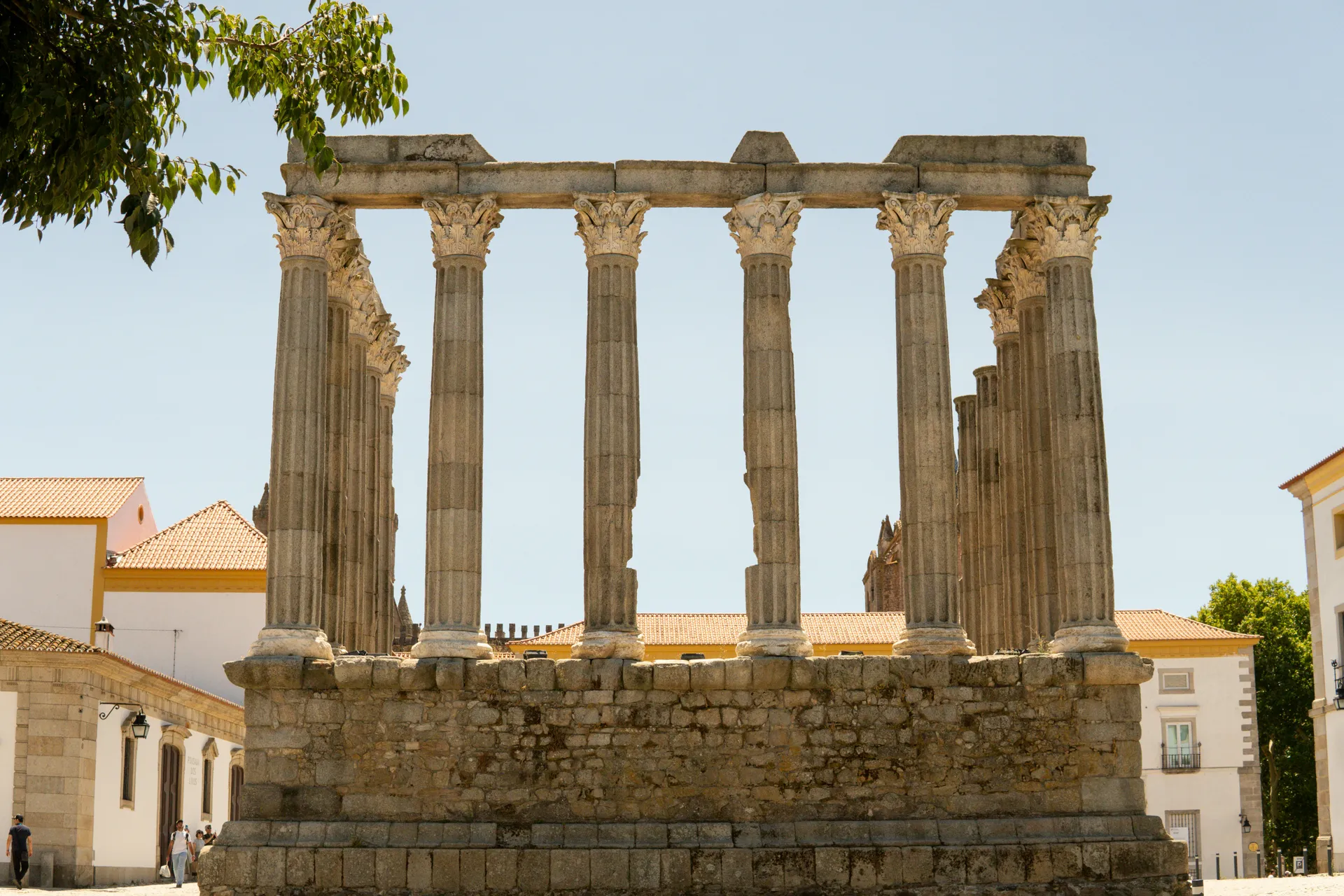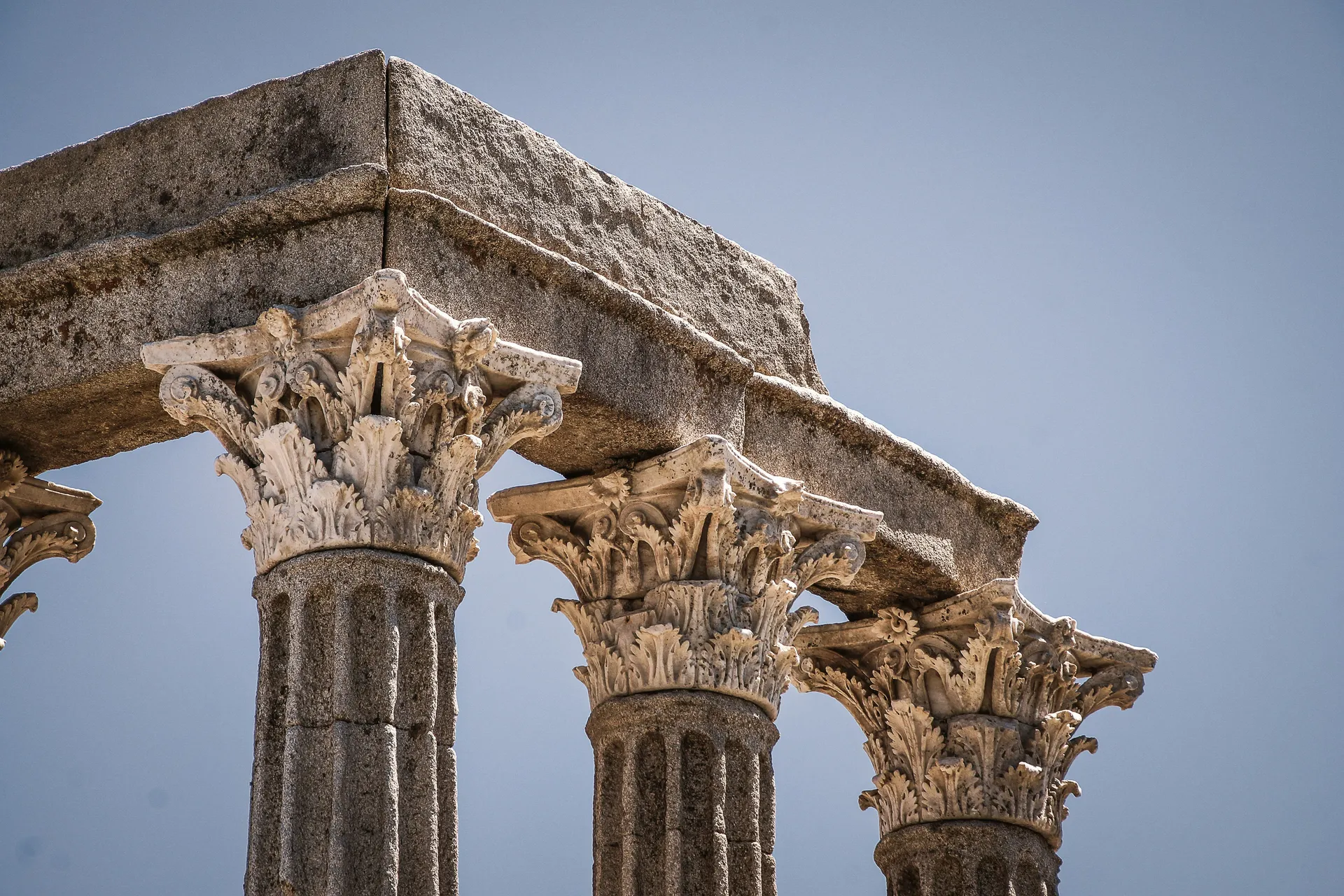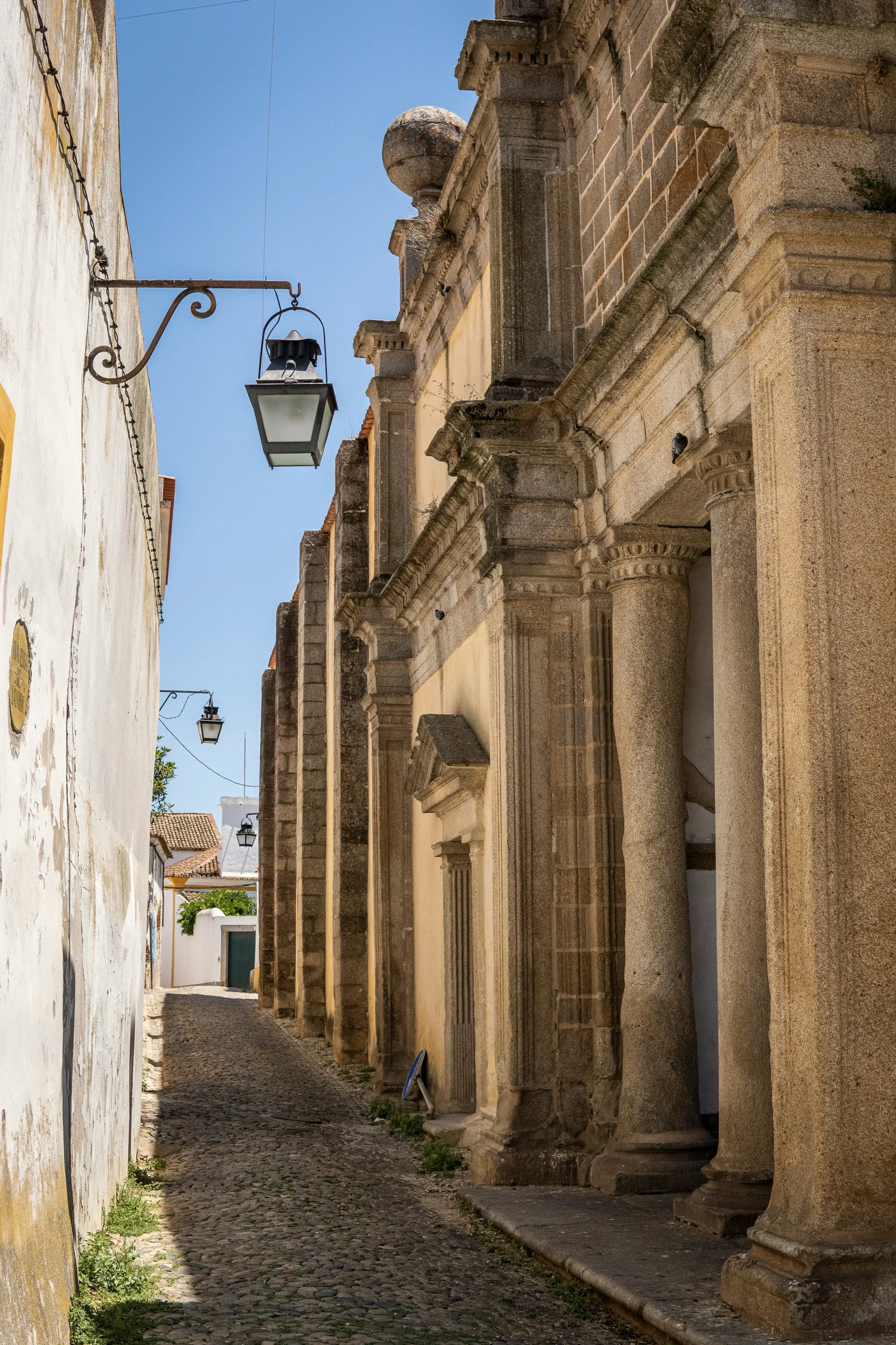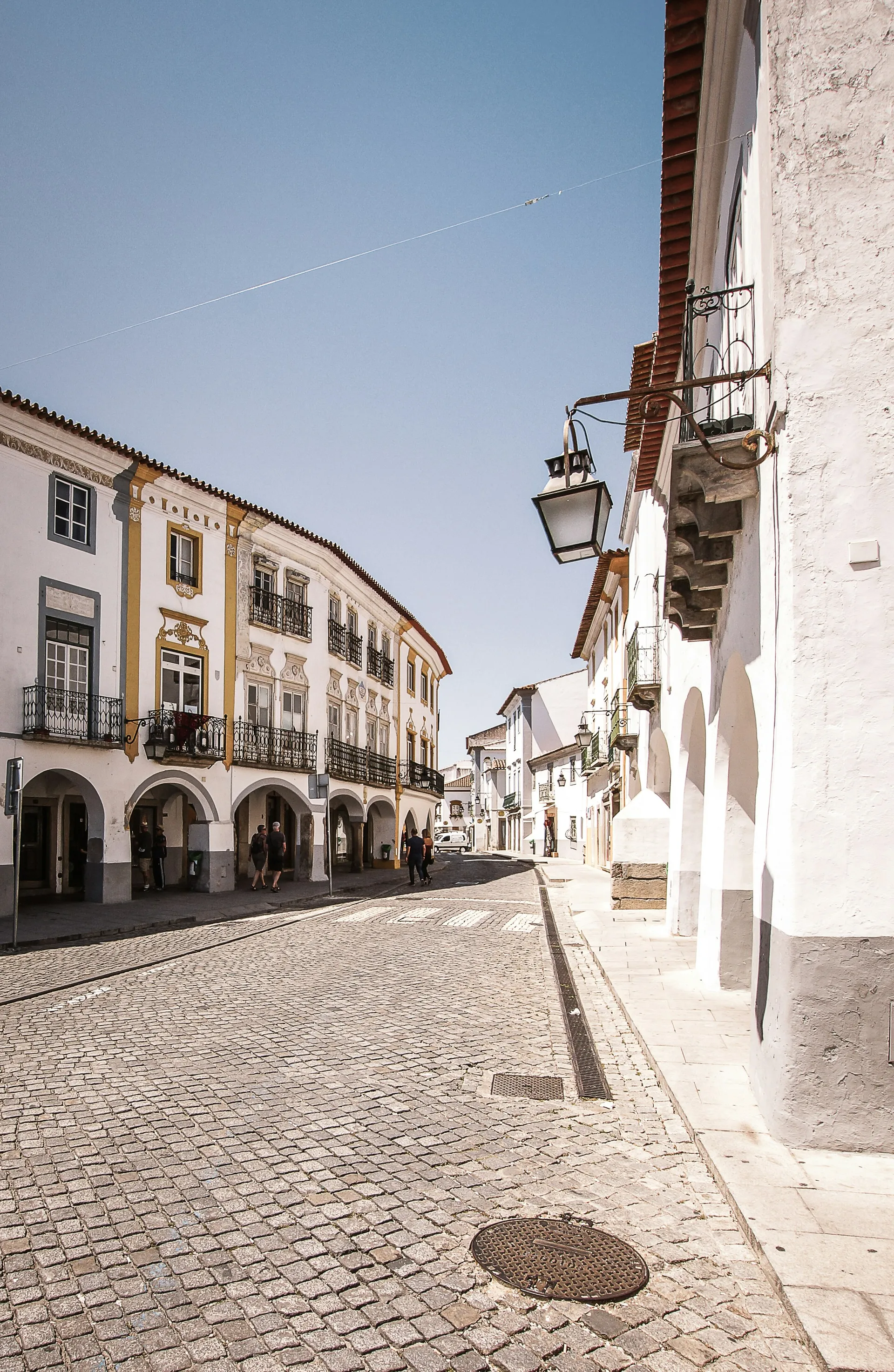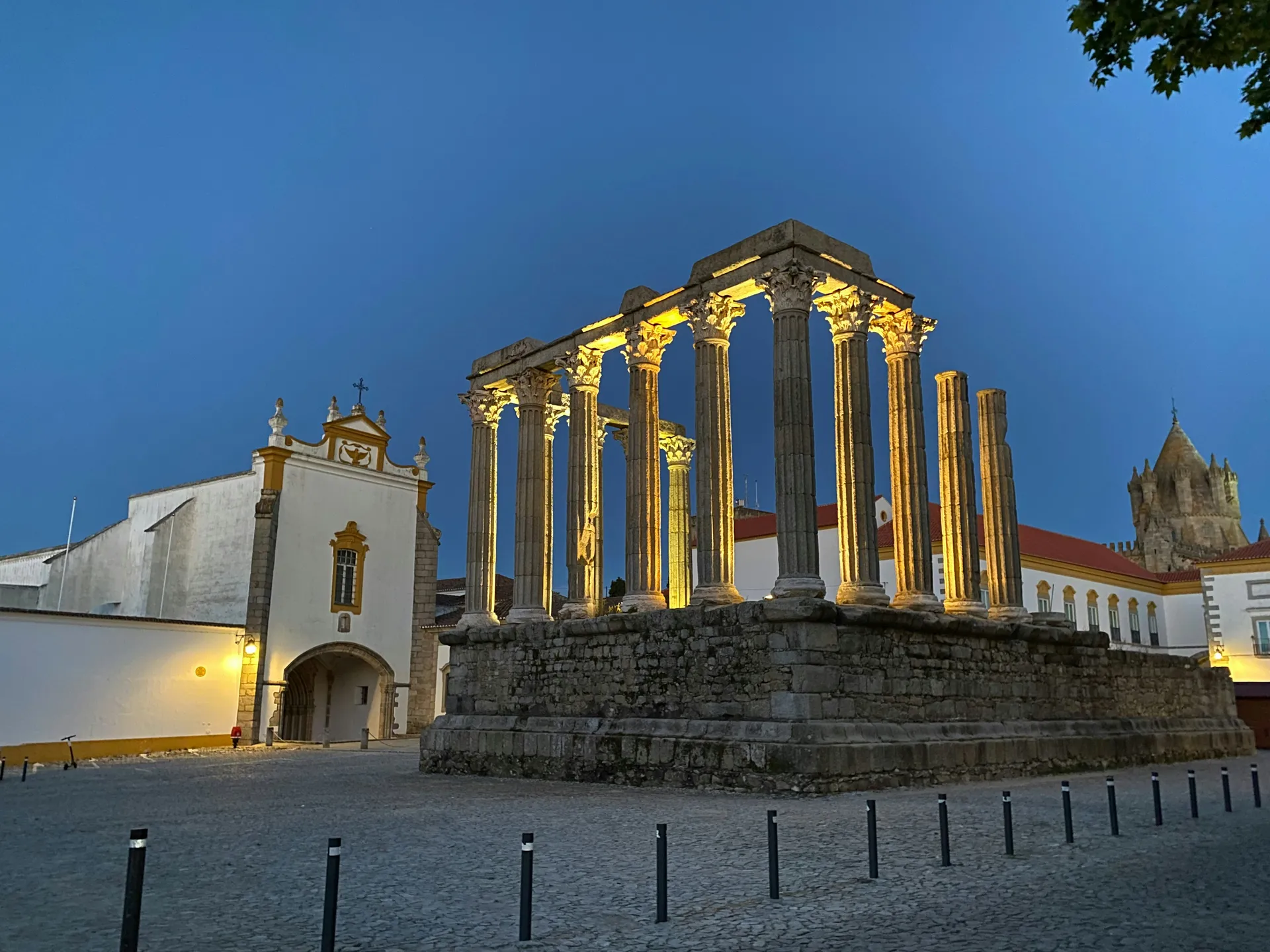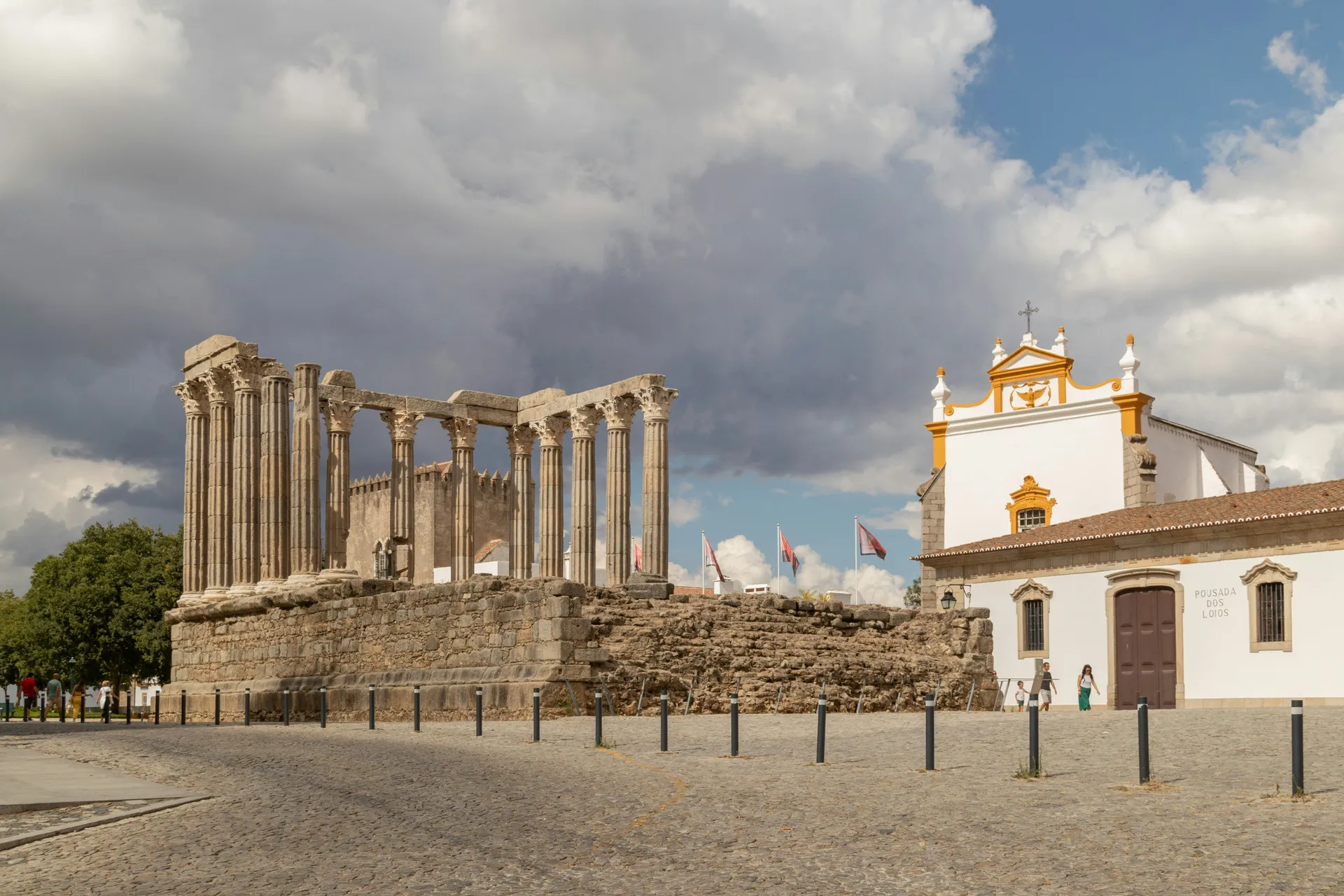
Évora rises from the vast, rolling plains of the Alentejo — Portugal's sun-baked interior — like a city that time considered carefully and then decided to leave largely alone. Within its medieval walls, layers of civilization two thousand years deep coexist with the unhurried rhythms of a modern university city of 56,000, where students debate in cloistered courtyards that Jesuits built and Romans paved. The Temple of Diana, a remarkably preserved first-century Roman temple whose Corinthian columns stand in the city's highest square, announces Évora's historical depth immediately: this was Liberalitas Julia under the Romans, a bishopric from the Visigothic period, a center of Moorish learning, and ultimately a favored residence of Portuguese kings during the fifteenth and sixteenth centuries, when Portugal's maritime empire was rewriting the map of the world.
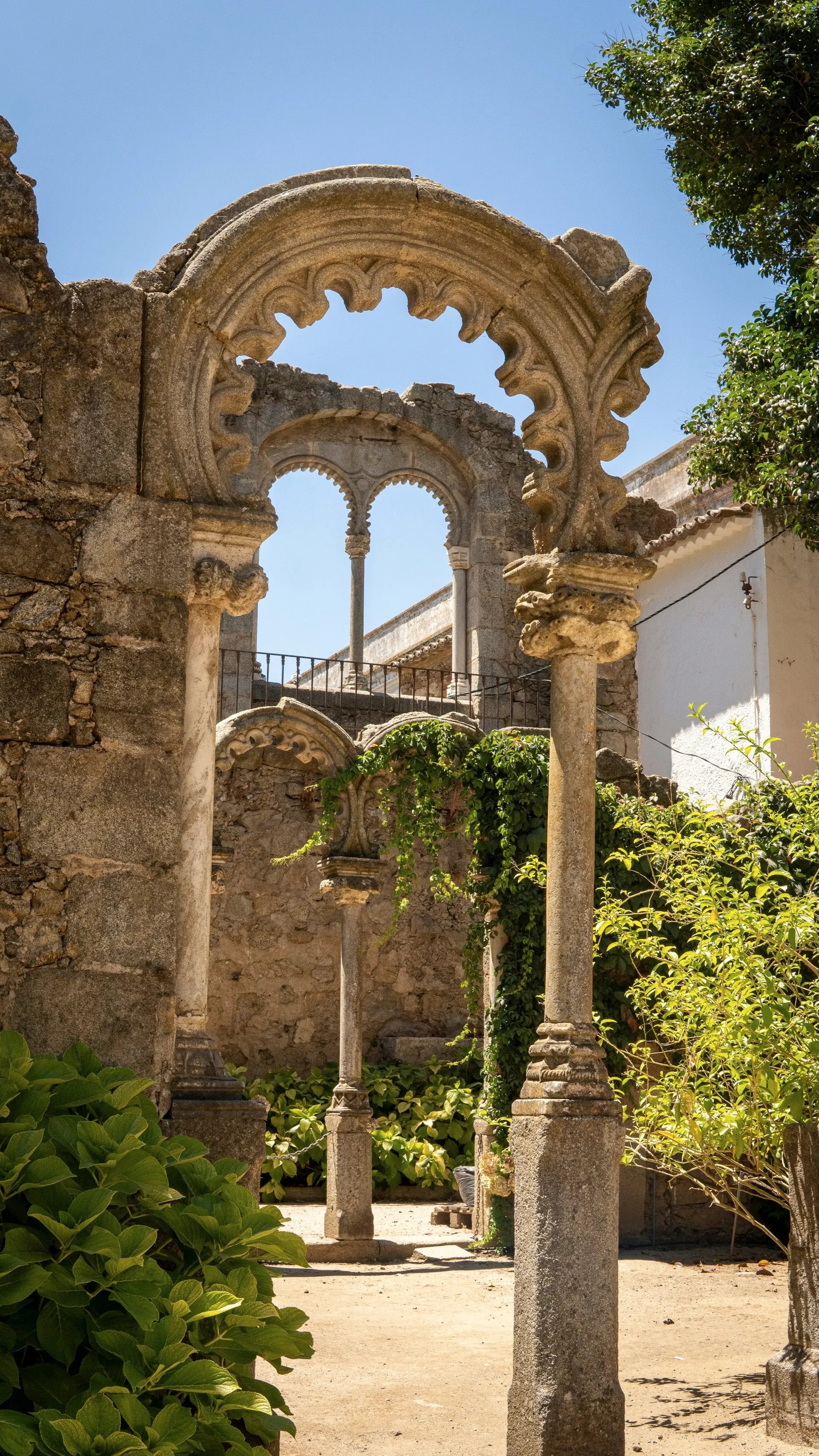
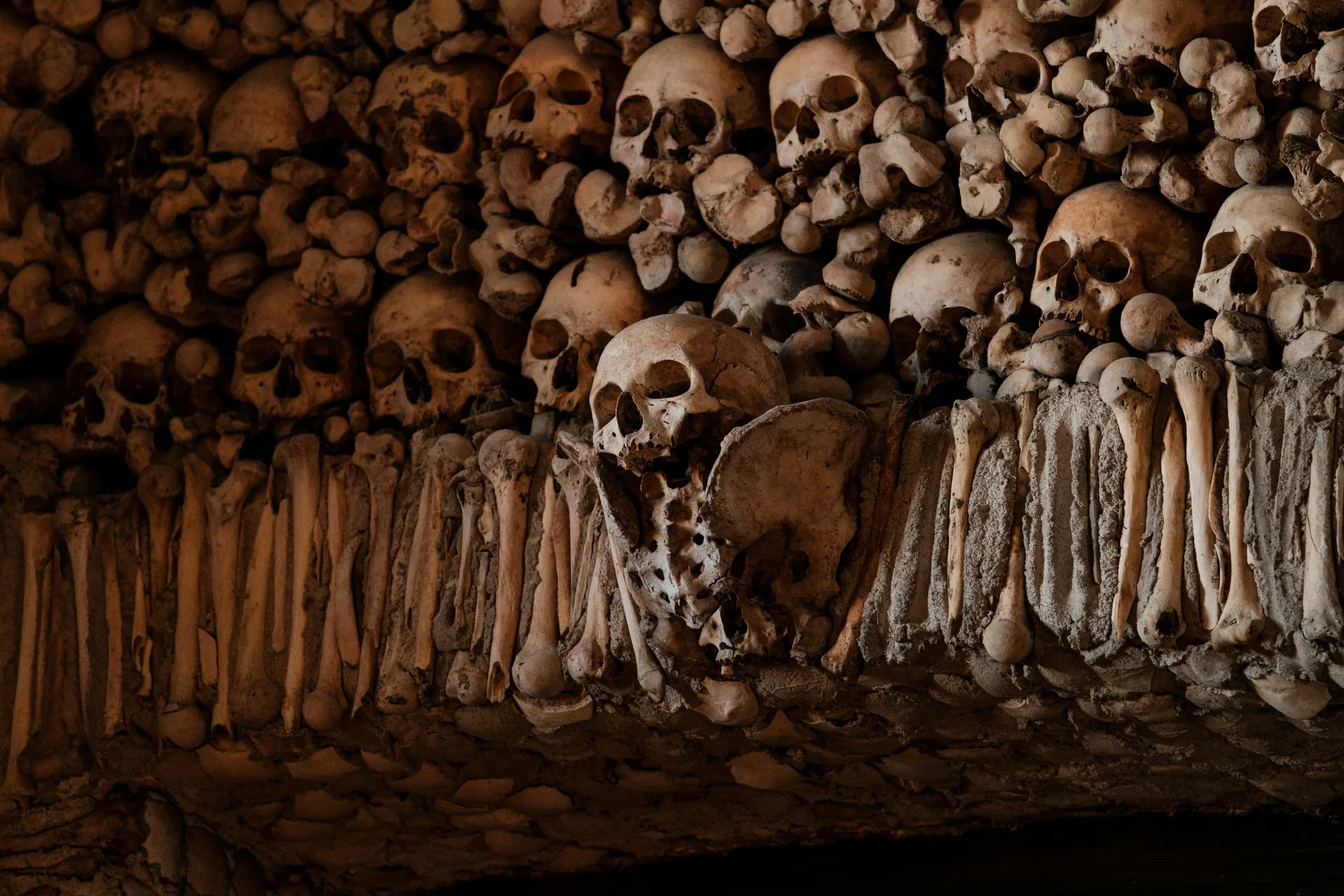
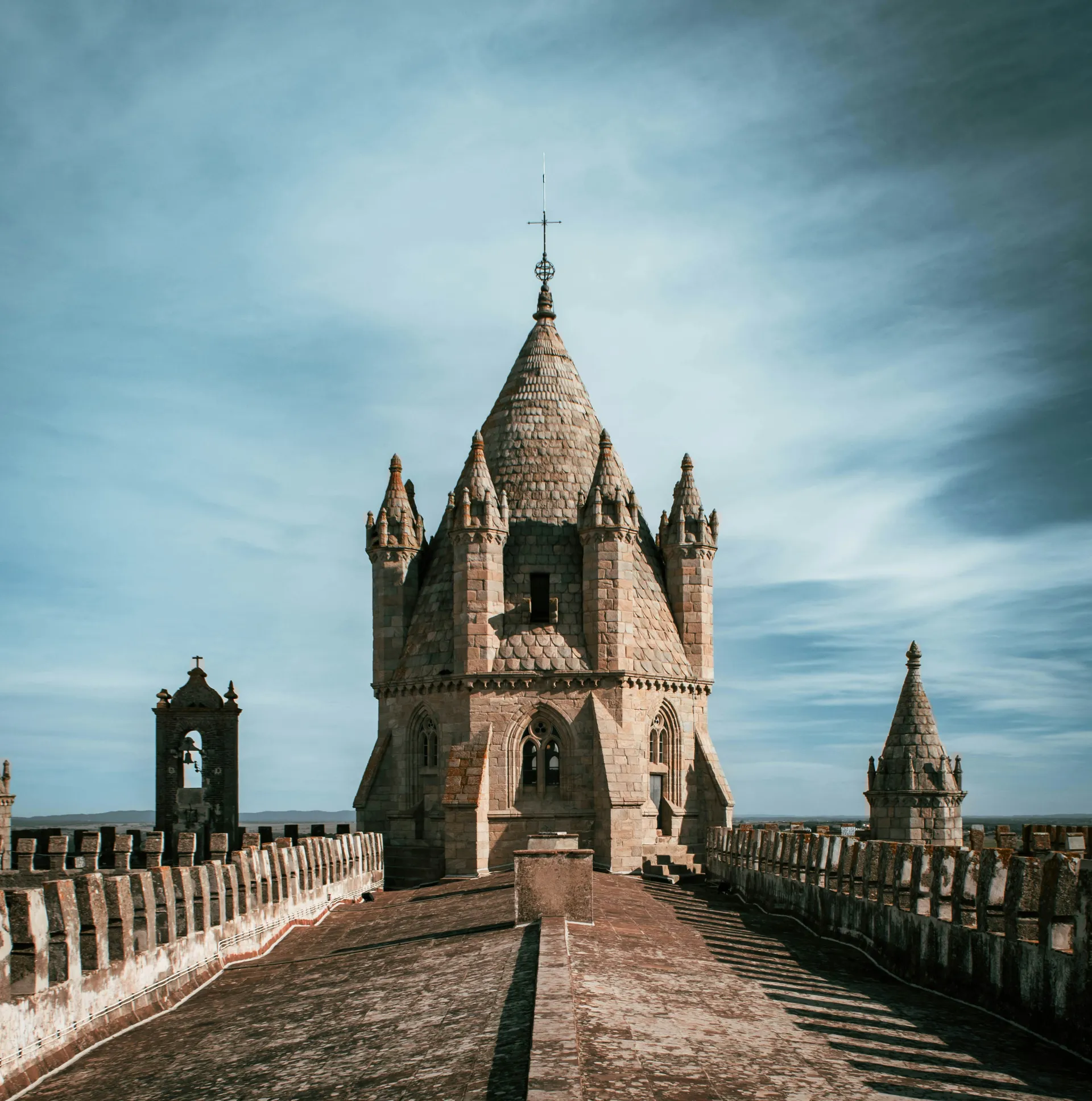
The character of Évora is defined by its compactness and its layers. The Cathedral (Sé), a fortress-like Romanesque-Gothic structure completed in 1250, dominates the skyline with its asymmetric towers — one Romanesque, one conical — and its rooftop terrace provides panoramic views over the terracotta rooftops to the Alentejo plains beyond. The Church of São Francisco, built in the late fifteenth century, contains the Capela dos Ossos (Chapel of Bones) — a meditation chapel whose walls and columns are constructed entirely from the bones and skulls of approximately 5,000 monks, arranged with macabre artistry beneath the inscription: "We bones that are here await yours." The University of Évora, founded by the Jesuits in 1559, occupies a complex of cloistered courtyards adorned with azulejo tiles that depict classical and religious scenes in the blue-and-white palette that defines Portuguese decorative art.
The cuisine of the Alentejo is Portugal's most deeply rooted and satisfying, a peasant tradition elevated by the quality of its ingredients and the honesty of its preparation. Bread is the foundation: migas (bread crumbs fried with garlic, herbs, and olive oil, accompanied by pork or bacalhau), açorda (bread soup with garlic, coriander, and a poached egg), and the simple act of tearing fresh bread and dipping it in Alentejo olive oil constitute a culinary philosophy. Black pork — porco preto, the free-range Iberian pig fed on acorns from the region's cork oak forests — produces presunto (cured ham) and secretos (pork cuts) of extraordinary richness. The Alentejo wines, particularly those from the Reguengos de Monsaraz and Borba sub-regions, have earned international recognition for their full-bodied reds — blends of indigenous varieties like Trincadeira, Aragonez, and Alicante Bouschet that thrive in the region's hot, dry climate.
The Alentejo landscape surrounding Évora offers experiences of timeless beauty. The megalithic monuments of the Almendres Cromlech — a stone circle of ninety-five menhirs dating to the sixth millennium BCE, predating Stonehenge by two thousand years — stand in a cork oak grove west of the city, their ancient purpose debated but their atmospheric power undeniable. The fortified hilltop villages of Monsaraz, Marvão, and Castelo de Vide, perched on granite escarpments above the plains, provide day-trip destinations of extraordinary beauty and historical resonance. The cork oak forests (montados) that blanket the region — Portugal produces over half the world's cork — create a pastoral landscape of dappled shade and grazing livestock that is protected as a UNESCO Intangible Cultural Heritage.
Évora is approximately 130 kilometers east of Lisbon (ninety minutes by car or express bus, with train service also available). Cruise passengers arriving at the port of Setúbal or Lisbon can reach Évora as a day excursion. The city is compact and best explored on foot within the medieval walls. The Alentejo climate is continental — summers are hot (frequently exceeding 40°C), making spring (March–May) and autumn (September–November) the most comfortable visiting seasons. The Christmas and Easter periods bring traditional festivals and seasonal cuisine that provide compelling off-season reasons to visit.