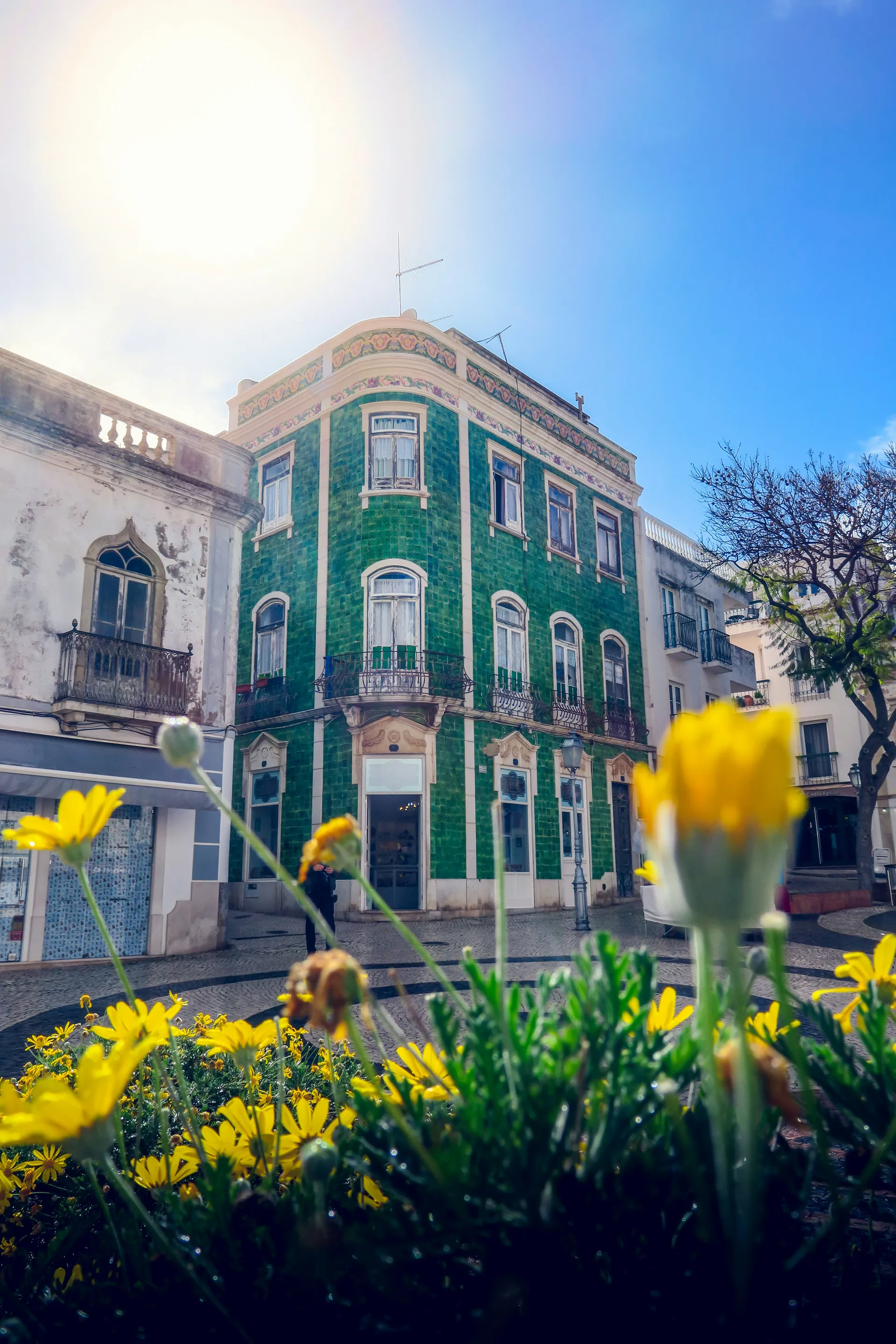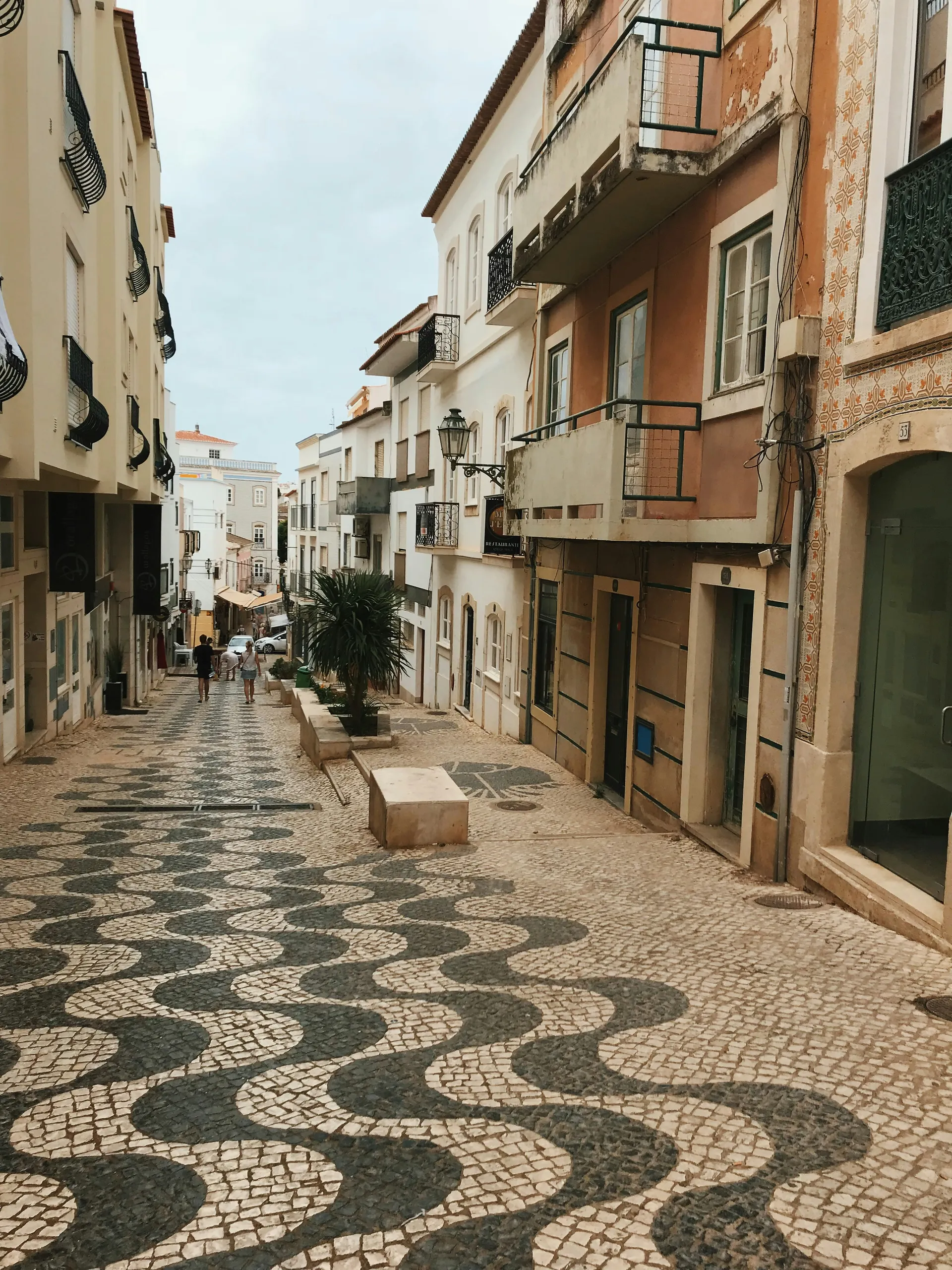
Lagos sits on the western end of Portugal's Algarve coast, a town of approximately 31,000 people that balances its identity as a beach resort with an historical significance that belies its modest size. It was from Lagos, in the fifteenth century, that Prince Henry the Navigator dispatched the expeditions that opened the sea route to West Africa, inaugurating the Age of Discovery that would reshape the world. The town served as the capital of the Algarve from 1576 to 1756, and its old center — enclosed within medieval walls that descend from the hilltop fortress to the fishing harbor — preserves the narrow, cobblestoned streets, whitewashed churches, and tiled facades that characterize the most attractive towns of southern Portugal. The legacy of the Age of Discovery is complex: Lagos also housed Portugal's first slave market, opened in 1444, and the Mercado de Escravos building now serves as a small museum confronting this painful history.
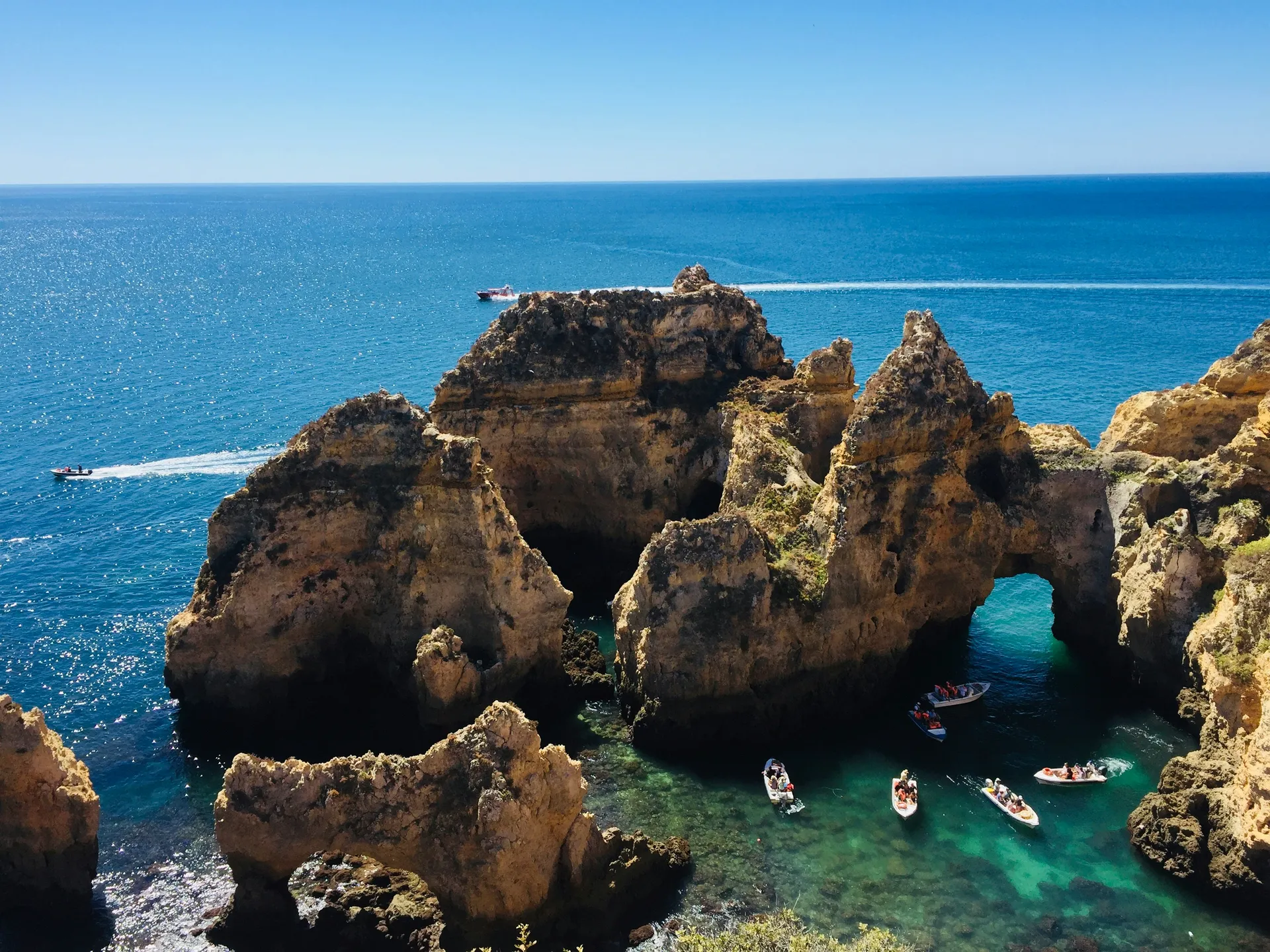
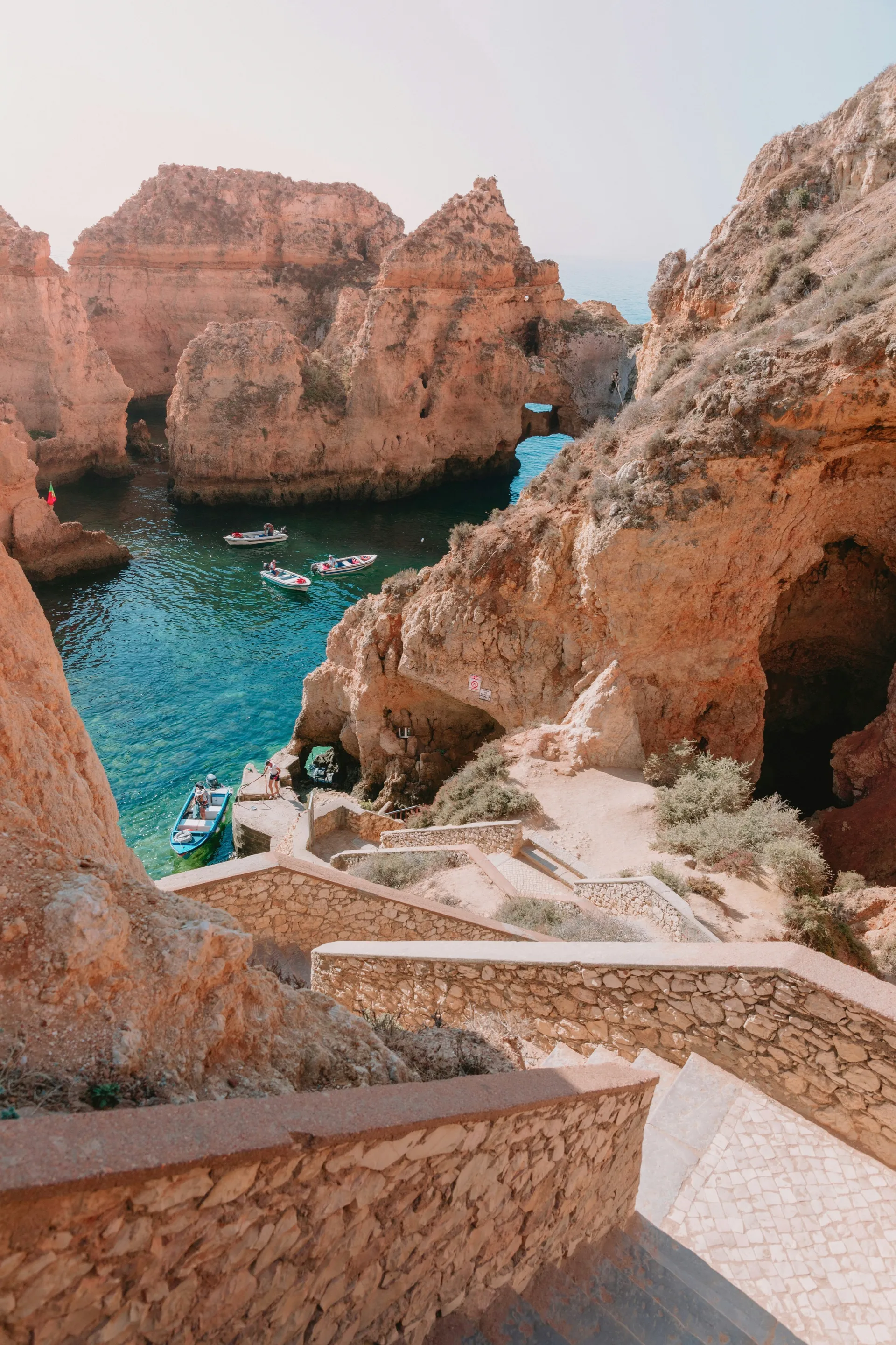
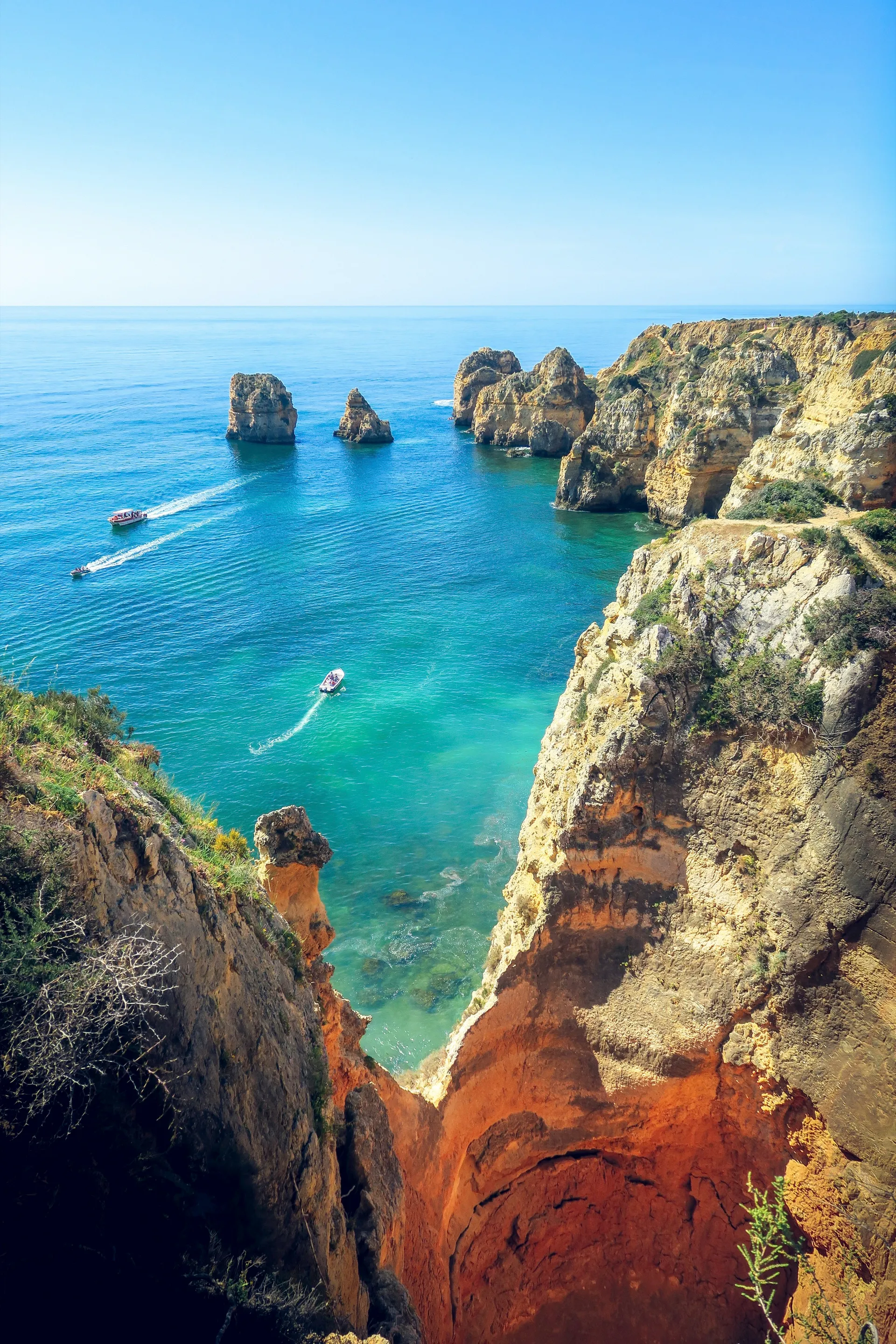
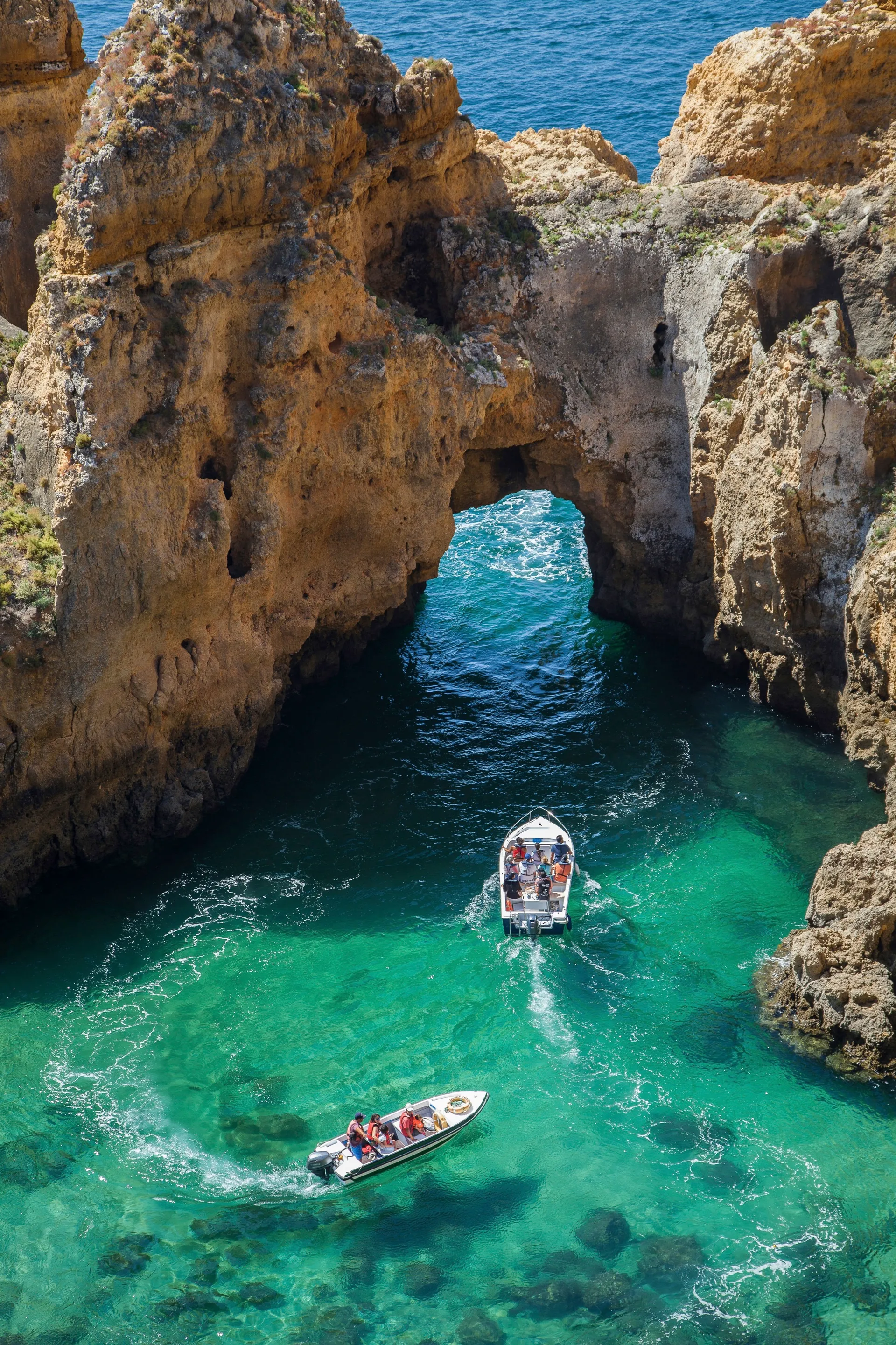
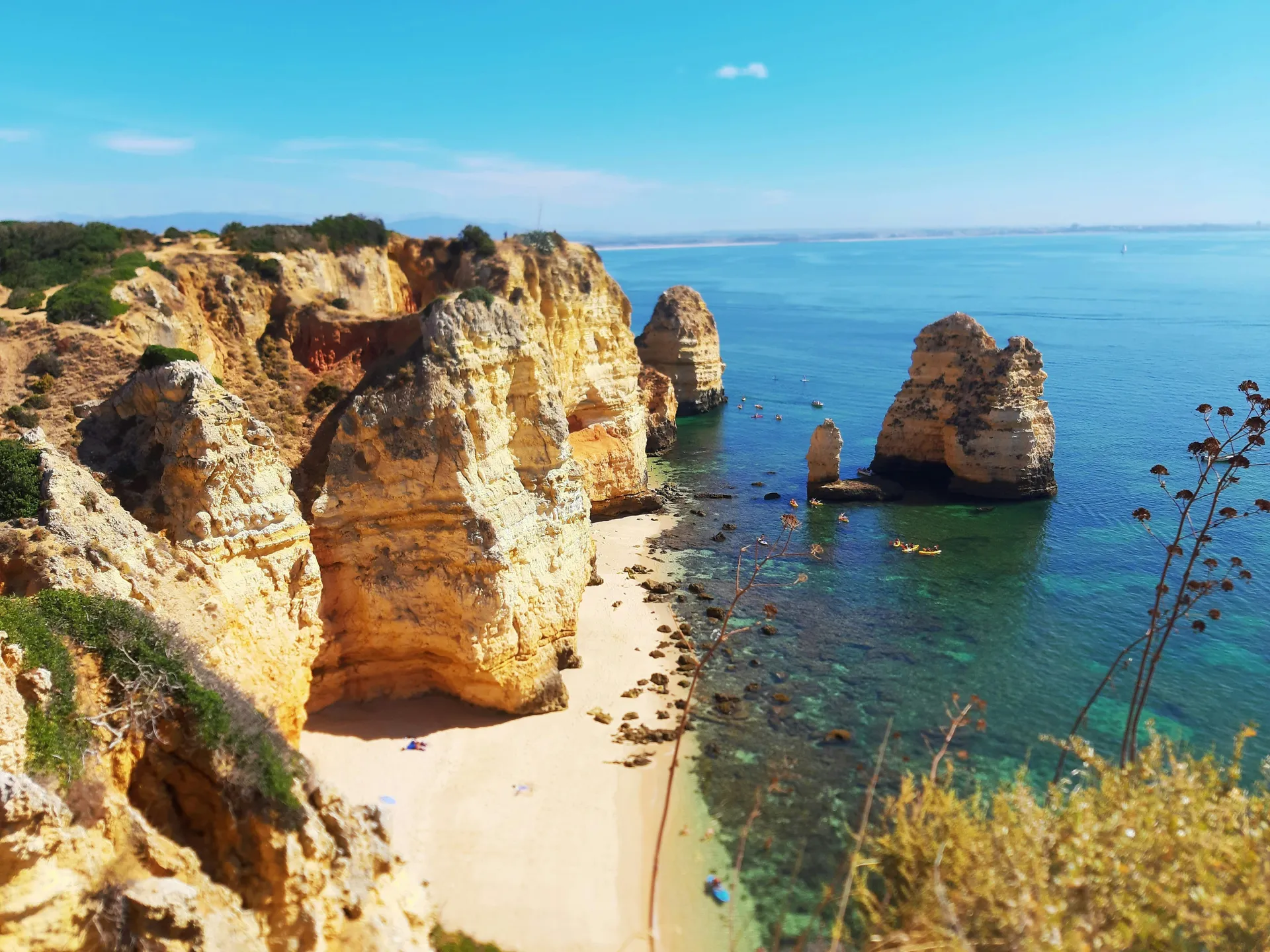
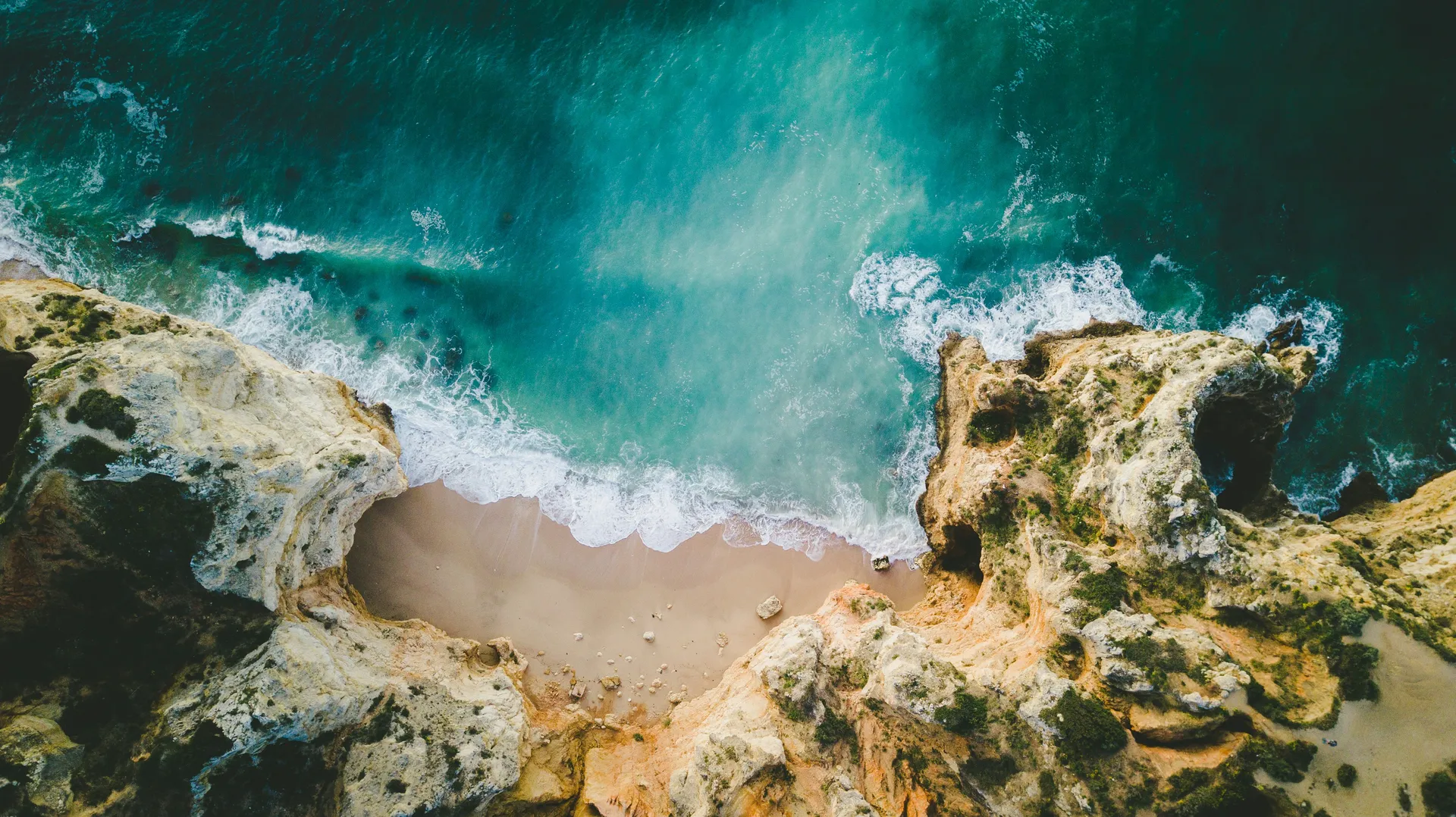
The coastline around Lagos is the Algarve at its most spectacular. The Ponta da Piedade — a headland just south of town — presents a labyrinth of golden limestone sea stacks, grottoes, and natural arches that the Atlantic has sculpted over millennia into formations of almost hallucinatory beauty. Boat tours from the marina navigate through the arches and into the grottoes, where the turquoise water glows with reflected light and the golden rock rises in pillars and walls that justify every travel poster ever produced of the Algarve. The beaches — Praia Dona Ana, Praia do Camilo, Meia Praia — range from intimate coves enclosed by cliff walls to a four-kilometer sweep of golden sand that stretches east toward the Ria Formosa.
Lagos's culinary scene reflects the Algarve's position as the intersection of Atlantic seafood and Mediterranean warmth. Cataplana — a copper vessel that functions as both cooking pot and serving dish, in which clams, shrimp, sausage, and vegetables steam in a broth of wine, garlic, and tomato — is the region's signature dish, and Lagos's waterfront restaurants serve it with particular skill. Grilled sardines, the quintessential Portuguese summer food, are charcoal-grilled on outdoor barbecues and served on a slice of bread that absorbs the dripping oil — simple, smoky, and perfect. The pastel de nata (custard tart), consumed at every café in town with a strong espresso, achieves in Portugal a quality that imitations worldwide can only approximate. Local wines from the Lagos and Portimão appellations — particularly the full-bodied reds from the indigenous Negra Mole and Castelão varieties — complement the seafood with rustic elegance.
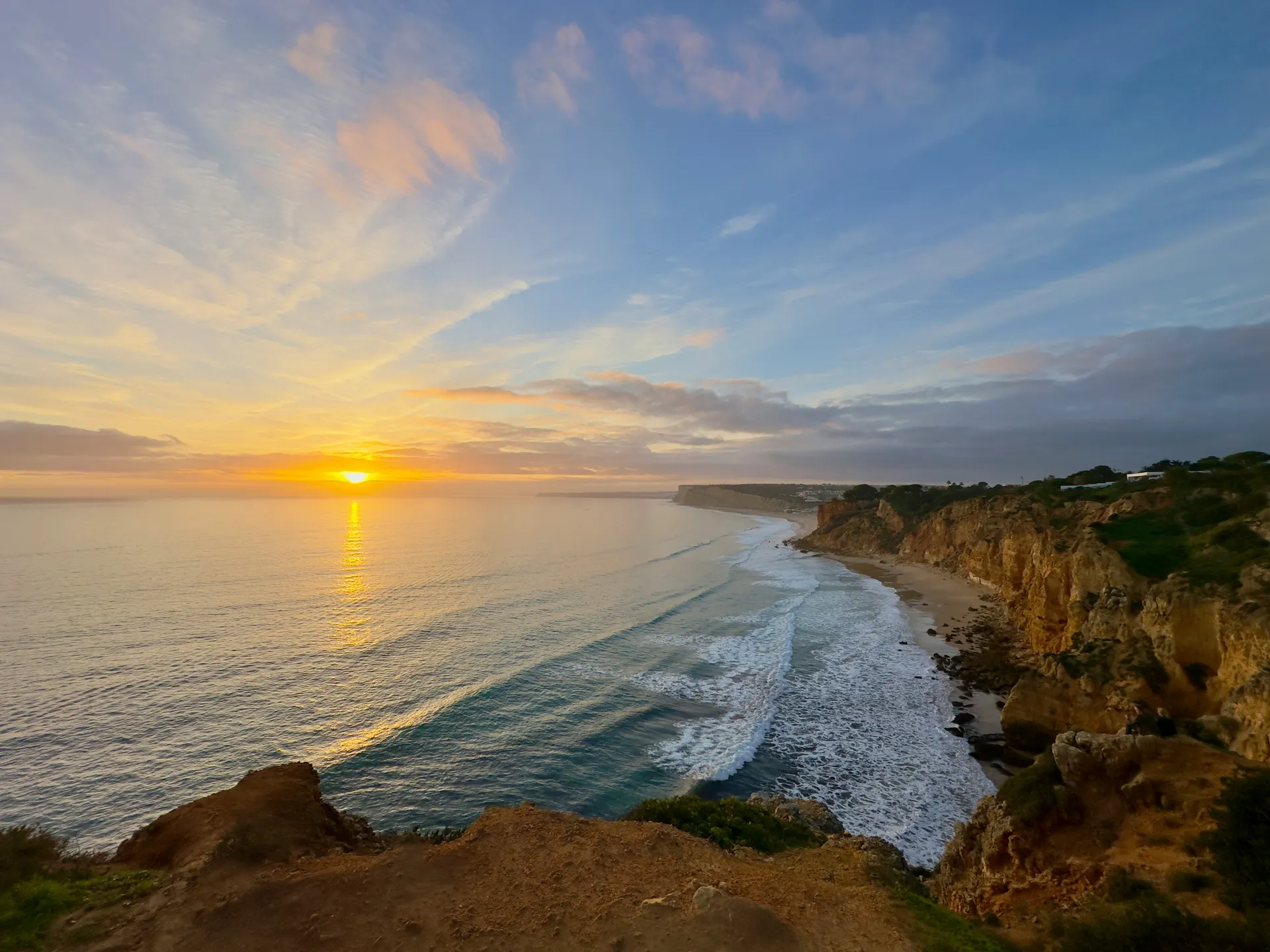
Beyond the immediate coastline, Lagos serves as a base for exploring the western Algarve — the least developed section of the coast, where the landscape grows wilder and more dramatic as you approach Cape St. Vincent, the southwestern tip of continental Europe. The Costa Vicentina, a protected natural park stretching north along the Atlantic coast, offers cliff-top hiking, surfing at beaches like Arrifana and Amado, and a sense of untamed coastal wilderness that the eastern Algarve's resort developments have long since lost. The market town of Silves, thirty minutes inland, preserves a magnificent Moorish castle and the memory of its years as the capital of the Algarve under Islamic rule — its red sandstone walls and orange groves providing an evocative counterpoint to the coastal tourist towns.
Lagos is reached from Faro Airport (ninety minutes by car or train) and by cruise ships that anchor offshore and tender passengers to the marina. The town is compact and walkable, with the old center, marina, and beaches all within easy reach. The Algarve climate delivers over 300 days of sunshine per year, making Lagos a viable year-round destination. The peak summer months of July and August bring the warmest temperatures (30°C+) and largest crowds; May to June and September to October offer the ideal combination of warm weather, swimmable seas, and uncrowded beaches. Winter (November–March) is mild and quiet, with daytime temperatures around 15–18°C and the cliffs and grottoes at their most dramatically lit.