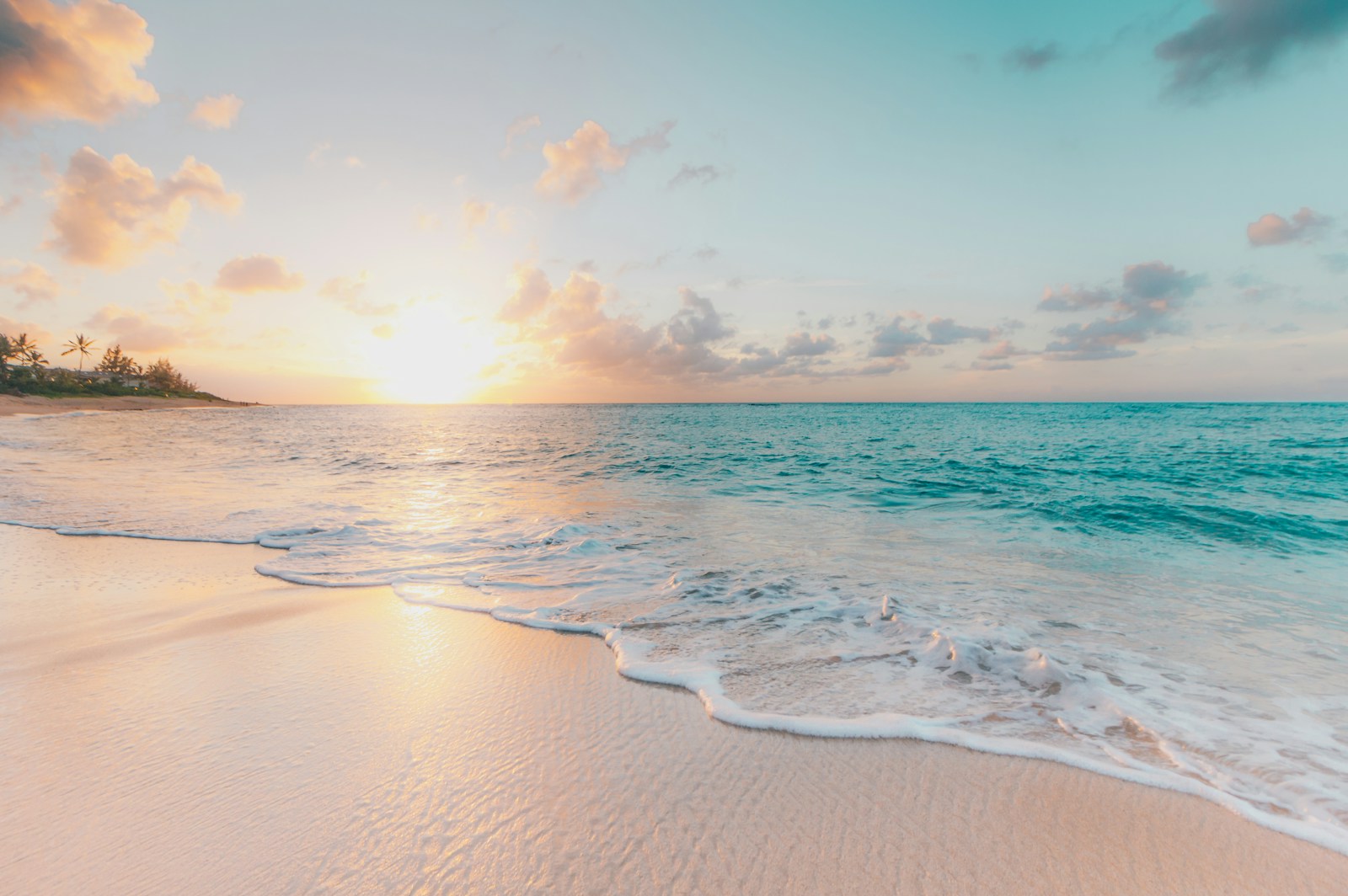
On the northern coast of Graciosa Island, where the Azorean Atlantic breaks against volcanic cliffs softened by centuries of wind and rain, Praia da Graciosa offers a beach experience unlike anything found on the European mainland. This crescent of golden sand—a rarity in an archipelago dominated by dramatic dark volcanic shores—curves beneath the gentle slopes of an island that has earned its name, the Gracious One, through the elegance of its landscapes and the warmth of its people. Portuguese navigators settled Graciosa in the mid-fifteenth century, and the island's diminutive size and distance from the busier Azorean islands have preserved a pace of life that feels closer to the 1950s than the 2020s.
The character of Praia da Graciosa is inseparable from the broader personality of an island where fewer than 4,500 people live amid rolling farmland, volcanic calderas, and whitewashed villages crowned by terracotta roofs. The beach itself faces the open Atlantic, its waters a striking shade of turquoise that seems borrowed from a more tropical latitude. Behind the sand, low dunes give way to farmland where cattle graze on emerald pasture divided by walls of dark basalt—a pastoral scene of almost absurd picturesqueness. The village of Praia, the island's original settlement, clusters around a modest church and a handful of houses whose owners still fish from the beach with hand-cast nets.
Graciosa's culinary traditions reflect the Azorean genius for transforming simple ingredients into memorable meals. The island's dairy cattle produce milk of exceptional richness, yielding the queijo da Graciosa—a semi-cured cheese with a flavor that intensifies beautifully with age. Fresh fish dominates the local diet: grilled limpets drizzled with garlic butter, caldeirada fish stew layered with potatoes and tomatoes, and the octopus that arrives each morning at the harbor in Santa Cruz. The Azorean passion for massa sovada, a lightly sweet egg bread, reaches its apogee during Easter when enormous decorated loaves appear in every bakery. Local wines, produced from verdelho and arinto grapes grown on volcanic soil, pair unexpectedly well with the island's seafood.
Beyond the beach, Graciosa reveals geological wonders that belie its modest dimensions. The Furna do Enxofre, a massive volcanic cave accessed by a spiral staircase descending into the caldera, contains a subterranean lake and a vaulted lava chamber of cathedral proportions—one of the most impressive volcanic formations in the Azores. The Caldeira, the collapsed crater at the island's southern end, offers hiking trails through a landscape of endemic vegetation, while the village of Guadalupe hosts one of the most beautiful churches in the archipelago. The entire island can be circumnavigated by car in under an hour, but the rewards multiply with slower exploration on foot or by bicycle.
Praia da Graciosa is reached by inter-island ferry from Terceira or São Jorge, or by SATA Air Açores flights from Terceira. The swimming season runs from June through September, when water temperatures reach a comfortable 22 degrees Celsius and the prevailing anticyclone delivers extended periods of sunshine. Spring visitors in April and May enjoy wildflower displays of extraordinary intensity—hydrangeas, agapanthus, and azaleas transforming the island into a botanical garden. The island's accommodation is limited to small guesthouses and rural tourism properties, lending every stay an intimate, personal quality impossible to replicate at larger destinations.

