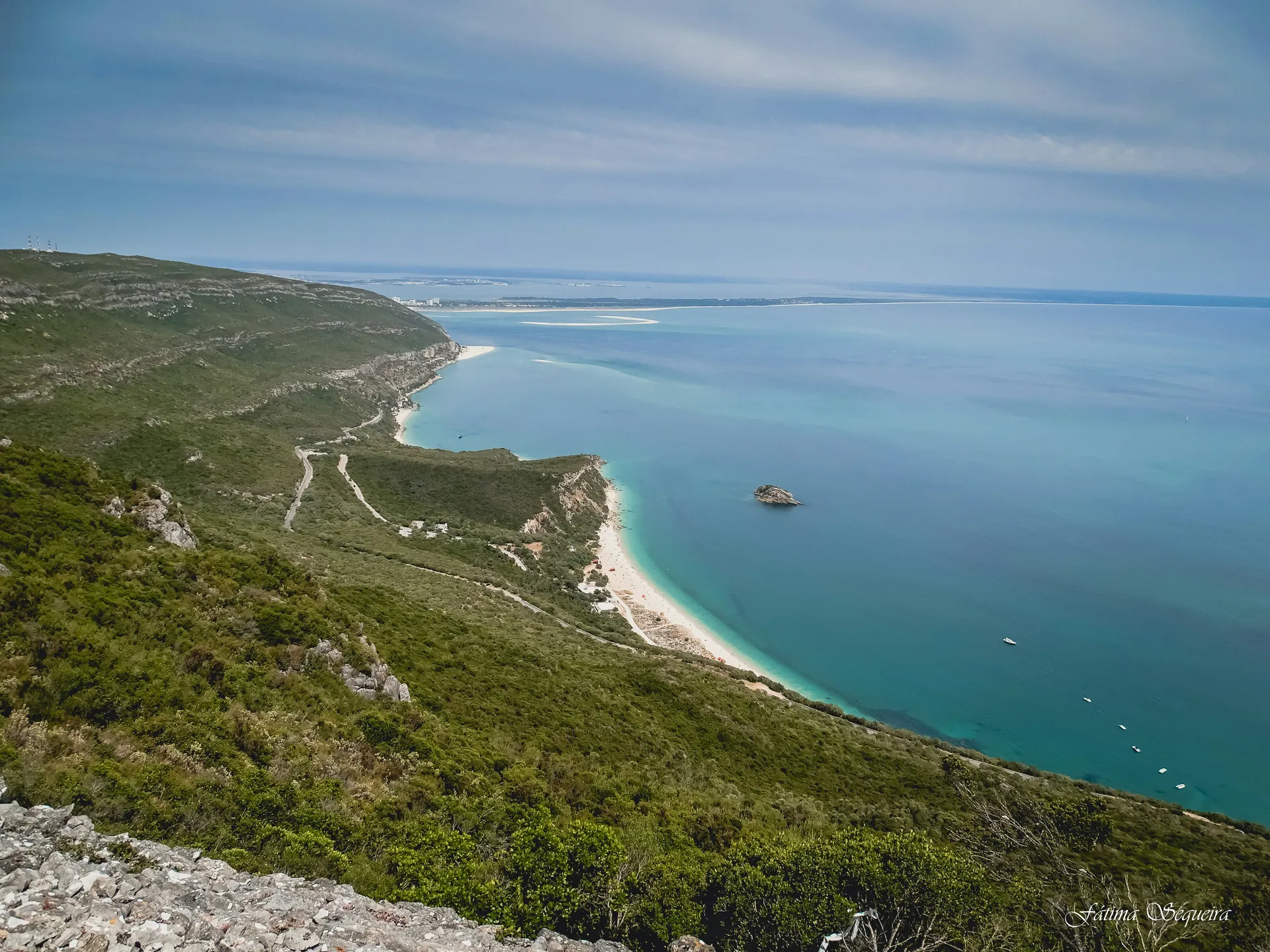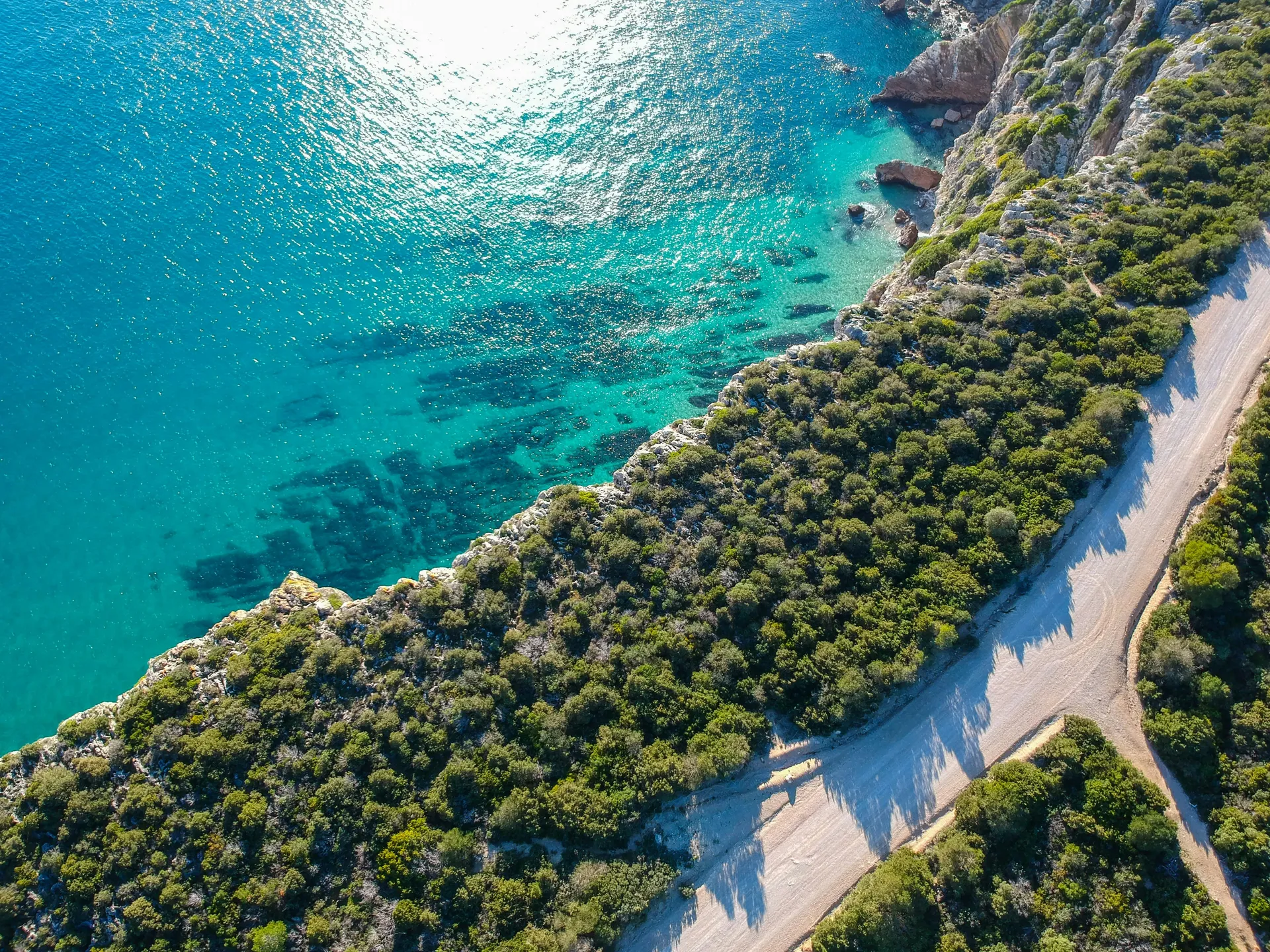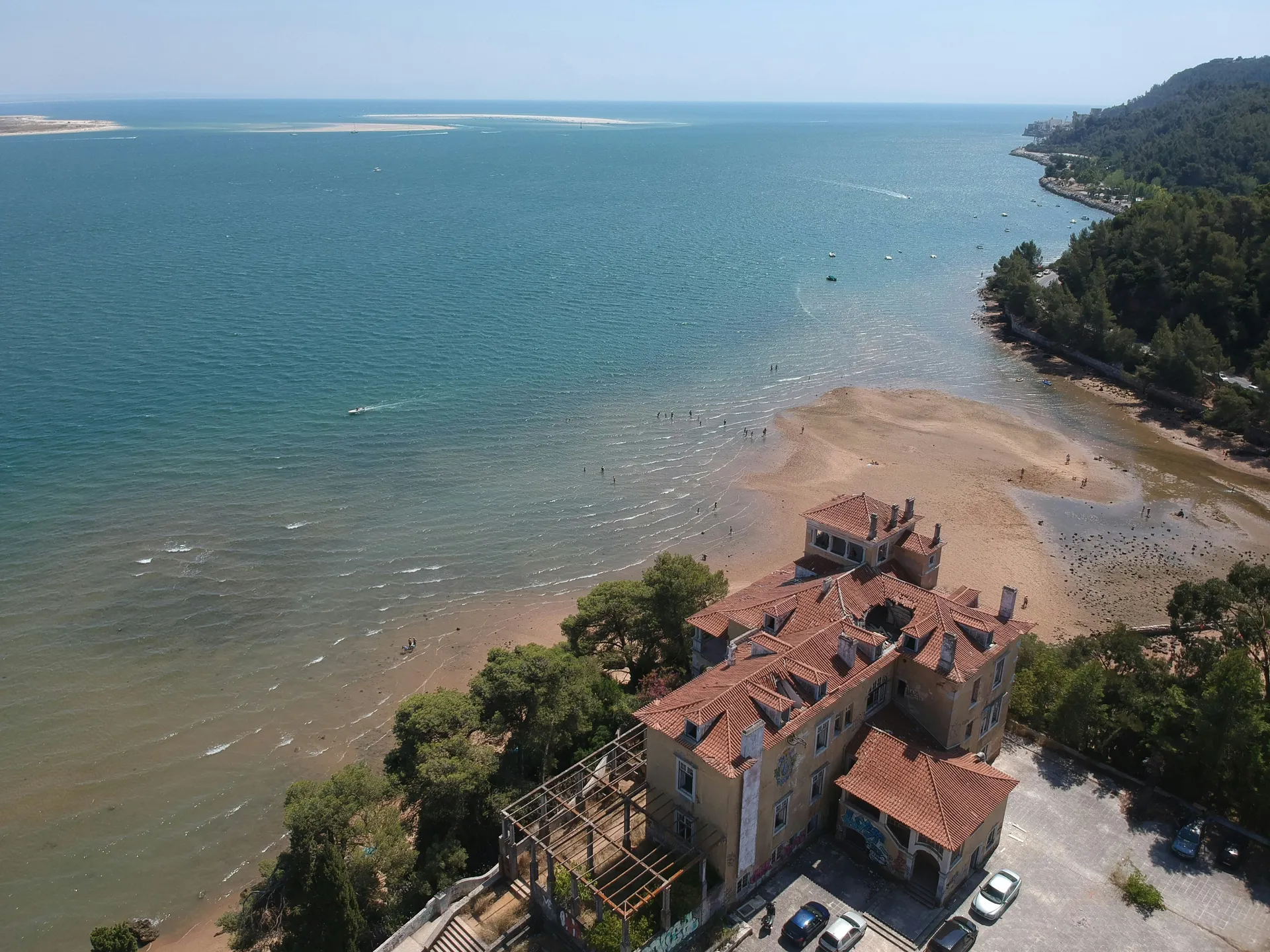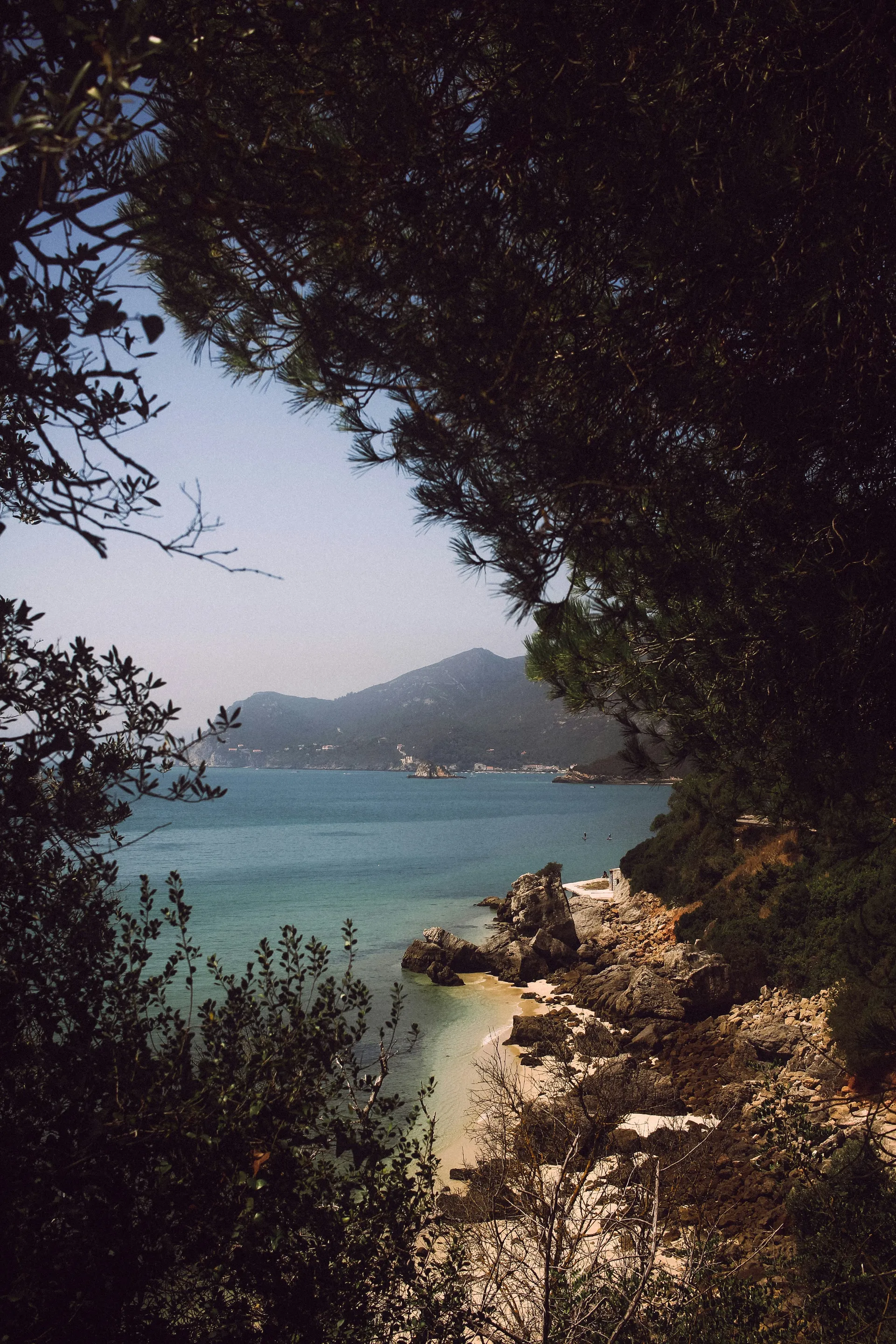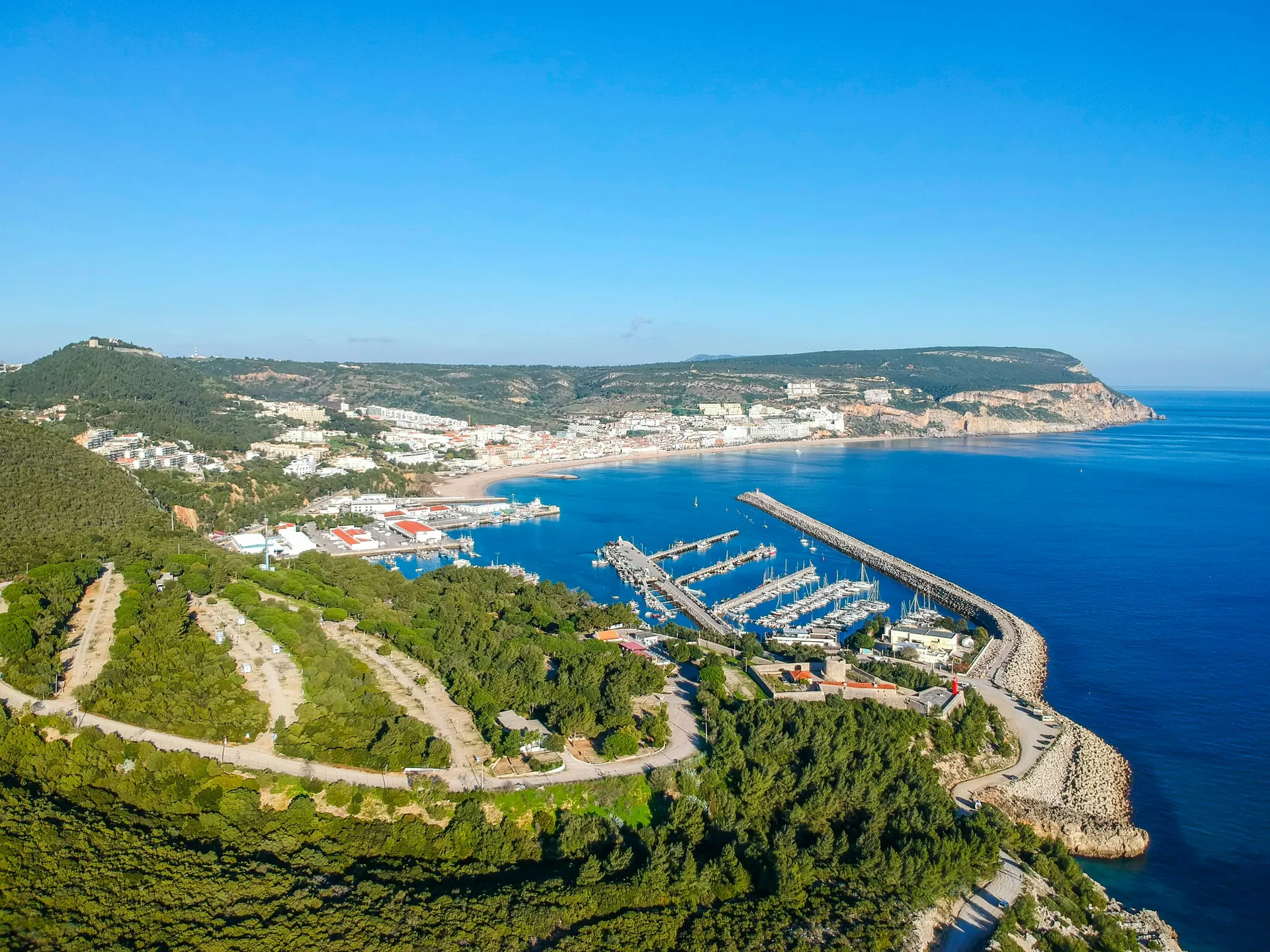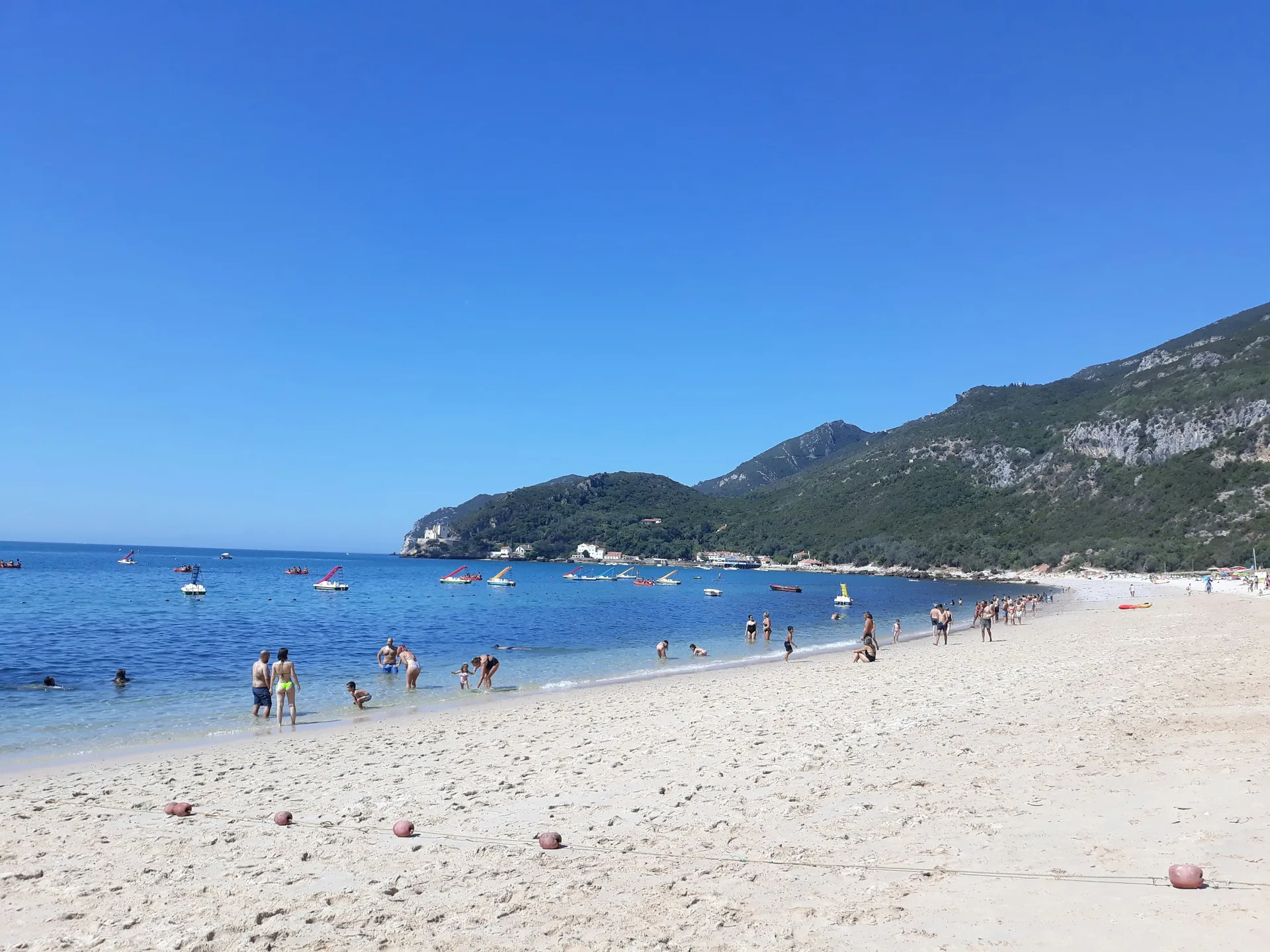
Setúbal sits at the mouth of the Sado River estuary, approximately forty kilometers south of Lisbon, a working port city of 120,000 that has been overshadowed by its famous neighbor but rewards visitors with a combination of seafood, natural beauty, and historical depth that the capital, for all its magnificence, cannot match. The city faces the Arrábida Natural Park — a limestone mountain chain that drops into the Atlantic in cliffs of white and ochre, sheltering some of the finest beaches in Portugal — and the Sado Estuary, a vast wetland system that supports a resident population of bottlenose dolphins (one of only two such populations in Portugal) and provides crucial habitat for over 200 bird species.
The character of Setúbal is unashamedly maritime. The fishing harbor, one of the busiest in Portugal, is the economic and emotional heart of the city — trawlers unloading sardines, sole, and cuttlefish at dawn, the auction hall (lota) conducting rapid-fire sales, and the dockside restaurants transforming the morning catch into the afternoon meal. The old town, a compact grid of streets between the harbor and the Praça de Bocage (named for the city's most famous son, the eighteenth-century poet Manuel Maria Barbosa du Bocage), preserves several notable churches — the Igreja de Jesus, designed by the great architect Diogo Boitac in 1494, is considered one of the earliest examples of the Manueline style that would define Portuguese architecture for the next century, its twisted stone columns anticipating the exuberance of the Jerónimos Monastery in Lisbon.
The cuisine of Setúbal is Portugal's seafood culture at its most authentic and least touristified. Choco frito — fried cuttlefish, crispy and tender, served with rice and salad — is the city's signature dish, consumed at virtually every restaurant in quantities that suggest a municipal obsession. The sardines, grilled whole over charcoal during the summer months (sardines are at their fattest and most flavorful from June to October), are among the finest in Portugal — a country where the grilled sardine is elevated to something approaching a national sacrament. The Moscatel de Setúbal, a fortified dessert wine produced from Muscat grapes grown on the slopes of the Arrábida, has been celebrated since the fourteenth century — its honeyed sweetness and complex orange-blossom aromatics making it one of the great dessert wines of the world.
The natural surroundings of Setúbal are extraordinary. The Arrábida Natural Park, just west of the city, preserves Mediterranean vegetation on the northern slopes of the Serra da Arrábida, while the southern face plunges to the sea above beaches — Praia de Galapinhos, Praia da Figueirinha, Praia de Portinho da Arrábida — that consistently rank among the finest in Europe. The water, sheltered by the headland from Atlantic swells, achieves a Mediterranean clarity and warmth unusual on the Portuguese coast. The Sado Estuary, south of the city, supports a population of approximately thirty bottlenose dolphins that can be observed from boat tours — the dolphins' proximity to a major city (they are often visible from the Tróia ferry) makes them one of the most accessible cetacean populations in Europe.
Setúbal is forty minutes from Lisbon by car or train and serves as the departure point for ferries to the Tróia Peninsula (a fifteen-minute crossing to a slender sand spit with beaches that rival anything in the Algarve). Cruise ships dock at the commercial port, within walking distance of the old town. The best months are May through October, with summer (June–September) offering the finest beach weather and the sardine season. The Moscatel harvest in September–October provides an atmospheric wine-country experience. Setúbal is best experienced as a base for two or three days, combining the city's seafood culture with beach days at Arrábida, dolphin watching in the estuary, and the pleasures of a Portuguese city that lives for itself rather than for its visitors.