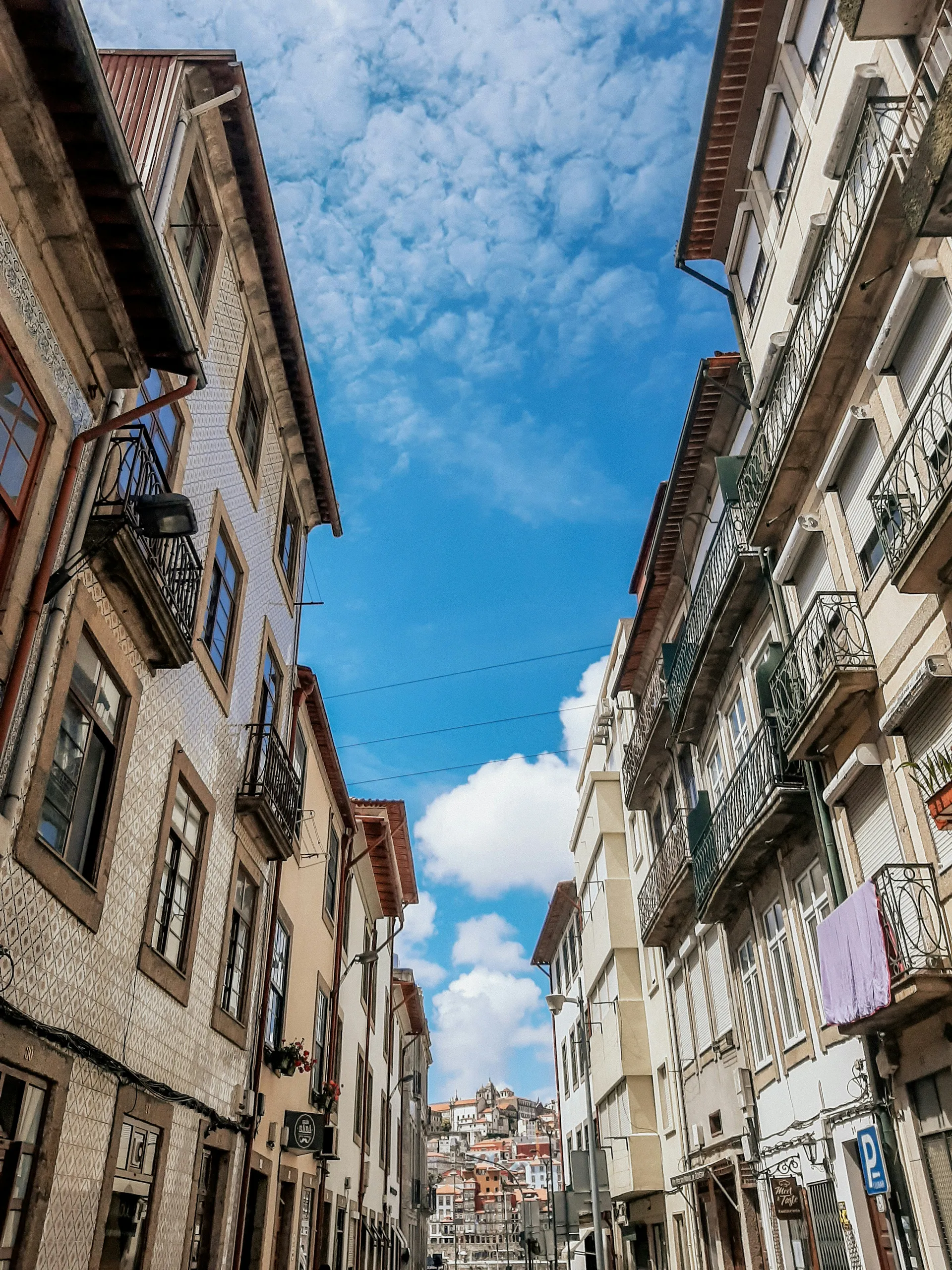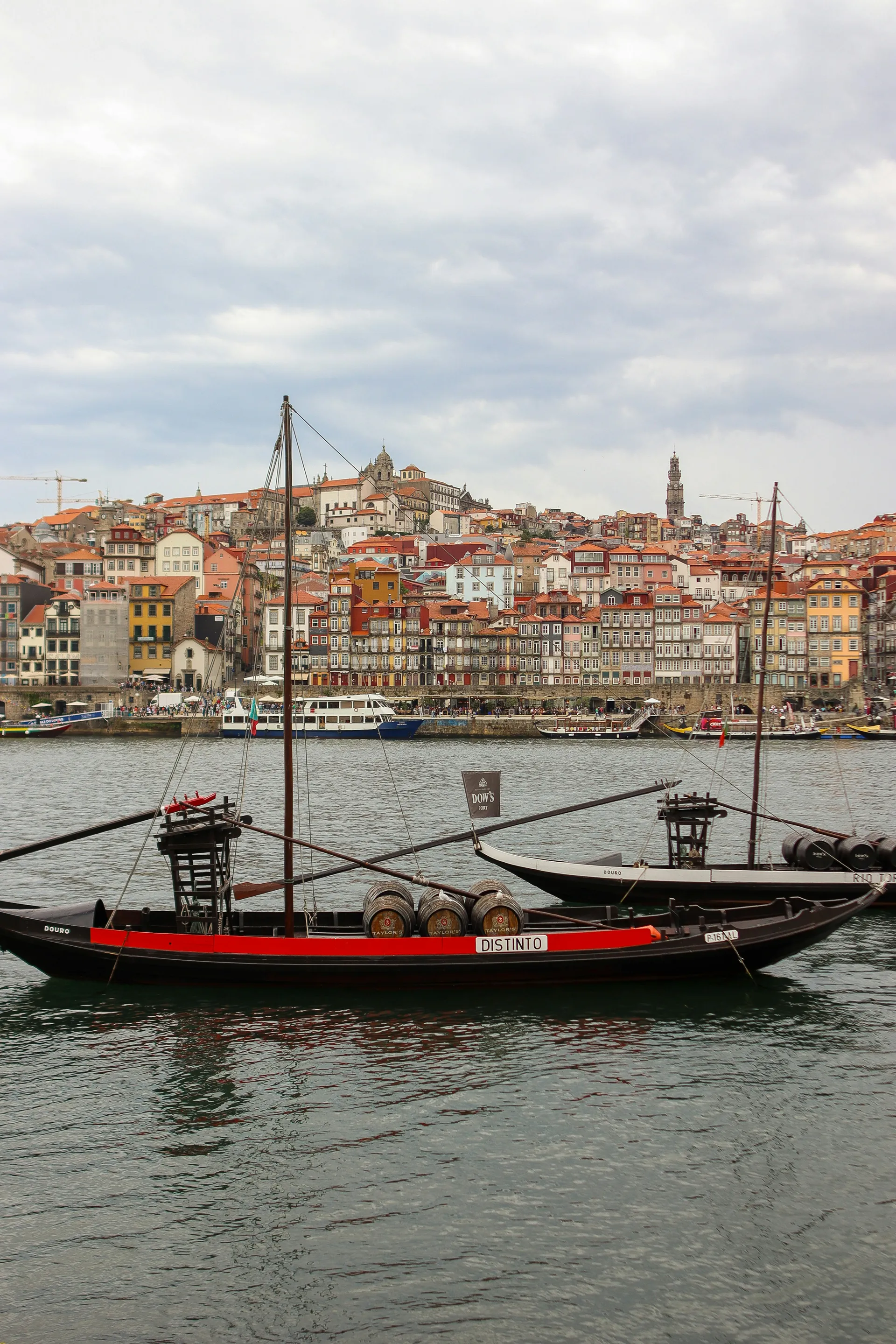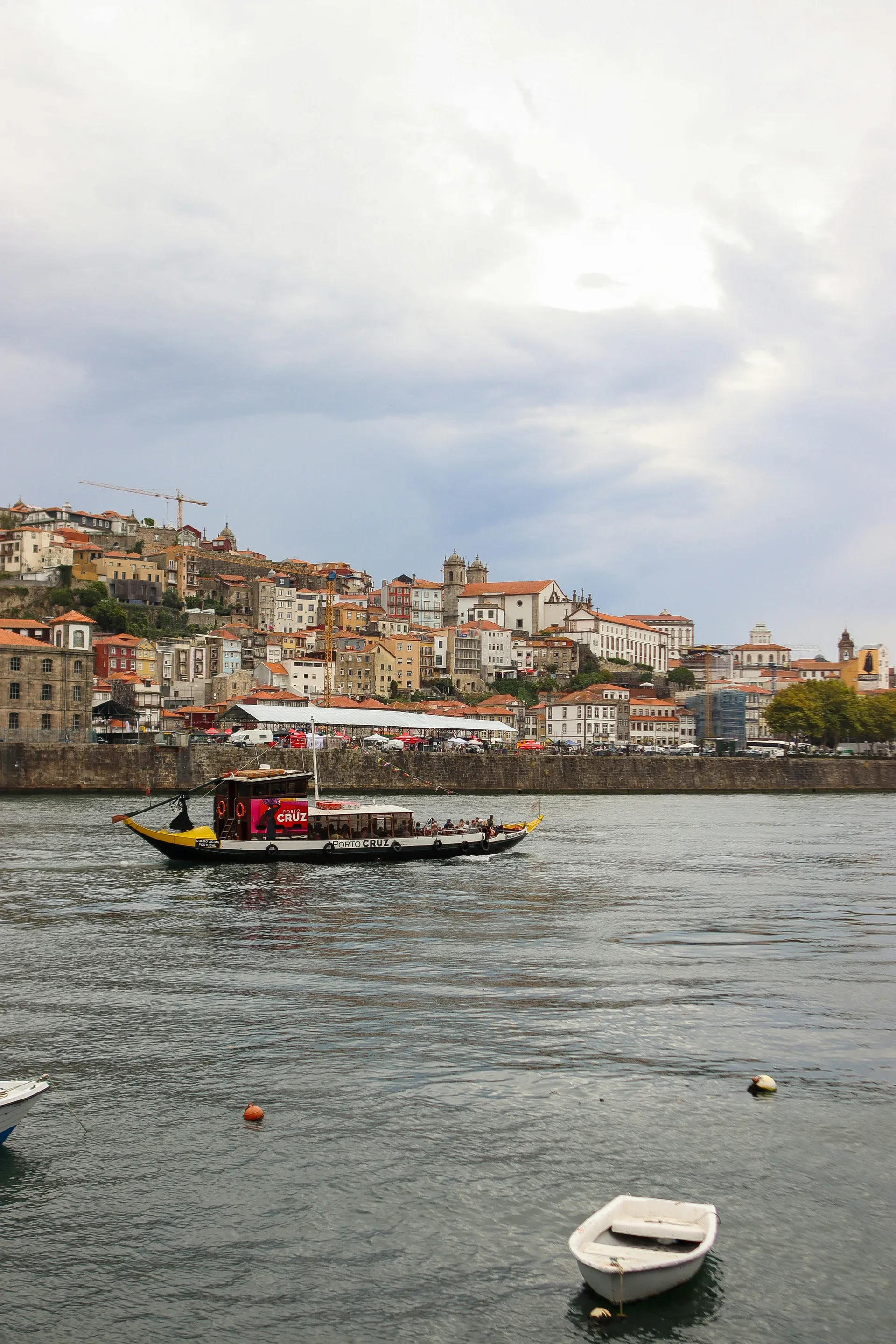
Vila Nova de Gaia faces Porto across the Douro River, and while it is technically a separate city (with a population of 300,000 that exceeds Porto's), its identity is inseparable from the port wine lodges that line its riverfront like a row of enormous, dark-timbered warehouses. For over three centuries, the wine produced in the steep, schist-terraced vineyards of the Douro Valley has been brought downriver to Gaia for aging, blending, and shipping — and the names painted in white on the lodge rooftops read like a roll call of the port wine trade: Taylor's, Graham's, Sandeman, Croft, Dow's, Ramos Pinto. To visit these lodges is to enter a world where time is measured in decades rather than minutes, where barrels of tawny port age in cool, dark cellars for twenty, thirty, or forty years, and where the final product achieves a complexity that justifies every year of patience.
The riverfront promenade of Vila Nova de Gaia — the Cais de Gaia — has been transformed in recent years from a working wharf into one of Portugal's most attractive waterfront developments. The rabelo boats that once transported port wine barrels from the Douro Valley now serve as decorative elements and occasional regatta contestants, their flat bottoms and single square sails picturesque reminders of the river commerce that built both cities. The views from the Gaia side are among the most photographed in Portugal: the Ribeira district of Porto rising in a tumble of terracotta roofs, church towers, and blue-tiled facades across the river, connected by the Dom Luís I Bridge — a wrought-iron double-decker designed by a student of Gustave Eiffel that has become the symbol of both cities.
The port wine experience in Gaia ranges from introductory tastings at the larger lodges (Taylor's, Graham's, and Sandeman offer excellent tours in multiple languages) to intimate vertical tastings at smaller, family-owned houses where the wines span decades and the stories span centuries. The distinction between ruby and tawny, between vintage and late-bottled vintage, between colheita and vintage-dated — these categories, bewildering to the uninitiated, become clear and fascinating when explained by a knowledgeable guide in the cool, barrel-lined cellar where the wines were aged. Taylor's lodge, set on the hilltop above the river, combines a superb tasting experience with panoramic terrace views, while Graham's has transformed its upper floors into a fine-dining restaurant (Vinum) that pairs contemporary Portuguese cuisine with the lodge's own wines.
The culinary scene in Gaia extends well beyond port wine. The city shares with Porto one of Portugal's most robust and satisfying food cultures — the francesinha (a towering sandwich of cured meats, fresh sausage, steak, and melted cheese, smothered in a spicy beer-and-tomato sauce), the bacalhau (salt cod, prepared in over 365 ways according to Portuguese tradition), and the tripas à moda do Porto (tripe stew) that earned Porto residents the nickname "tripeiros." The Mercado Beira-Rio, Gaia's riverfront market, offers fresh produce, cheese, and charcutaria alongside casual eating options. The nearby seafood restaurants of Afurada, a traditional fishing village on the Douro's southern bank, serve grilled fish of exceptional quality at prices that reflect the village's working-class character.
Vila Nova de Gaia is connected to Porto by the Dom Luís I Bridge (walkable across either level), by metro, and by river taxi. Cruise ships arriving in Porto dock at the Leixões cruise terminal in Matosinhos, approximately fifteen minutes from Gaia by car or public transport. The port wine lodges are open year-round, with the harvest season (September–October) providing the most atmospheric backdrop — the grape-laden trucks arriving from the Douro, the new vintage fermenting in the lodges, and the annual celebrations that mark the conclusion of another year's production. Porto and Gaia share the same mild Atlantic climate — warm summers (25°C), mild winters (10°C), and frequent rain that justifies the umbrella Porto residents carry with the same automatic reflex as their keys.