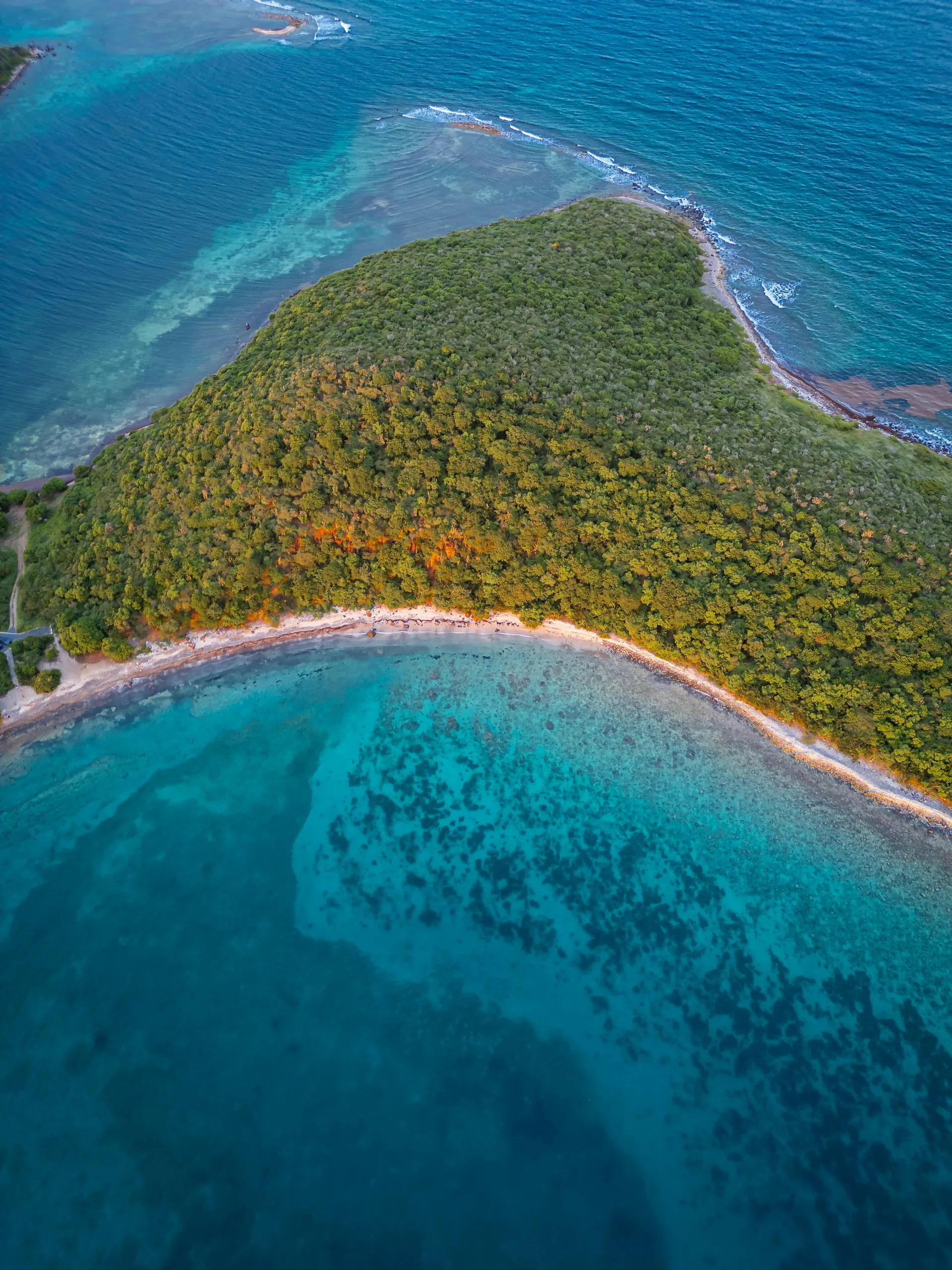
Culebra is Puerto Rico's quiet masterpiece — a small island seventeen miles east of the main island whose Flamenco Beach has been ranked the world's best beach so often that the distinction has become routine. This island municipality of fewer than two thousand permanent residents operates at a pace and scale that the rest of the Caribbean has largely forgotten.
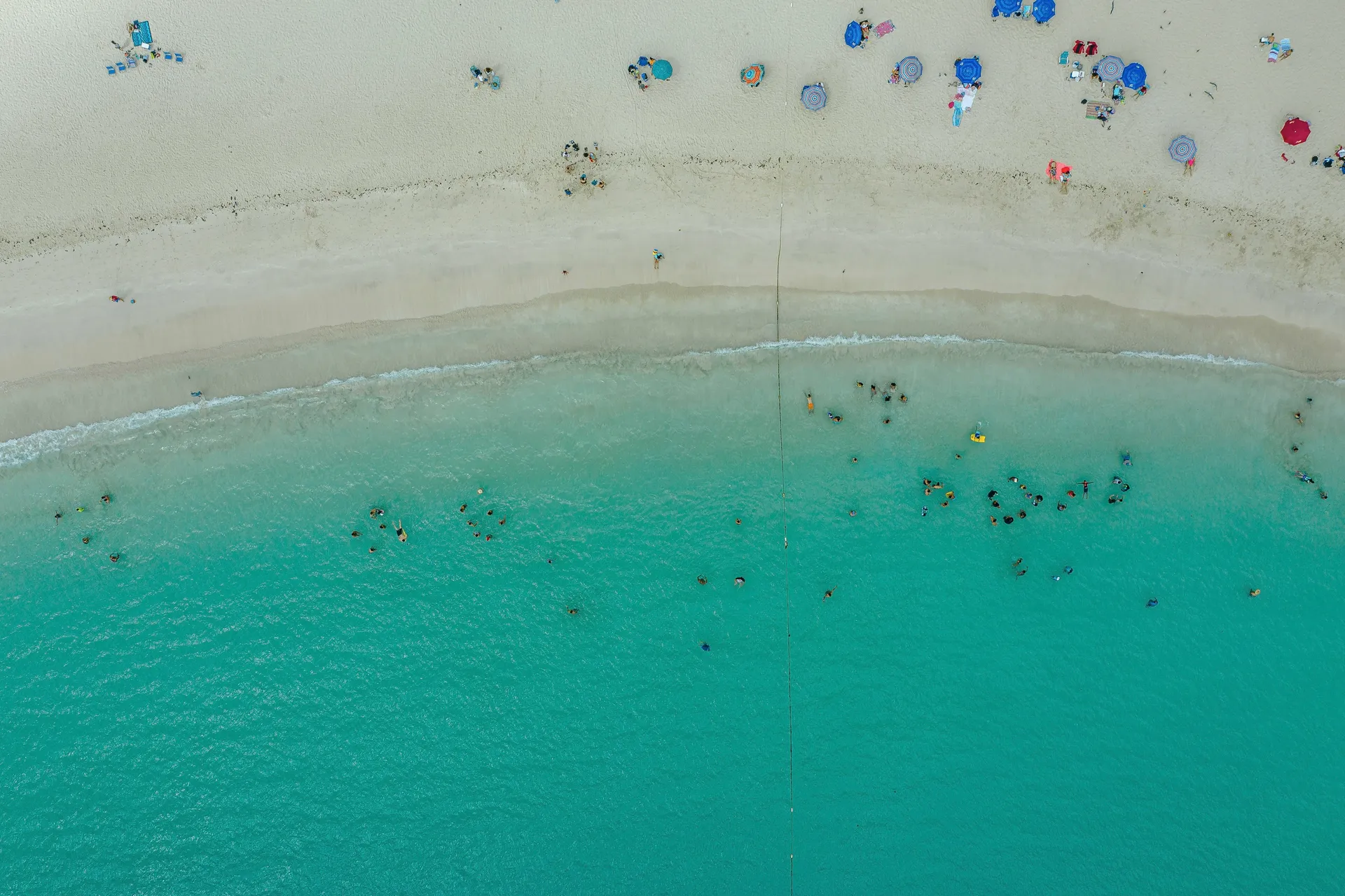
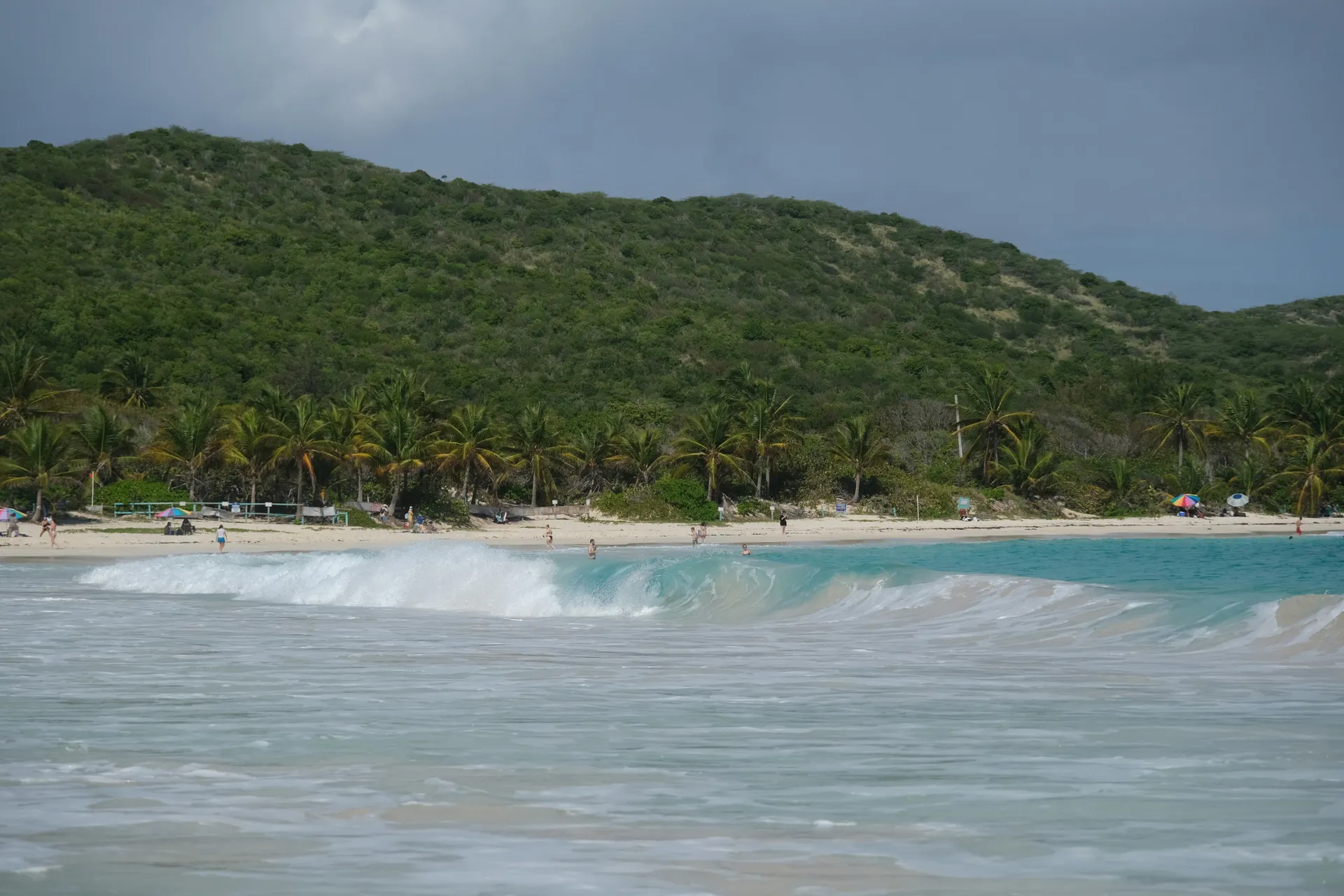
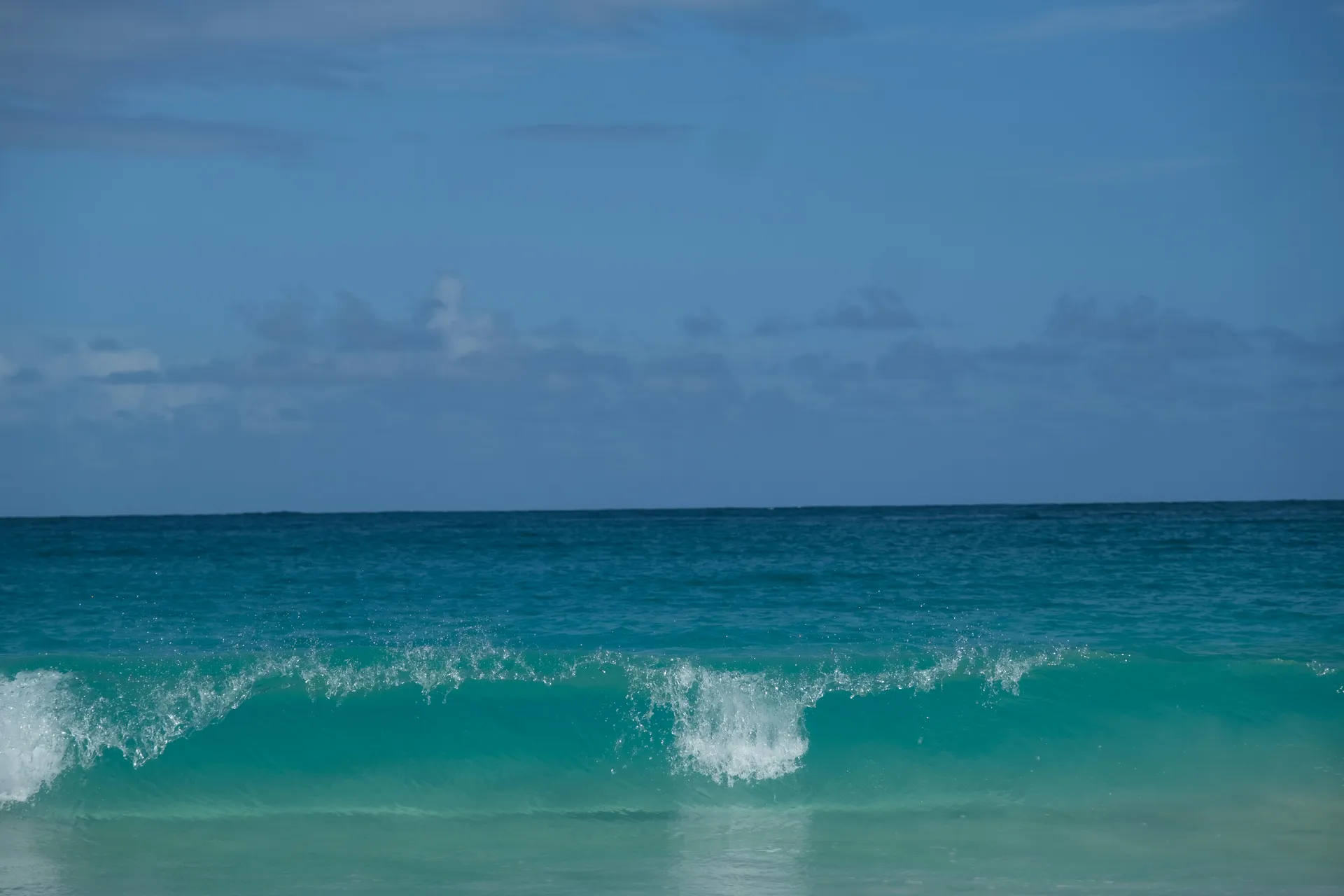
Flamenco Beach occupies a horseshoe-shaped bay on Culebra's north coast — a mile of white sand so fine and water so impossibly clear that the beach appears digitally enhanced in every photograph. The rusting hulk of a military tank, left from Culebra's former life as a U.S. Navy bombing range, sits on the beach as a surreal reminder of the island's unlikely history. The beach's coral reef provides snorkeling of exceptional quality just steps from shore.
Culebra's identity was shaped by decades of military use — the Navy occupied much of the island from 1901 to 1975, using it for target practice. The community's successful campaign to end the bombing constitutes one of the most significant civil rights victories in Puerto Rican history. Today, the former military lands are a National Wildlife Refuge protecting nesting sites for sea turtles, seabird colonies, and the coral reefs that have recovered remarkably since the bombardment ceased.
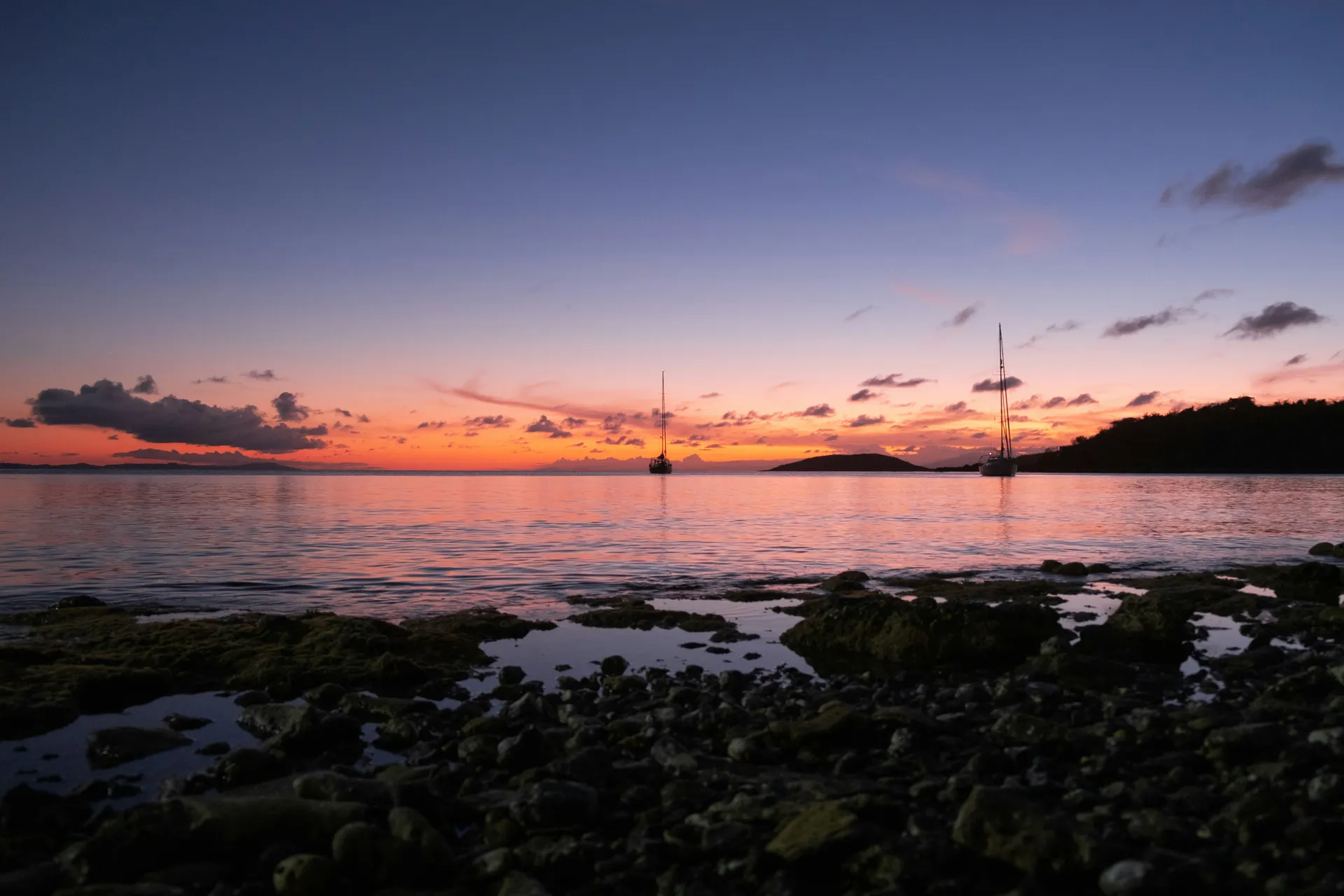
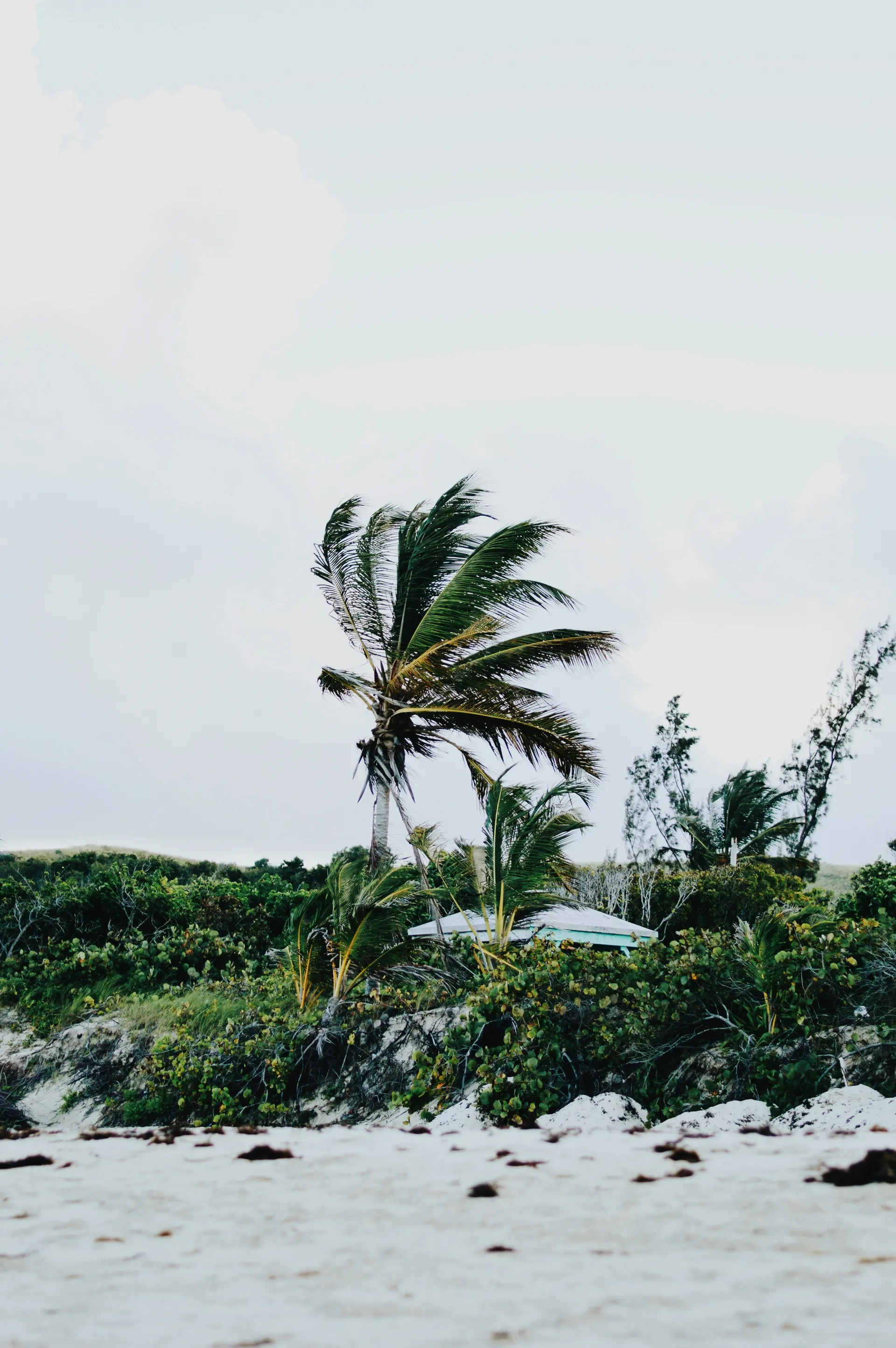
Costa Cruises and Emerald Yacht Cruises include Culebra on Caribbean itineraries, with the island's intimate harbor at Dewey providing anchorage for smaller vessels. The lack of large-scale development — no chain hotels, no casinos, no traffic lights — ensures that Culebra's appeal remains its simplicity: perfect beaches, warm water, and the particular tranquility of an island that has nothing to prove.
December through April provides the driest conditions, though Culebra's trade-wind moderation makes it comfortable year-round. Culebra is the Caribbean's most compelling argument that paradise requires nothing more than clean sand, clear water, and the wisdom to leave well enough alone.