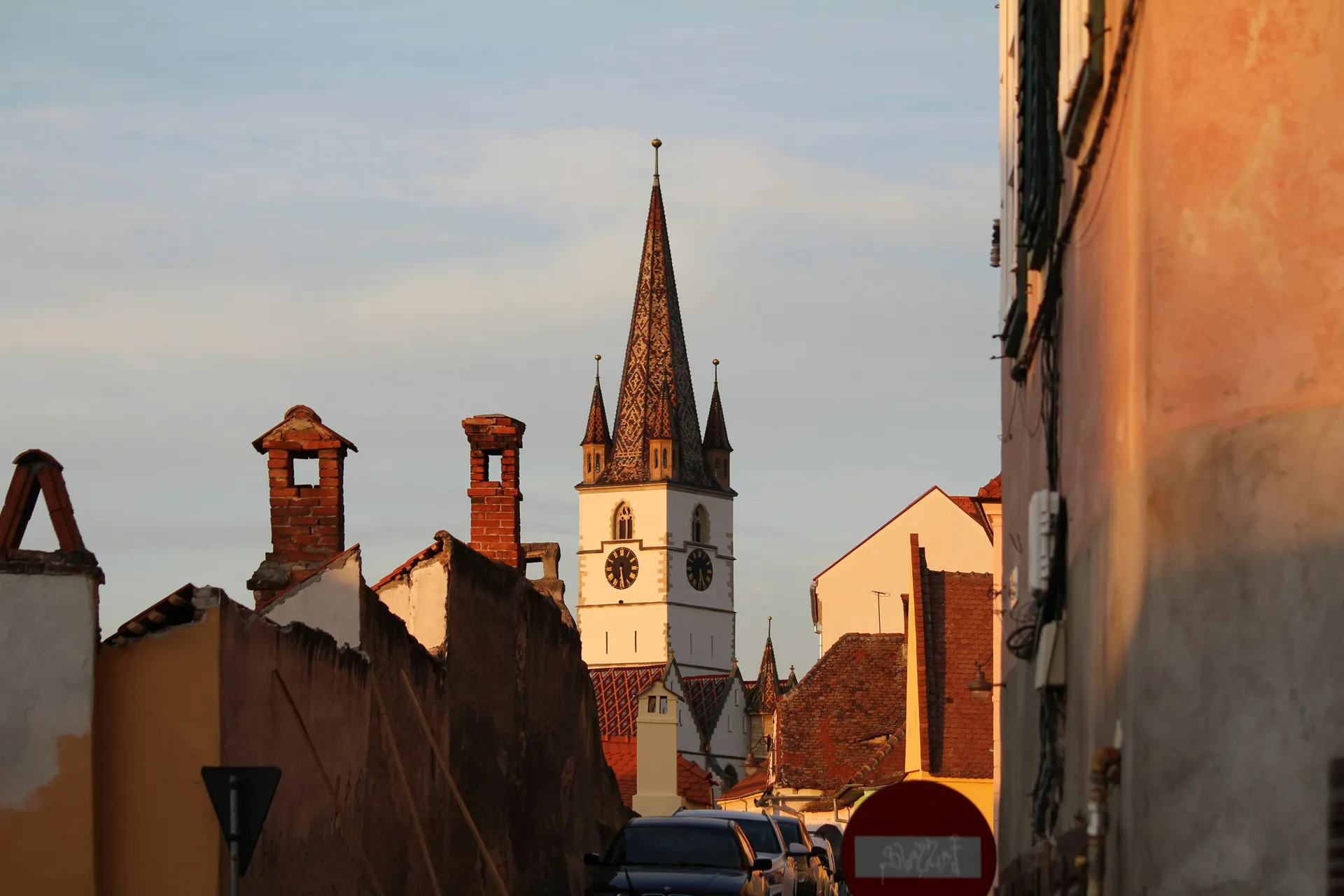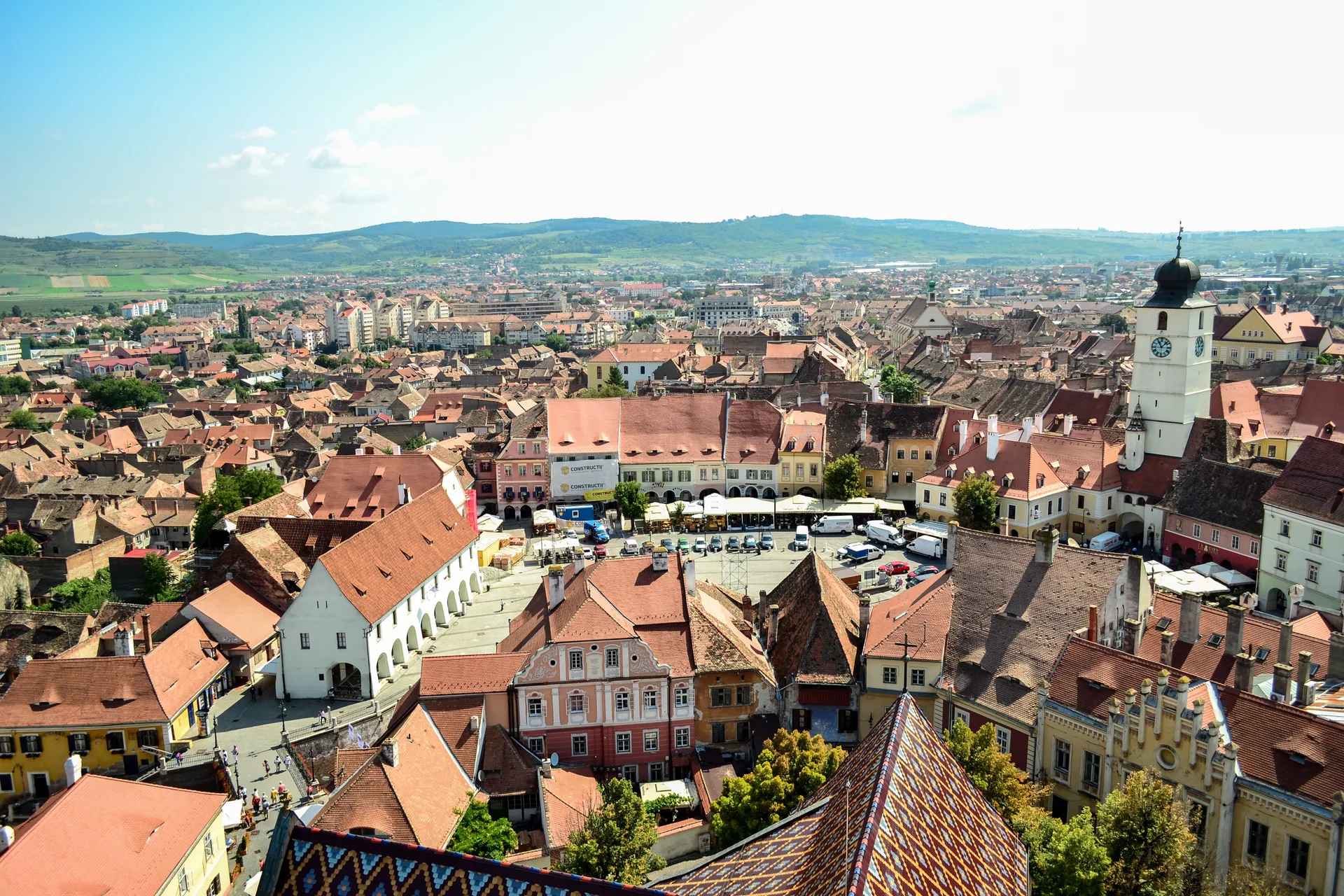
Sibiu sits on a plateau in the heart of Transylvania, one of Romania's most beautifully preserved medieval cities and a place where the Germanic, Romanian, and Hungarian cultural threads of this complex region are woven into a cityscape of extraordinary quality. Founded in the twelfth century by Saxon settlers invited by the Hungarian king to colonize and defend the Transylvanian frontier, Sibiu (Hermannstadt in German) grew into one of the most important cities in southeastern Europe — a fortified trading center whose merchants, guilds, and civic institutions created an urban culture of remarkable sophistication. The city's three concentric rings of fortifications, its Gothic and Baroque churches, and its merchant houses with their distinctive "roof eyes" (dormer windows that seem to peer down at the streets like watchful sentinels) create a cityscape that has earned Sibiu recognition as a European Capital of Culture (2007) and a favorite among travelers seeking authentic Central European heritage.
The Piața Mare (Grand Square) is one of the finest medieval squares in Europe — a vast, elegant space surrounded by Baroque palaces, the Brukenthal National Museum (the first public museum in Southeast Europe, opened in 1817), and the Catholic and Evangelical churches that testify to the city's multi-confessional history. The Piața Mică (Small Square), connected to the Grand Square by passages and staircases, harbors the Council Tower (which offers panoramic views), the Liar's Bridge (traditionally the place where perjurers and unfaithful lovers met), and the entrance to the medieval Lower Town that descends to the Cibin River. The Evangelical Cathedral, with its 73-meter tower and its collection of Oriental carpets donated by Saxon merchants (the finest collection of Anatolian carpets in any European church), anchors the city's skyline.
The cuisine of Sibiu — and Transylvania more broadly — reflects the region's multicultural heritage. Saxon, Romanian, and Hungarian culinary traditions coexist and intermingle: sarmale (cabbage rolls stuffed with pork, rice, and dill), mici (grilled skinless sausages of extraordinary addictiveness), and ciorbă (sour soups flavored with lovage or sauerkraut juice) represent the Romanian repertoire, while kürtőskalács (chimney cake, a sweet dough wrapped around a cylinder and roasted over coals) and gulyás (goulash) reflect the Hungarian influence. The Saxon contribution includes strudel, sausages, and the robust bread-baking tradition that is visible in the bakeries of the old town. Sibiu's surrounding region produces excellent wines — Jidvei and Târnave are the nearest wine regions — and the local craft beer scene has flourished in recent years.
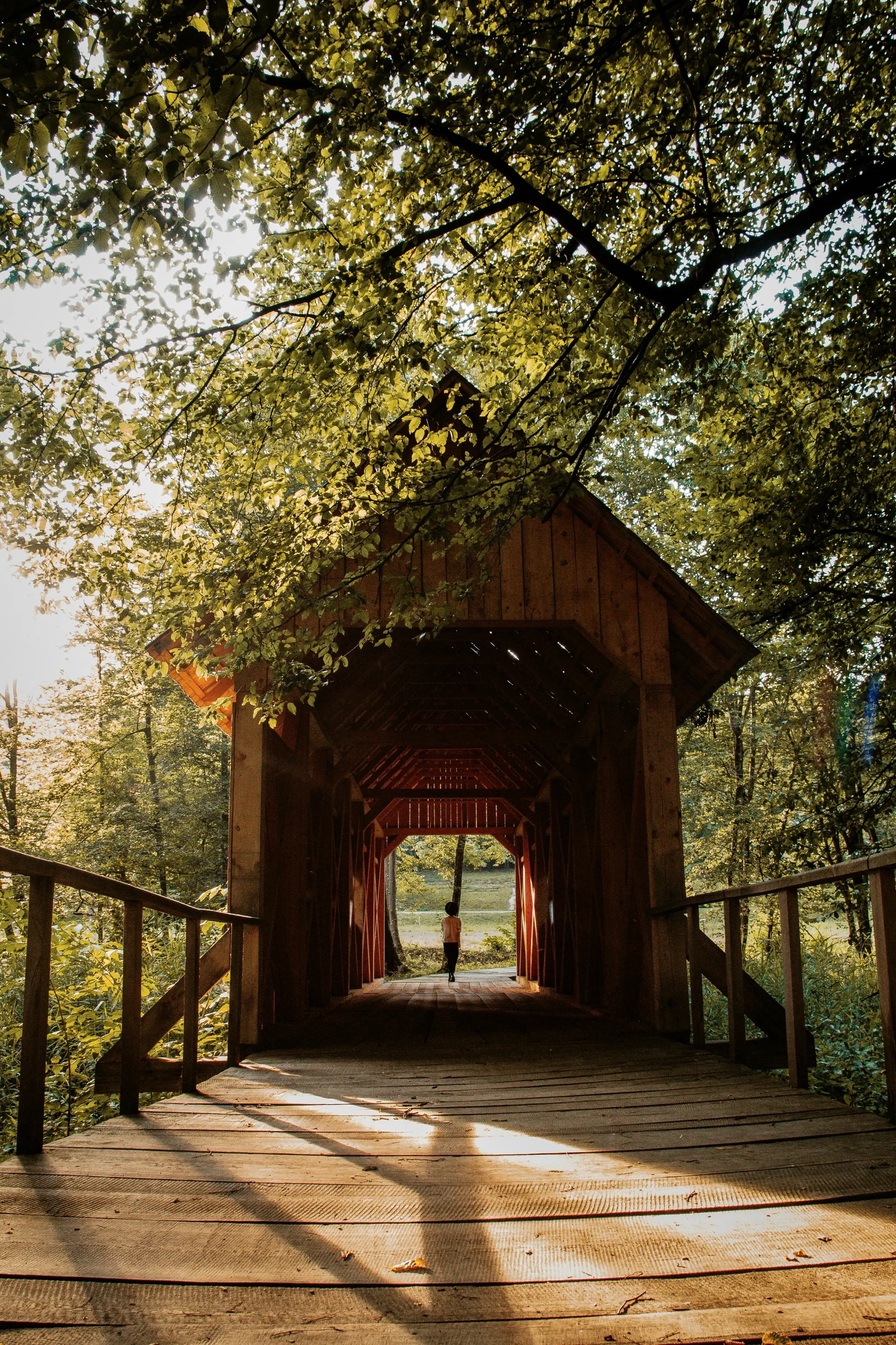
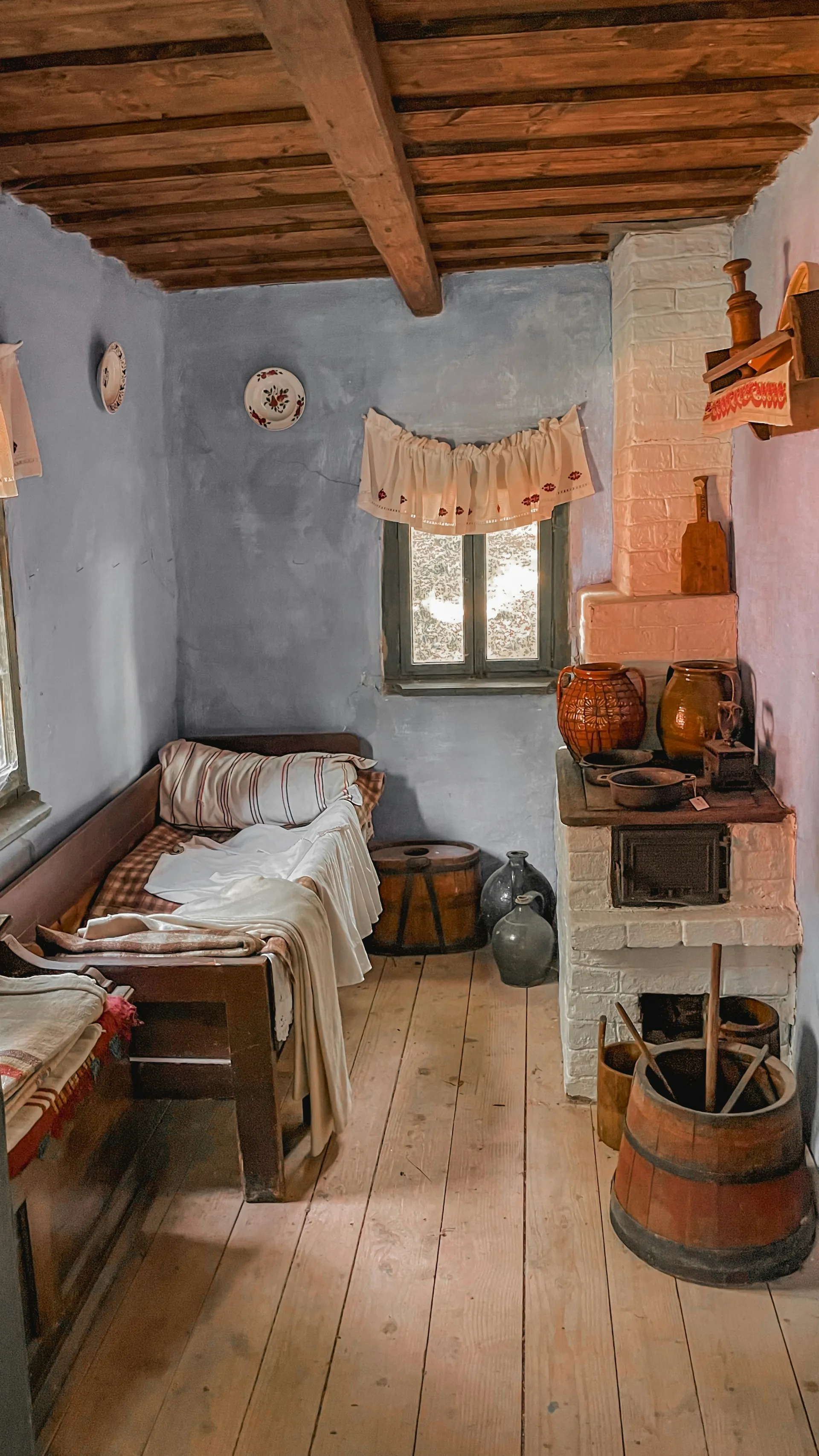
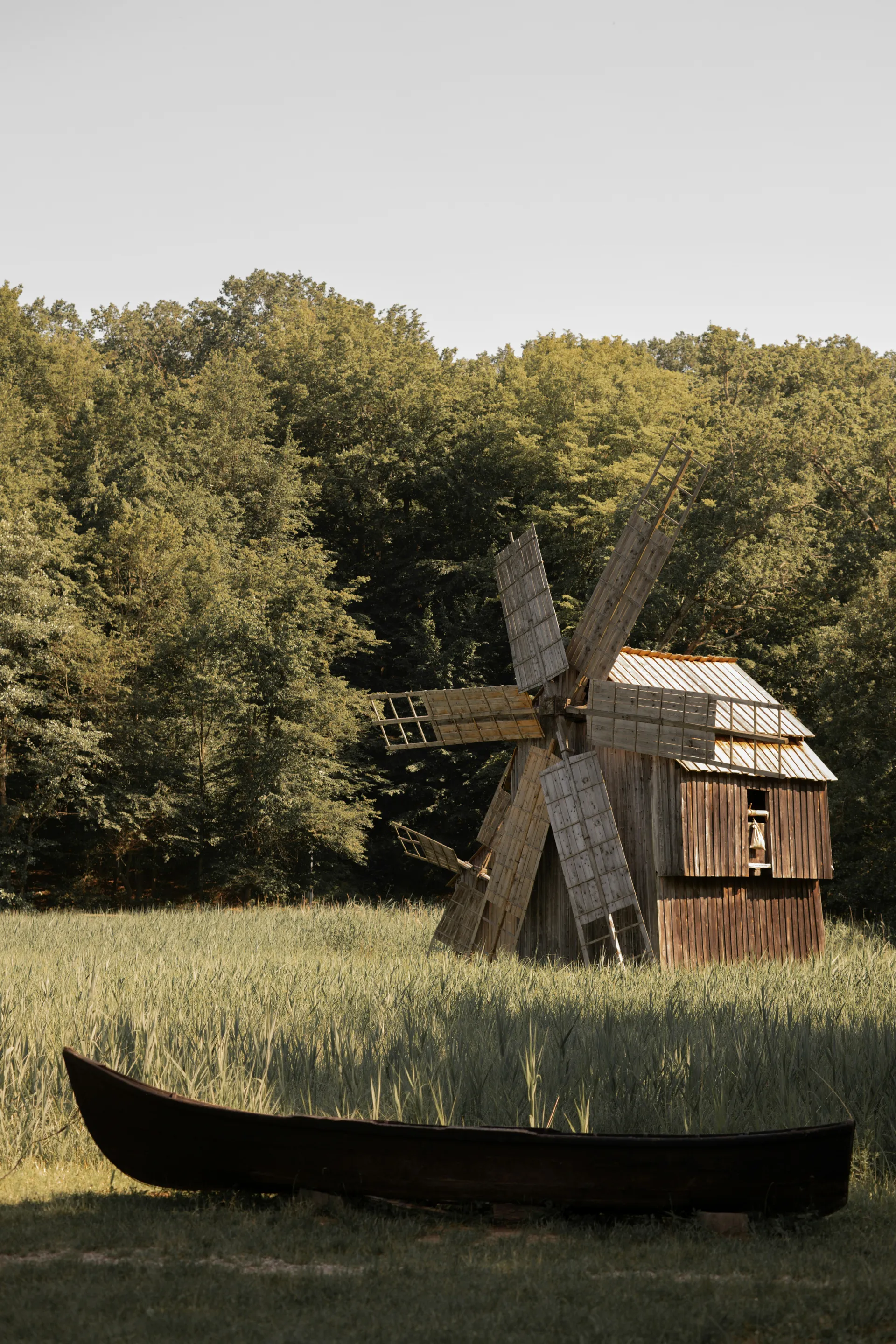
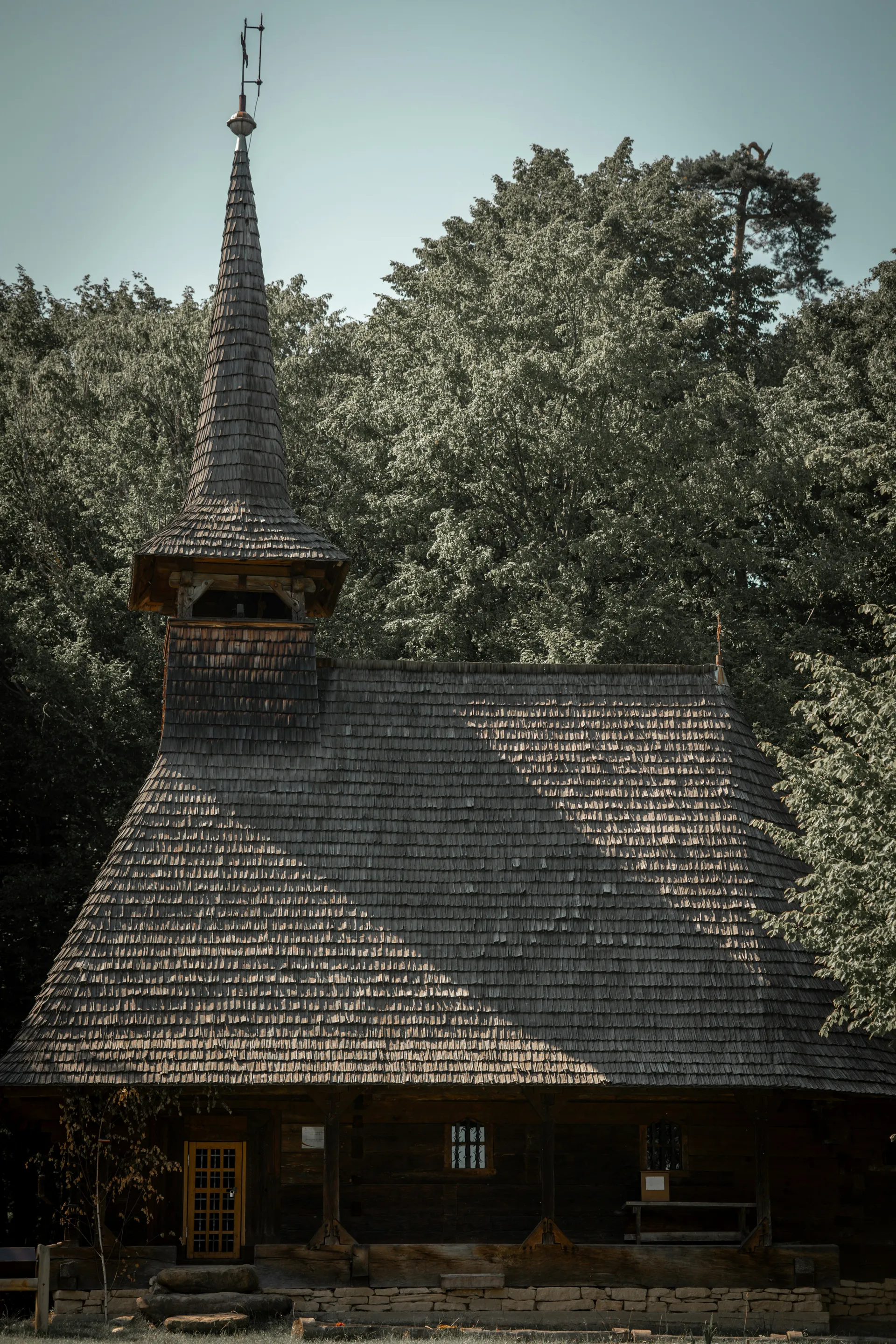
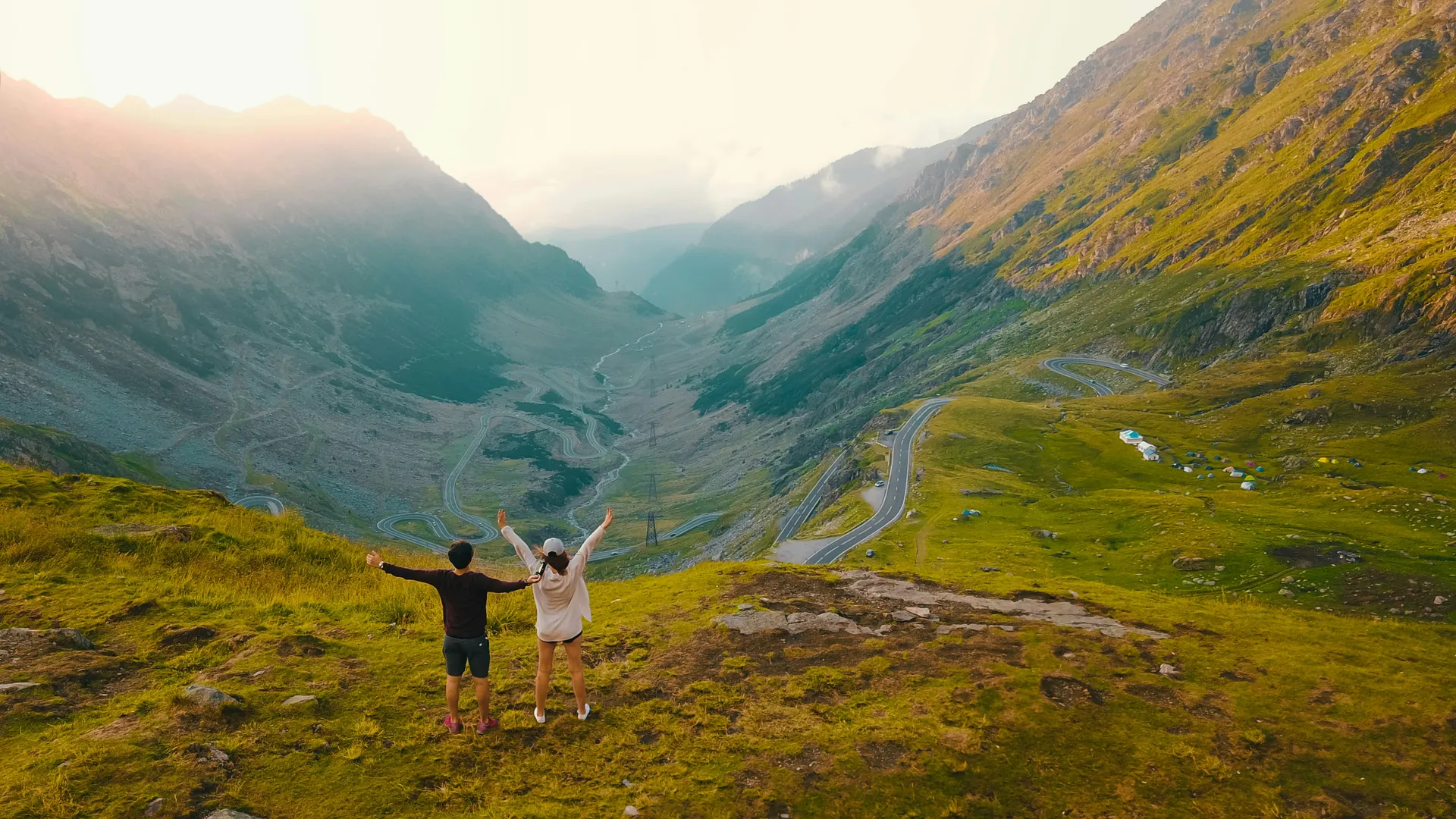
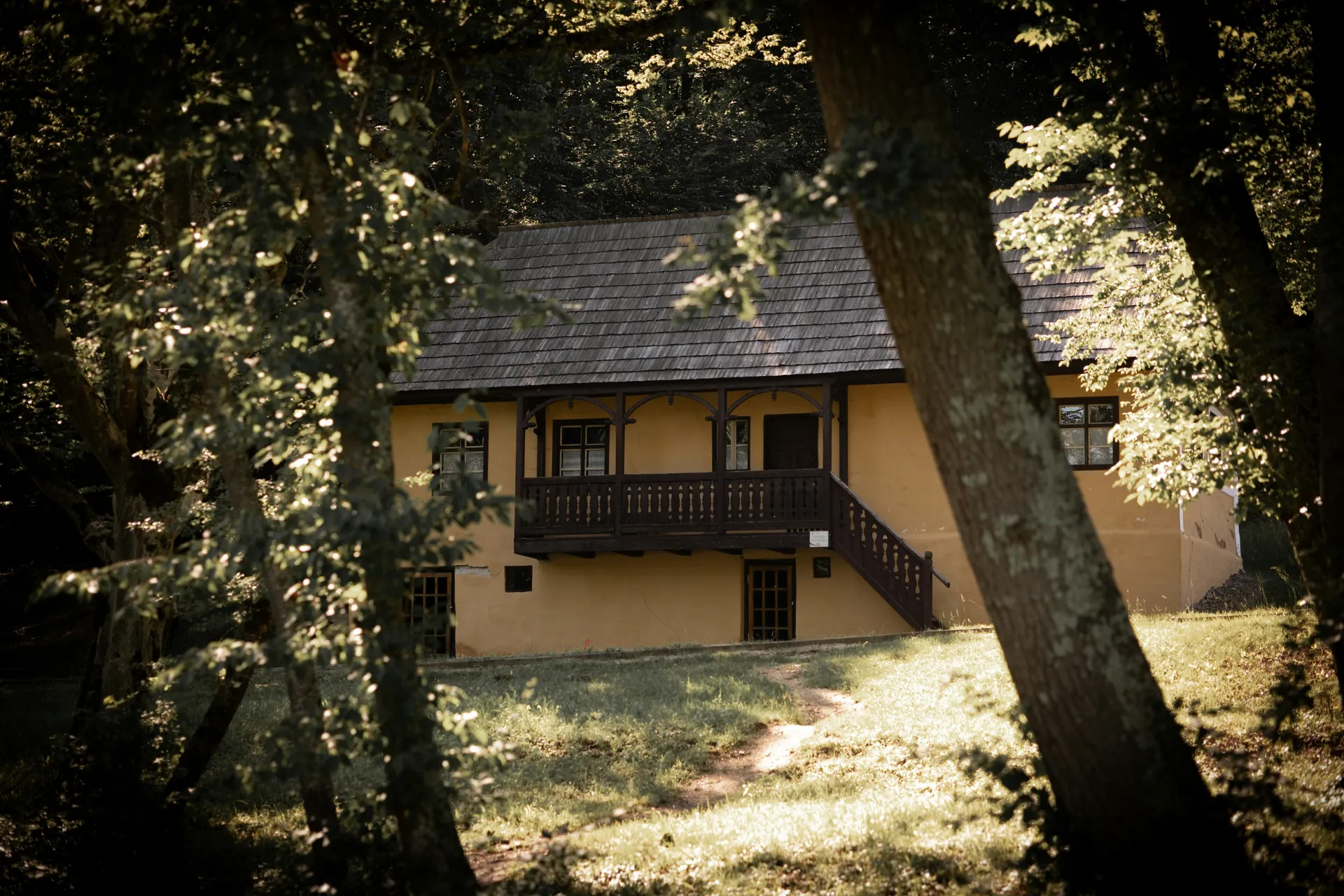
The surrounding Transylvanian landscape offers excursions of considerable interest. The fortified Saxon churches — of which there are over 150 in Transylvania, seven UNESCO-listed — dot the countryside, their massive walls and defensive towers reflecting the frontier conditions under which they were built. Biertan, Viscri (where Prince Charles maintains a guesthouse), and Cisnădie provide the most accessible examples. The Făgăraș Mountains, visible from Sibiu on clear days, offer hiking and skiing of genuine quality, with the Transfăgărășan Highway — the dramatic alpine road that crosses the range via a series of tunnels and switchbacks — providing one of Europe's most spectacular drives. The ASTRA Museum of Traditional Folk Civilization, on the outskirts of Sibiu, is the largest open-air museum in Romania and one of the finest in Europe, with over 300 traditional buildings relocated from across the country.
Sibiu is served by Sibiu International Airport with connections to several European cities, and by road and rail from Bucharest (approximately four and a half hours). River cruise passengers on the Danube may include Transylvania as an overland excursion from ports like Giurgiu or Turnu Severin. The city is compact and walkable. The best visiting months are May through October, with summer (June–August) offering the warmest weather and the Sibiu International Theatre Festival (June) adding a cultural dimension. December brings a Christmas market of genuine charm in the Grand Square — one of Romania's finest, rivaling the markets of Vienna and Prague in atmosphere if not in scale.