Mayreau: The Caribbean's Best-Kept Secret
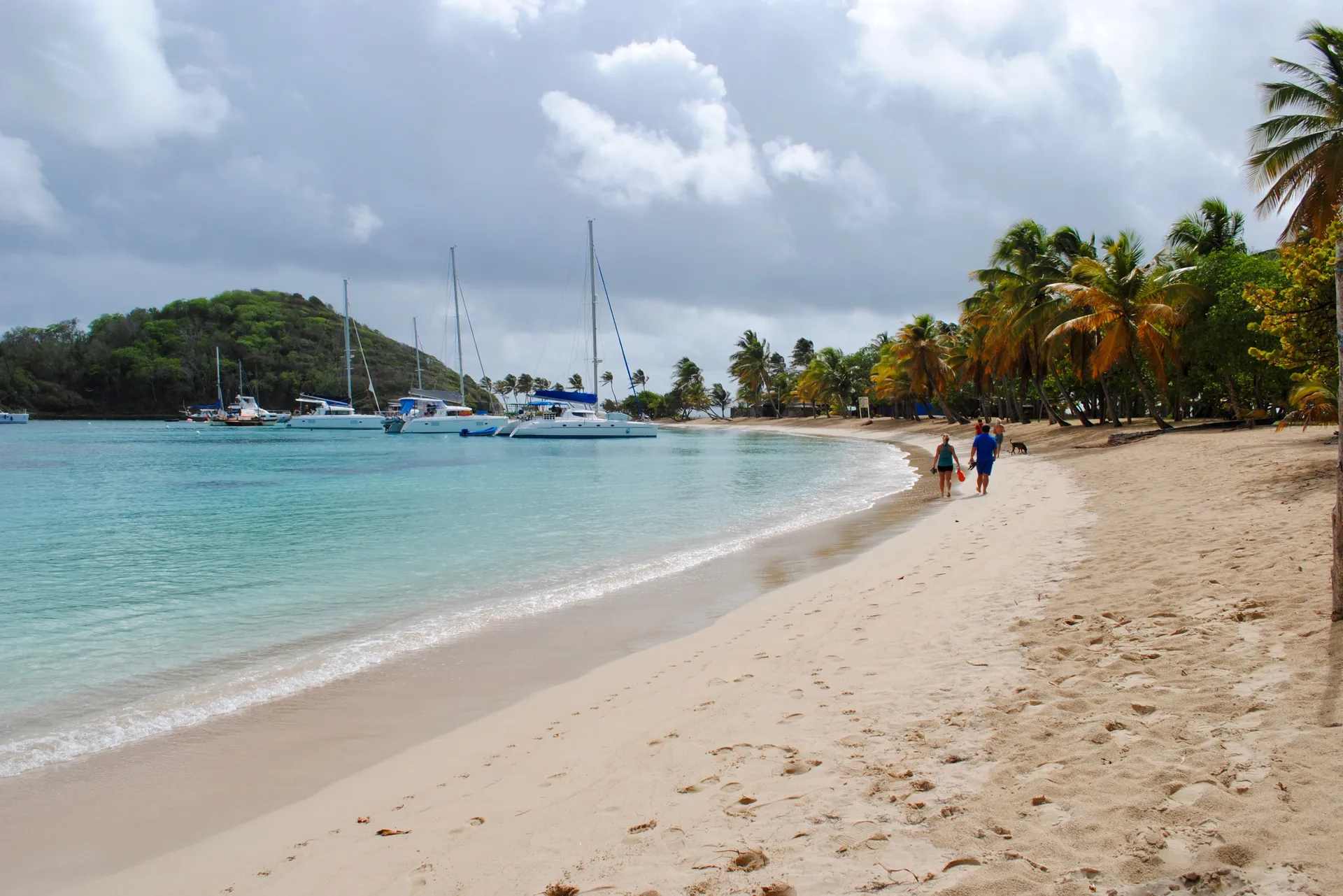
Mayreau is the smallest inhabited island in the Grenadines — a dot of green just one and a half square miles in area, with a population of fewer than three hundred people, no airport, no paved roads, and no cars. This speck in the southern Caribbean, midway between St. Vincent and Grenada, is the kind of place that Caribbean travel brochures promise but rarely deliver: an island where the sand is white, the water is transparent, the pace of life is measured by the sun's arc, and the only sounds are the wind, the waves, and the occasional crowing of a rooster. Salt Whistle Bay, on Mayreau's northern tip, is a crescent of sand separating the Caribbean Sea from a protected lagoon, and it ranks among the most beautiful small beaches in the world.
The character of Mayreau is defined by its isolation and the resilience of its tiny community. The village — there is only one, perched on the island's highest hill — consists of stone-and-wood houses clustered around the Catholic Church of the Immaculate Conception, whose stone walls and bell tower were built largely by the residents themselves. The view from the churchyard is extraordinary: the Tobago Cays Marine Park spreads across the southern horizon, its reef-protected lagoon a mosaic of greens and blues that seems designed to illustrate the concept of paradise. There is no bank on Mayreau, no ATM, no police station. The few small restaurants and bars operate on island time, opening when the proprietor feels like it and closing when the last guest leaves.
The Tobago Cays, visible from Mayreau's southern shore, are the Grenadines' greatest natural treasure — a cluster of five uninhabited islands surrounded by Horseshoe Reef, a barrier reef that creates a vast natural lagoon of crystal-clear water. Snorkelling in the Tobago Cays is a Caribbean superlative: hawksbill and green sea turtles glide through seagrass beds, southern stingrays rest on sandy patches, and the reef itself is alive with parrotfish, surgeonfish, and the delicate blue chromis that swirl around the coral heads in shimmering clouds. The cays are a designated marine park, and the absence of development preserves their pristine character.
The food on Mayreau is simple, fresh, and unpretentious. Grilled lobster, caught by local fishermen that morning, is served with rice and provisions (root vegetables) at beachside restaurants where your table might be a piece of driftwood and your chair a patch of sand. The rum punch is strong, sweet, and made with whatever citrus is ripe. Dennis' Hideaway, a legendary beach bar on Salt Whistle Bay, has been feeding sailors and beachgoers for decades with a warmth and informality that epitomises Grenadine hospitality. Fresh juice — passion fruit, guava, mango — replaces the need for any other beverage, though the local rum ensures that no sunset goes unaccompanied.
Emerald Yacht Cruises, Silversea, and Windstar Cruises include Mayreau on their Grenadines itineraries, typically anchoring offshore and tendering passengers to Salt Whistle Bay or the main dock. The island's lack of infrastructure is precisely its appeal — this is a Caribbean experience for travellers who have been everywhere else and want to find the place that the rest of the Caribbean used to be. The dry season from January through May offers the most reliable weather, though Mayreau's position in the southern Caribbean keeps it relatively sheltered from hurricanes and pleasant year-round.

