Apia: The Heart of Polynesian Culture in Samoa
Apia is the capital of Samoa and the beating heart of one of the most culturally intact Polynesian nations in the Pacific — a small harbour city of forty thousand people on the north coast of Upolu Island, where the traditional Samoan way of life, known as fa'a Samoa, continues to govern social relations, family structures, and daily rhythms in ways that have remained fundamentally unchanged for three thousand years. The city served as the home of Robert Louis Stevenson during the last four years of his life — the Scottish novelist fell in love with Samoa so completely that he is buried on the summit of Mount Vaea above the city, his tombstone inscribed with his own "Requiem": "Home is the sailor, home from sea, and the hunter home from the hill."
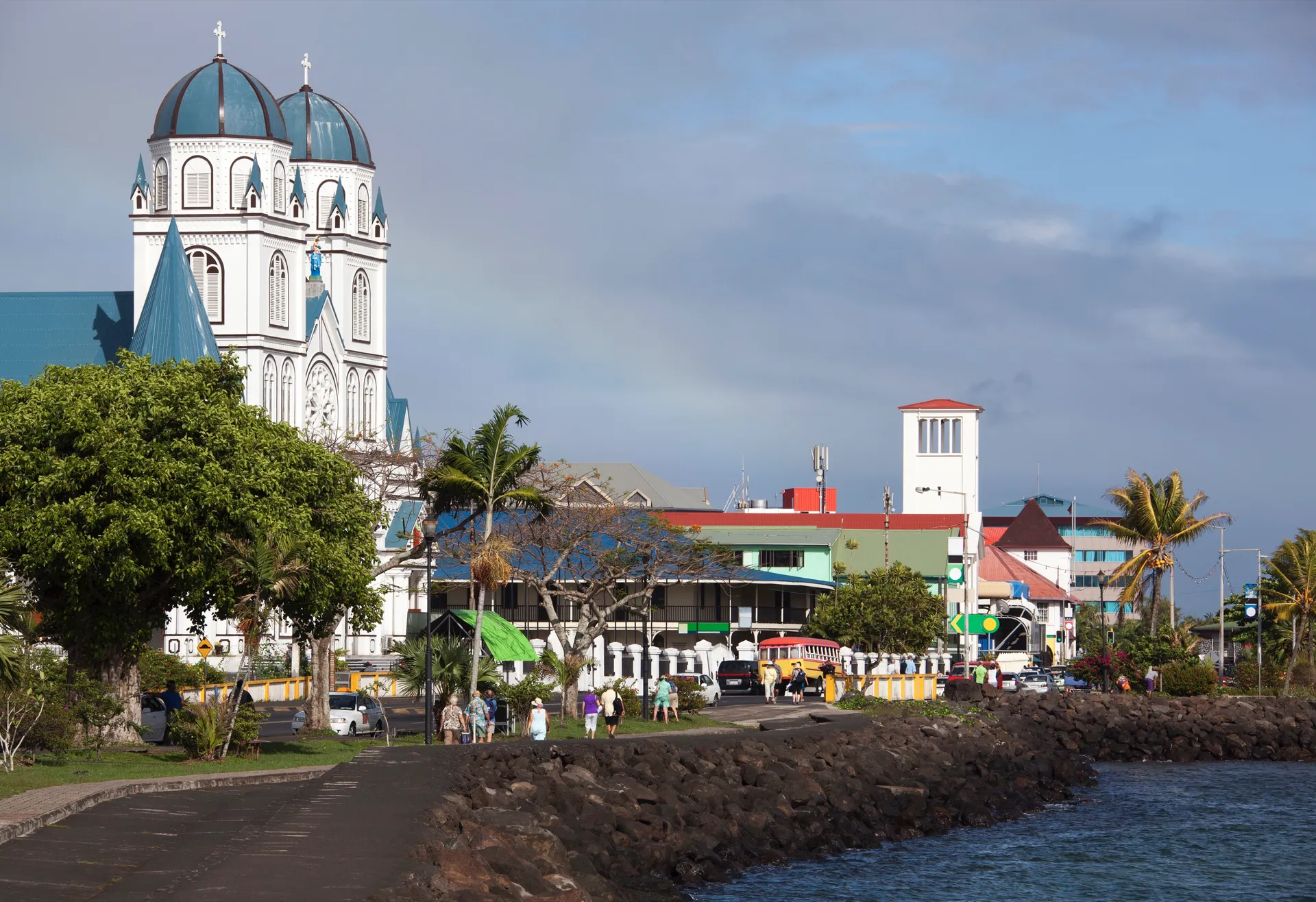
The character of Apia is a fascinating blend of Polynesian tradition and colonial-era architecture. The waterfront, stretching along the harbour from the Flea Market to the clock tower memorial, is the city's commercial centre — a busy, colourful strip of shops, banks, and government buildings that comes alive on market day with the produce of Upolu's villages: taro, breadfruit, coconuts, tropical fruits, and the fresh fish that remains central to the Samoan diet. The Maketi Fou (main market), a large, bustling space operating daily, is the best place to encounter the abundance and generosity of Samoan culture — vendors offer tastes freely, conversations flow easily, and the atmosphere is warm, loud, and genuinely welcoming.
Samoan cuisine is rooted in the umu — the underground oven that is the centrepiece of every village feast and Sunday meal. Taro, palusami (taro leaves baked in coconut cream), oka (raw fish marinated in coconut cream and lime — the Samoan cousin of ceviche), and suckling pig roasted in the umu are the essential dishes. The Sunday to'ona'i (feast), prepared by the family and shared with extended relatives and guests, is the most important social and culinary event of the Samoan week, and visitors fortunate enough to be invited experience Polynesian hospitality at its most generous. Fresh tropical fruits — papaya, mango, star fruit, and the vi (Polynesian plum) — appear at every meal, and the young coconut water served directly from the shell is the island's most refreshing drink.
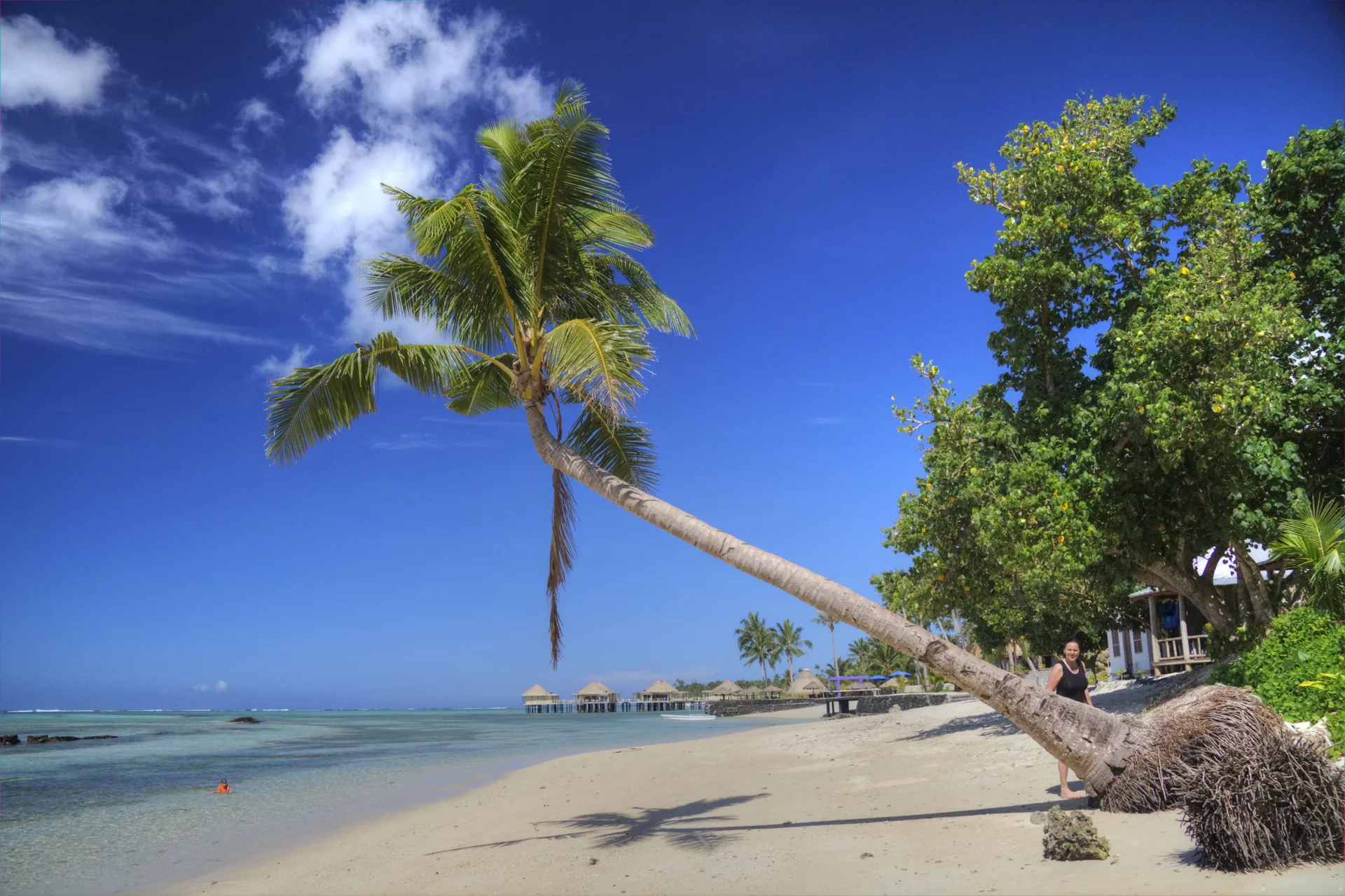
Beyond Apia, Upolu offers natural attractions of considerable beauty. The To Sua Ocean Trench — a thirty-metre-deep swimming hole connected to the ocean by a lava tube, surrounded by manicured gardens — is one of the South Pacific's most photographed natural wonders. The Papaseea Sliding Rocks, a series of natural waterslides in a jungle stream, provide aquatic entertainment that has delighted Samoan children for generations. The Robert Louis Stevenson Museum, housed in his former home Vailima, preserves the writer's library, furniture, and personal effects in a colonial mansion surrounded by tropical gardens. The village of Lalomanu, on Upolu's southeastern coast, offers beach fale (open-air thatched huts) accommodation directly on the sand — the most authentic and affordable way to experience Samoan beach life.
MSC Cruises, Norwegian Cruise Line, Oceania Cruises, Princess Cruises, Regent Seven Seas Cruises, and Seabourn all call at Apia, using the port that sits on the waterfront within walking distance of the market and town centre. For travellers who have experienced the more developed Pacific island destinations — Fiji, Tahiti, Hawaii — Samoa offers something genuinely different: a Polynesian culture that has maintained its traditional structures not as a tourist attraction but as a living social system, in a setting of volcanic mountains, tropical rainforest, and beaches that remain refreshingly uncommercialised. May through October, the dry season, offers the most comfortable weather, though Samoa's tropical warmth makes it welcoming year-round.