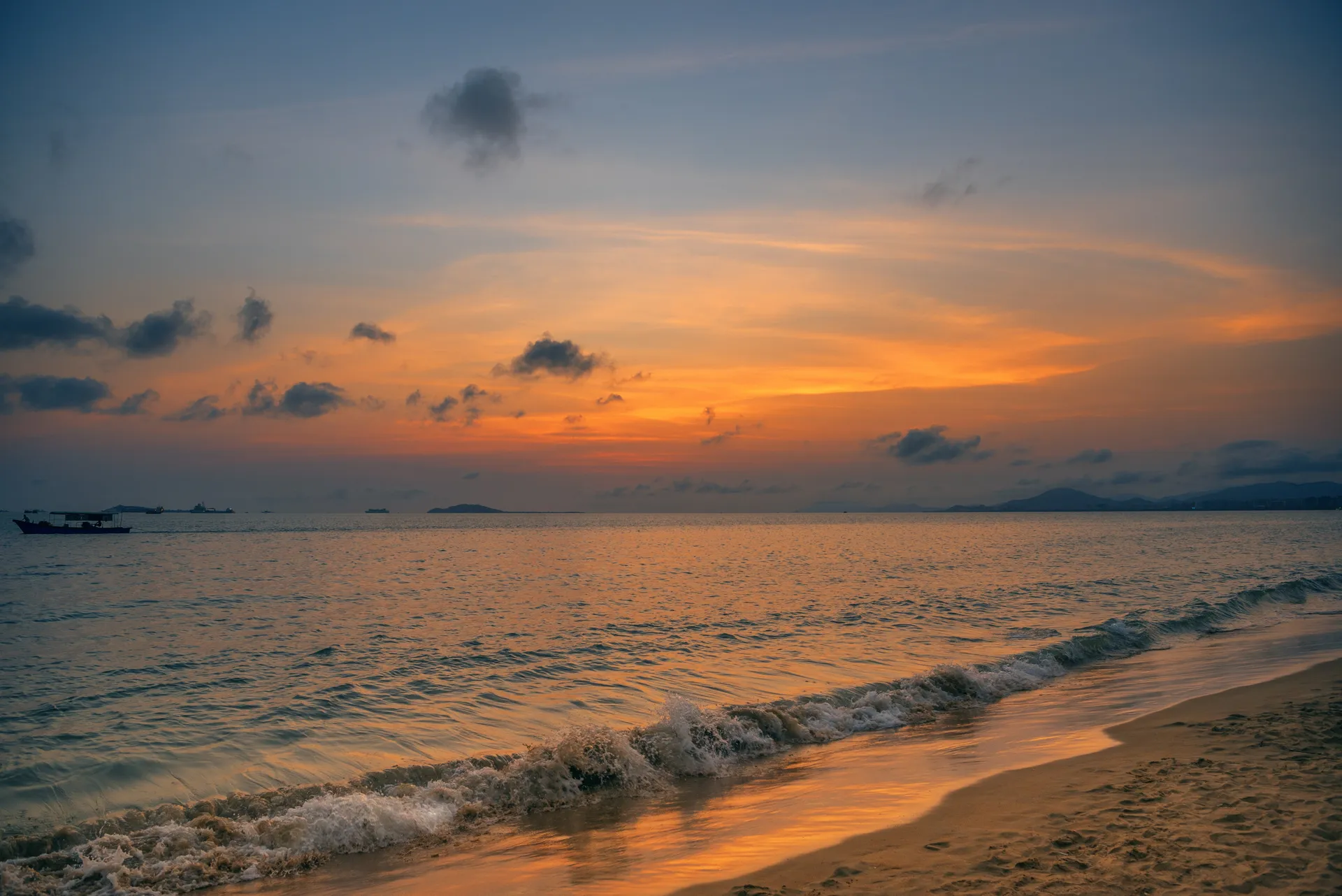
Príncipe is one of the last unspoiled islands on Earth—a volcanic speck in the Gulf of Guinea, just north of the equator, where primeval rainforest cloaks jagged peaks, pristine beaches are often entirely empty, and the human population of approximately eight thousand lives in a rhythm that the modern world has barely disturbed. The island is the smaller half of the Democratic Republic of São Tomé and Príncipe, Africa's second-smallest country, and was designated a UNESCO Biosphere Reserve in 2012 in recognition of its extraordinary biodiversity and the relative intactness of its ecosystems. If you have ever dreamed of an island that looks the way islands looked before tourism arrived, Príncipe is that island.
The landscape is theatrical. Volcanic phonolite plugs—the solidified cores of ancient volcanoes whose outer walls have eroded away—thrust skyward from the forest canopy like the towers of a ruined castle. Pico do Príncipe, at 948 meters, is the island's highest point, its summit often wrapped in cloud. The rainforest that covers most of the island is dense, tangled, and home to endemic species found nowhere else: the Príncipe thrush, the Príncipe sunbird, the Príncipe golden weaver, and dozens of endemic plants and insects. The beaches—Praia Banana (frequently cited as one of the most beautiful in Africa), Praia Boi, and the wild northern strands—are fringed with coconut palms and washed by warm, clear waters that support coral reefs and sea turtle nesting sites.
The cuisine of Príncipe is simple, local, and extraordinary in its freshness. The island's volcanic soil produces cocoa, coffee, tropical fruits, and spices with intense flavor. Fish—grilled over charcoal or simmered in calulu, a stew of smoked fish, okra, palm oil, and leafy greens—is the dietary staple, caught each morning by fishermen in brightly painted canoes. Breadfruit, plantain, and taro accompany most meals. The cocoa produced on Príncipe's roças (former colonial plantations) is of exceptional quality—the Italian chocolatier Claudio Corallo has established a bean-to-bar operation on the island that produces what many connoisseurs consider among the finest chocolate in the world. Coffee grown in the volcanic soil is equally remarkable.
The roças themselves are among the island's most fascinating features. These former Portuguese colonial plantations, some dating to the sixteenth century, were the economic engine of the island during the cocoa boom of the nineteenth and early twentieth centuries. Today, many are in various states of picturesque decay—their warehouses, hospitals, chapels, and workers' quarters slowly being reclaimed by the forest. Roça Sundy, the most historically significant, was where Arthur Eddington conducted the 1919 solar eclipse observations that confirmed Einstein's theory of general relativity—a scientific milestone commemorated by a monument on the grounds. Some roças have been restored as boutique lodges, offering accommodation that combines colonial architecture with the sounds and scents of the surrounding rainforest.
Príncipe is reached by a forty-minute flight from São Tomé, which itself connects to Lisbon and several African capitals. The island is occasionally included in expedition cruise itineraries along the West African coast. The best time to visit is the dry season, June through September, when rainfall is lower and the seas are calmest—though the island's equatorial climate means warm temperatures year-round. The gravana (dry season) also coincides with the best conditions for snorkeling and diving. Príncipe's remoteness and limited infrastructure are part of its appeal—this is a destination for travelers who value authenticity, biodiversity, and solitude over amenities and convenience.

