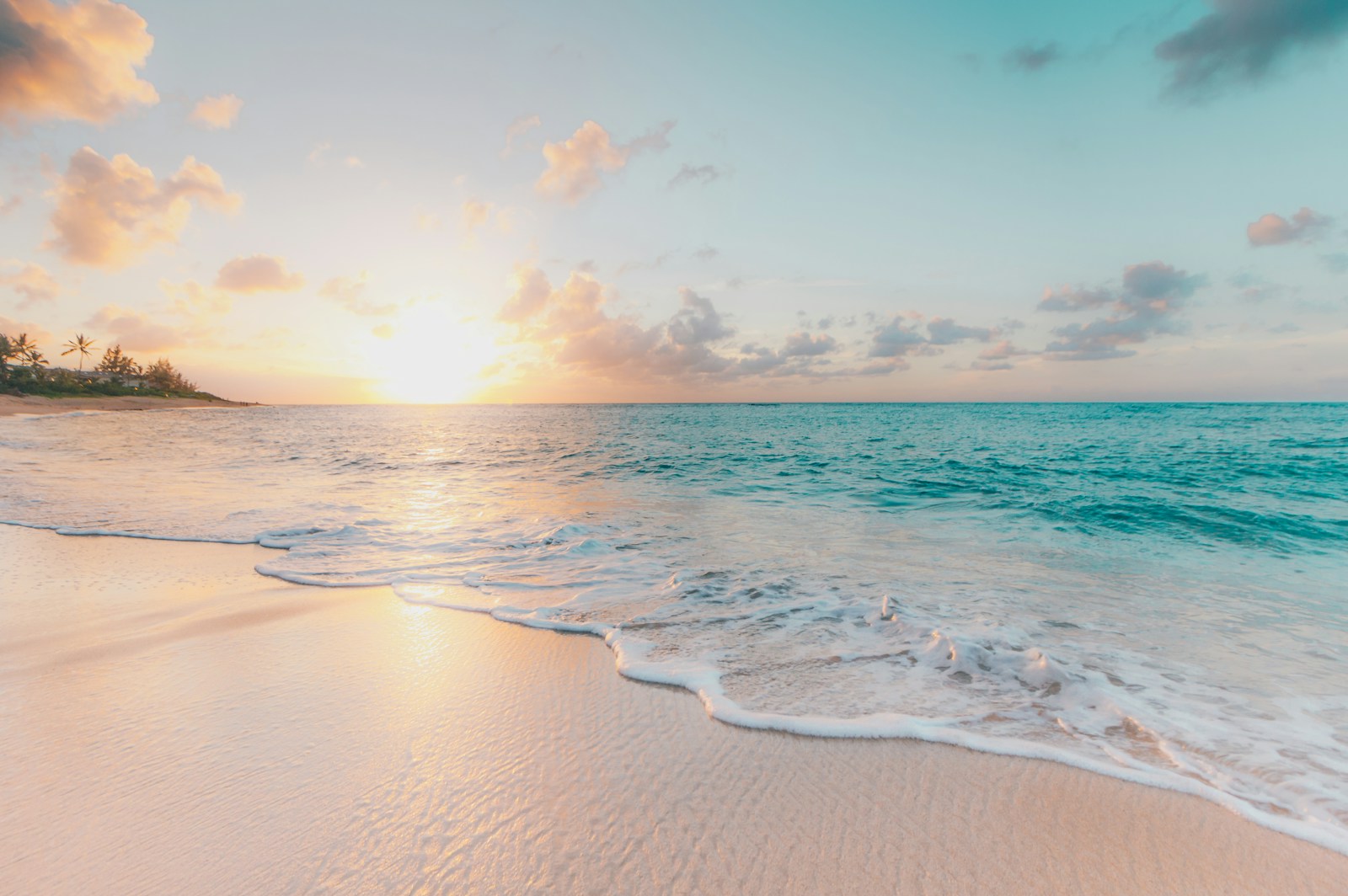
Principe Island rises from the Gulf of Guinea like a fragment of primordial Africa that somehow escaped the modern world. Just 136 square kilometers of volcanic peaks, dense equatorial forest, and palm-fringed beaches, this UNESCO Biosphere Reserve lies some 220 kilometers off the West African coast and remains one of the least-visited islands on the planet. Santo Antonio, the island's only town and home to roughly a thousand residents, is a place of faded colonial charm where time moves at the pace of the trade winds and the concept of rush hour is genuinely foreign.
The town's character is immediately endearing — a handful of pastel-painted Portuguese colonial buildings arranged around a central square, a small market where the daily catch is laid out on banana leaves, and a waterfront where pirogues bob in the gentle swell. The Sundowner Bar, perched above the harbor, provides the island's social hub, serving cold Rosema beer and grilled fish to a clientele that might include a cacao farmer, a marine biologist, and the occasional bewildered tourist in equal measure. The 15th-century Church of Nossa Senhora da Conceicao, one of the oldest colonial churches in sub-Saharan Africa, anchors the square with quiet dignity.
Principe's cuisine is a seductive blend of Portuguese, African, and tropical island traditions. Calulu — a rich stew of smoked fish, palm oil, okra, and local greens — is the national dish, its deep, complex flavors reflecting centuries of cultural fusion. Freshly caught yellowfin tuna, grilled simply with lime and piri-piri, is the island's everyday luxury. Chocolate lovers will find their paradise here: Principe's cacao, grown in the shade of towering tropical trees, produces some of the world's most sought-after single-origin chocolate, with tasting experiences available at the island's small estates. Fruit grows with abandon — papayas, mangoes, jackfruit, and the star-shaped carambola that appears at every breakfast table.
The natural environment is Principe's overwhelming draw. The Obo Natural Park covers over two-thirds of the island, protecting primary rainforest that harbors endemic species found nowhere else — including the Principe seedeater, the Principe sunbird, and the Principe giant tree frog. Praia Banana, consistently ranked among Africa's most beautiful beaches, is a crescent of golden sand backed by leaning coconut palms and lapped by warm, crystalline waters. The Bom Bom islet, connected to the main island by a slender sandbar, offers world-class snorkeling over pristine coral formations. Offshore, the volcanic Tinhosas islets host the largest seabird colony in the tropical Atlantic.
Cruise ships anchor off Santo Antonio, with tender service to the town's small pier. Principe has a tiny airport with connections to Sao Tome, which itself receives international flights from Lisbon and Accra. The dry season from June to September offers the most comfortable visiting conditions, though the island's equatorial location ensures warmth year-round. Principe rewards those who seek authentic discovery over curated luxury — this is a place where the natural world remains magnificent, unhurried, and almost entirely unspoiled.

