Dakar occupies the westernmost point of the African continent—the tip of the Cap-Vert peninsula jutting into the Atlantic at a latitude where the Sahel meets the sea, where Wolof, French, and Afro-Atlantic cultures collide in a city of relentless energy, creative brilliance, and the kind of unfiltered urban intensity that either overwhelms or utterly captivates. Senegal's capital and largest city, Dakar is home to over three million people in its metropolitan area, making it one of West Africa's great metropolises—a place where hip-hop and mbalax music blast from car stereos at all hours, where graffiti art adorns concrete walls alongside election posters, and where the smell of thiéboudienne (rice and fish) wafts from every neighborhood restaurant at noon.
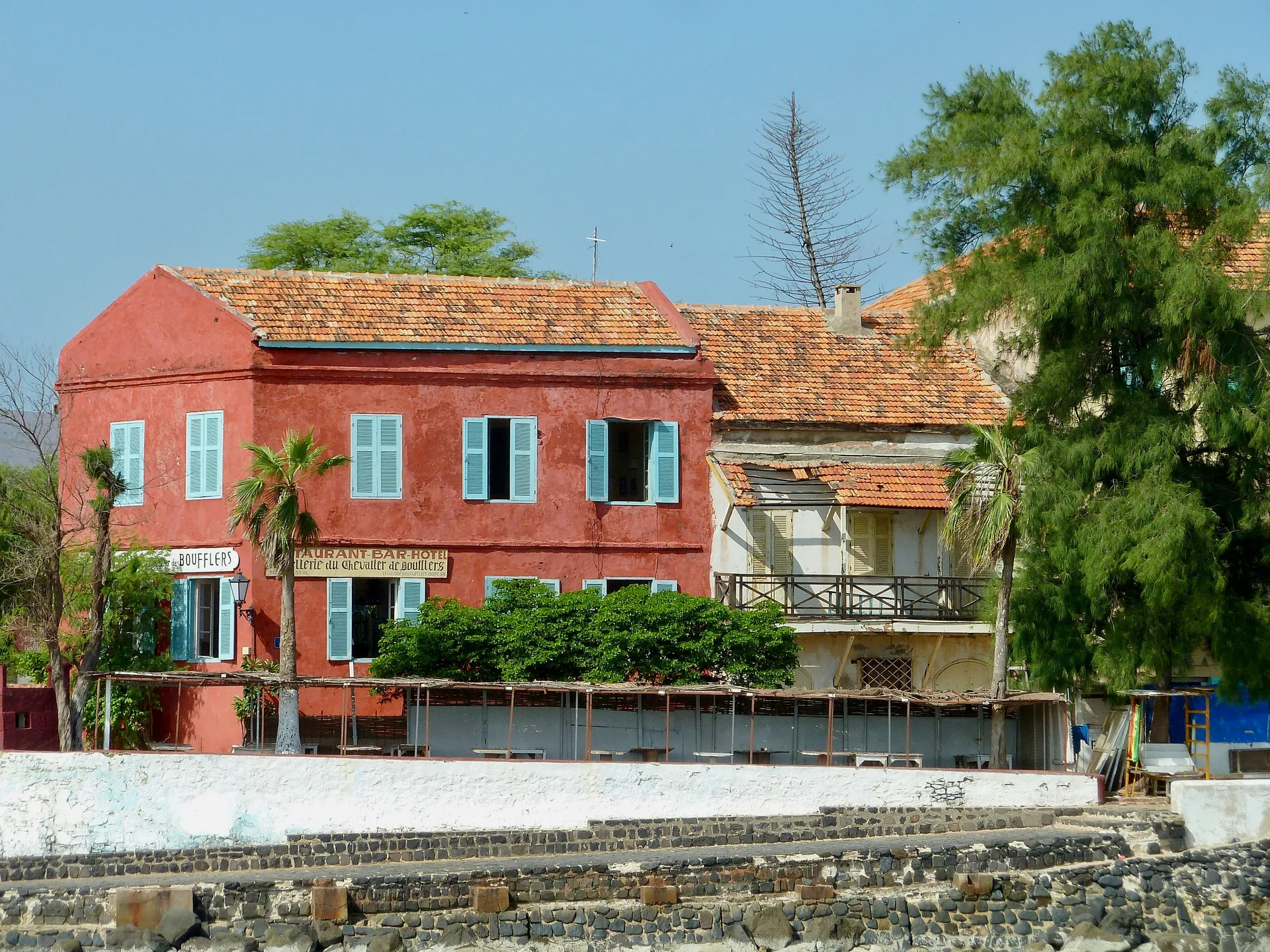
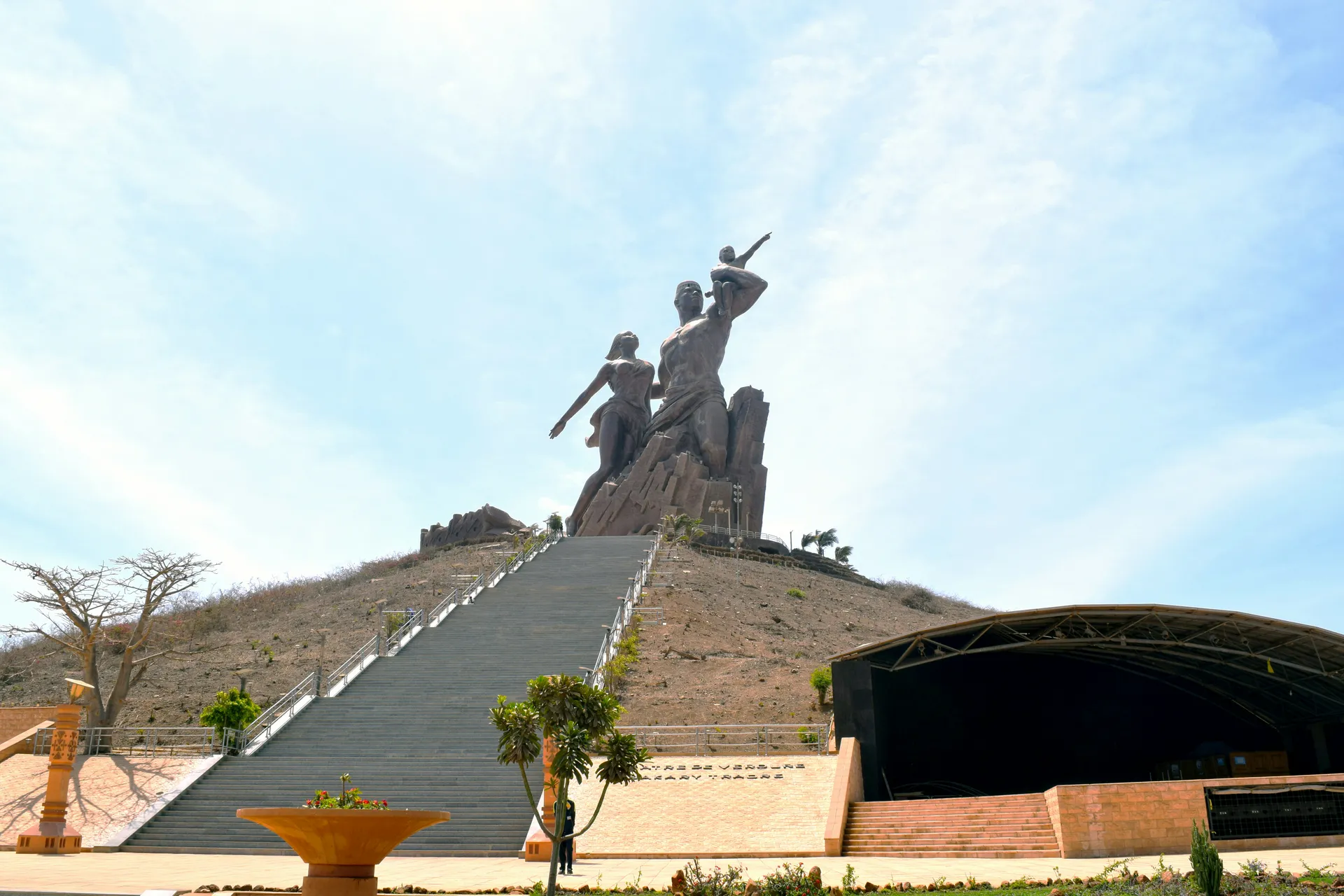
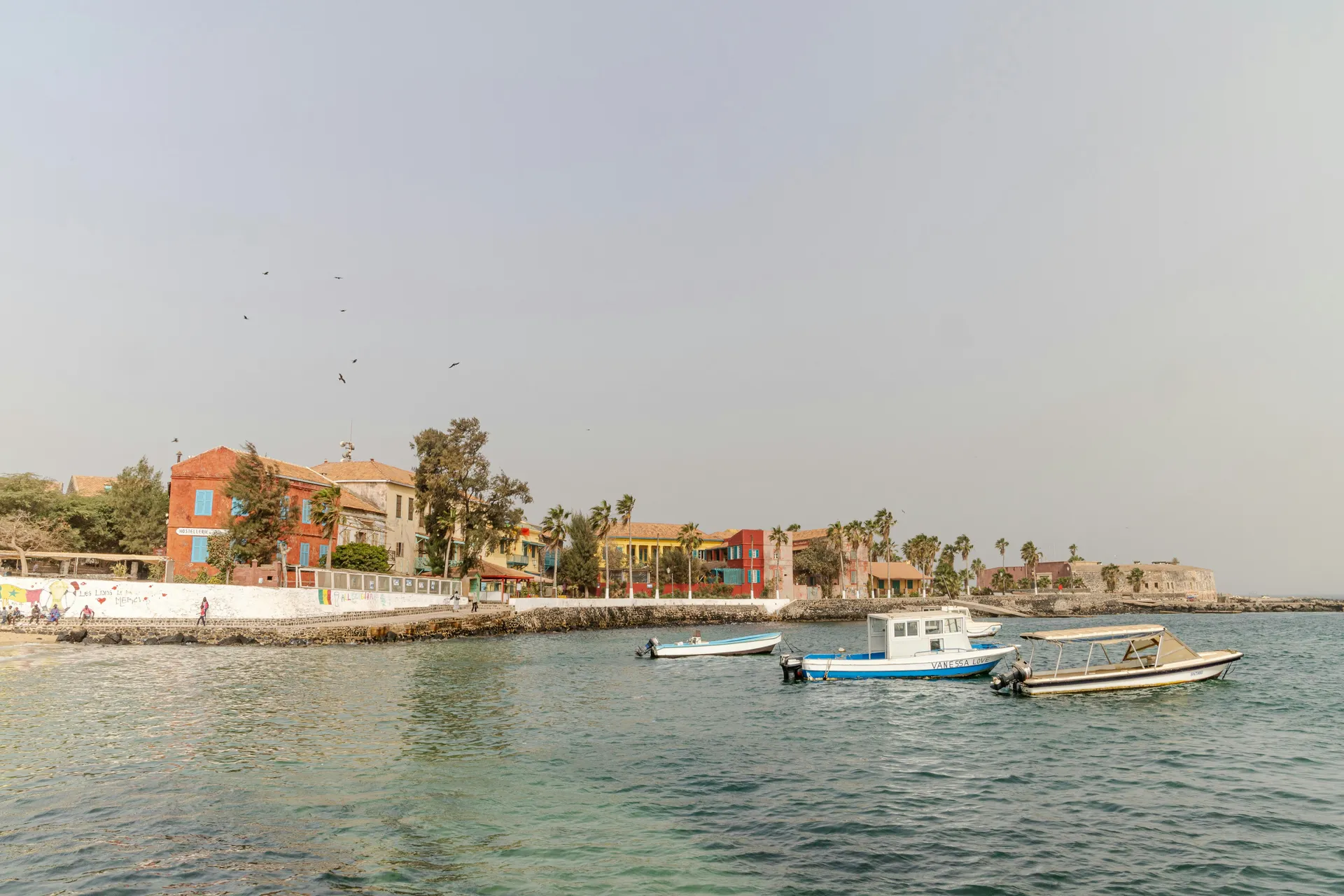
The city's most sobering and essential cultural experience is Gorée Island, a 20-minute ferry ride from the mainland. This tiny island served as one of the major holding points for enslaved Africans before their forced passage across the Atlantic, and the Maison des Esclaves (House of Slaves), with its infamous Door of No Return opening onto the sea, is one of the most emotionally powerful historical sites in Africa. Beyond Gorée, Dakar's cultural offerings are extraordinary: the African Renaissance Monument, a 49-meter bronze statue on the Collines des Mamelles that is the tallest statue in Africa; the IFAN Museum of African Arts at Cheikh Anta Diop University, housing exceptional collections of West African masks, textiles, and musical instruments; and the Village des Arts, a creative community where painters, sculptors, and installation artists work in open studios.
Senegalese cuisine is West Africa's most refined and diverse culinary tradition, and Dakar is the best place to experience it. Thiéboudienne—rice cooked in a tomato-based sauce with fish, vegetables, and tamarind—is the national dish, served in communal bowls from which diners eat with their right hands. Yassa poulet (chicken marinated in lemon, onions, and mustard, then grilled and braised) and mafé (meat in a rich peanut butter sauce) are equally essential. The fish market at Soumbédioune beach offers a spectacular daily display of the Atlantic catch—massive thiof (grouper), red snapper, barracuda, and the prawns that Dakar's upscale restaurants grill to perfection. Café Touba—coffee spiced with selim pepper (djar) and cloves—is Senegal's answer to espresso, sold at roadside stalls and consumed in powerful little cups that fuel the city's inexhaustible pace.
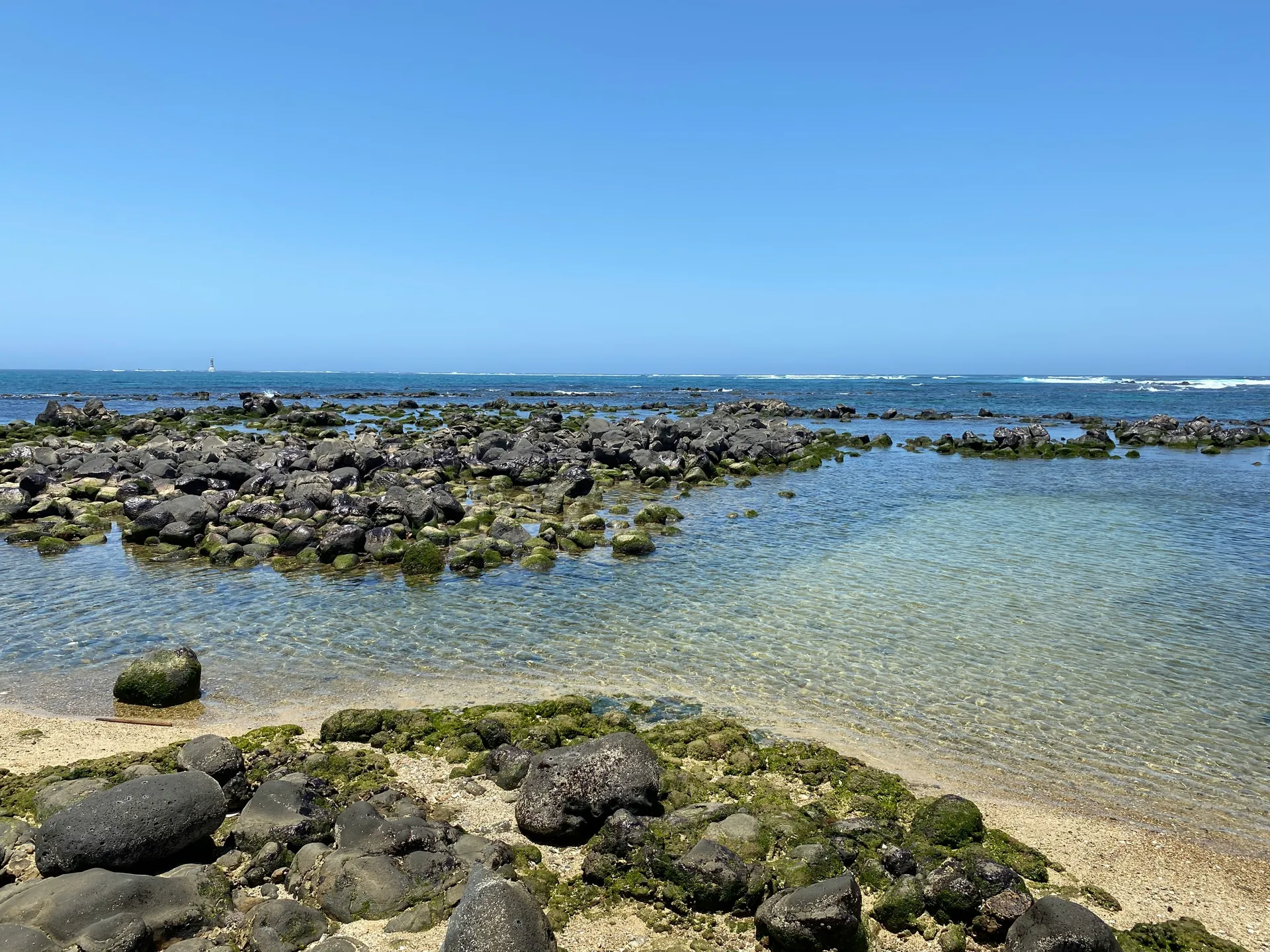
Dakar's beaches and surroundings offer diverse excursions. Les Almadies, the peninsula's tip, features upscale beach clubs, surf breaks, and the African Renaissance Monument. Lac Rose (Lac Retba), a shallow lake north of the city whose high salt concentration creates a distinctive pink hue—especially vivid during the dry season—was the traditional finish line of the Paris-Dakar Rally. The Petite Côte, stretching south from Dakar, offers resort beaches, fishing villages, and the Bandia Wildlife Reserve, where introduced African wildlife roams a protected area of baobab forest. The Sine-Saloum Delta, further south, is a UNESCO World Heritage mangrove ecosystem of extraordinary biodiversity, accessible by pirogue (traditional fishing boat) through a labyrinth of channels populated by pelicans, flamingos, and hundreds of bird species.
Azamara and Cunard include Dakar on their West African and Atlantic crossing itineraries, with ships docking at the Port of Dakar within driving distance of the city center and the Gorée Island ferry terminal. Dakar's infrastructure for cruise tourism is developing, and organized shore excursions are recommended for first-time visitors. The best visiting season is November through May, when the dry harmattan wind keeps humidity low and temperatures comfortable (24–30°C). The rainy season (June–October) brings short but intense downpours and higher humidity. Dakar is not a city that makes itself easy—it demands engagement, patience, and a willingness to be overwhelmed. In return, it offers an encounter with African urban culture at its most creative, resilient, and joyously alive.