Mahé: The Granite Heart of the Seychelles
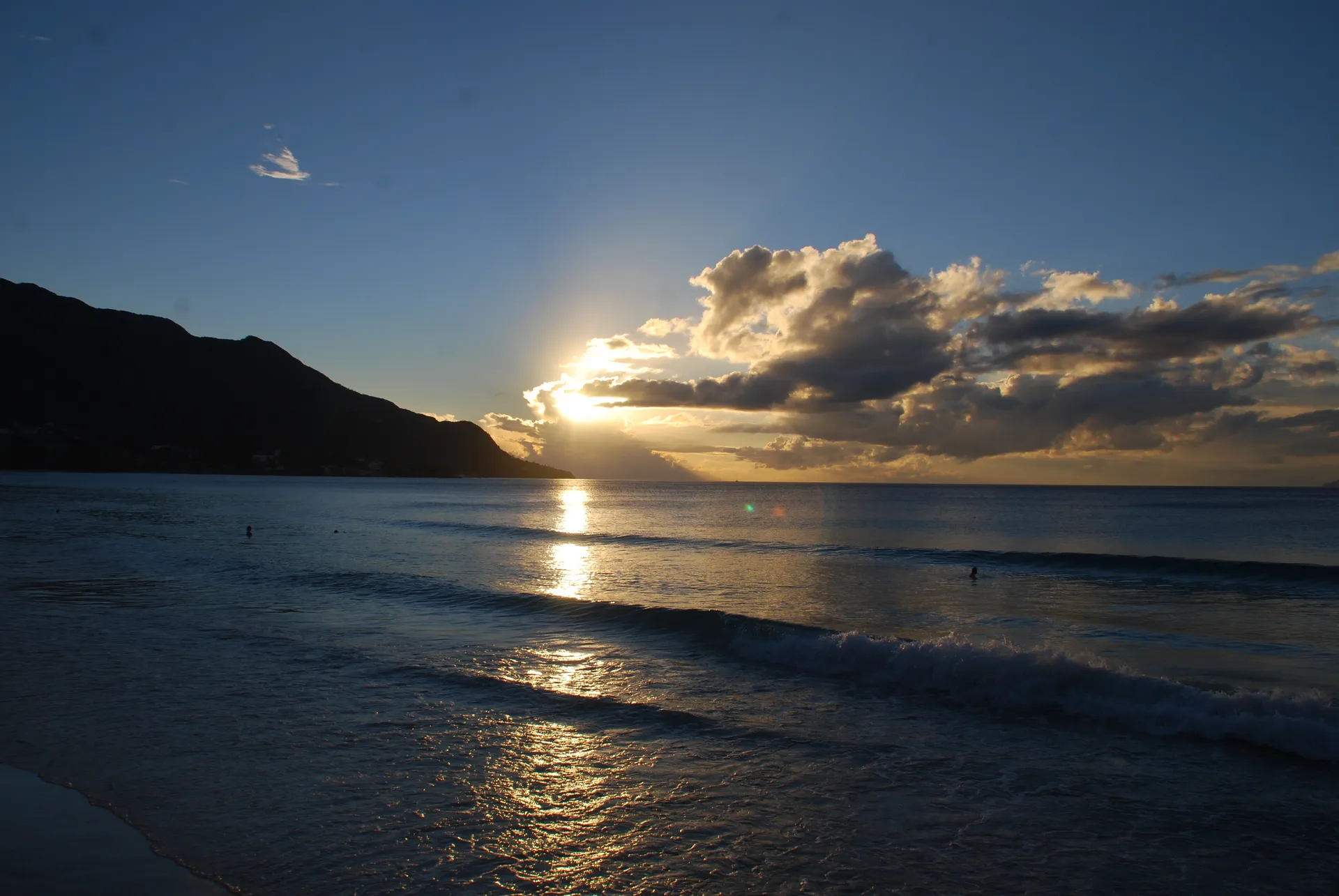
Mahé is the largest island in the Seychelles archipelago, a mountainous granite massif rising dramatically from the Indian Ocean to peaks exceeding nine hundred metres, its flanks clothed in primary tropical forest and its coastline scalloped with over sixty beaches that rank among the most beautiful on earth. The island's geological origins are extraordinary: the Seychelles are the only mid-oceanic islands on earth composed of granitic rock, remnants of the ancient supercontinent Gondwana that remained above water when the Indian subcontinent broke away roughly sixty-six million years ago. This antiquity gives Mahé an ecological distinctiveness — its forests harbour plant and animal species found nowhere else on the planet, making it a living museum of evolutionary history.
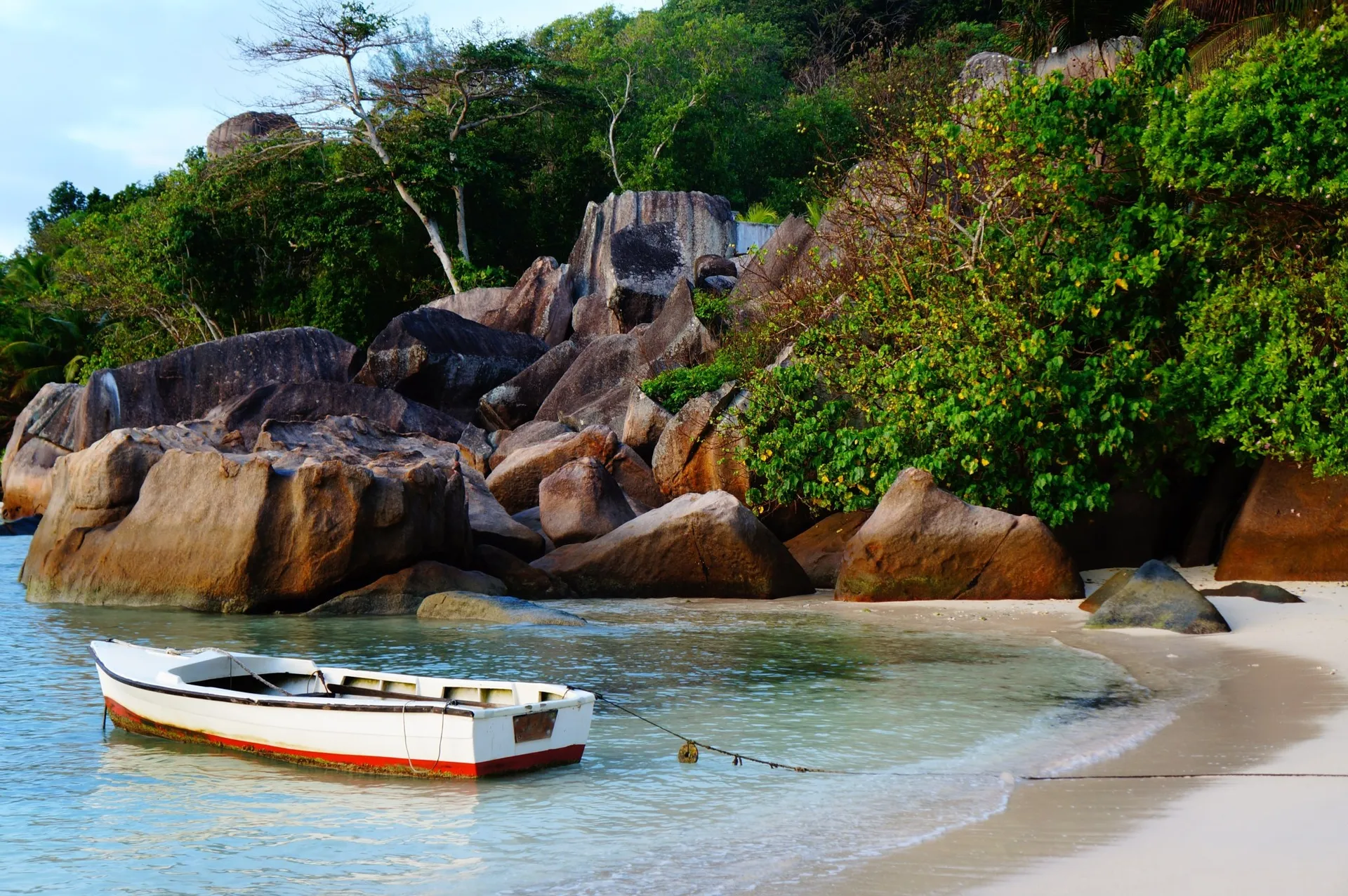
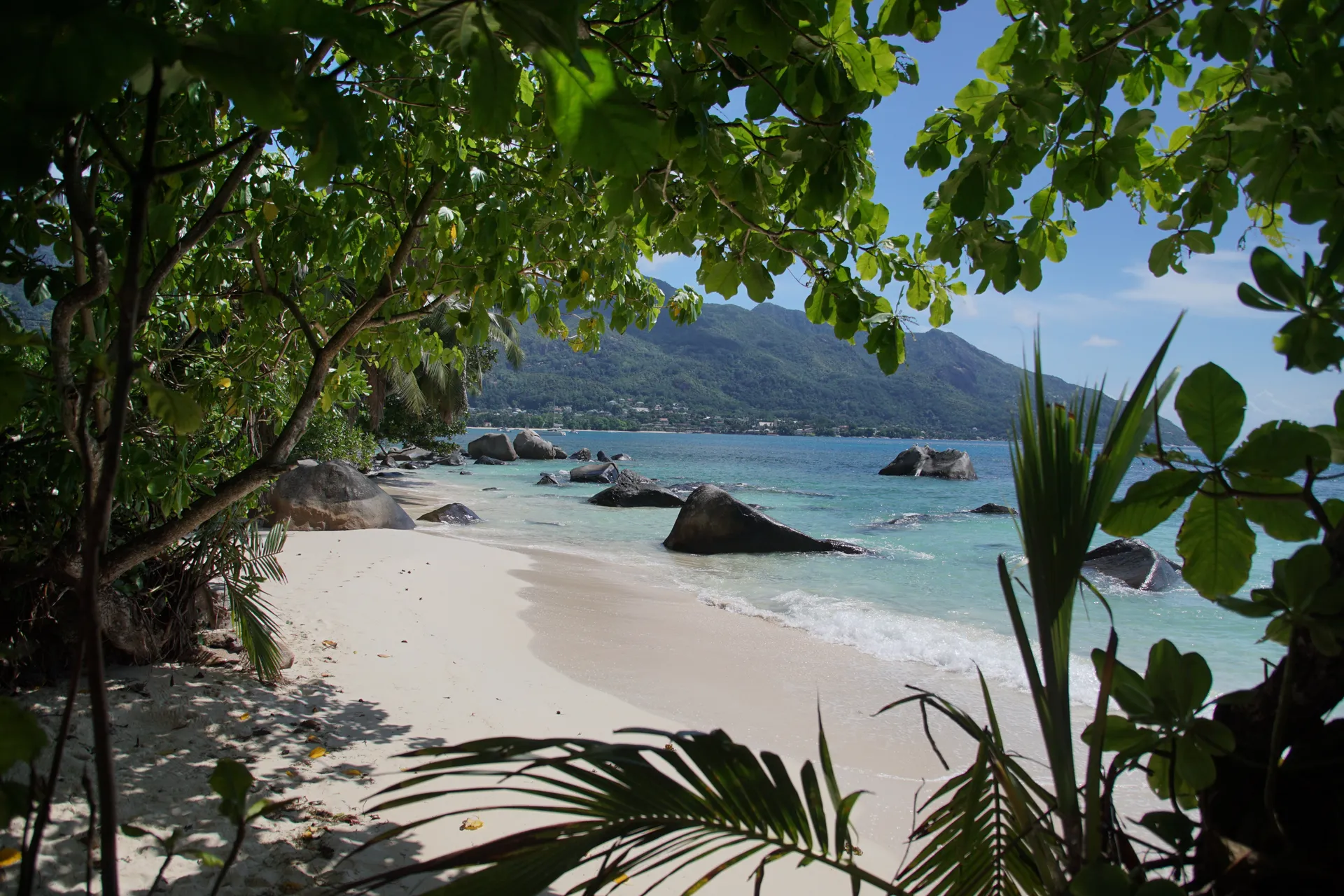
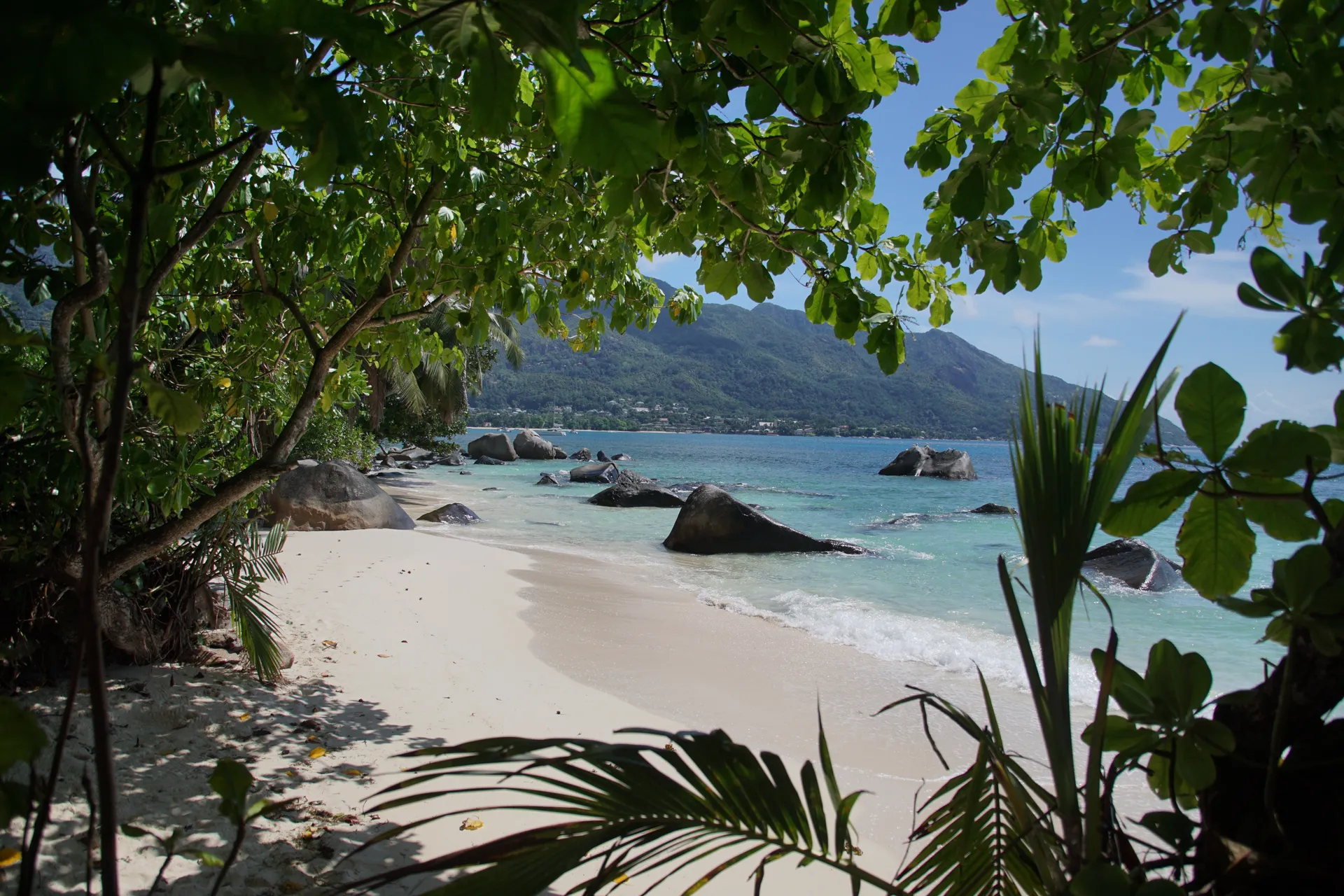
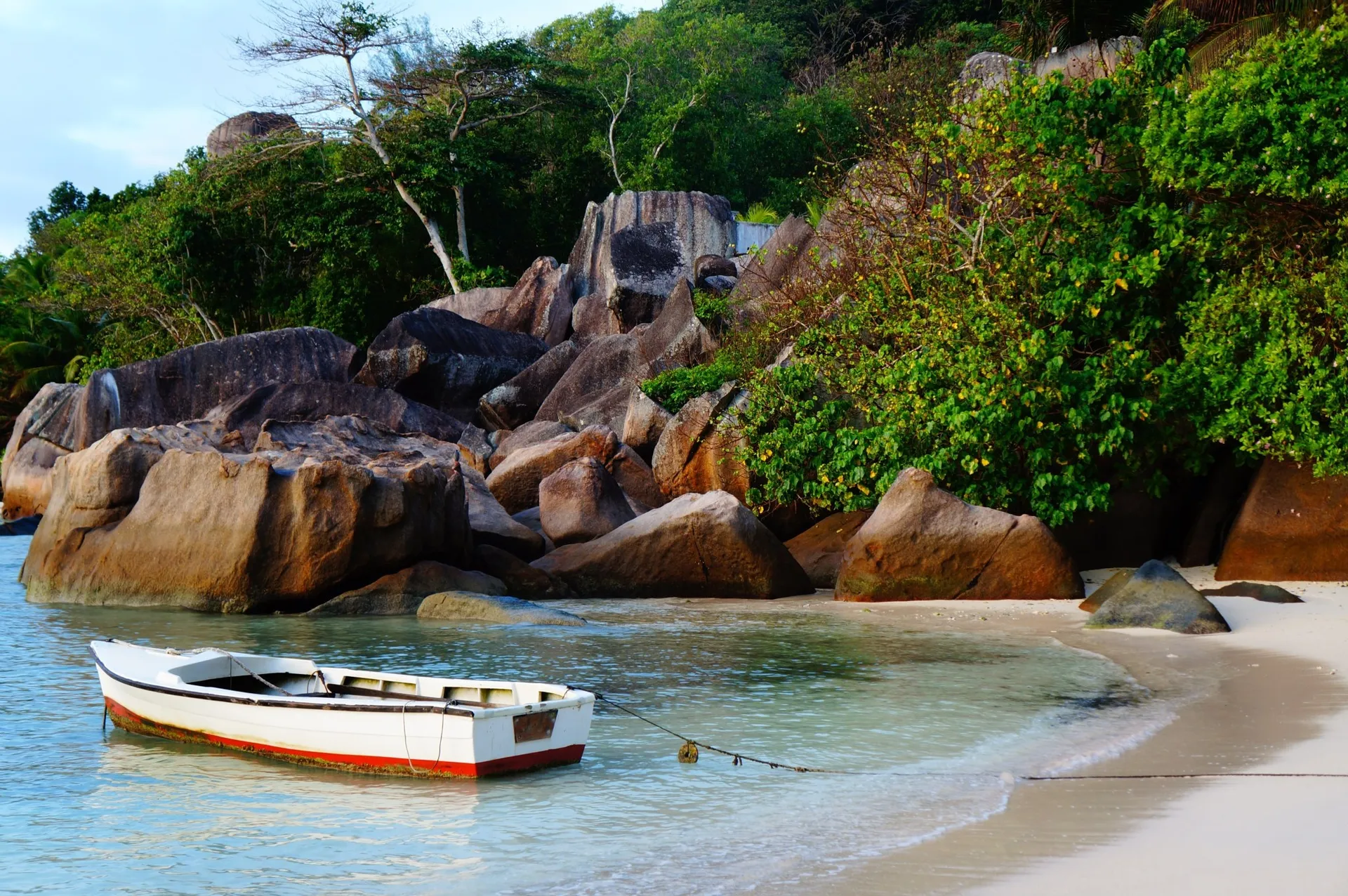
The character of Mahé balances tropical luxury with an intimacy that larger resort destinations cannot match. Victoria, the world's smallest capital city, is a walkable town of colonial-era buildings, a photogenic clock tower modelled on London's Vauxhall Bridge Clock Tower, and the Sir Selwyn Clarke Market — a vibrant, aromatic hall where fishmongers sell the morning's catch of red snapper, tuna, and octopus alongside stalls of vanilla, cinnamon, and the local curry pastes that perfume every Seychellois kitchen. Beyond Victoria, the island's winding mountain roads connect beach after beach — from the famous Anse Intendance, where granite boulders frame the surf, to the secluded Anse Major, accessible only by foot or boat, where the snorkelling is exceptional and solitude is assured.
Seychellois cuisine is a Creole fusion that reflects the islands' history as a crossroads of African, Asian, European, and Malagasy influences. The foundation is fresh fish — grilled, curried, or prepared as the beloved pwason griye (grilled fish with chilli sauce and rice). Octopus curry, simmered in coconut milk with turmeric and ginger, is a signature dish. Ladob — a sweet dessert of ripe plantain and sweet potato cooked in coconut milk with vanilla and nutmeg — captures the tropical larder in a single bowl. The breadfruit, introduced by the French from Polynesia, appears fried, roasted, and in chips. Local Seybrew beer and the potent calou (fermented palm wine) accompany meals, while the Takamaka rum distillery on the island's south coast offers tours and tastings of rum aged in the tropical heat.
The Morne Seychellois National Park, occupying over twenty percent of Mahé's land area, protects the island's mountainous interior — a realm of mist-shrouded peaks, endemic pitcher plants, and forest trails that feel genuinely wild. The hike to the summit of Morne Seychellois, the archipelago's highest peak at 905 metres, passes through all of the island's vegetation zones, from coastal coconut palms to cloud forest draped in moss and epiphytes. The Sainte Anne Marine National Park, a cluster of islands visible from Victoria's waterfront, was the first marine protected area in the Indian Ocean and offers glass-bottom boat tours, snorkelling, and the possibility of encountering hawksbill and green sea turtles.
AIDA, Emerald Yacht Cruises, and Holland America Line include Mahé on their Indian Ocean itineraries. The port at Victoria can accommodate cruise ships directly, and the island's manageable size makes independent exploration by rental car both practical and rewarding — the complete coastal circuit takes less than two hours, but the temptation to stop at every beach extends this considerably. For travellers seeking a tropical island experience that combines natural beauty, cultural authenticity, and ecological significance without the sprawling resort development of the Maldives or the Caribbean, Mahé delivers something rare and precious. The northwest monsoon from November to March brings warmer, calmer weather ideal for beach-going and diving, while the southeast monsoon from May to September offers cooler temperatures and the best conditions for hiking.