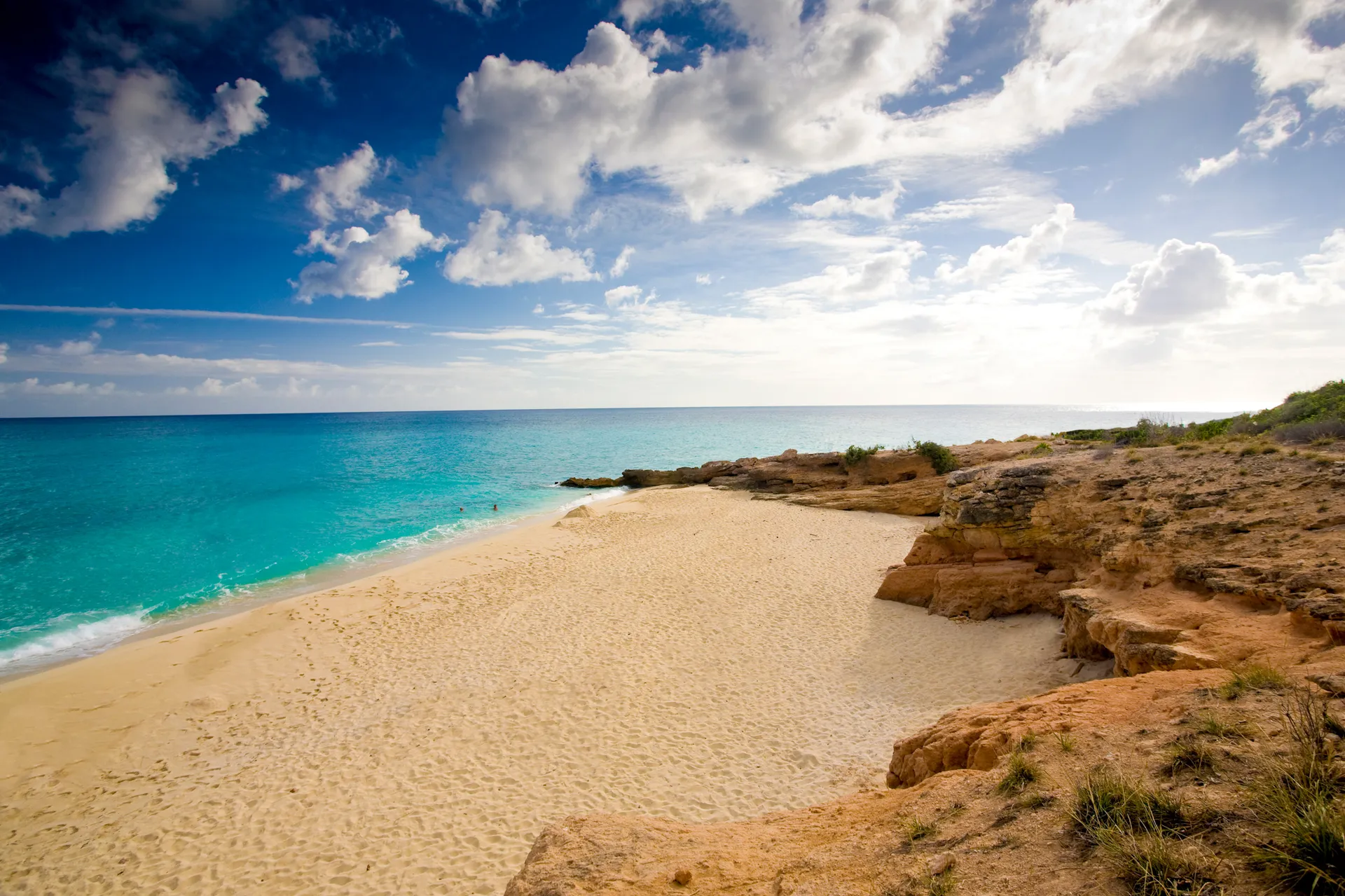
Philipsburg, the capital of the Dutch side of Sint Maarten, occupies a narrow sand spit between the Great Salt Pond and Great Bay — a sliver of land barely wide enough for two parallel streets, yet packing more history, shopping, and Caribbean energy per square meter than almost anywhere in the Lesser Antilles. The island of Saint Martin holds the distinction of being the smallest landmass in the world shared by two sovereign nations: the Netherlands and France divided the island by treaty in 1648, and to this day visitors can cross between the Dutch south and French north without a passport. Legend holds that the border was determined by a walking contest between a Frenchman (fortified with wine) and a Dutchman (sustained by jenever), each walking in opposite directions from a starting point until they met.
Philipsburg's Front Street, running the length of the town along the harbor, is a duty-free shopping paradise lined with jewelry stores, electronics outlets, and boutiques. The Old Street area preserves a few surviving Dutch colonial buildings, including the 1793 Courthouse with its distinctive cupola. Fort Amsterdam, built by the Dutch in 1631 as the island's first European fortification, sits on a peninsula at the western end of Great Bay, its ruins offering panoramic views. The Boardwalk, a mile-long promenade along Great Bay Beach, provides a more relaxed counterpoint to Front Street's commercial bustle, with beachfront bars and restaurants where toes can sink into sand while sipping guavaberry liqueur, the island's signature spirit.
The island's dual nationality creates a culinary wonderland. On the Dutch side, Indonesian-Dutch rijsttafel — a colonial legacy of twelve to twenty small dishes — is a revelation, while Johnny Cakes (deep-fried cornmeal dough) stuffed with saltfish, cheese, or ham are the quintessential local fast food. Cross to the French side for impeccable crêpes, fresh-baked baguettes, and bouillabaisse at the waterfront restaurants of Marigot and Grand Case — the latter self-proclaimed as the "Gourmet Capital of the Caribbean." Lolos (open-air barbecue shacks) on both sides serve grilled ribs, chicken, and lobster with rice and peas, hot sauce, and cold Carib beer.
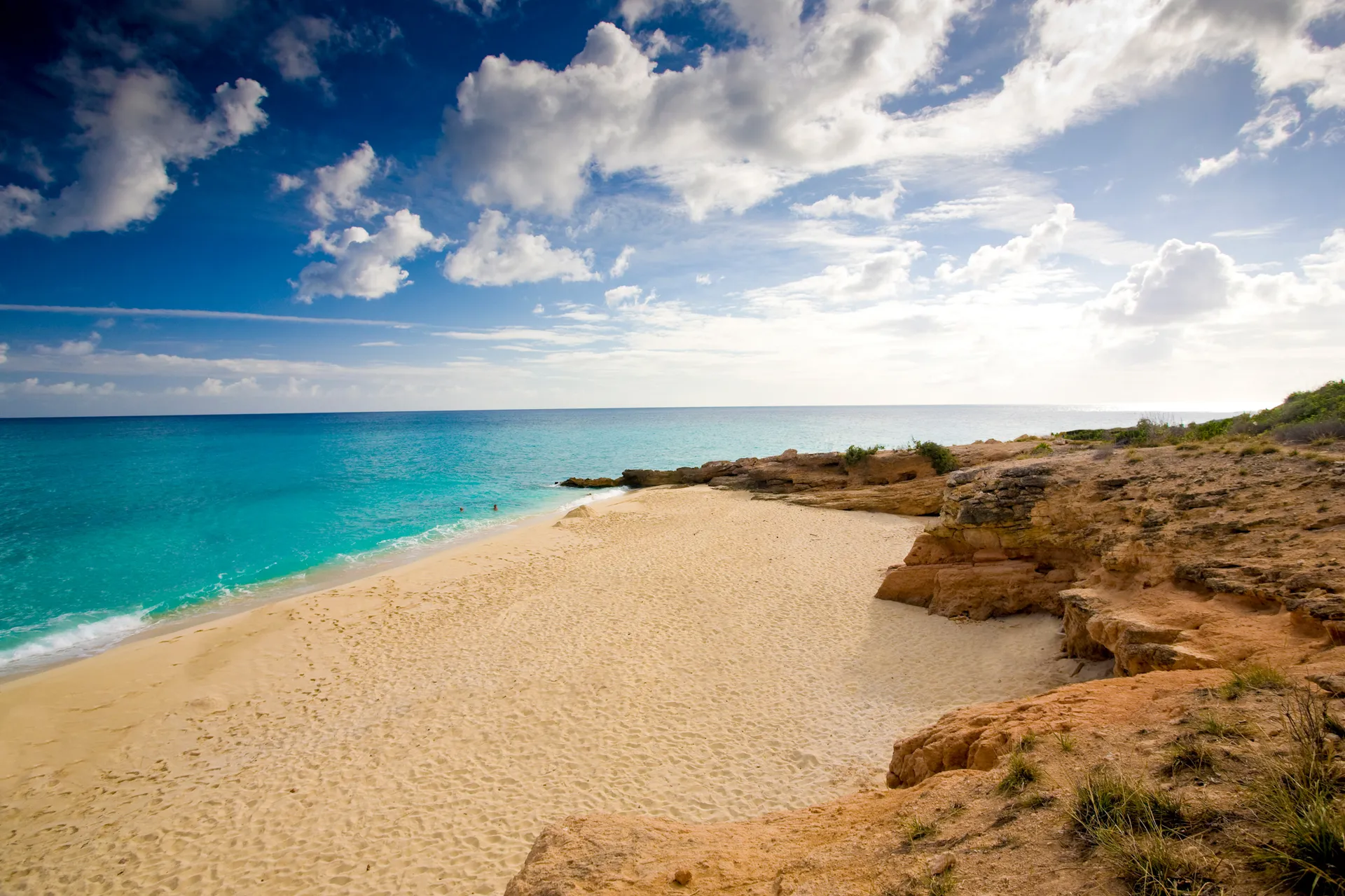
Maho Beach, on the Dutch side, is world-famous for its jaw-dropping proximity to Princess Juliana International Airport's runway — jumbo jets thunder overhead at barely thirty meters altitude, creating one of the most photographed spectacles in the Caribbean. Orient Bay on the French side offers a kilometer of white sand, water sports, and beachfront dining. The Loterie Farm, a former sugar plantation on the slopes of Pic Paradis (the island's highest point), provides zip-lining, pool lounging, and rainforest hiking. A day trip to the uninhabited island of Pinel, reached by a five-minute boat ride from the French side, offers pristine snorkeling.
Philipsburg is among the Caribbean's busiest cruise ports. Silversea, Seabourn, Regent Seven Seas Cruises, Explora Journeys, Ponant, and Windstar Cruises bring luxury travelers. Azamara, Oceania Cruises, Holland America Line, and Fred Olsen Cruise Lines provide premium options. Celebrity Cruises, Norwegian Cruise Line, Royal Caribbean, Carnival Cruise Line, MSC Cruises, Costa Cruises, P&O Cruises, Marella Cruises, TUI Cruises Mein Schiff, Emerald Yacht Cruises, Ambassador Cruise Line, Viking, Virgin Voyages, Lindblad Expeditions, and AIDA ensure comprehensive coverage. The peak season is November through April, when northeast trade winds moderate temperatures and rainfall is minimal.