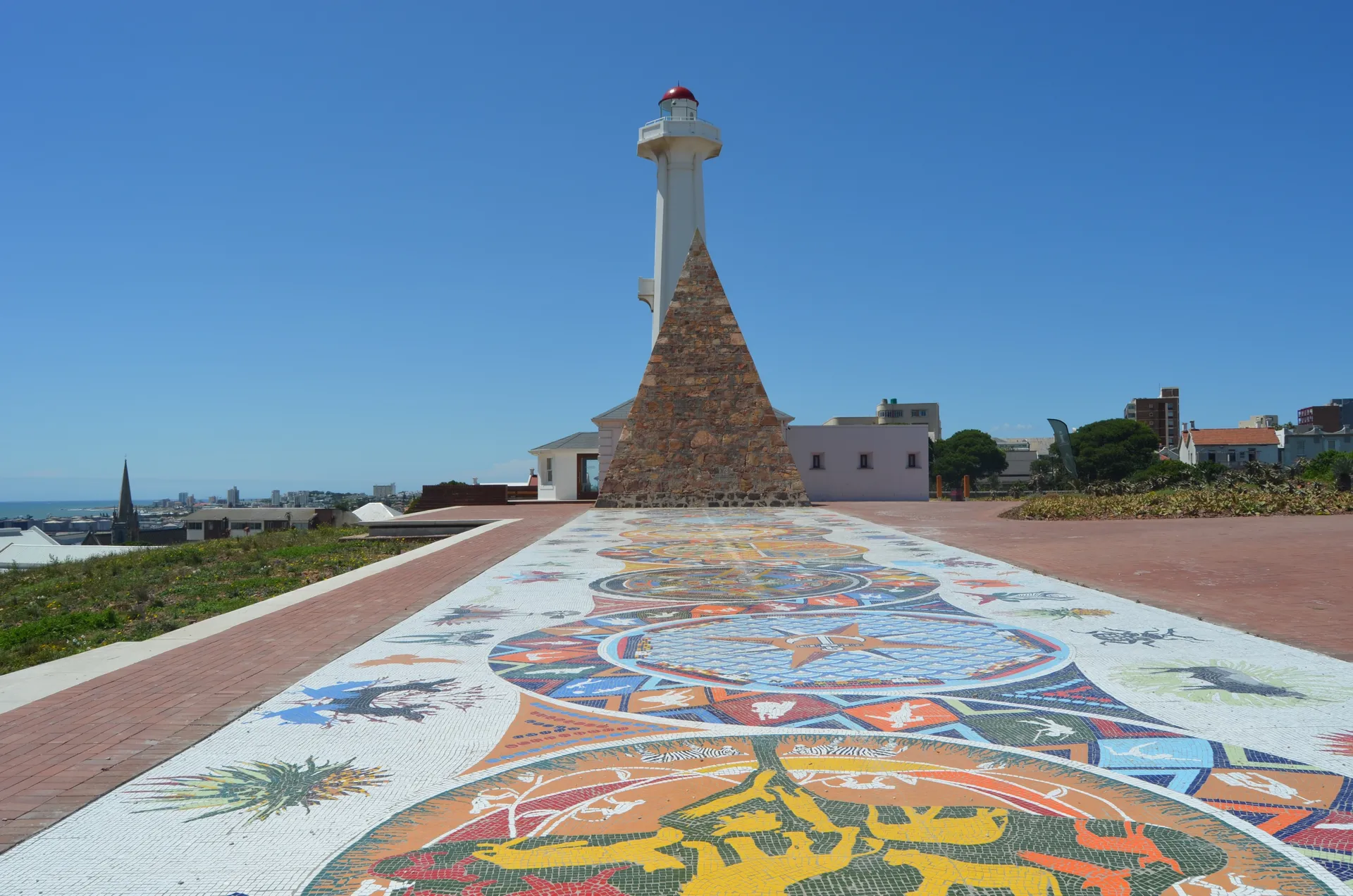
Gqeberha—formerly Port Elizabeth and still known to most South Africans by its old name or simply as "PE"—is the gateway to the Eastern Cape's extraordinary natural diversity. This coastal city of over a million people sits at the western end of Algoa Bay, where the Indian Ocean meets the rugged coastline of the Garden Route, and where the confluence of warm Agulhas and cool Benguela currents creates one of the richest marine ecosystems in southern Africa. The city was founded in 1820 by British settlers and named for Elizabeth Markham, the wife of the Cape Colony's acting governor—a colonial history reflected in the Victorian and Edwardian architecture of the Central Hill district and the Donkin Reserve, where a stone pyramid and lighthouse overlook the bay.
The city's character is defined by its beaches and its role as "The Friendly City"—a nickname earned by the genuine warmth of its residents, who represent the full spectrum of South Africa's rainbow nation. The beachfront stretches for miles, with Hobie Beach, King's Beach, and Sardinia Bay offering safe swimming, surfing, and sunset walks. The boardwalk entertainment complex provides family recreation along the waterfront. But Gqeberha's appeal for the discerning traveler lies less in its urban attractions than in its position as a staging point for some of the finest wildlife and nature experiences in South Africa.
The cuisine of Gqeberha reflects the multicultural character of the Eastern Cape. Braai (barbecue) culture is central—boerewors (spiced sausage), lamb chops, and sosaties (marinated kebabs) grilled over wood fire are a social ritual as much as a meal. The Indian community, particularly strong in the Eastern Cape, contributes bunny chow (hollowed-out bread loaves filled with curry) and biryanis of exceptional quality. Fresh seafood from Algoa Bay—calamari, yellowtail, snoek—is abundant, and the local calamari industry is famous enough that the city's rugby team is nicknamed the "EP Kings of Calamari." The craft beer scene has grown rapidly, with Richmond Hill's collection of microbreweries and restaurants creating a dining destination in the city center.
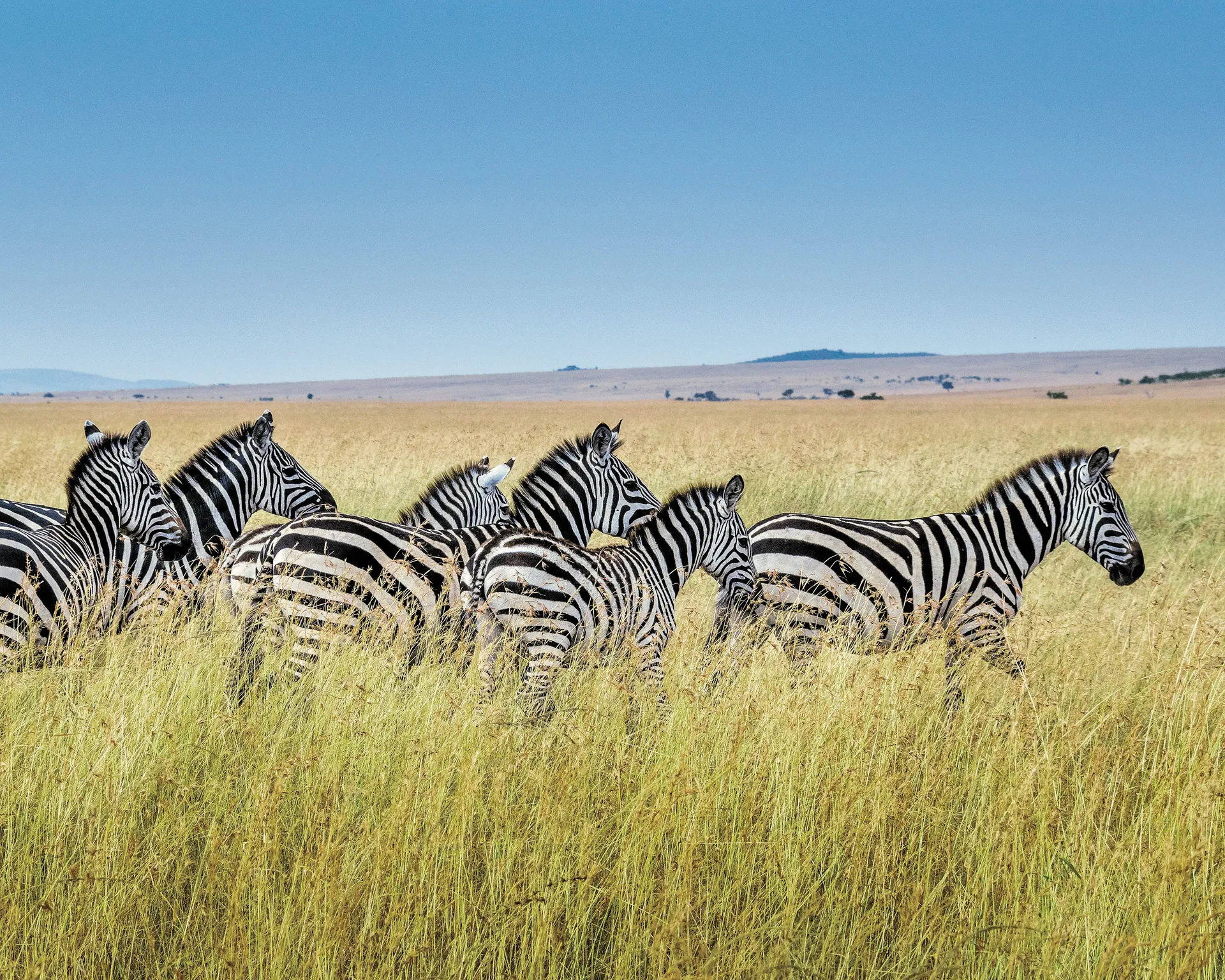
The Addo Elephant National Park, just seventy-five minutes northeast, is the primary attraction for wildlife enthusiasts. Established in 1931 when only eleven elephants survived in the area, Addo now protects over 600 elephants alongside lions, buffalo, leopards, black rhinos, and over 400 bird species—making it one of the few parks in the world where the "Big Seven" (the Big Five plus southern right whales and great white sharks in the marine section) can be observed. The park's proximity to Gqeberha makes game drives easily accessible as half-day or full-day excursions. The Shamwari, Amakhala, and Kariega private game reserves, also within easy reach, offer luxury safari experiences with expert guides and exclusive lodges.
Gqeberha serves as a cruise port on South African coastal and Indian Ocean itineraries, with ships docking at the port terminal adjacent to the city center. The best time to visit is September through April, when temperatures are warm and the coastal vegetation is at its greenest. June through November is whale season, when southern right whales calve in the bay and can be observed from shore—an experience that adds a marine dimension to the terrestrial wildlife of Addo. The city is also the eastern terminus of the famous Garden Route, making it an ideal starting or ending point for one of South Africa's most scenic drives.