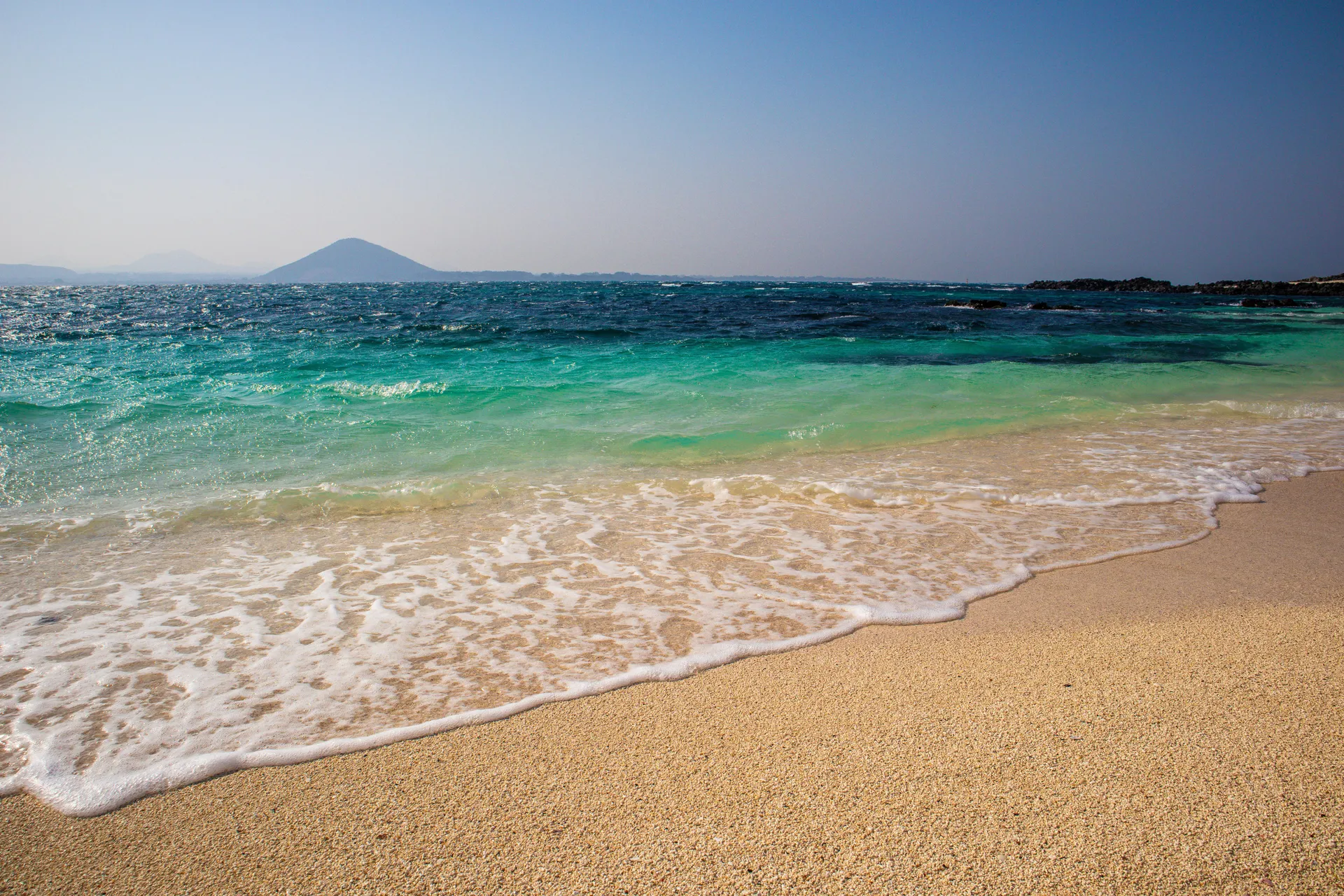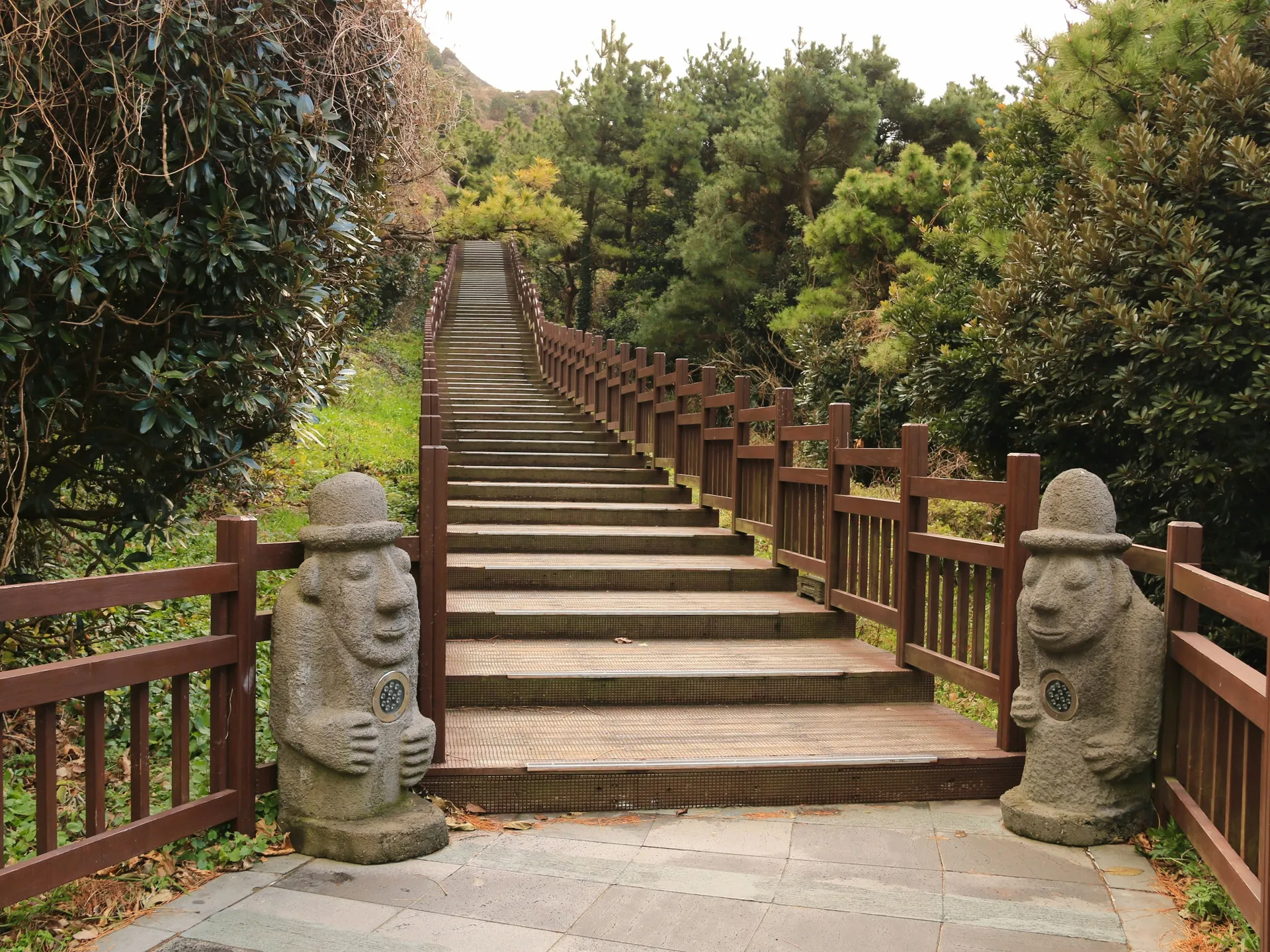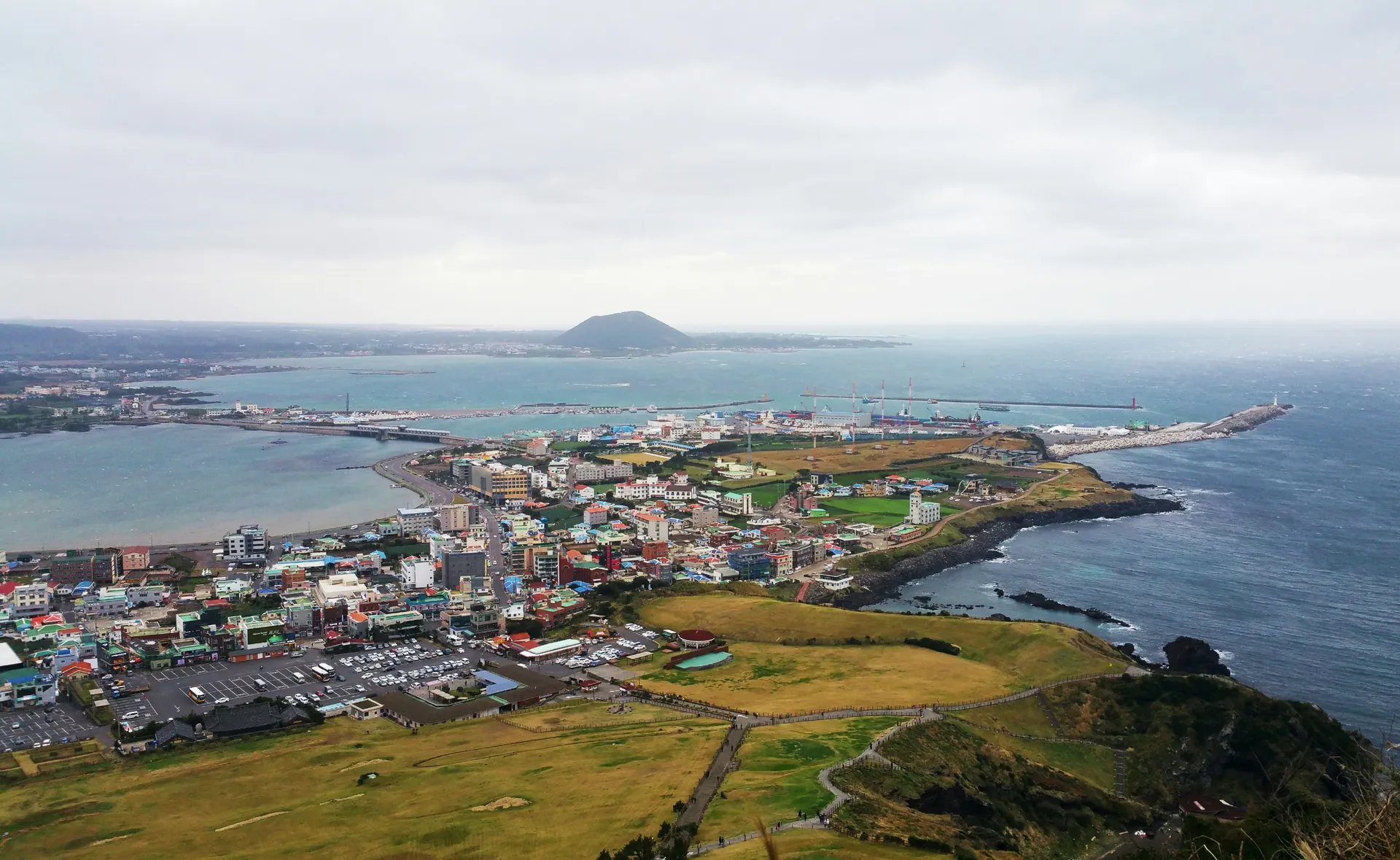
Jeju is South Korea's volcanic island paradise — a UNESCO-recognized natural wonder in the Korea Strait where lava tubes, volcanic craters, and a unique subtropical ecosystem create landscapes that have earned it the designation 'Island of the Gods.' This island province of 700,000 residents serves as South Korea's premier domestic vacation destination and an increasingly important international cruise port.
Hallasan, the extinct volcano at the island's center, rises 1,950 meters to become South Korea's highest peak. The summit crater lake, Baengnokdam, and the hiking trails ascending through temperate forest, subalpine meadow, and ultimately volcanic rock provide some of East Asia's most rewarding mountain walking. The Manjanggul Lava Tube, one of the world's longest lava tunnels at over seven kilometers, demonstrates Jeju's volcanic geology in formations of cathedral-scale grandeur.
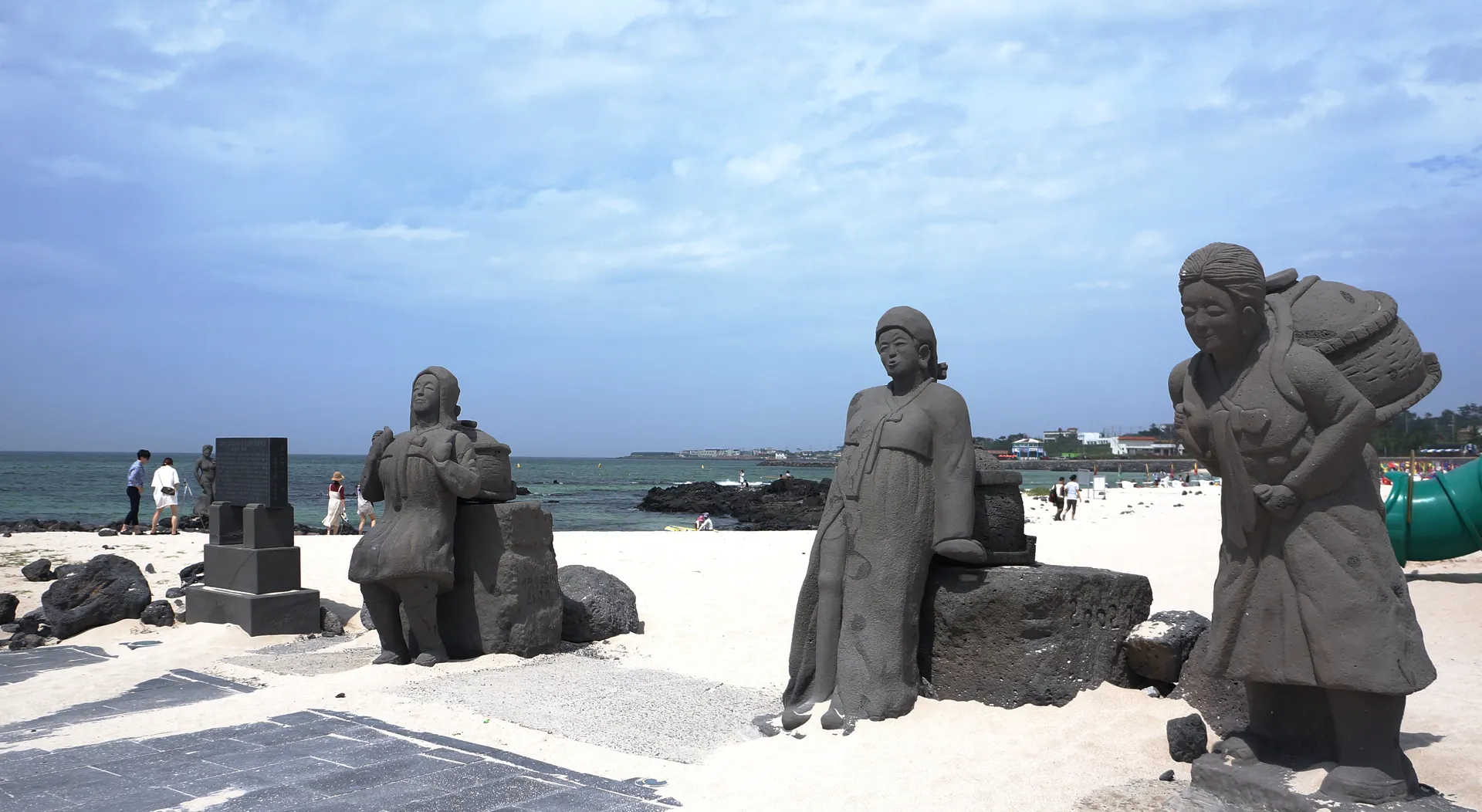
Jeju's Haenyeo — the women divers who harvest seafood from the ocean without breathing apparatus — represent one of the world's most remarkable living cultural traditions. These women, some well into their eighties, dive to depths of ten meters in cold water, holding their breath for minutes at a time in a practice documented since the seventeenth century. UNESCO recognized the Haenyeo tradition as Intangible Cultural Heritage in 2016.
Holland America Line, MSC Cruises, Norwegian Cruise Line, Oceania Cruises, Princess Cruises, and Silversea include Jeju on East Asian itineraries. The island's cuisine centers on black pork (heuk dwaeji), abalone porridge, and the fresh seafood that the Haenyeo harvest daily.
April through June and September through November provide the most comfortable conditions. Jeju is East Asia's most complete island destination — volcanic geology, UNESCO cultural heritage, and subtropical beauty compressed into a single island that South Korea considers its most precious natural asset.