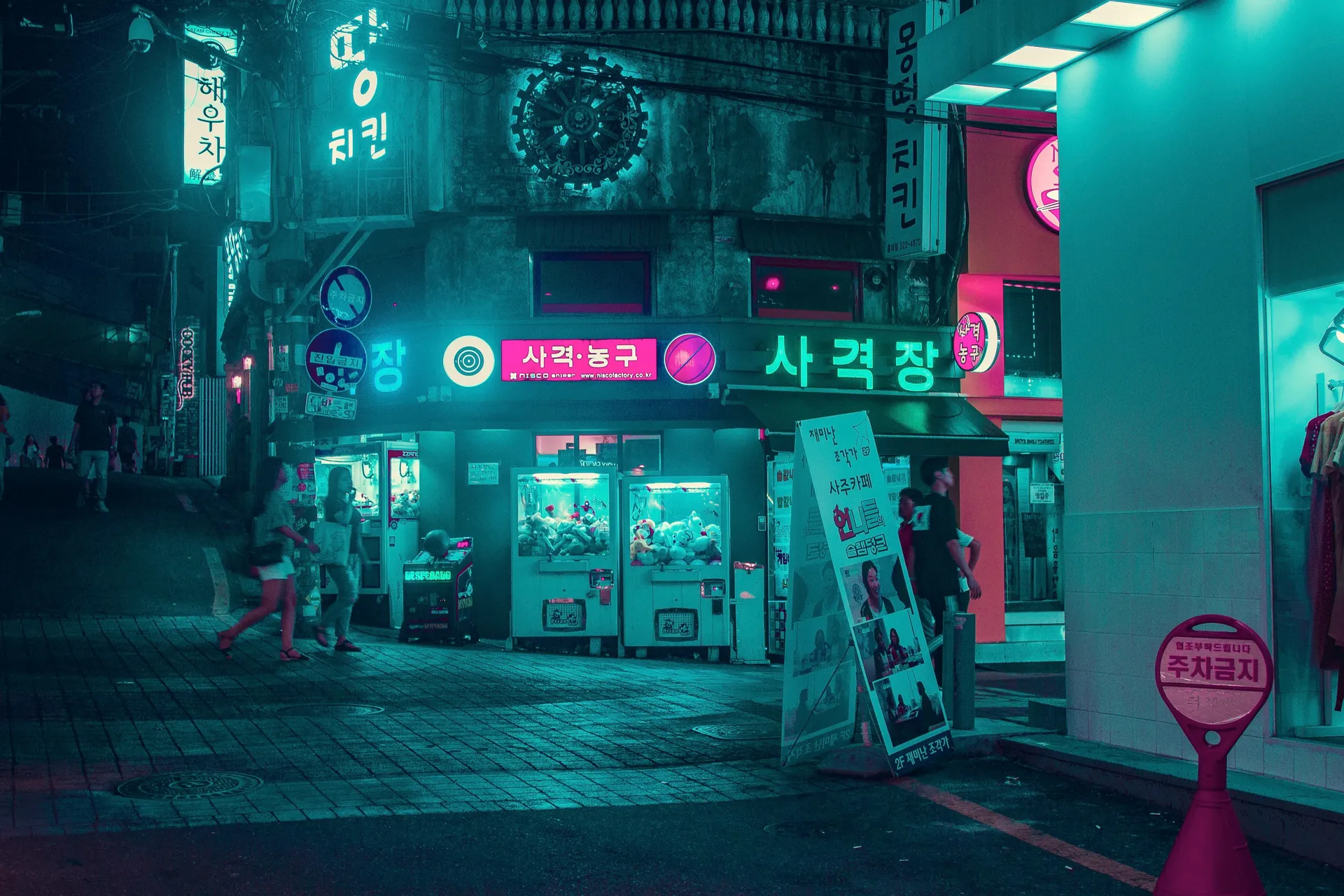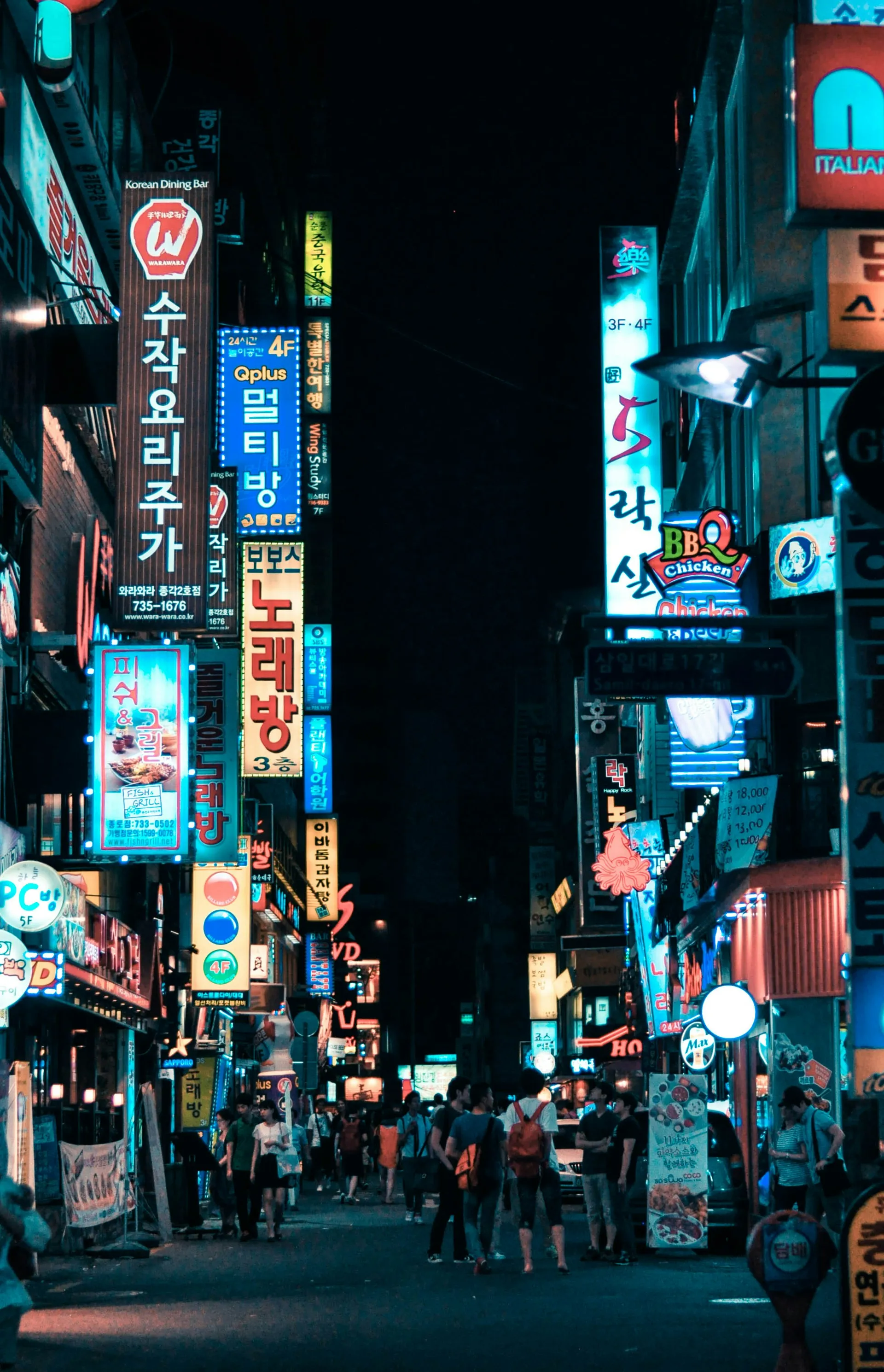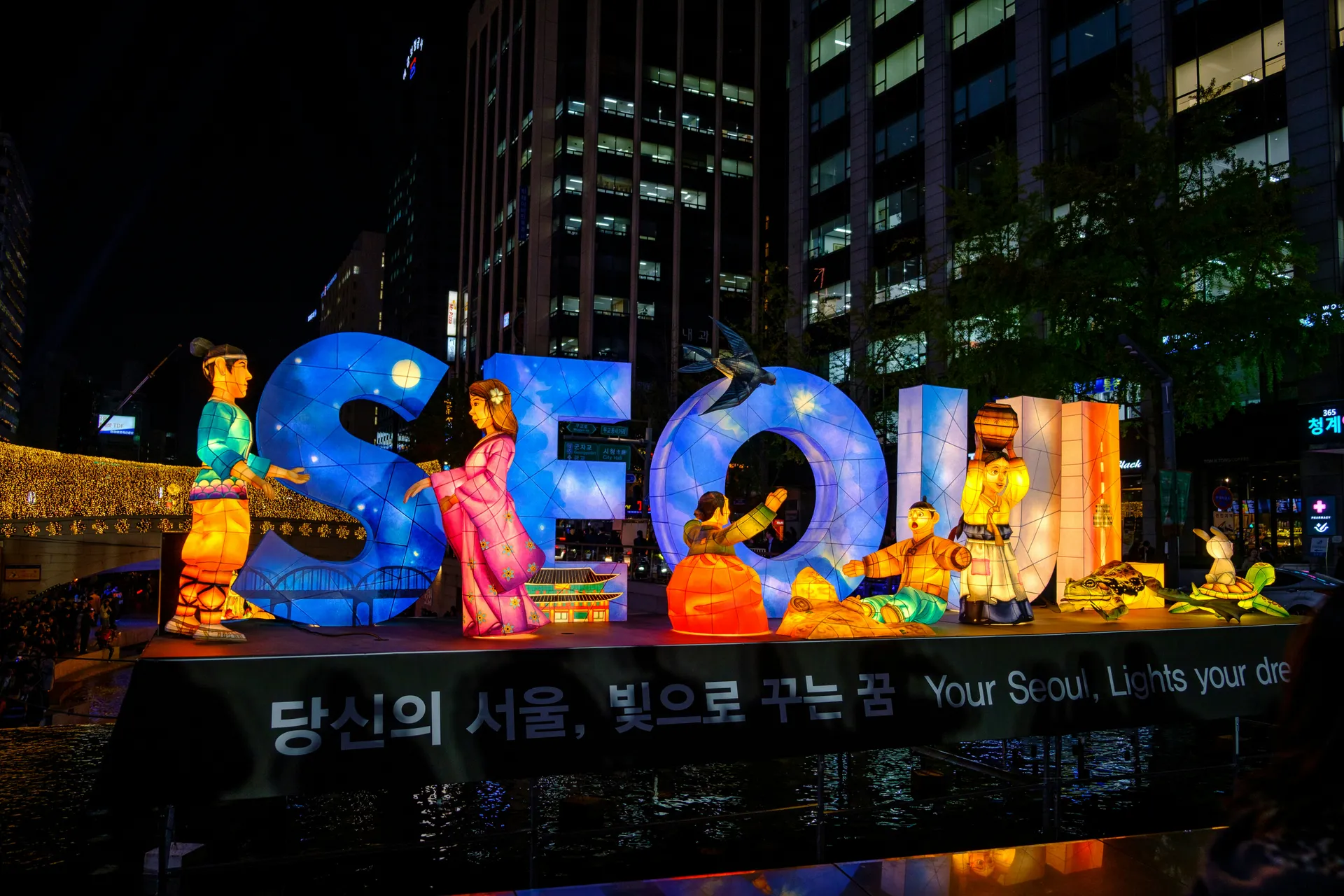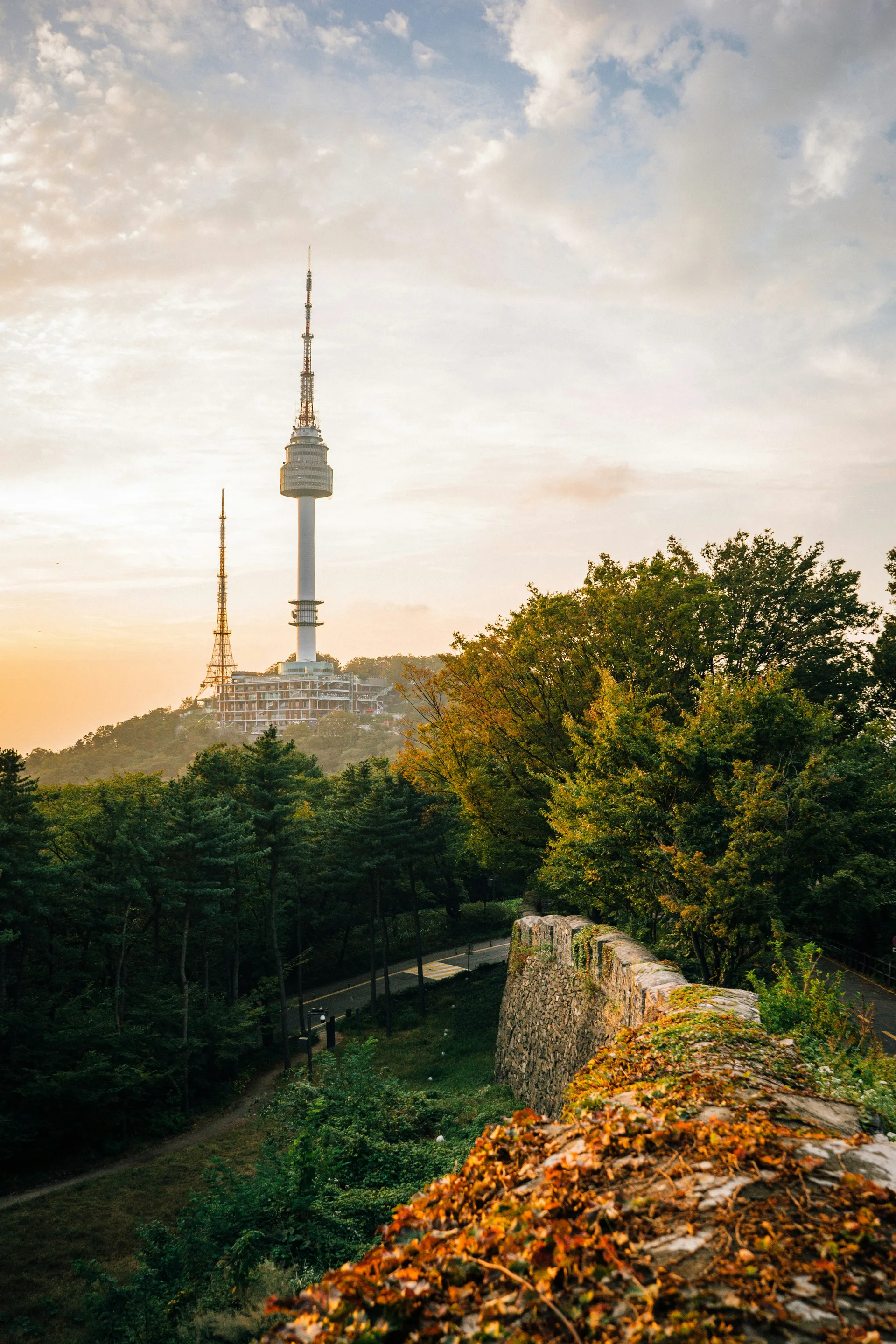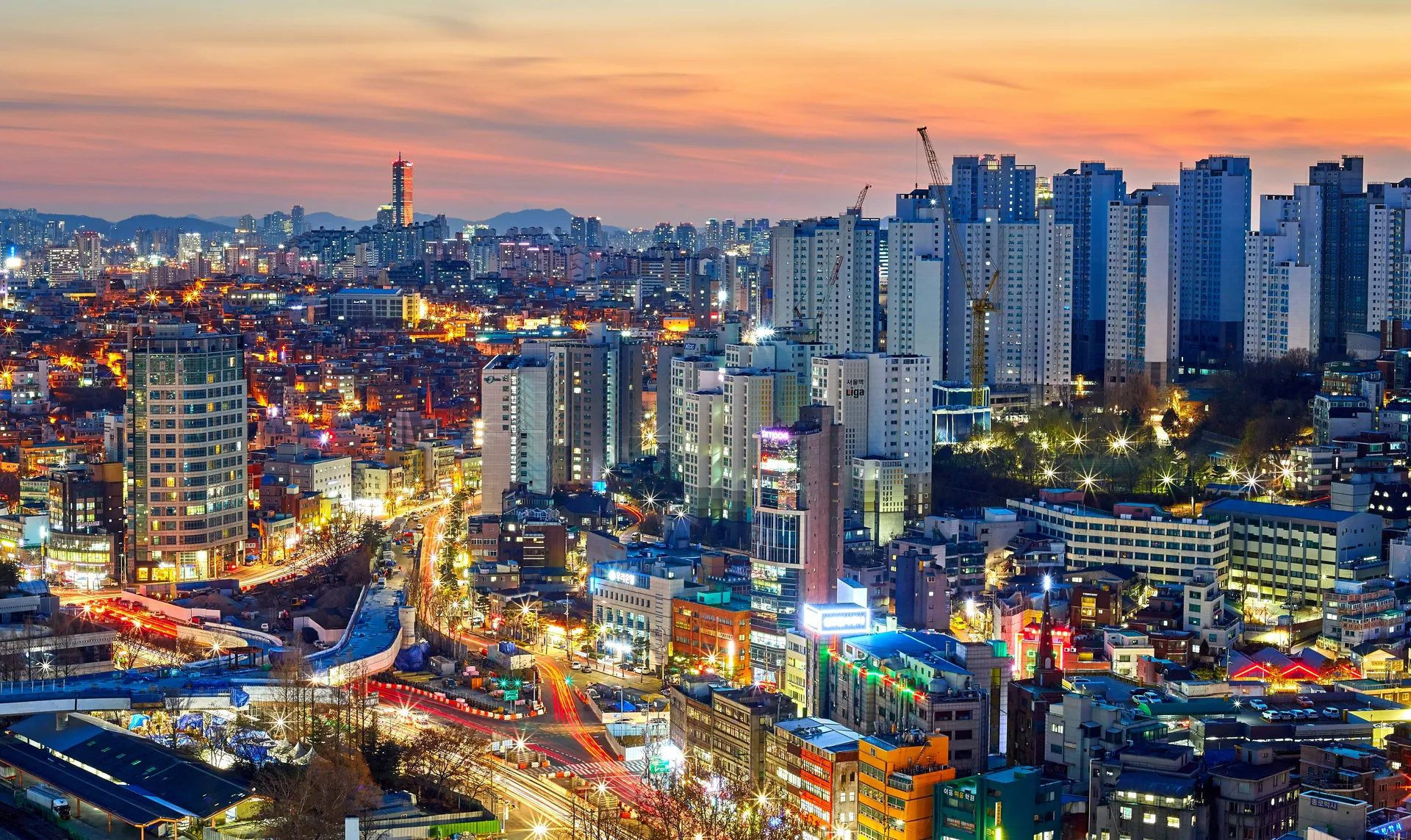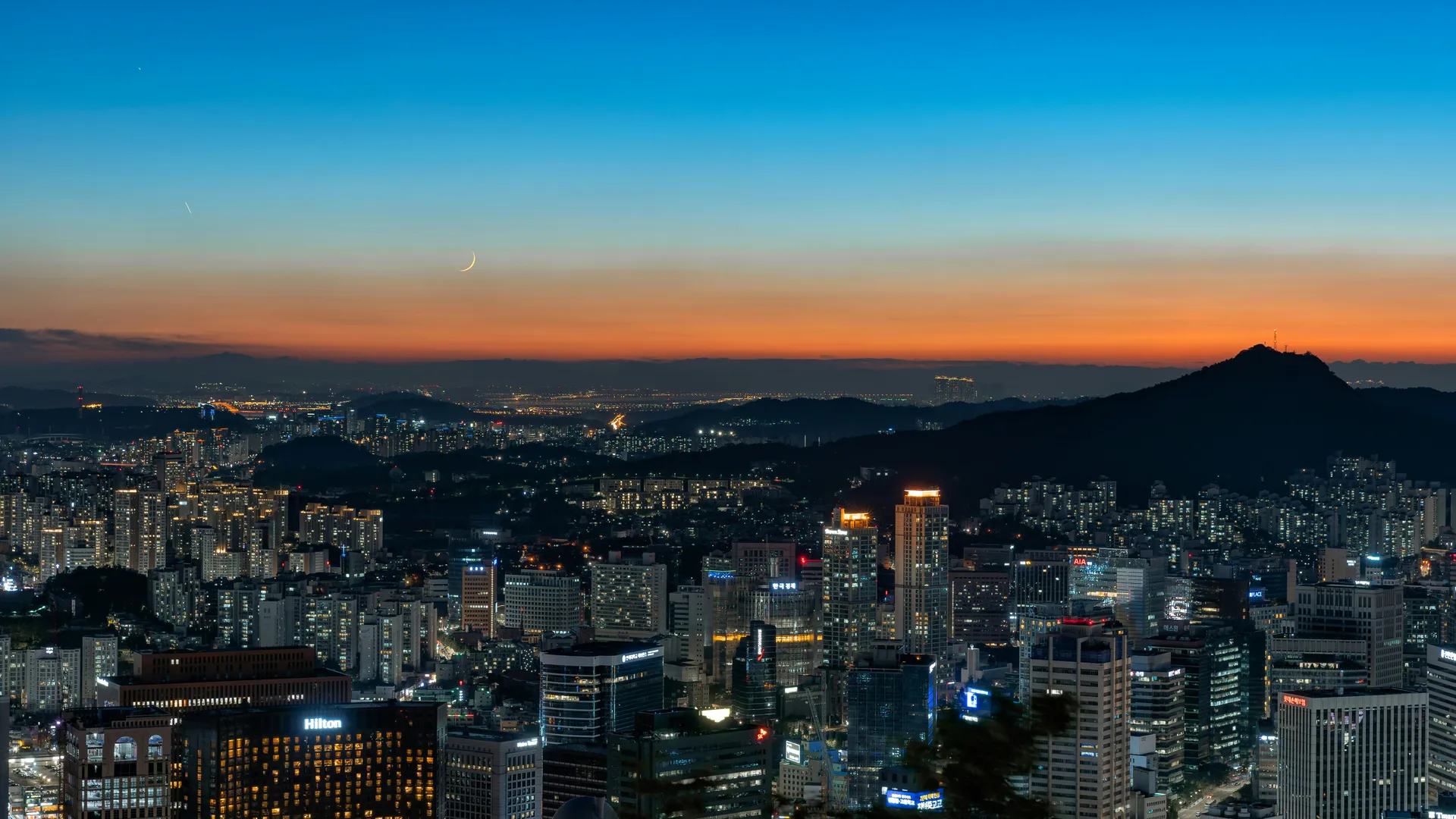
A city of ten million souls that pulses with the energy of twenty-first-century Asia while maintaining connections to five thousand years of Korean civilization, Seoul is one of the world's great capitals and one of its most underestimated. Flanked by mountains and bisected by the Han River, the city compresses ancient palaces, Buddhist temples, cutting-edge architecture, and a street food culture of extraordinary vitality into an urban landscape that shifts between the traditional and the futuristic with every city block. Seoul has emerged from the devastation of the Korean War — when the city was nearly destroyed — to become a global center of technology, design, pop culture, and gastronomy, its renaissance ranking among the most remarkable urban transformations in modern history.
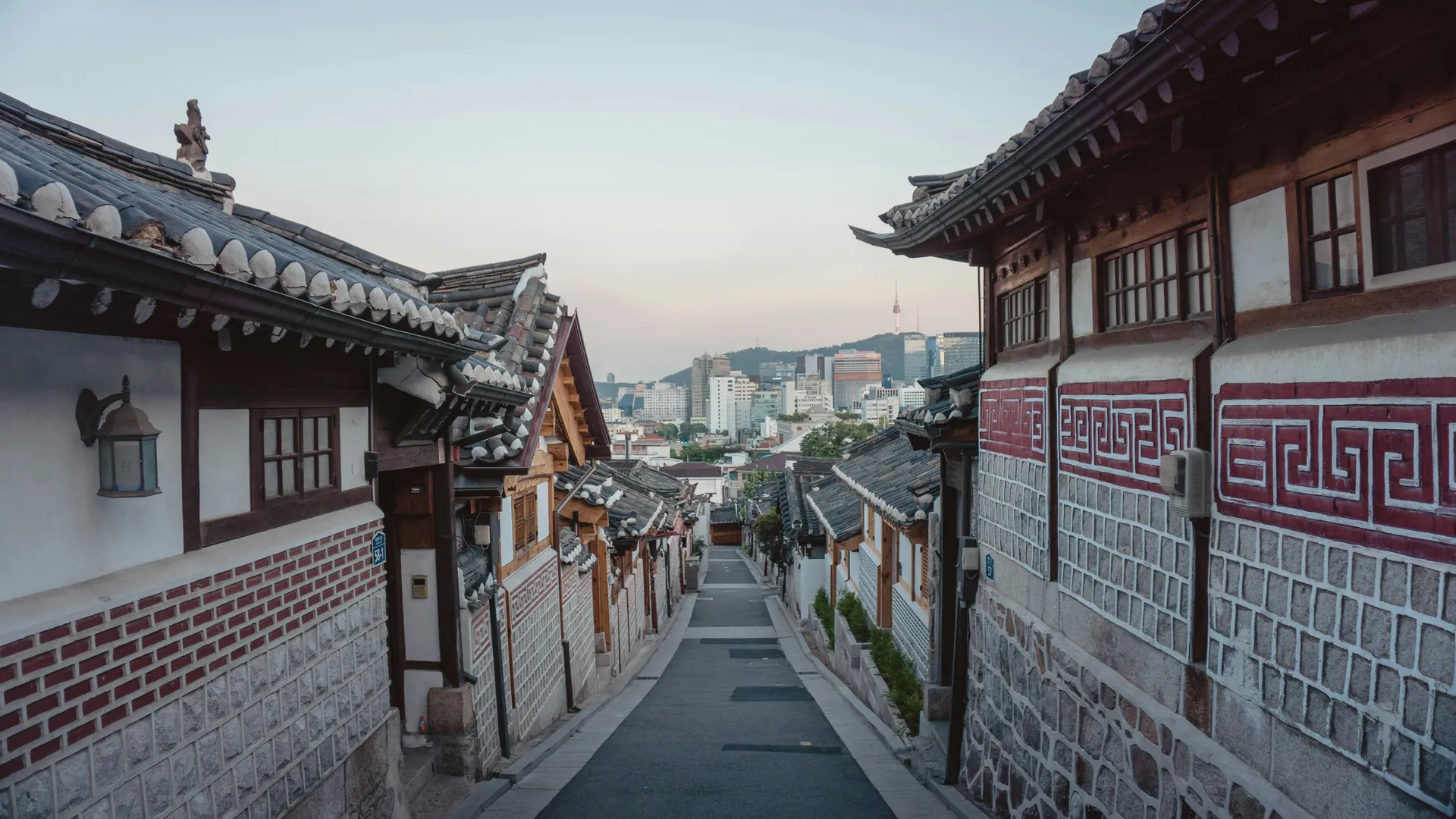
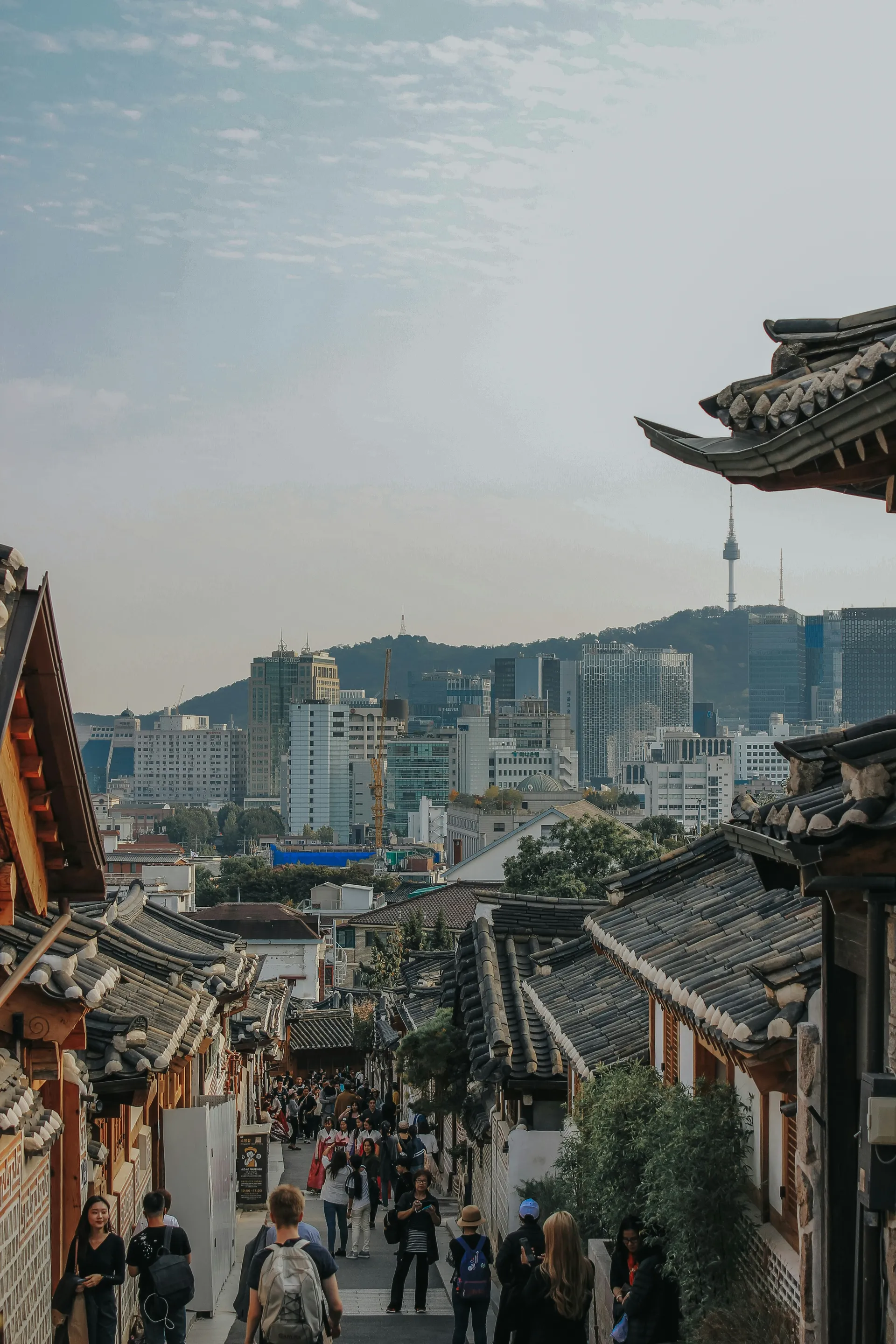
Gyeongbokgung Palace, the most magnificent of Seoul's five Joseon Dynasty royal palaces, provides the essential starting point for understanding the city's layered identity. Built in 1395 as the principal palace of the new Joseon Dynasty, its sprawling complex of throne halls, pavilions, and gardens stretches beneath the protective peaks of Bugaksan mountain in a composition that embodies the Korean principles of geomancy and cosmic harmony. The changing of the guard ceremony, performed in faithful reproduction of Joseon-era ritual, takes place at the main gate every morning — a living theatrical tradition that connects modern Seoul to its royal past. The nearby neighborhood of Bukchon, with its beautifully preserved hanok traditional houses, offers the most complete immersion in pre-modern Korean domestic architecture.
Seoul's food culture operates on multiple levels of sophistication, from Michelin-starred restaurants to the nocturnal street markets that represent Korean cuisine at its most democratic and delicious. Gwangjang Market, the city's oldest, serves teeming stalls of bindaetteok (mung bean pancakes), mayak gimbap (addictive mini rice rolls), and knife-cut noodles in broth — each vendor specializing in a single dish perfected over decades. Korean barbecue reaches its apotheosis in the restaurants of Mapo-gu, where marbled beef sizzles over charcoal and the ritual of wrapping meat in sesame leaves with garlic and ssamjang creates a participatory dining experience unique to Korean culture. Jungsik and Mingles represent the new wave of Korean fine dining, reinterpreting traditional flavors with techniques that have earned international critical acclaim.
The contrast between ancient and contemporary Seoul creates a creative tension that fuels the city's cultural energy. Dongdaemun Design Plaza, Zaha Hadid's spectacular neo-futuristic landmark, hosts fashion shows and design exhibitions in a building that seems to have arrived from a science fiction future. The Leeum Samsung Museum of Art houses Korean cultural treasures alongside works by Warhol and Rothko. The neighborhoods of Hongdae and Itaewon pulse with the youth culture that powers K-pop, Korean fashion, and the creative industries that have made Korean soft power a global force. Yet amid this modernity, the Buddhist temples of Jogyesa and Bongeunsa maintain islands of contemplative calm.
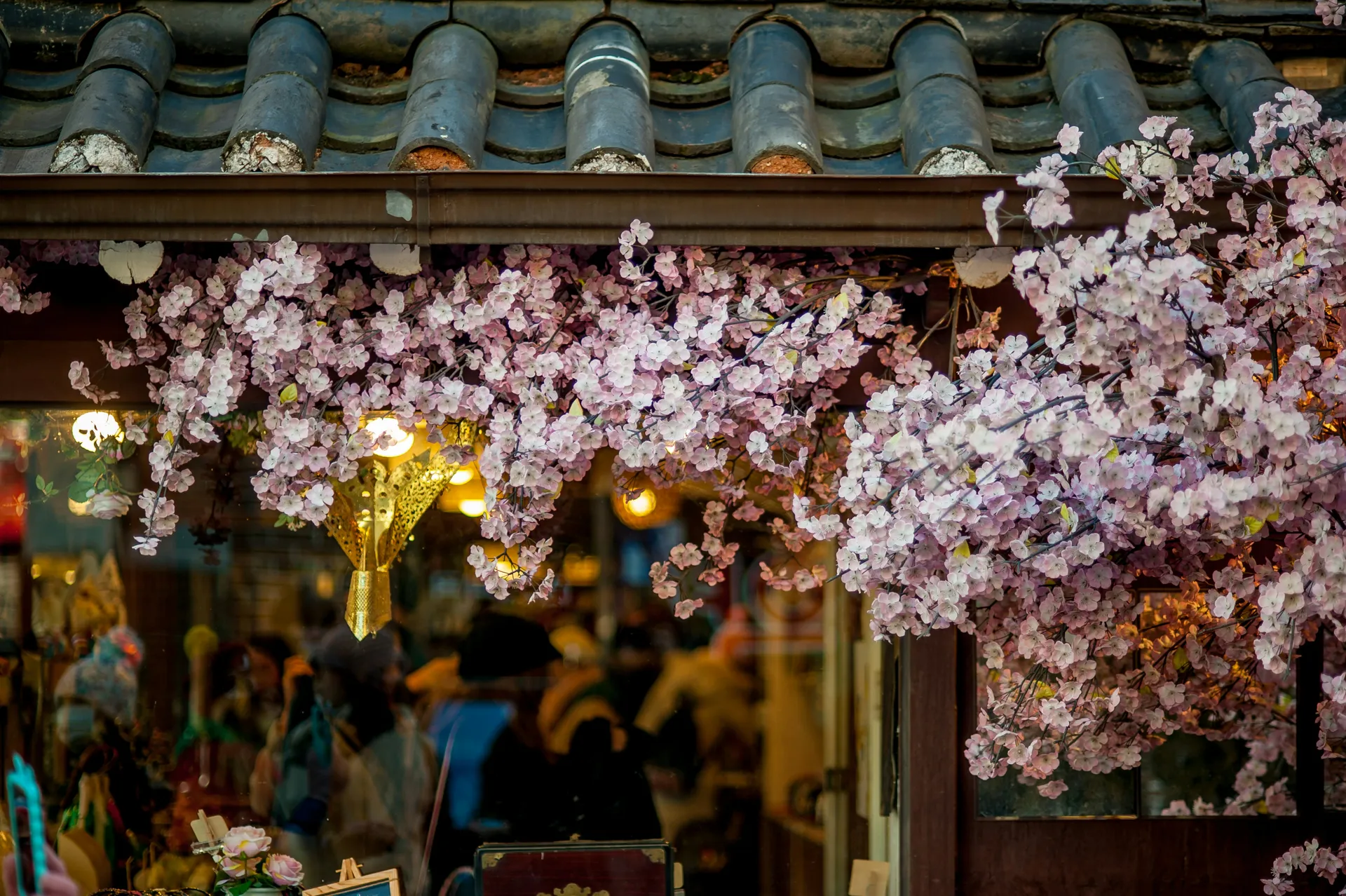
Azamara and Holland America Line include Seoul in their East Asian itineraries, typically through the port of Incheon, located about an hour from the city center. The Korean Demilitarized Zone, one of the Cold War's most potent remaining symbols, lies within day-trip distance and provides a sobering counterpoint to Seoul's exuberant vitality. The city is magnificent in every season: cherry blossoms and palace gardens in April, the lush green of summer, the spectacular autumn foliage of October, and the crisp winter days when Joseon palaces are dusted with snow. Nearby Busan and the historic city of Gwangju offer further dimensions of Korean cultural exploration.