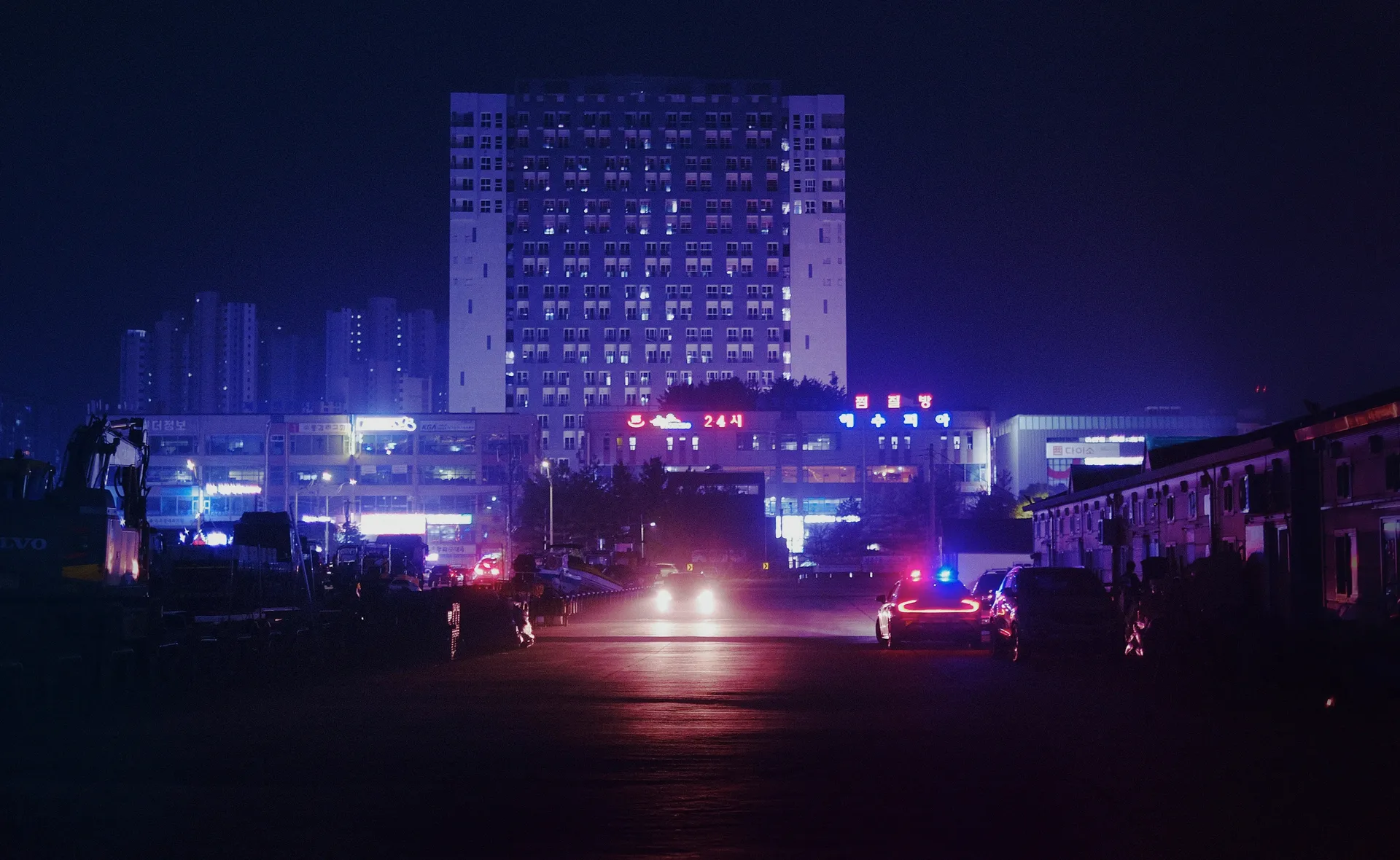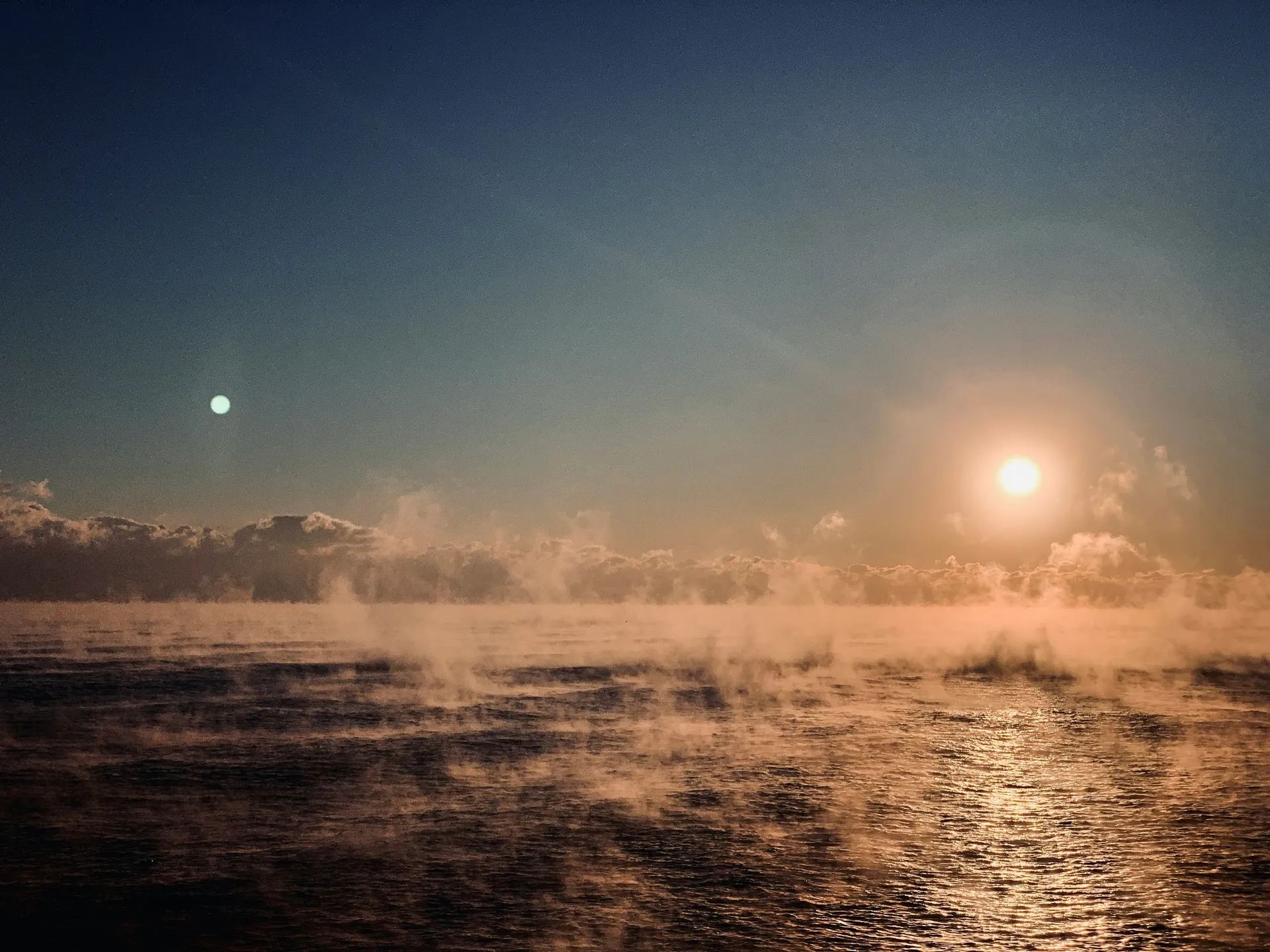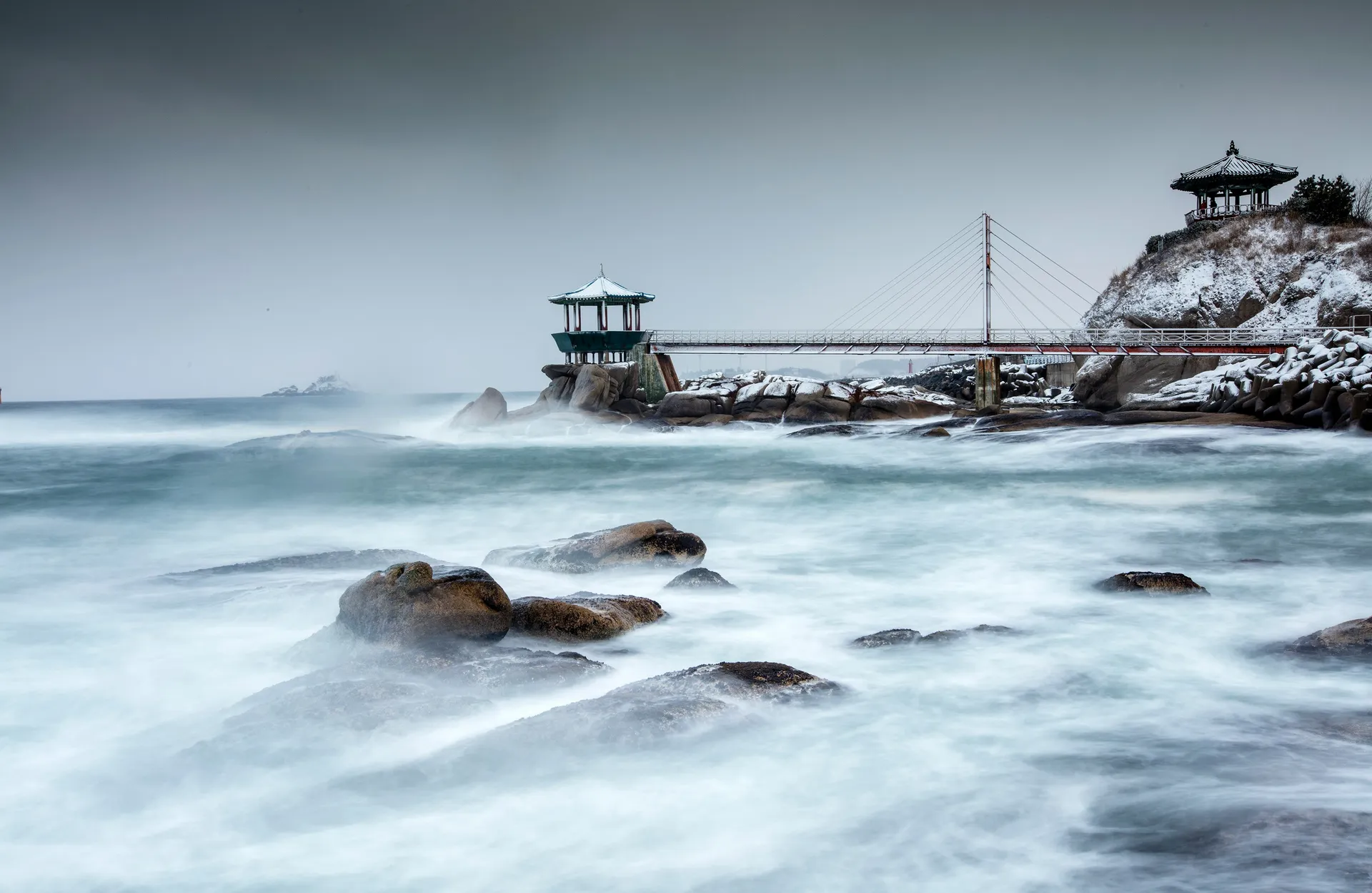
Nestled between the dramatic peaks of Seoraksan National Park and the sparkling waters of the East Sea, Sokcho is a coastal city in northeastern South Korea that combines world-class mountain scenery with some of the country's freshest seafood and a distinctive border-town character shaped by its proximity to the Korean Demilitarized Zone. For cruise passengers, it offers an extraordinary convergence of natural beauty, culinary excellence, and geopolitical significance found nowhere else in East Asia.
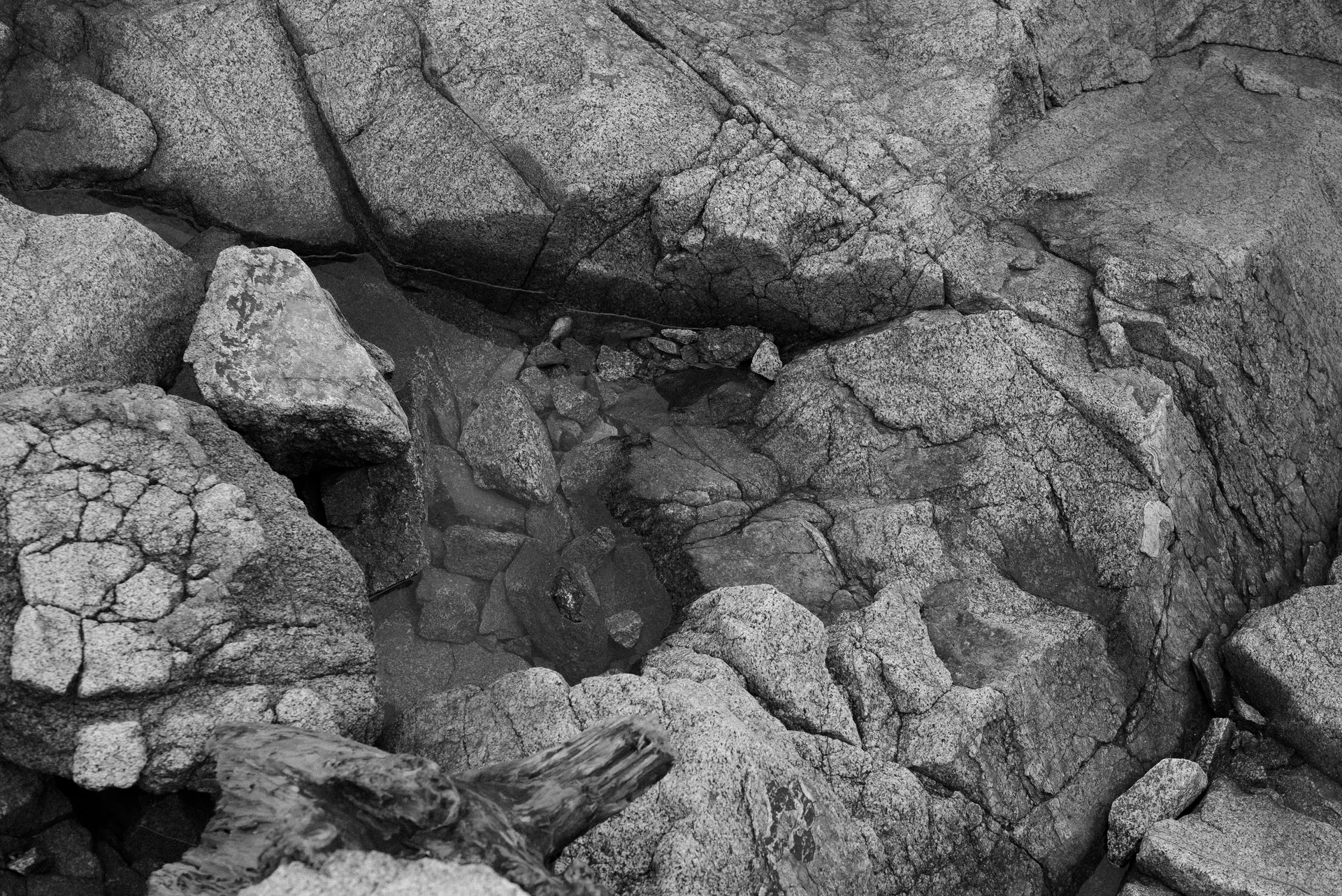
Seoraksan National Park, rising immediately behind the city to a height of 1,708 meters at Daecheongbong peak, is one of South Korea's most spectacular natural areas and a UNESCO Biosphere Reserve. The park's granite pinnacles, ancient forests, and cascading waterfalls have inspired Korean artists and poets for centuries. A cable car ascends to Gwongeumseong Fortress, where panoramic views stretch from the mountain peaks to the sea. For more ambitious hikers, the trail to Ulsanbawi Rock — a formation of six granite peaks connected by a ridge of knife-edge slabs — rewards the effort with views that are genuinely staggering. In autumn, the park's maples and oaks transform the mountainsides into a blaze of crimson and gold that draws visitors from across Asia.
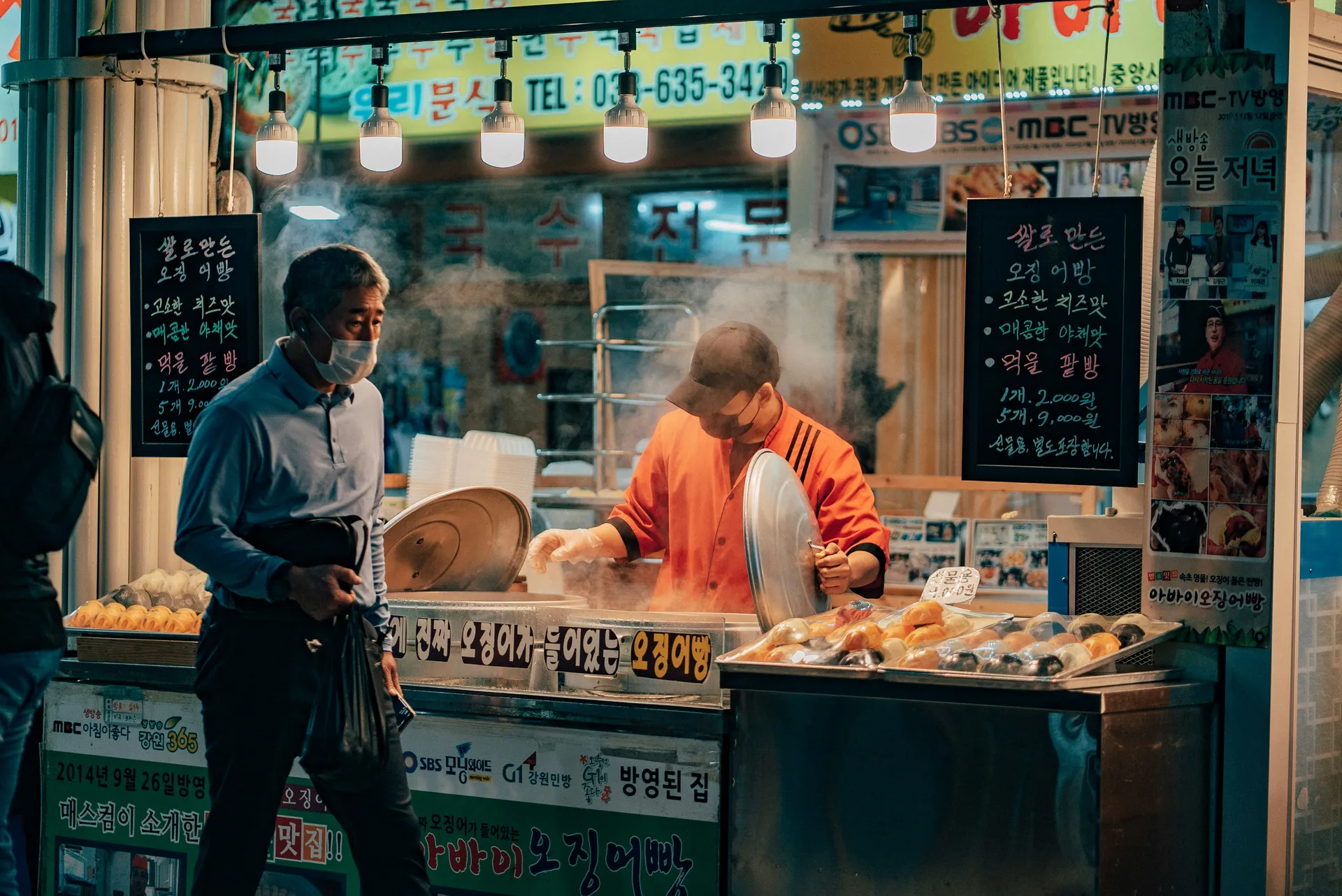
Sokcho's culinary scene revolves around its exceptional seafood. The city's Jungang Market and the Daepo Port area offer a vivid introduction to Korean seafood culture — stalls piled with live king crab, sea squirts, abalone, and dozens of fish species, many of which can be selected and prepared on the spot as hoe (Korean-style sashimi). The local specialty, mulhoe — raw fish in a cold, spicy broth — is a refreshing revelation, particularly on warm days. The nearby Abai Village, founded by refugees from North Korea after the Korean War, serves distinctive northern Korean dishes including sundae (blood sausage) and ojingeo sundae (stuffed squid) that are difficult to find elsewhere in the South.
The city's proximity to the DMZ adds a sobering dimension to any visit. The Unification Observatory, located north of Sokcho, provides views across the fortified border into North Korea — a reminder that this beautiful coastline lies just fifty kilometers from one of the world's most heavily militarized boundaries. The contrast between the natural paradise of Seoraksan and the geopolitical tension of the nearby border creates an emotional complexity that distinguishes Sokcho from other Korean coastal cities.
Sokcho's cruise terminal accommodates vessels of moderate size, with larger ships anchoring offshore and tendering passengers to the port area. The city is compact enough for independent exploration, though excursions to Seoraksan typically require organized transport. The autumn foliage season from late September through October is widely considered the best time to visit, when the mountain colors reach their peak. Spring (April-May) brings cherry blossoms and azaleas, while summer offers warm beach days and the freshest seafood. Winter is cold but dramatically beautiful, with snow-covered peaks providing a stark contrast to the deep blue sea.