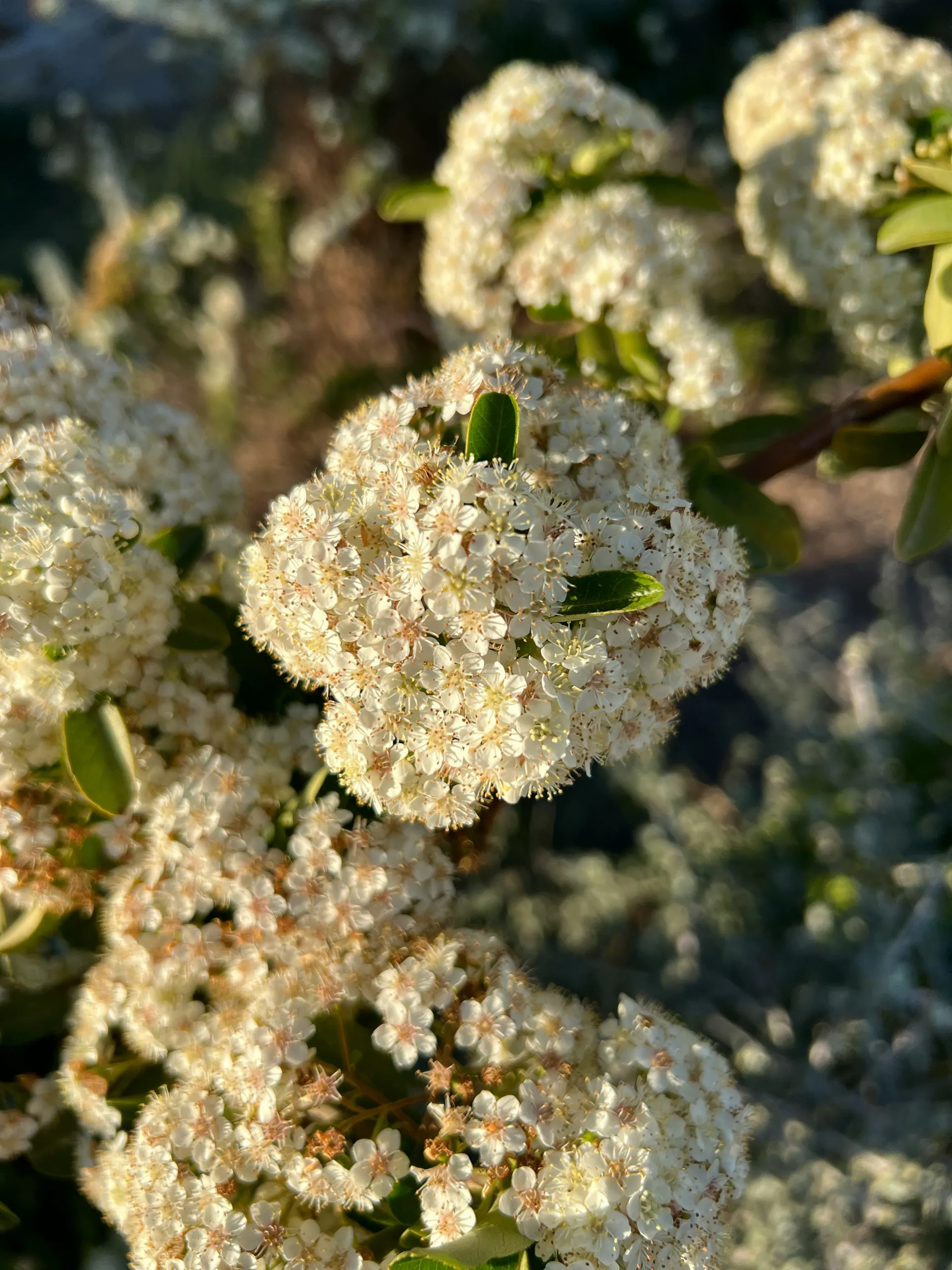
Castellon de la Plana — or simply Castellon — sits at the heart of Spain's Costa del Azahar, the "Orange Blossom Coast," where the scent of citrus groves perfumes the Mediterranean air from March through May. Capital of the province that bears its name, this mid-sized city of 170,000 occupies a fertile coastal plain backed by the rugged Serra d'Espada mountains, offering a genuine slice of Valencian life far removed from the tourist circuits that crowd the Costa Blanca to the south.
The city's historic center clusters around the Plaza Mayor, a handsome arcaded square anchored by the Catedral de Santa Maria, a Gothic church whose original structure dates to the thirteenth century. The freestanding El Fadri bell tower — an octagonal campanile rising 58 meters — is Castellon's most recognizable landmark, its elegant silhouette visible from miles across the huerta that surrounds the city. The nearby Museo de Bellas Artes houses an impressive collection of Spanish painting from the medieval period through the twentieth century, including significant works from the Valencian school.
Castellon's gastronomic identity revolves around rice — this is the heartland of authentic Valencian cuisine, where paella originated not as a tourist attraction but as a farmworker's lunch. The local version, arroz a banda, cooks rice in a concentrated fish stock and serves it with alioli; the more elaborate arroz negro gets its dramatic black color from squid ink. The city's central market, Mercat Central, is a temple of Mediterranean produce: artichokes, tiger nut horchata, sobrasada sausage, and mounds of glistening Vinaros prawns that rank among Spain's finest shellfish.
The coast east of the city center — Castellon's Grao district and port area — provides access to long, uncrowded Mediterranean beaches that stretch north toward Benicassim, a former aristocratic summer retreat now famous for its music festivals and art nouveau villas. To the south, the Columbretes Islands marine reserve — a volcanic archipelago 50 kilometers offshore — shelters important seabird colonies and some of the western Mediterranean's healthiest Posidonia seagrass meadows, accessible by guided boat excursions. Inland, the medieval hill town of Vilafames and the dramatic Coves de Sant Josep underground river caves make excellent day trips.
The port of Castellon (El Grao) handles both commercial shipping and occasional cruise calls, with the city center approximately four kilometers inland — connected by a vintage tram line that is itself a charming experience. The Mediterranean climate delivers over 300 days of sunshine annually, with the most pleasant visiting conditions from April through June and September through November. Summer can be intensely hot. Castellon is a port for travelers who relish discovering an authentic Spanish city — one that feeds brilliantly, celebrates loudly, and has yet to be discovered by the wider world.