Ceuta: Where Europe Meets Africa at the Pillars of Hercules
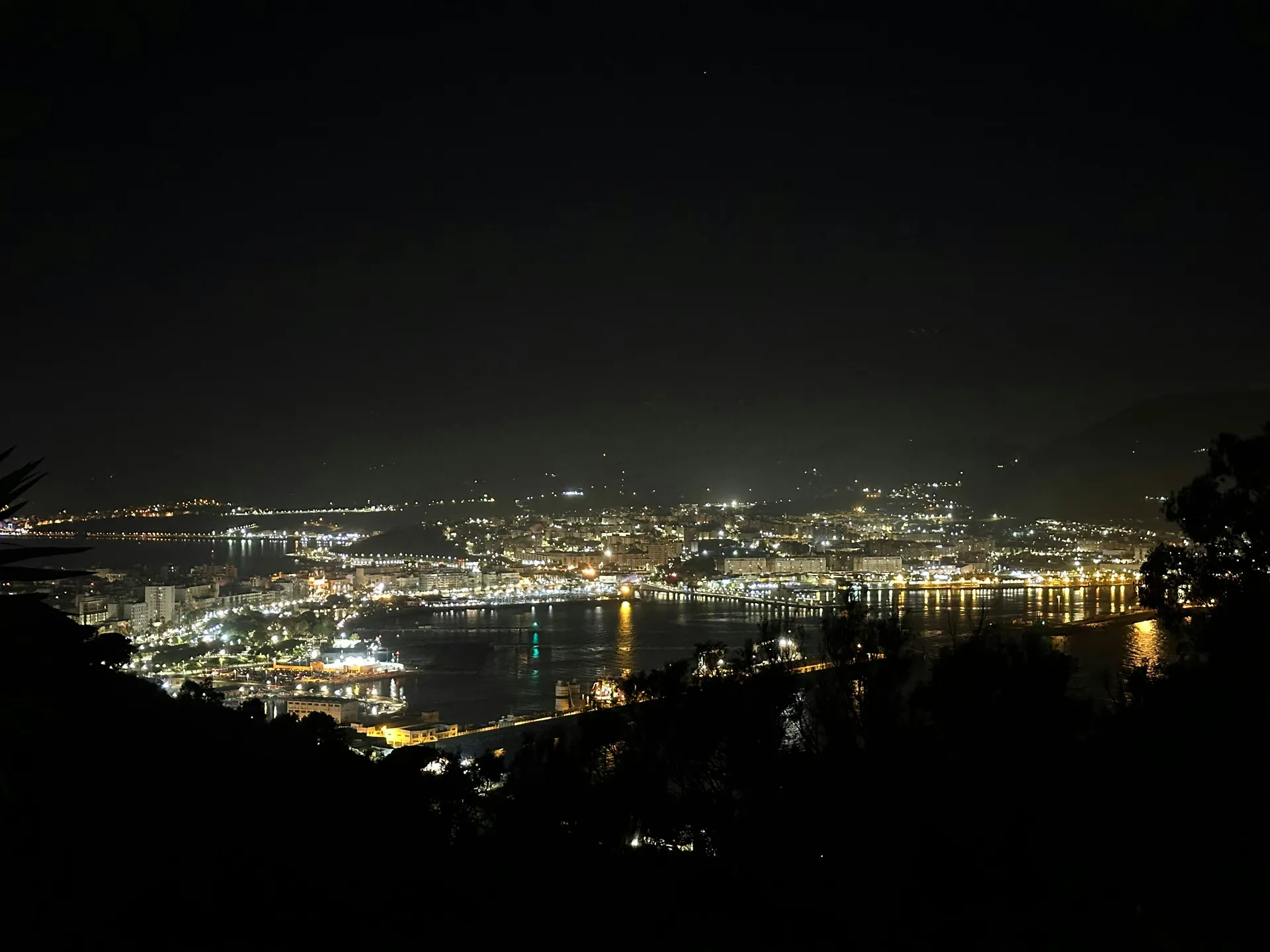
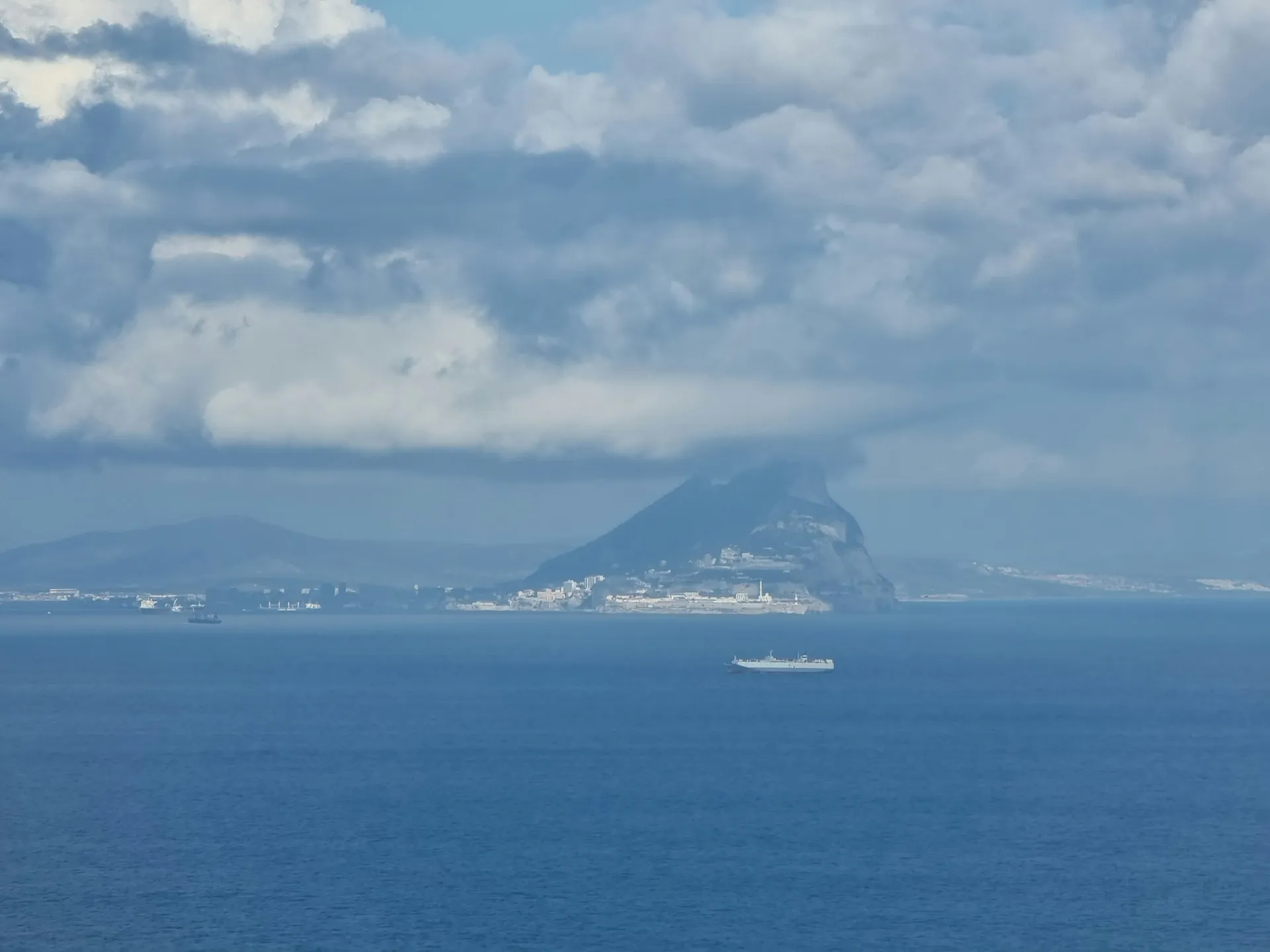
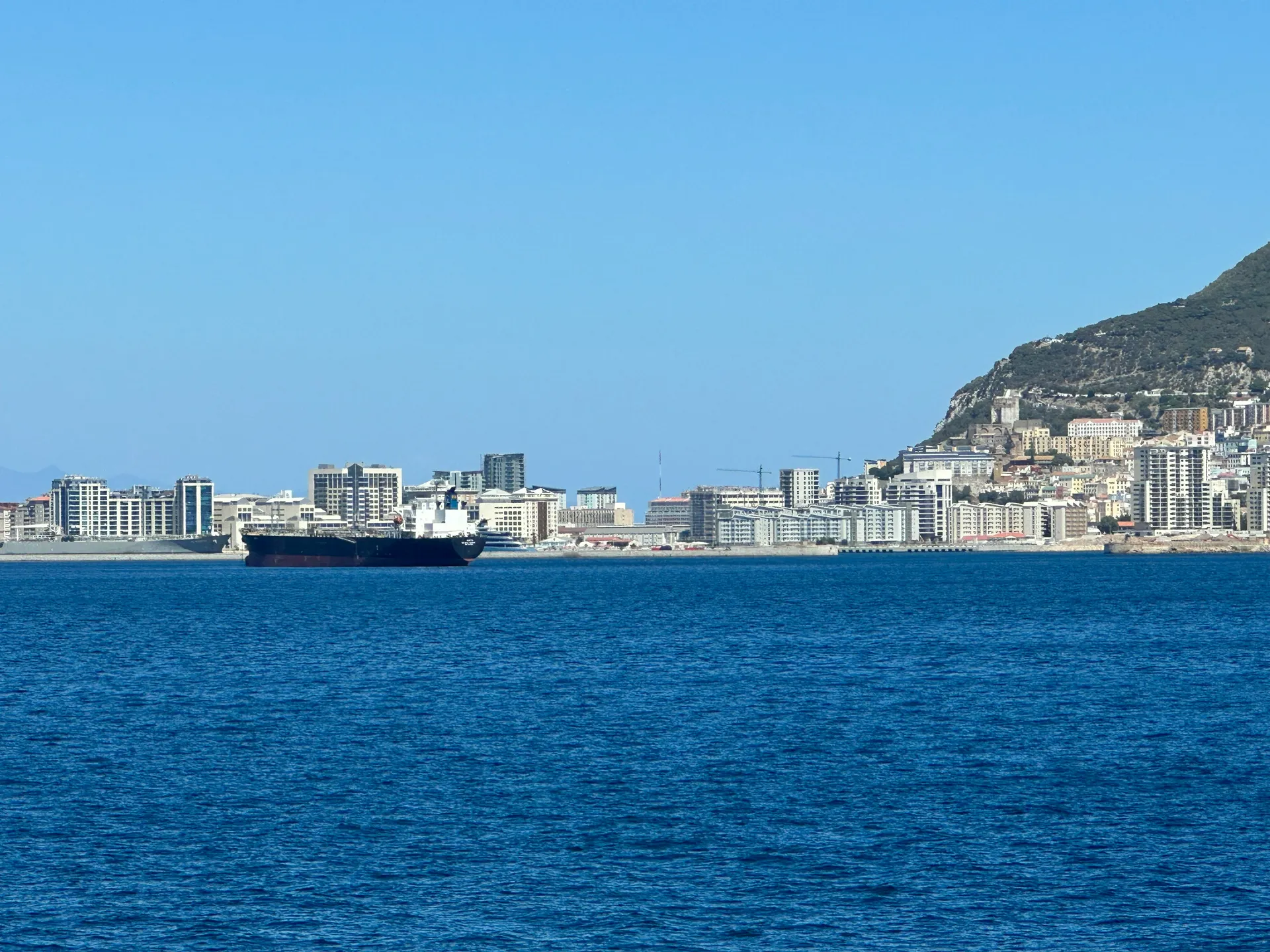
Ceuta occupies one of the most geographically dramatic positions in the world — a tiny Spanish enclave of just nineteen square kilometres perched on the African side of the Strait of Gibraltar, directly facing the Rock of Gibraltar across twelve kilometres of churning Mediterranean waters. The ancients knew this promontory as Abyla, the southern Pillar of Hercules, marking the boundary of the known world. Ceuta has been coveted by every Mediterranean power: Carthaginians, Romans, Vandals, Byzantines, and Arab dynasties all held it before the Portuguese captured the city in 1415 — an expedition that launched the Age of Discovery and established Prince Henry the Navigator's reputation. Spain gained control in 1668, and despite Morocco's periodic claims, Ceuta remains a Spanish autonomous city, one of only two on the African continent.
The character of Ceuta is shaped by this extraordinary layering of civilisations. The Royal Walls, a monumental fortification system rebuilt by the Portuguese and expanded by the Spanish, stretch across the isthmus connecting the city to the African mainland — their moats, bastions, and drawbridges among the best-preserved military architecture in the western Mediterranean. Within the old city, the Cathedral of Our Lady of the Assumption presides over the Plaza de Africa with a Baroque confidence that could belong to any Andalusian town. Yet turn a corner and you encounter the hammam-style baths beneath the Marinid walls, or the minaret-like tower of the Church of Our Lady of Africa, built deliberately to echo the Islamic architecture it replaced. Ceuta's population is roughly half Christian and half Muslim, and this coexistence — sometimes tense, often harmonious — gives the city its singular character.
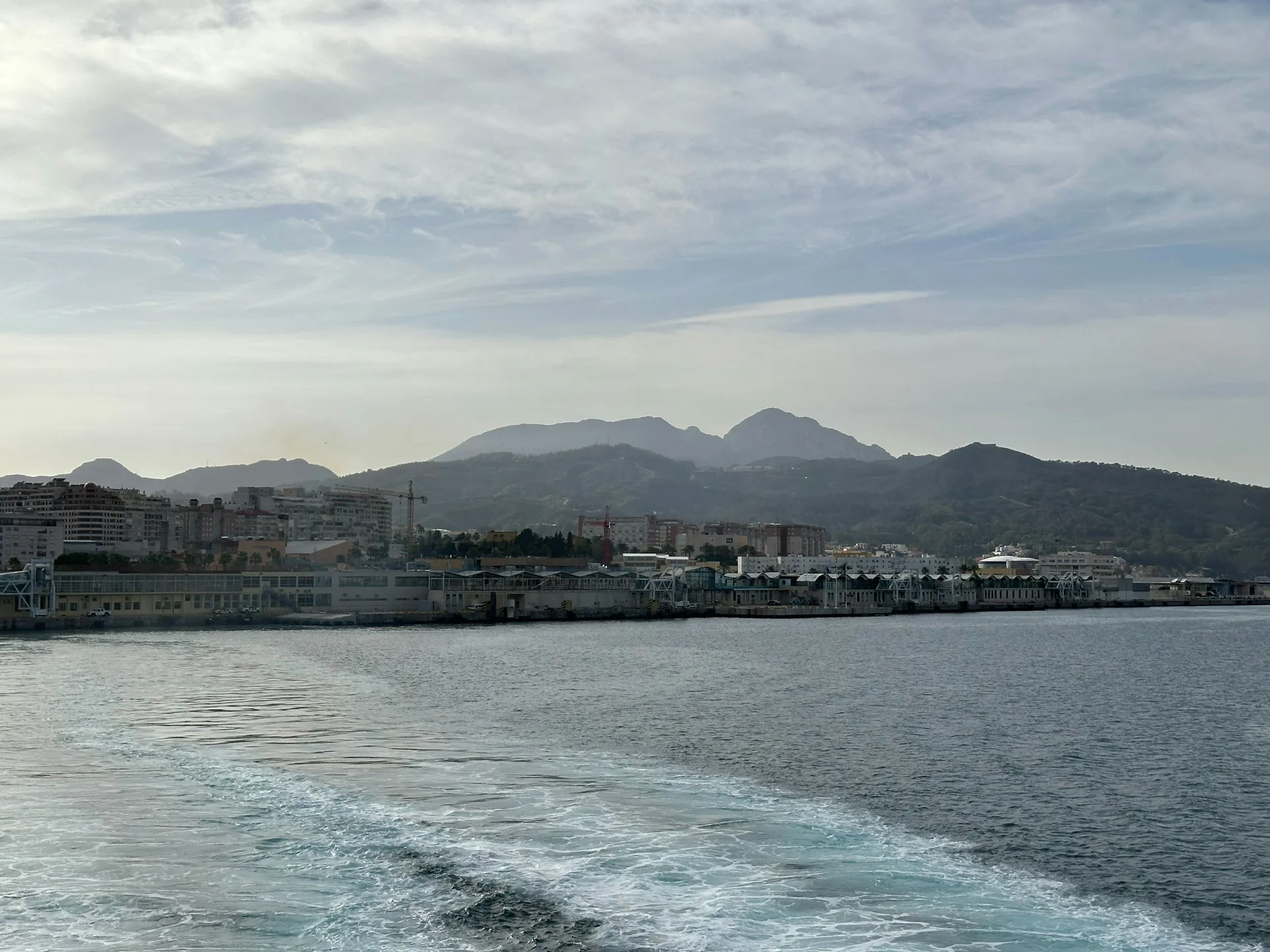
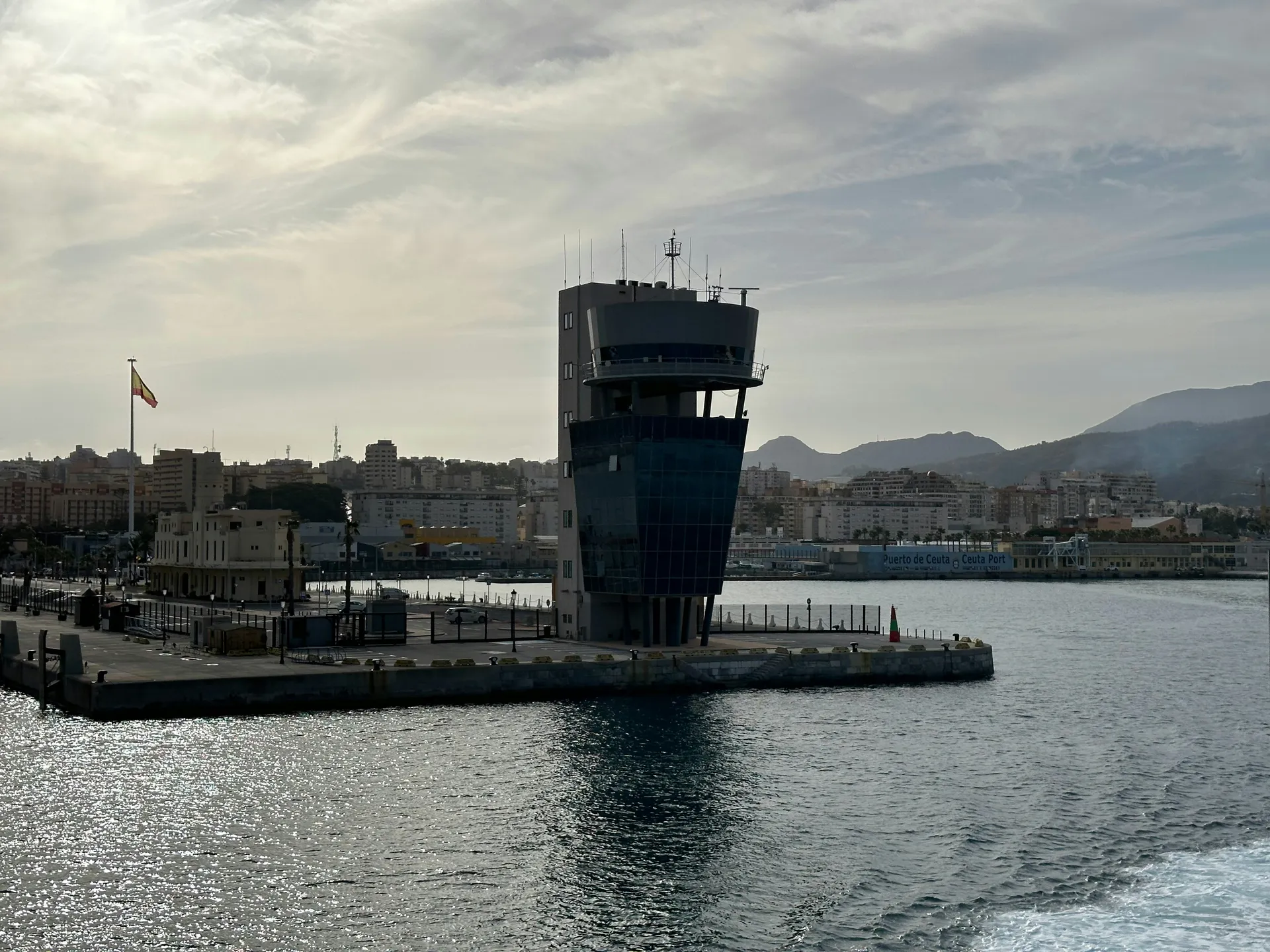
The culinary landscape of Ceuta is a delicious collision of Spanish and Moroccan traditions. Tapas bars along Calle Real serve patatas bravas, gambas al ajillo, and jamón ibérico alongside mint tea and Moroccan pastilla — flaky pastry filled with pigeon or chicken, dusted with cinnamon and powdered sugar. The fish market near the harbour is exceptional: fresh-caught swordfish, red mullet, and sardines grilled simply with sea salt and served with crusty bread. El Refectorio, in the old town, offers upscale Mediterranean cuisine in a restored colonial building, while the cafés along the Paseo del Revellín provide front-row seats to the constant marine traffic threading through the strait — container ships, ferries, and fishing boats against a backdrop of the Moroccan Rif Mountains.
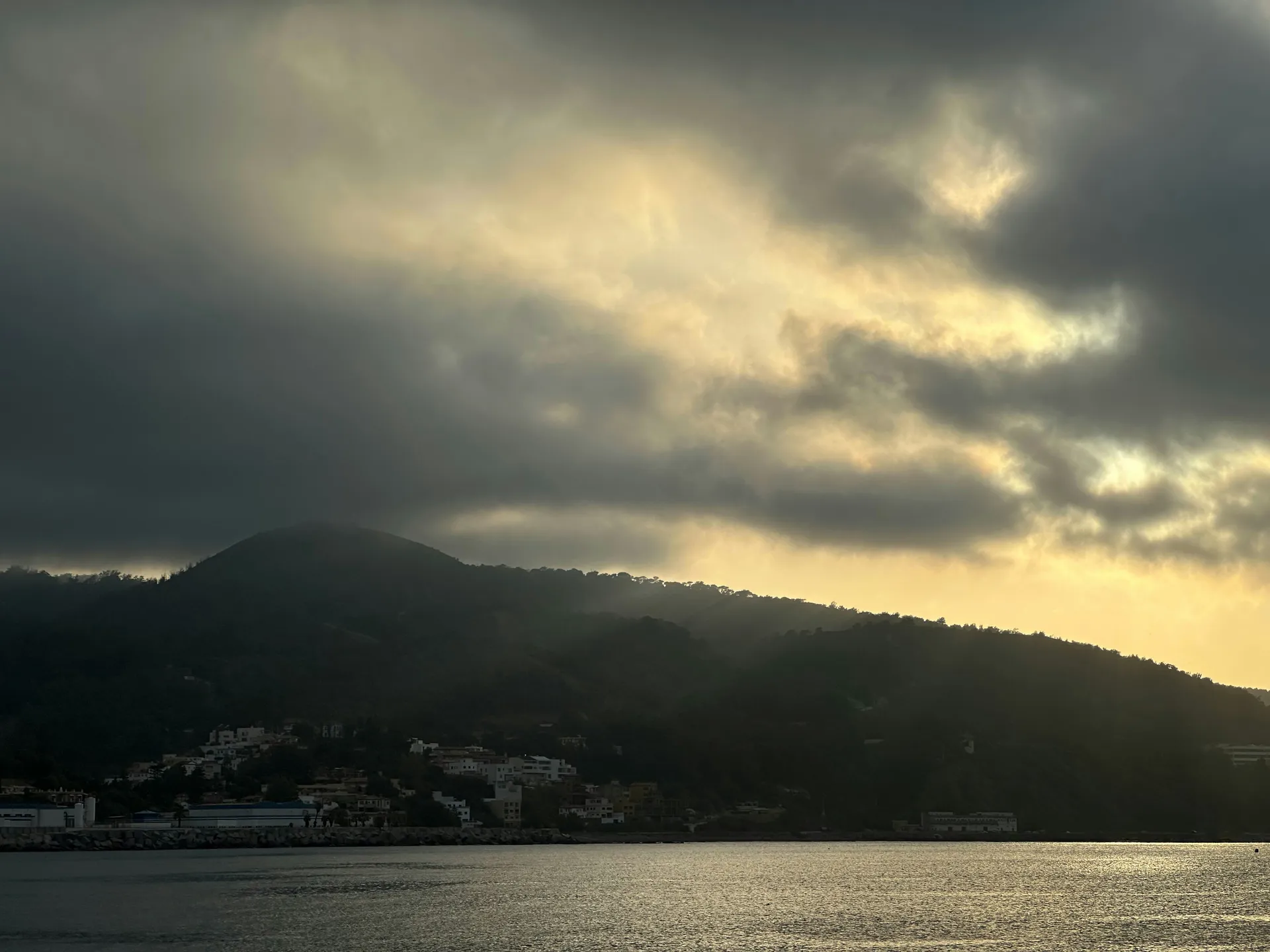
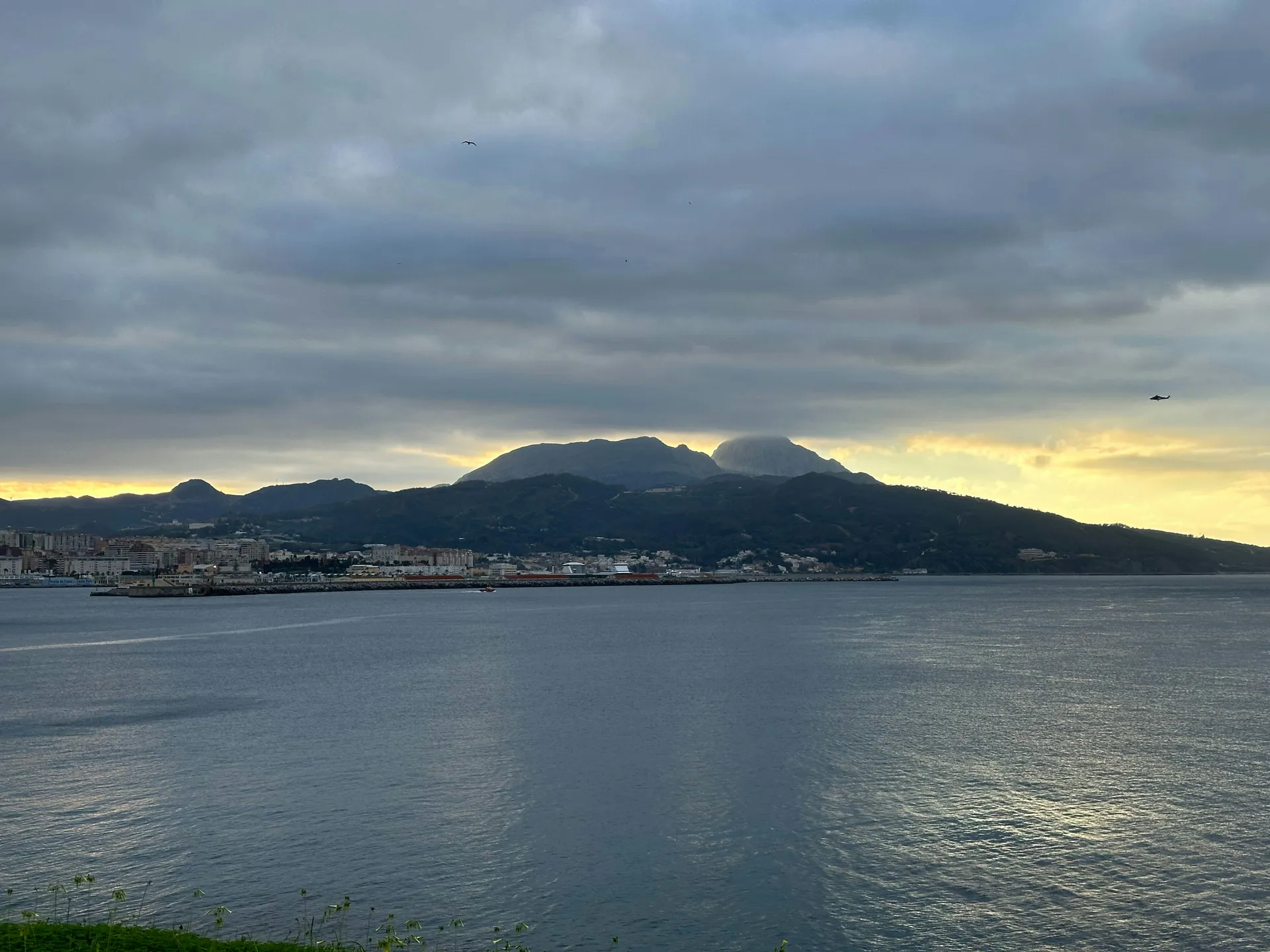
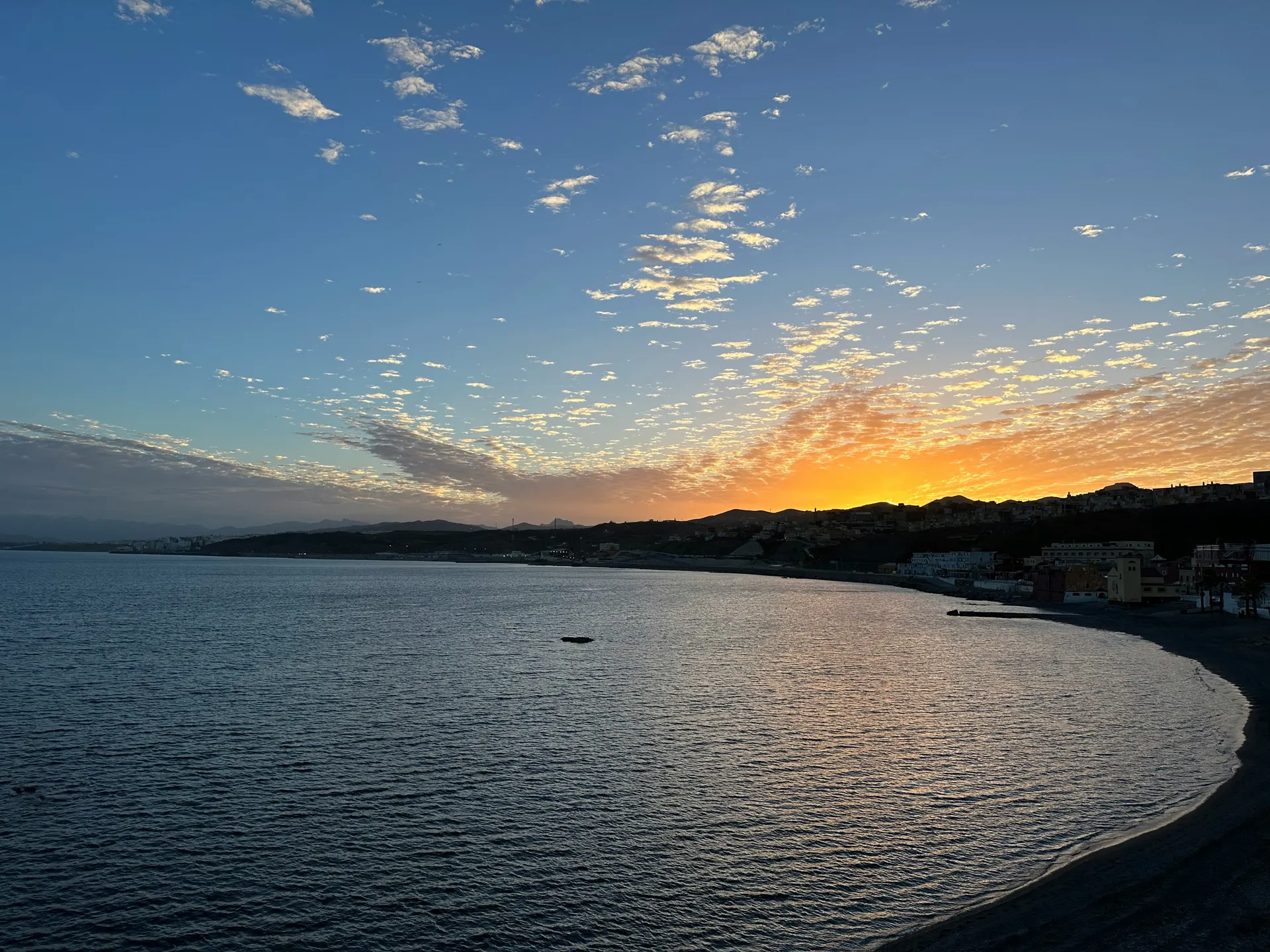
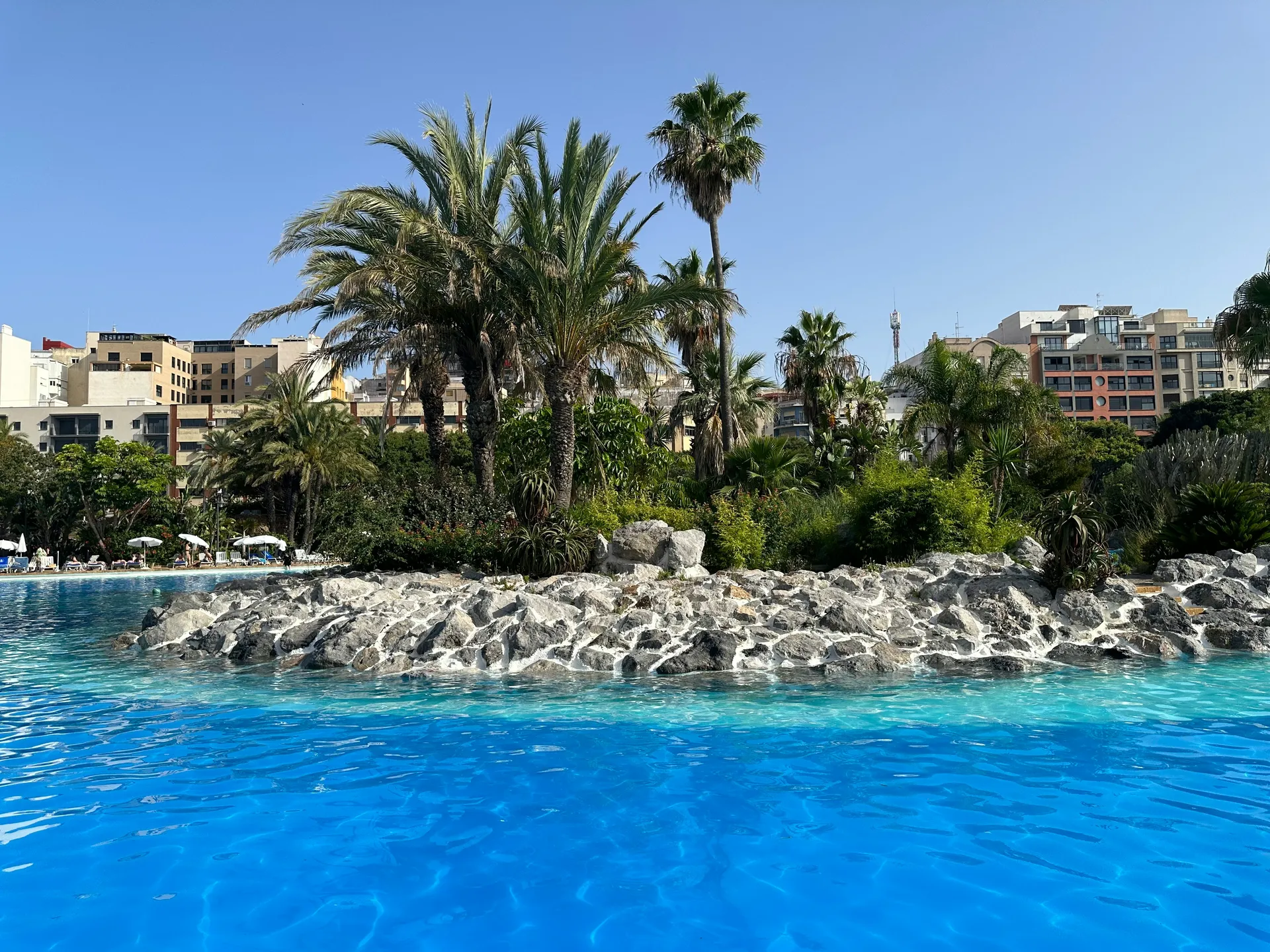
Monte Hacho, the extinct volcanic peak that forms Ceuta's easternmost point, is the ancient Abyla itself. A drive or hike to its summit reveals panoramic views across three bodies of water — the Mediterranean, the Strait of Gibraltar, and the Atlantic approaches — along with the Fortress of Hacho, a sixteenth-century military installation still in use. The Desnarigado Military Museum near the summit documents the fortification's history and offers one of the most commanding viewpoints in the western Mediterranean. Below, the Playa de la Ribera provides a surprisingly pleasant urban beach, while the Maritime Park — a saltwater swimming complex built into the rocky coastline — is a favourite local gathering spot.
Ambassador Cruise Line, Cunard, MSC Cruises, and Seabourn include Ceuta on their western Mediterranean and Atlantic repositioning itineraries. The port is small enough to walk everywhere, and the experience of standing on African soil while surrounded by Spanish architecture, hearing both Arabic and Castilian on the streets, and gazing across the strait to Europe creates a cognitive dissonance that is utterly unique in cruise travel. Visit between April and October for warm weather and calm seas, with spring being particularly lovely when the hillsides bloom.