El Hierro is the smallest, the youngest, and the least visited of the Canary Islands — and it wears all three distinctions like badges of honour. This volcanic island, just 268 square kilometres in area, was formed by eruptions that began barely a million years ago (its most recent submarine eruption occurred in 2011), and until Columbus shifted the paradigm, its westernmost point — the Faro de Orchilla lighthouse — marked the Prime Meridian of the ancient world, the zero degree of longitude beyond which there was, as far as Europeans knew, nothing at all. That sense of being at the edge of the known world persists: El Hierro feels like a destination that the modern tourism industry has not yet discovered, and its 11,000 residents seem content to keep it that way.
The island's landscape is a geological drama compressed into miniature. The northern coast is dominated by El Golfo, a vast amphitheatre formed by a catastrophic landslide that sent an estimated 300 cubic kilometres of rock into the Atlantic — an event that may have generated one of the largest tsunamis in geological history. The resulting bay, backed by cliffs rising 1,500 metres to the island's summit at Malpaso, creates a microclimate where tropical fruits — pineapples, bananas, mangoes — flourish in volcanic soil that is among the most fertile in the Canaries. The southern coast, by contrast, is a raw, barely vegetated lava field where successive eruptions have created natural swimming pools — charcos — of crystalline seawater trapped between black basalt formations.
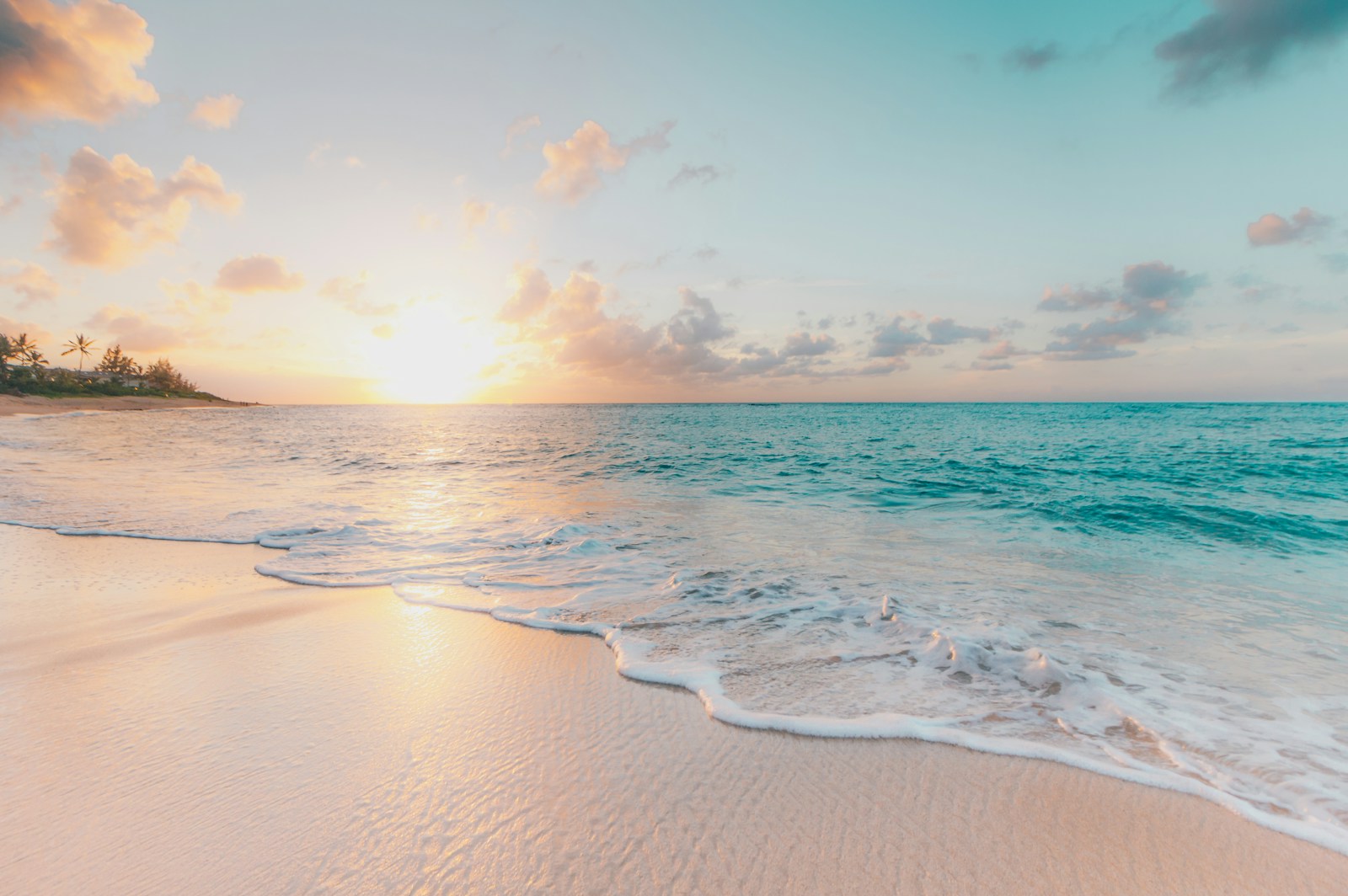
El Hierro's most celebrated natural feature lies beneath the waves. The Mar de las Calmas — the Sea of Calm — on the island's southern coast is a marine reserve of extraordinary clarity and biodiversity. Water visibility regularly exceeds 40 metres, and the volcanic topography creates underwater arches, tunnels, and lava tubes that harbour a marine community ranging from angel sharks and manta rays to vast shoals of barracuda and the occasional hammerhead. The dive site at La Restinga, the island's southern village, is consistently ranked among Europe's finest, and even snorkellers can explore the shallower volcanic formations where parrotfish, trumpetfish, and sea turtles glide through water so clear it seems to magnify everything beneath the surface.
The culinary traditions of El Hierro reflect an island culture that until recently was largely self-sufficient. Quesadillas herreñas — a sweet cheese pastry made with the island's own fresh cheese, eggs, and anise — are El Hierro's most famous export and bear no resemblance whatsoever to their Mexican namesake. The local wines, produced from the indigenous listán negro grape grown in volcanic ash at elevations up to 700 metres, have a mineral intensity and smoky undertone that reflect the island's geology in every sip. Goat is the primary meat, prepared as carne de cabra en salsa (goat in sauce) or simply grilled, and the papas arrugadas — wrinkled potatoes boiled in heavily salted water and served with mojo rojo and mojo verde — are, as throughout the Canaries, the essential accompaniment to every meal.
El Hierro has declared itself an aspiration to become the world's first energy-self-sufficient island, and its Gorona del Viento wind-hydro power plant already supplies a significant percentage of the island's electricity. Cruise ships anchor off the port of La Estaca on the eastern coast, with passengers tendering ashore. The best time to visit is year-round thanks to the eternal Canarian spring, though the summer months from June through September offer the warmest water temperatures for diving and snorkelling in the Mar de las Calmas.

