Ibiza's story stretches far deeper than its modern reputation as the world's clubbing capital might suggest. The Phoenicians established a permanent settlement on the island around 654 BC, naming it Ibossim and dedicating it to the god Bes. Under Carthaginian rule, the island became a major trading post in the western Mediterranean, and its necropolis at Puig des Molins — with more than three thousand hypogea carved into the hillside — is the largest Phoenician burial ground ever discovered, earning UNESCO World Heritage status alongside the fortified old town of Dalt Vila. The Romans, Vandals, Byzantines, Moors, and finally the Catalans each left their mark before the island was reconquered for Christendom in 1235.
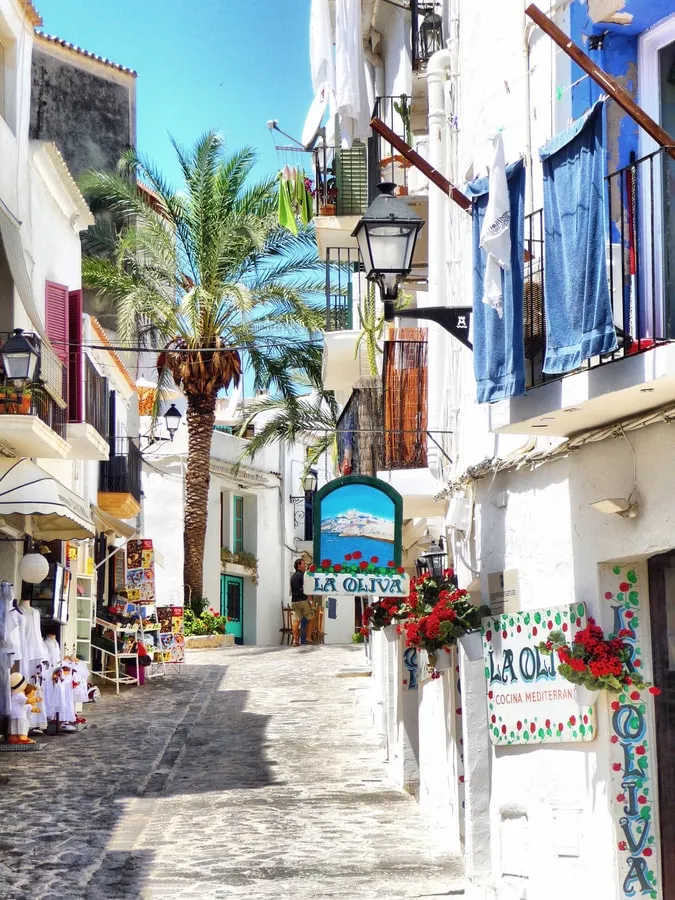
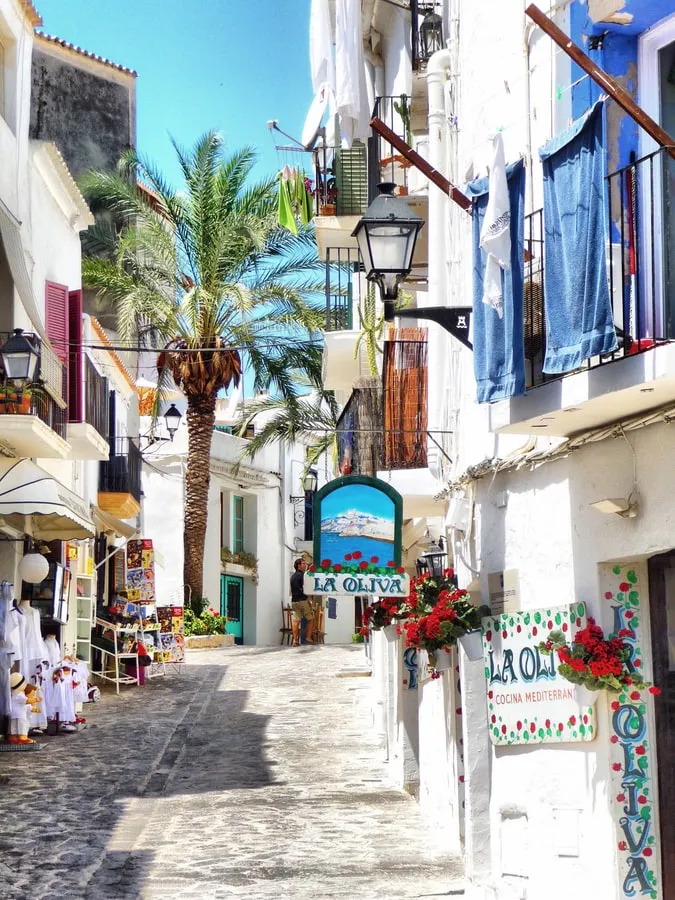
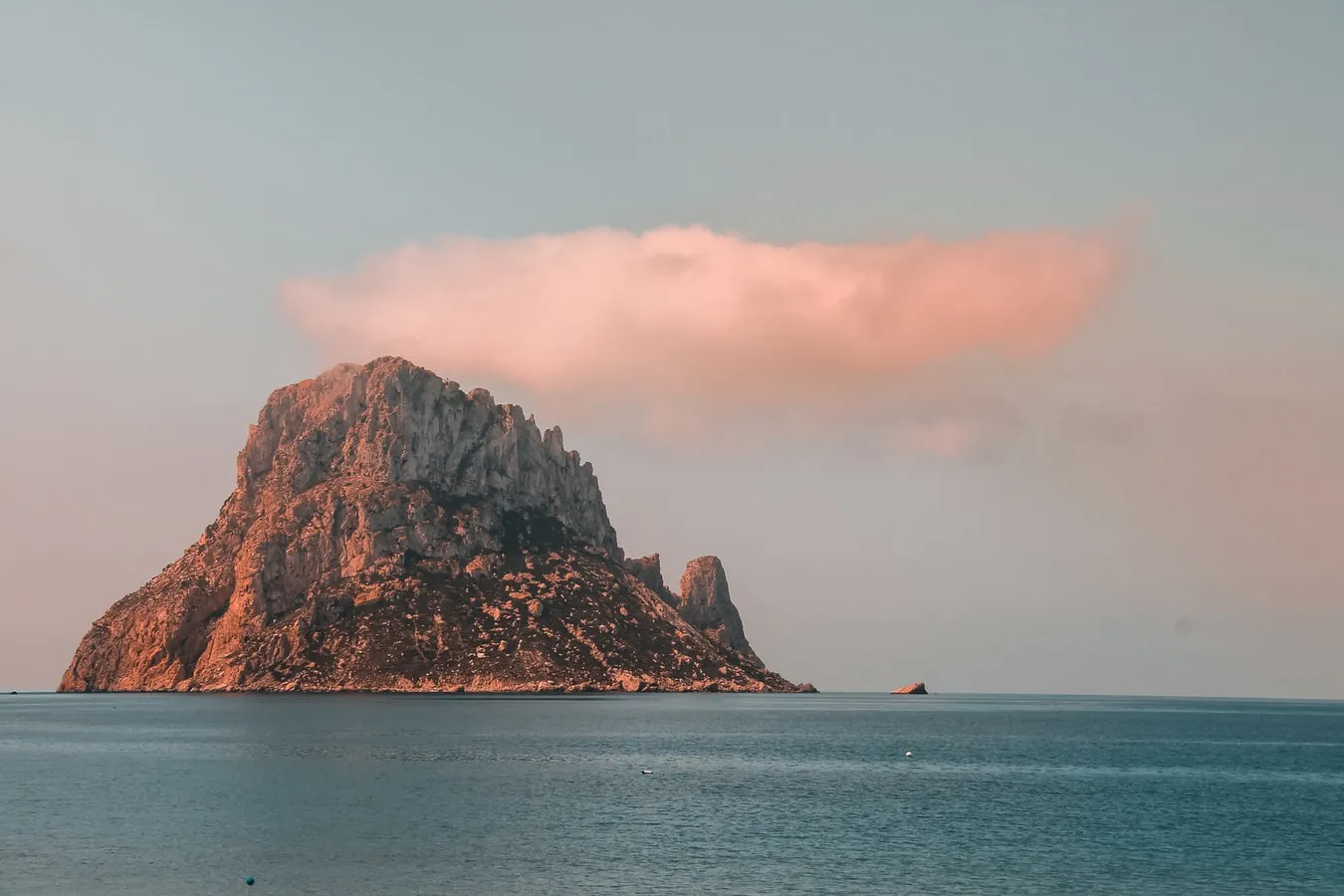
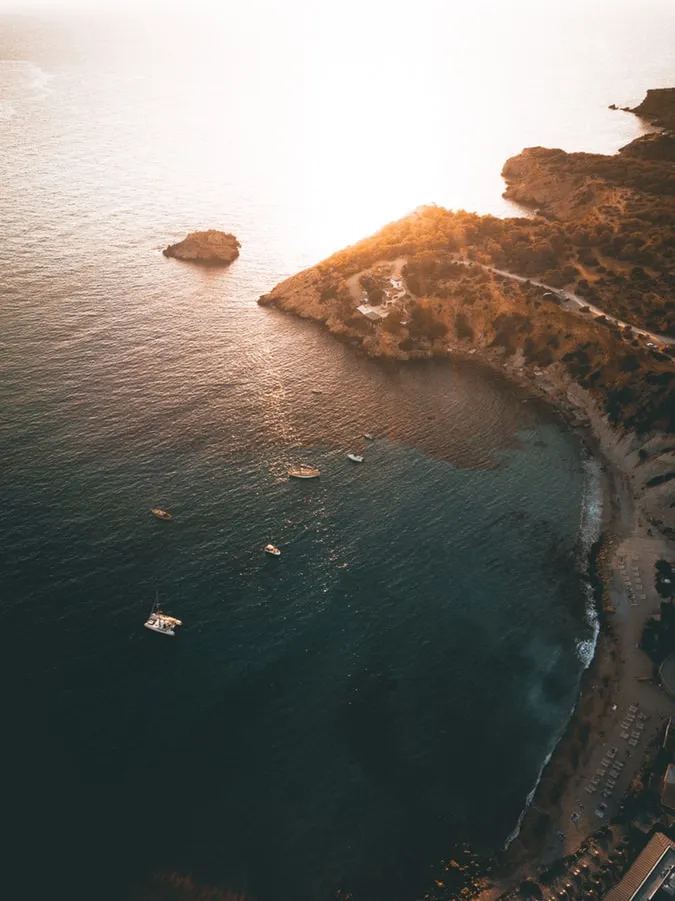
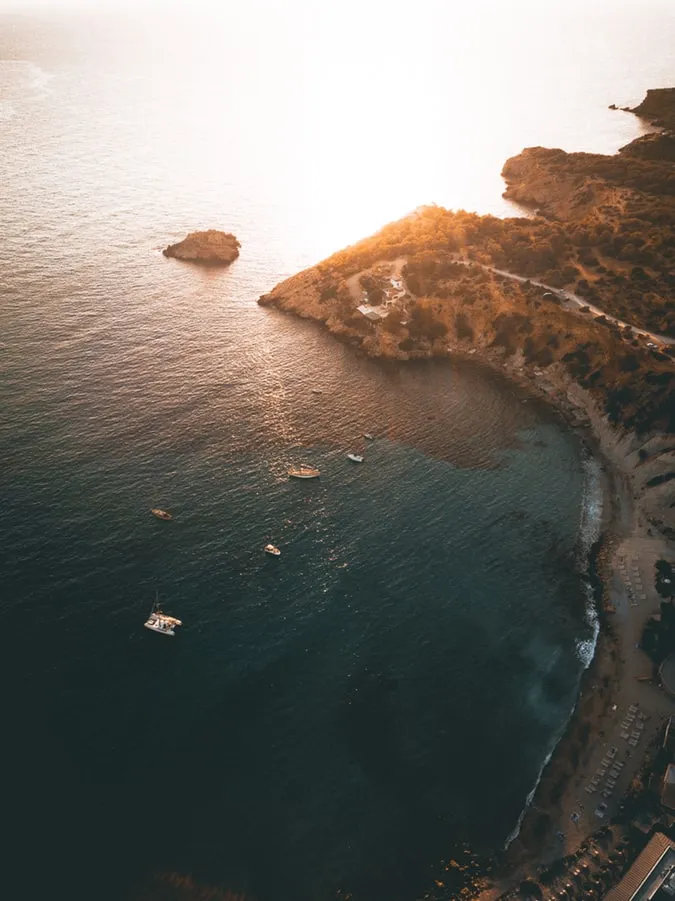
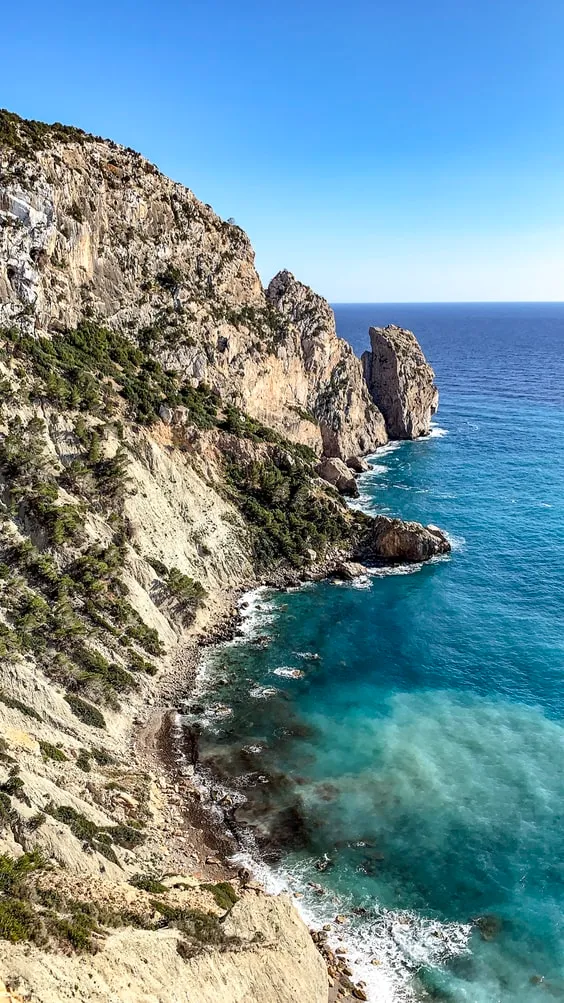
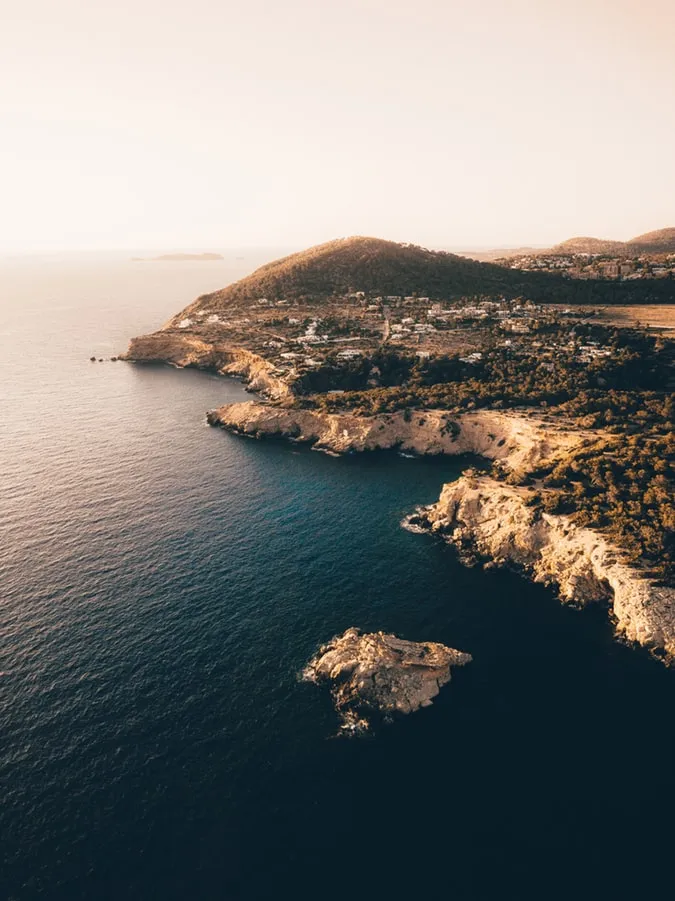
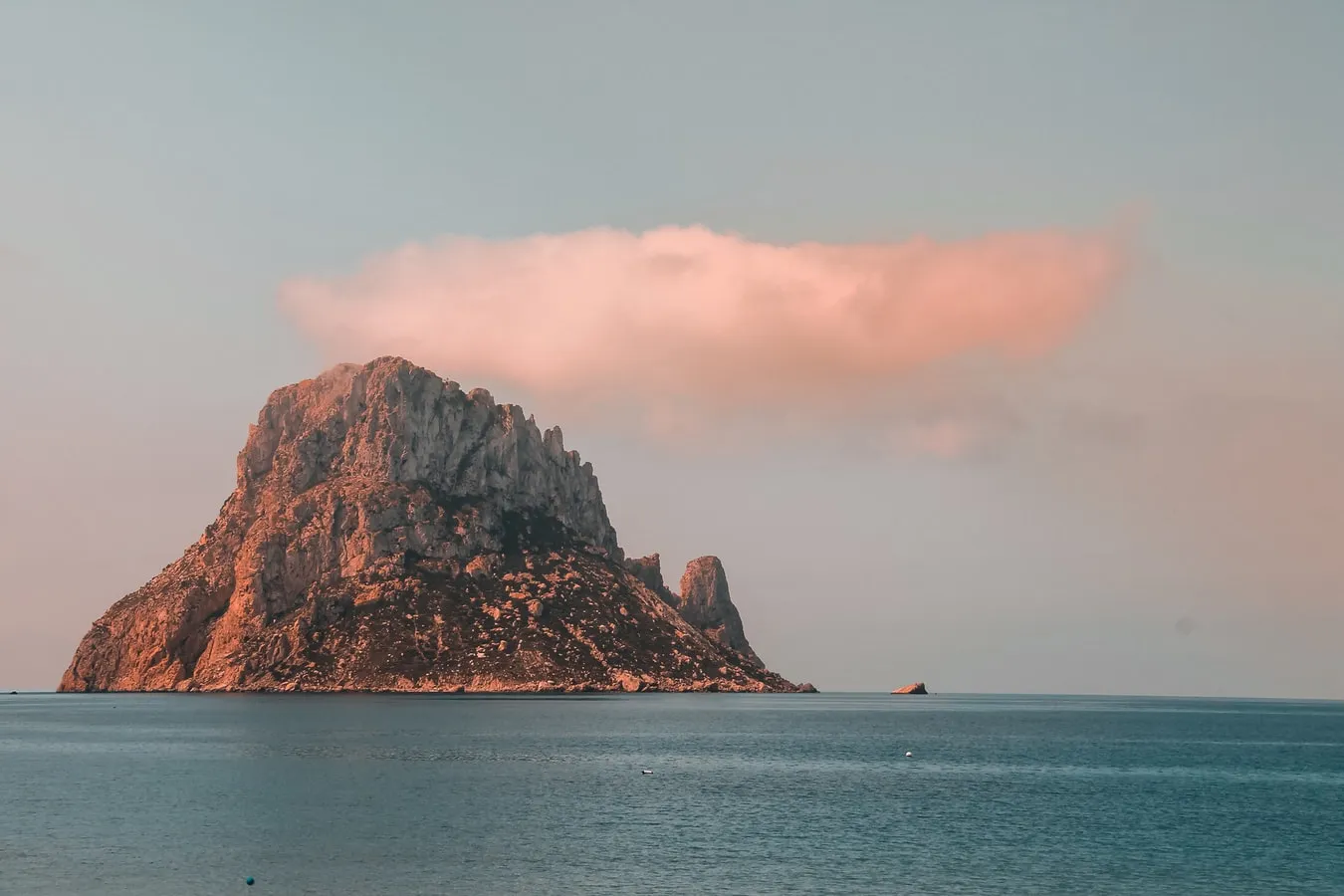
Beyond the DJ booths and beach clubs, Ibiza reveals itself as an island of startling natural beauty and bohemian soul. Dalt Vila, the fortified upper town, rises above the harbor in a dramatic spiral of Renaissance walls, gothic churches, and whitewashed houses draped in purple bougainvillea. The northern half of the island remains remarkably unspoiled: pine-forested hills tumble down to hidden calas (coves) of turquoise water accessible only by foot or boat, and ancient stone fincas (farmhouses) dot the landscape. Es Vedrà, a mysterious limestone islet rising 400 meters from the sea off the southwestern coast, has inspired legends of magnetic anomalies and mystical energy — its silhouette at sunset is one of the Mediterranean's most arresting sights.
Ibizan cuisine, rooted in peasant traditions and Mediterranean ingredients, rewards exploration. Bullit de peix, a two-course fisherman's feast, begins with a saffron-infused fish broth served over rice and follows with the poached fish itself, accompanied by alioli. Sofrit pagès is a hearty country fry-up of lamb, chicken, sobrassada sausage, potatoes, and peppers. At the morning market in Santa Eulària des Riu, vendors sell hierbas ibicencas — a traditional herbal liqueur steeped with rosemary, thyme, fennel, and juniper — alongside local goat cheese, flaó (a mint-and-anise cheesecake dating to Moorish times), and greixonera, a cinnamon bread pudding.
The island's compact size makes every corner accessible within thirty minutes. Ses Salines Natural Park, encompassing salt flats, dune systems, and the crystal-clear waters of Platja de Ses Salines beach, lies at the southern tip. The hippy market at Es Canar, held every Wednesday since 1973, is a colorful bazaar of handmade jewelry, leather goods, and tie-dye clothing. Formentera, Ibiza's quieter sister island, is a thirty-minute ferry ride south, its Caribbean-clear waters at Platja de ses Illetes regularly ranked among Europe's finest beaches.
Ibiza draws a diverse flotilla of cruise lines during its April-to-October season. Silversea, Seabourn, Regent Seven Seas Cruises, Explora Journeys, Ponant, and Hapag-Lloyd Cruises provide ultra-luxury calls. Azamara, Cunard, Holland America Line, Oceania Cruises, and Princess Cruises offer premium voyaging. Celebrity Cruises, Norwegian Cruise Line, MSC Cruises, P&O Cruises, Costa Cruises, and AIDA serve the mainstream market, while Emerald Yacht Cruises, Scenic Ocean Cruises, Virgin Voyages, and AIDA complete the roster. The shoulder months of May, June, September, and October offer the best balance of warm weather, manageable crowds, and sea temperatures perfect for swimming.