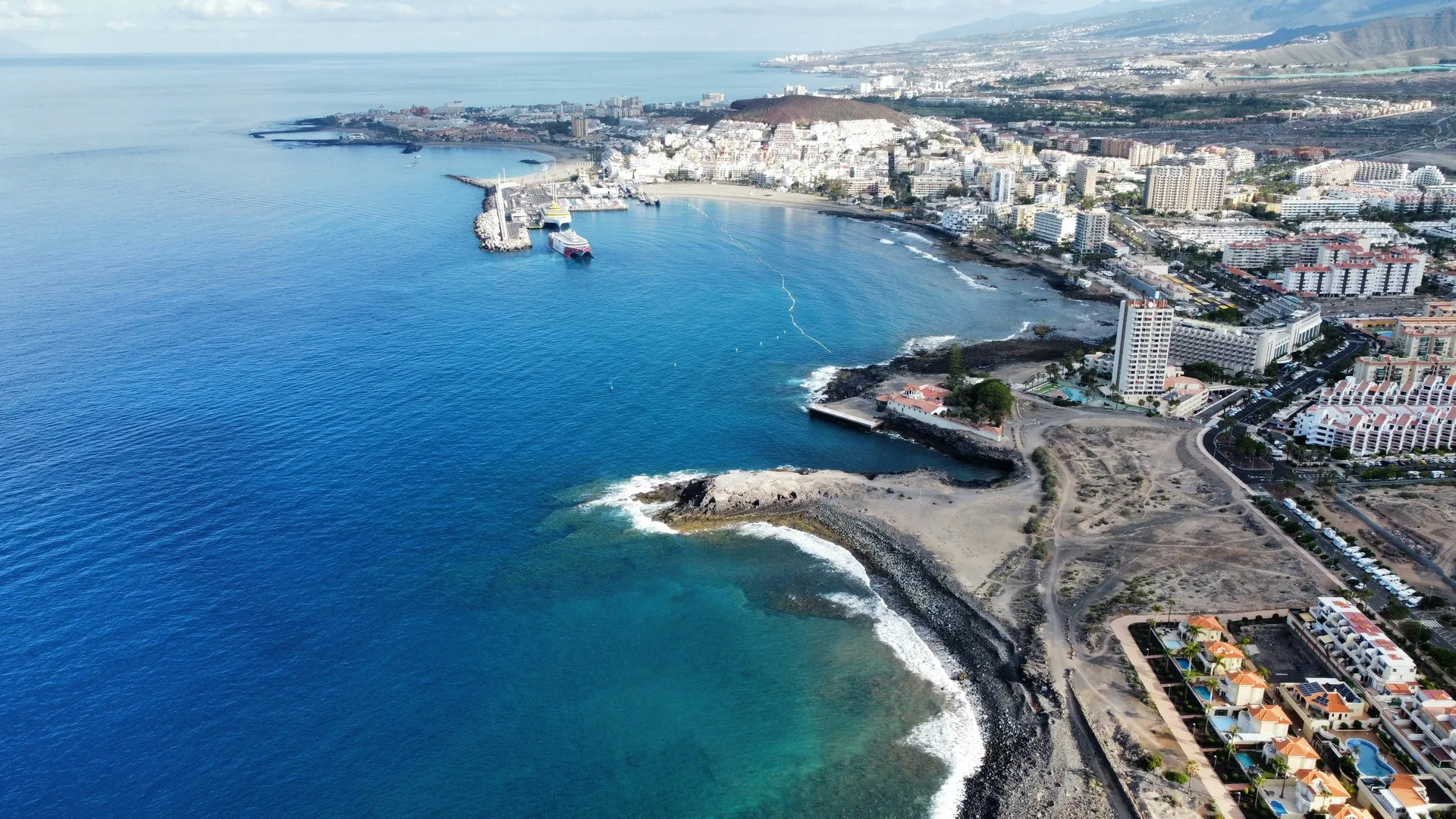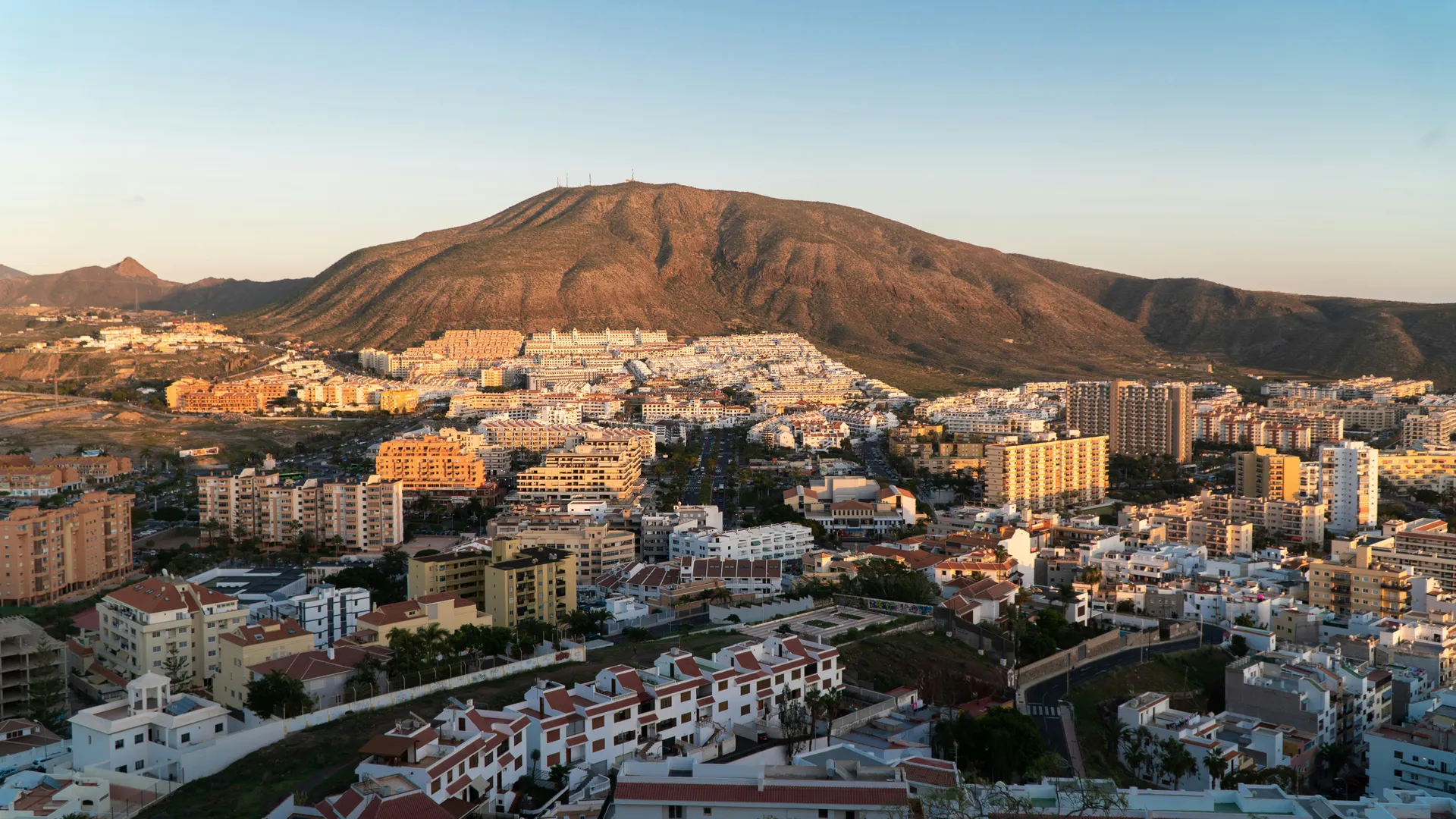
On the sun-baked southern coast of Tenerife — the largest of Spain's Canary Islands — Los Cristianos has evolved from a quiet fishing village into one of the most popular resort towns in the Atlantic, yet retains enough of its original character to reward visitors who look beyond the beachfront promenades. The old harbour, where fishermen still mend nets and colourful boats bob against a backdrop of whitewashed houses, provides an authentic counterpoint to the modern tourism that has transformed the surrounding coastline.
Tenerife's supreme natural attraction rises to the north: Mount Teide, at 3,718 metres the highest peak in Spain and the third-tallest volcanic structure in the world measured from its ocean-floor base. Teide National Park, a UNESCO World Heritage site, protects a vast volcanic caldera whose otherworldly landscape of lava flows, pumice fields, and rock formations has been used as a stand-in for Mars in numerous films. The cable car to near the summit offers panoramic views that encompass the entire Canary archipelago, and on clear days, the shadow of Teide stretches across the Atlantic in a phenomenon visible from neighbouring islands.
The marine environment off southern Tenerife is exceptional. The waters between Tenerife and neighbouring La Gomera host one of the highest concentrations of cetaceans in European waters — resident pods of pilot whales and bottlenose dolphins can be observed year-round, while seasonal visitors include sperm whales, orcas, and several species of beaked whales. Responsible whale-watching excursions from Los Cristianos harbour provide encounters that rival anything in the Azores or Norway, with the added appeal of near-guaranteed sunshine.
Los Cristianos' culinary scene reflects the Canarian melting pot of Spanish, Latin American, and African influences. Papas arrugadas — small wrinkled potatoes boiled in heavily salted water and served with mojo sauces (red with pepper and cumin, green with coriander and garlic) — are the archipelago's iconic dish. Fresh fish, particularly vieja (parrotfish) and cherne (wreckfish), appears grilled or in sancocho, a traditional Canarian stew. The local wines, produced from volcanic soils at altitude, have gained international recognition, and the bodegas of the Abona and Güímar valleys offer tastings of indigenous grape varieties found nowhere else.
Los Cristianos' port handles ferries to La Gomera, La Palma, and El Hierro, and serves as a tender port for cruise ships. The southern coast of Tenerife enjoys over three hundred days of sunshine annually, making it a year-round destination. Winter months (November-February) offer the most comfortable temperatures for excursions to Teide, while summer brings warmer seas for swimming and water sports. The combination of volcanic landscapes, marine wildlife, and Canarian culture makes Los Cristianos far more than a beach resort — it is a gateway to one of the most geologically and biologically diverse islands in the Atlantic.