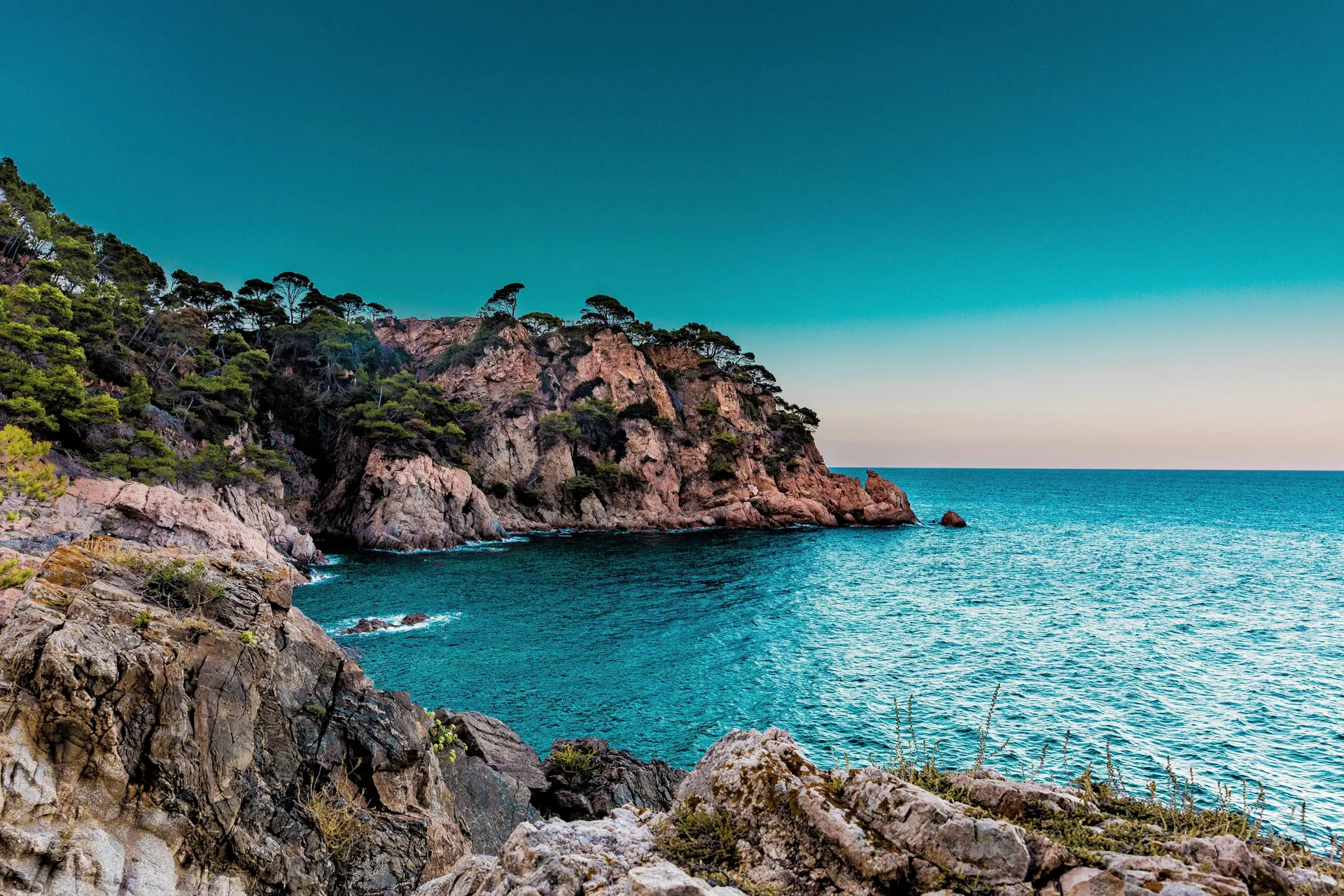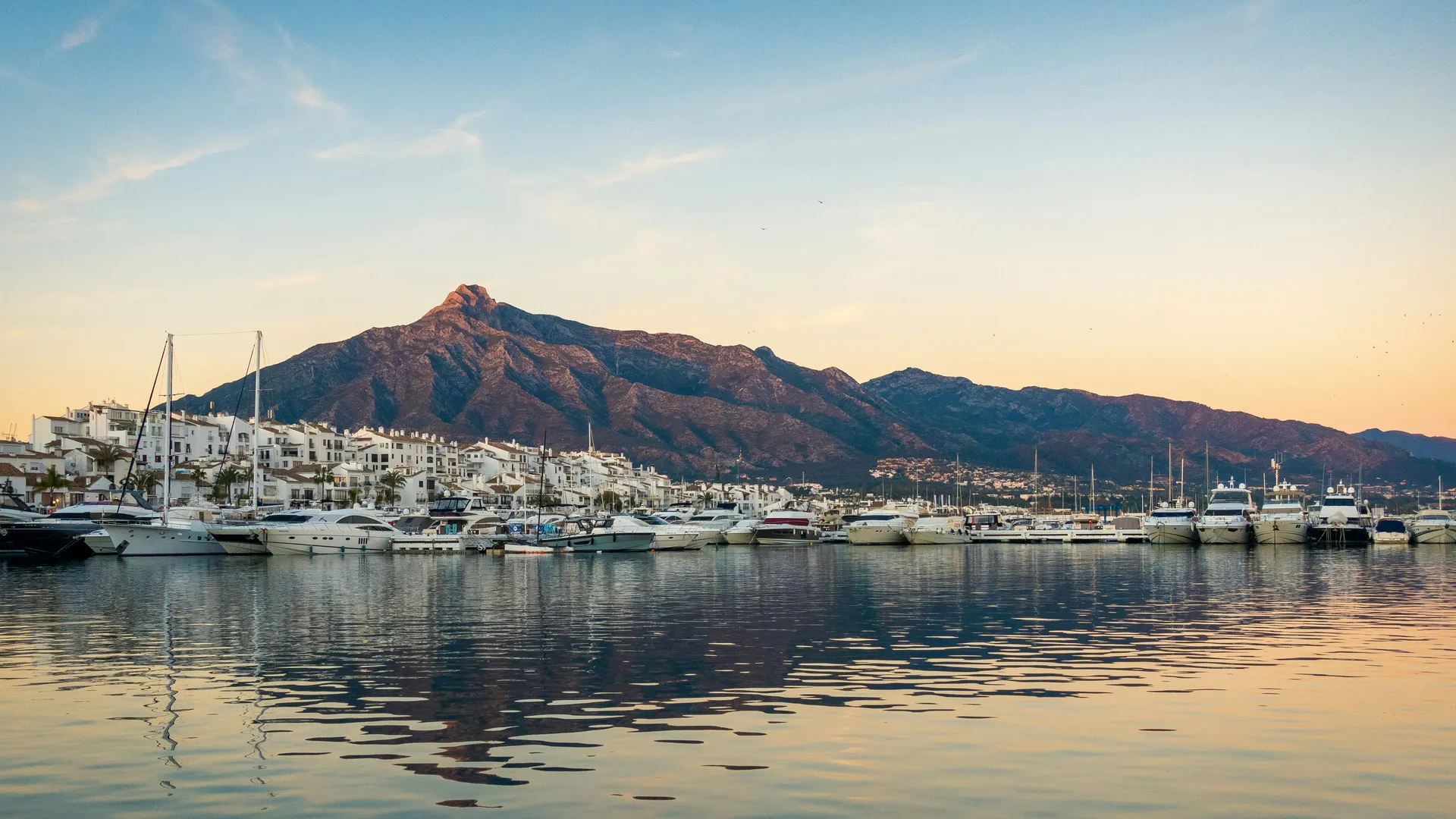
Where the Sierra Blanca mountains tumble toward the Mediterranean, Marbella has seduced travellers since the Romans established their settlement of Salduba along this sun-drenched coastline. The town's Old Quarter, with its labyrinth of whitewashed walls and cascading bougainvillea, still bears the imprint of its Moorish past — the remnants of a ninth-century castle wall encircle the Plaza de los Naranjos, where orange trees have perfumed the air since the fifteenth century. It was the vision of Prince Alfonso von Hohenlohe in the 1950s that transformed this fishing village into the playground of European aristocracy, and José Banús who cemented its legend in 1970 with Puerto Banús, a marina that became synonymous with Mediterranean glamour.
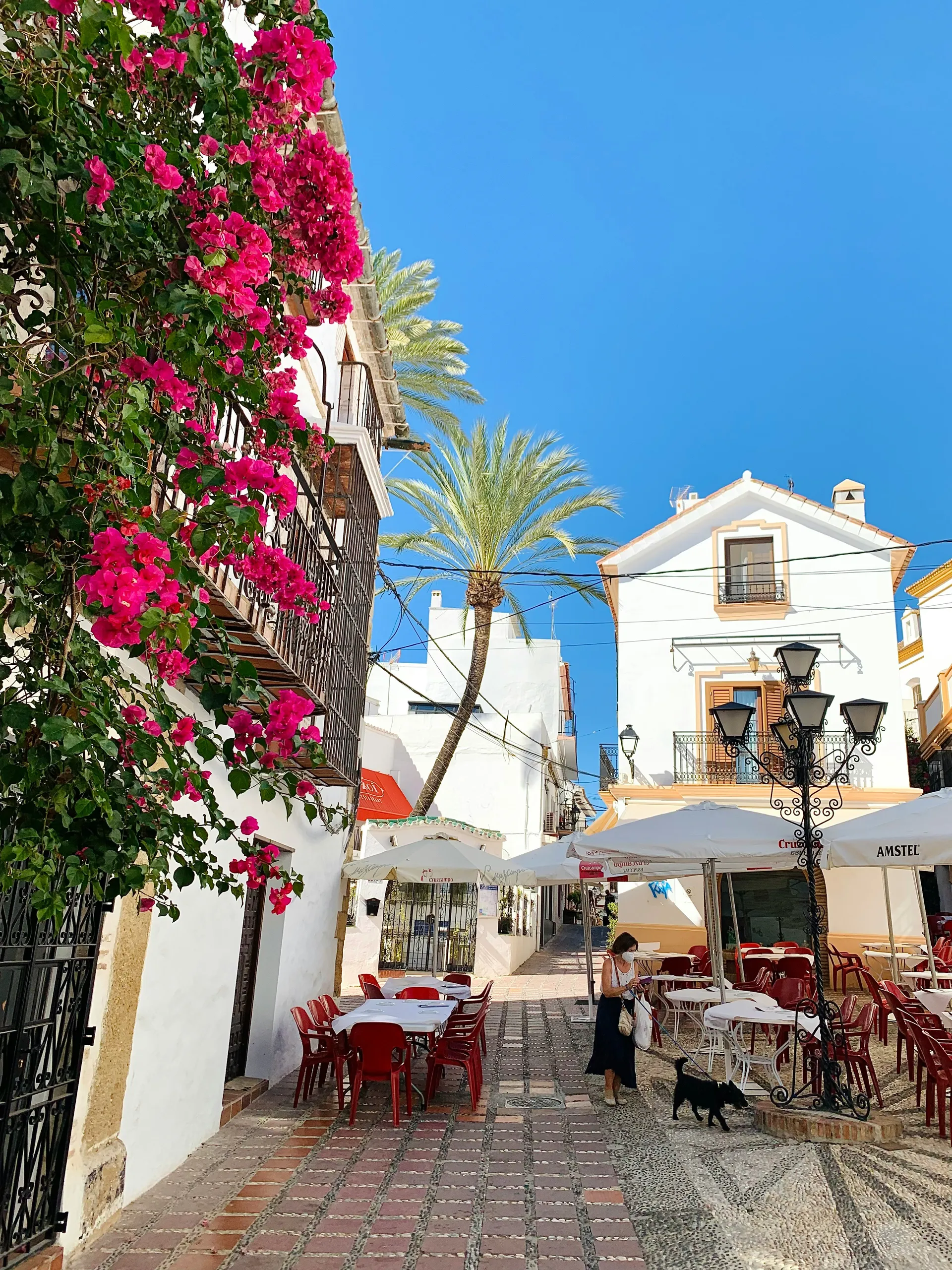
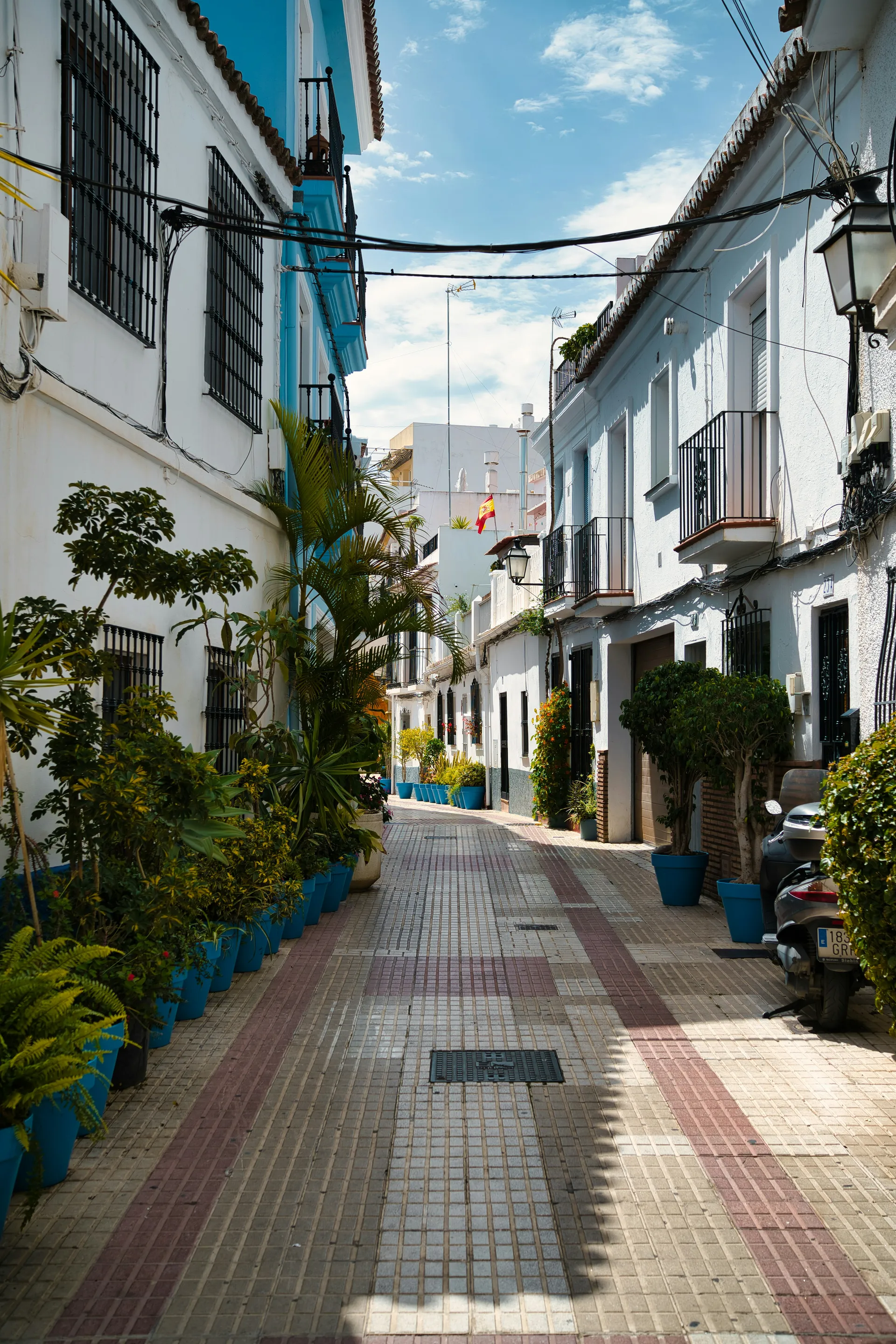
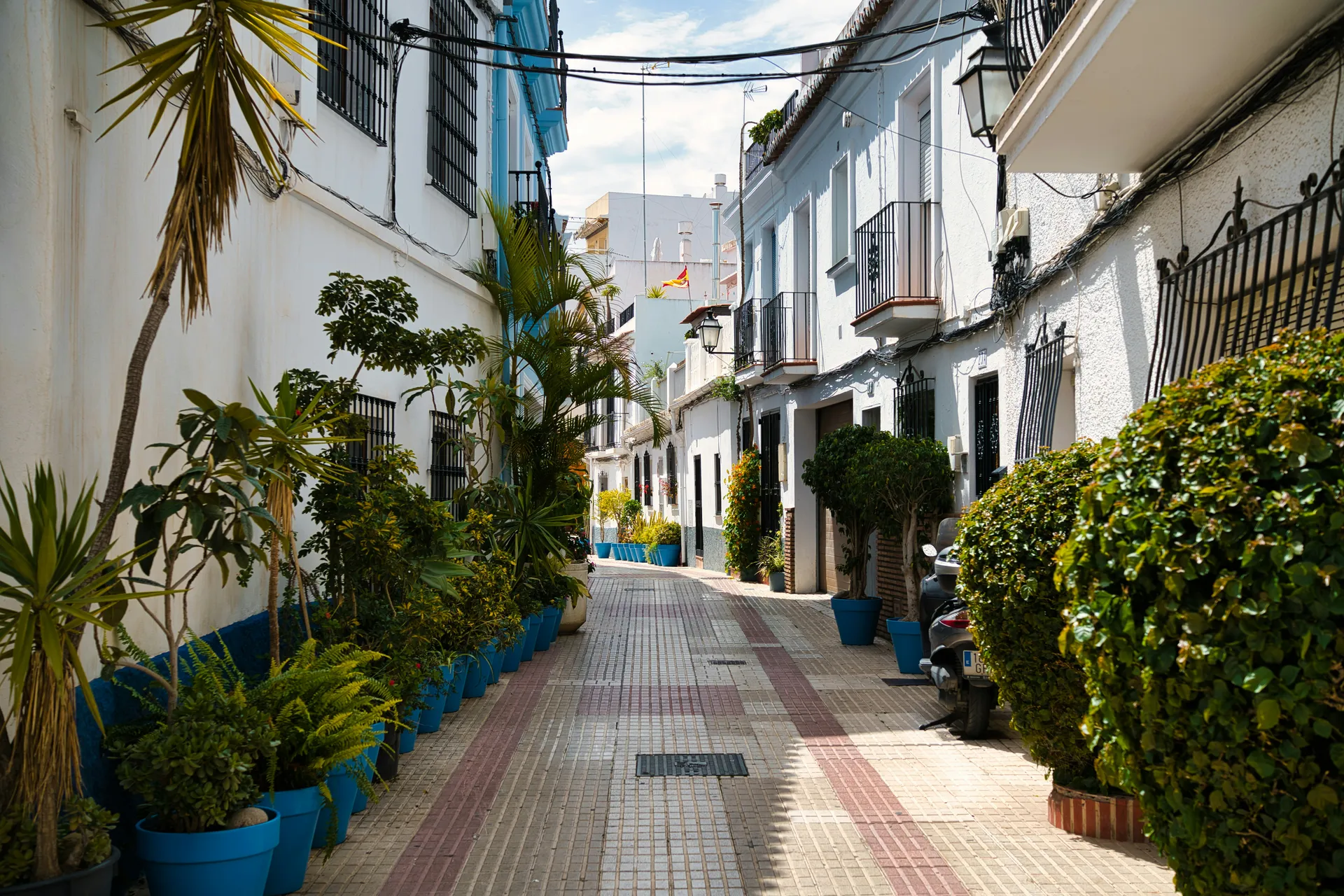
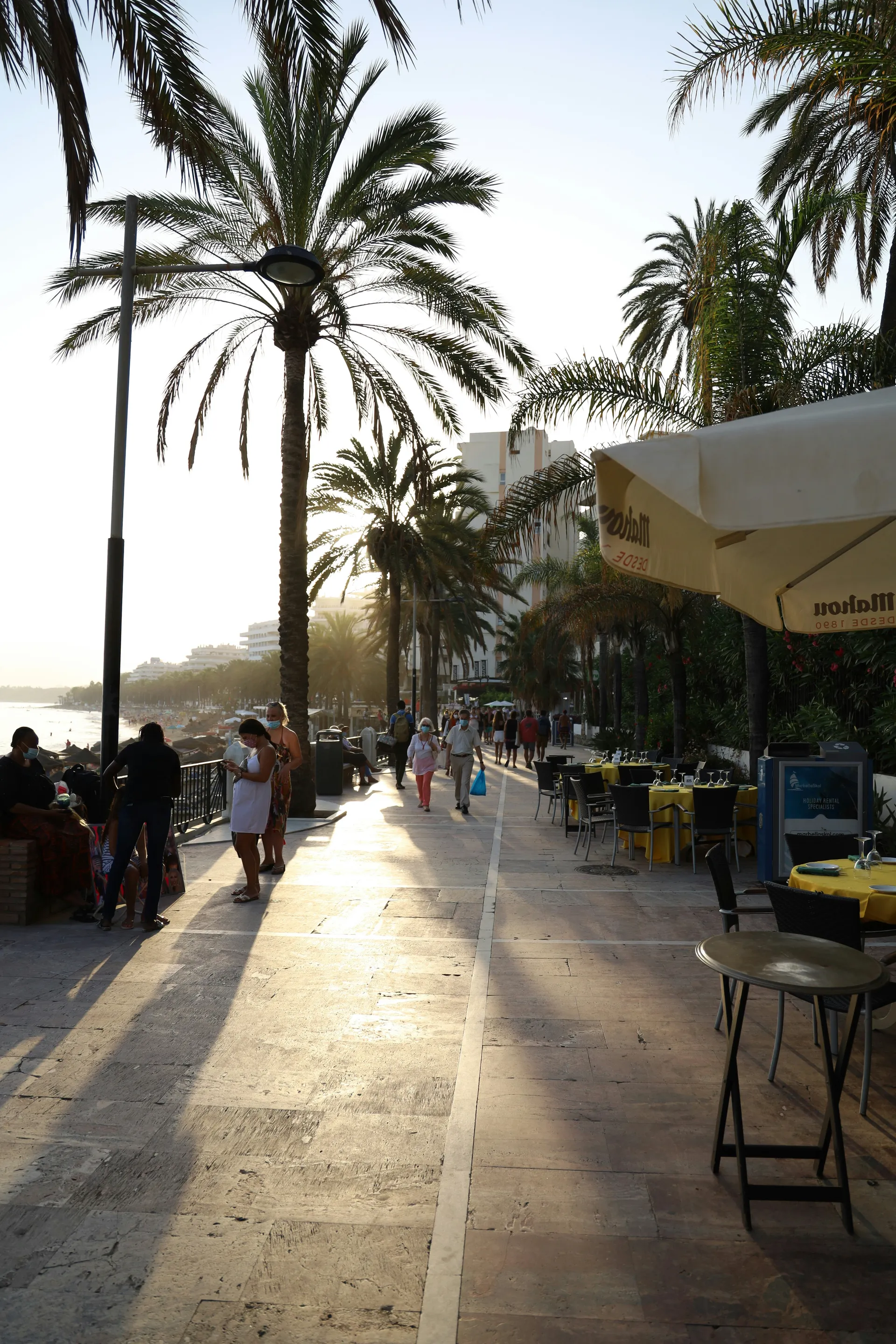
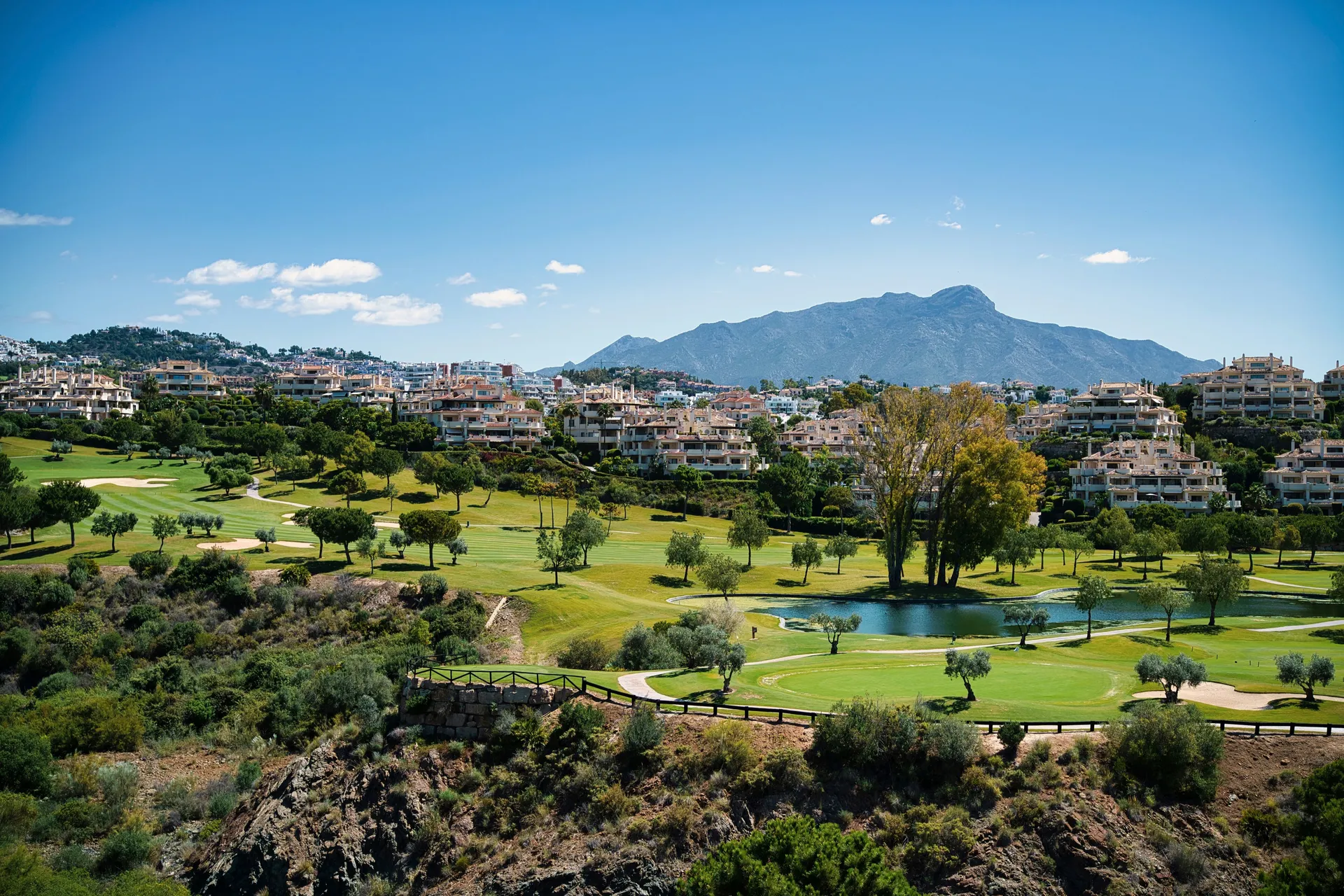
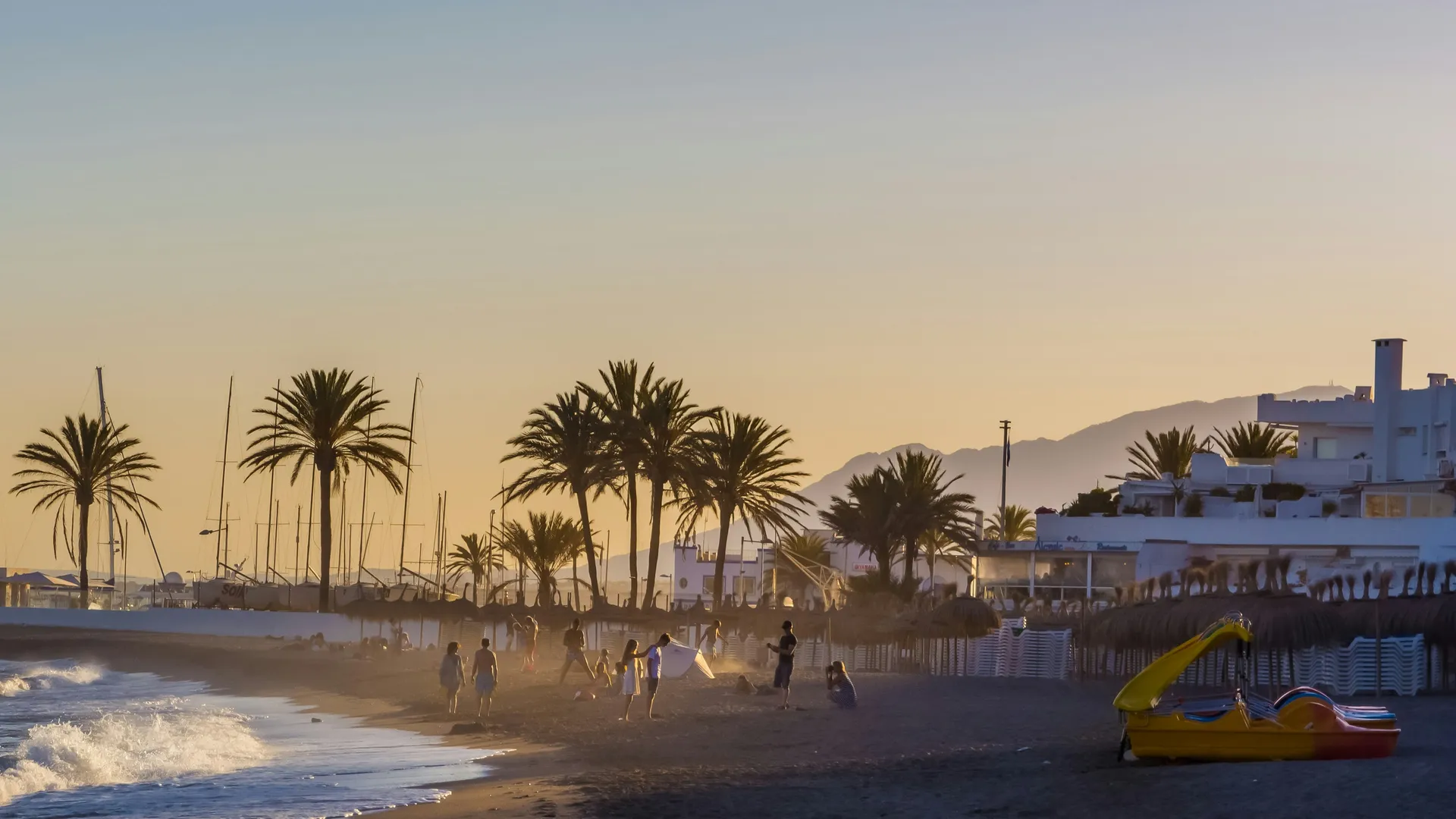
Today, Marbella occupies a singular space on the Costa del Sol — neither the frenetic resort town of its neighbours nor a museum piece frozen in nostalgia. The Golden Mile stretches between the old town and Puerto Banús like a ribbon of polished marble, lined with Andalusian-style villas half-hidden behind jasmine hedges and iron gates. Along the Paseo Marítimo, the promenade traces the shoreline with an unhurried elegance, where morning light catches the hulls of superyachts and the scent of salt mingles with fresh espresso from beachfront chiringuitos. The old town itself rewards those who wander without purpose — through narrow callejones that open suddenly onto intimate plazas adorned with ceramic tiles and wrought-iron balconies.
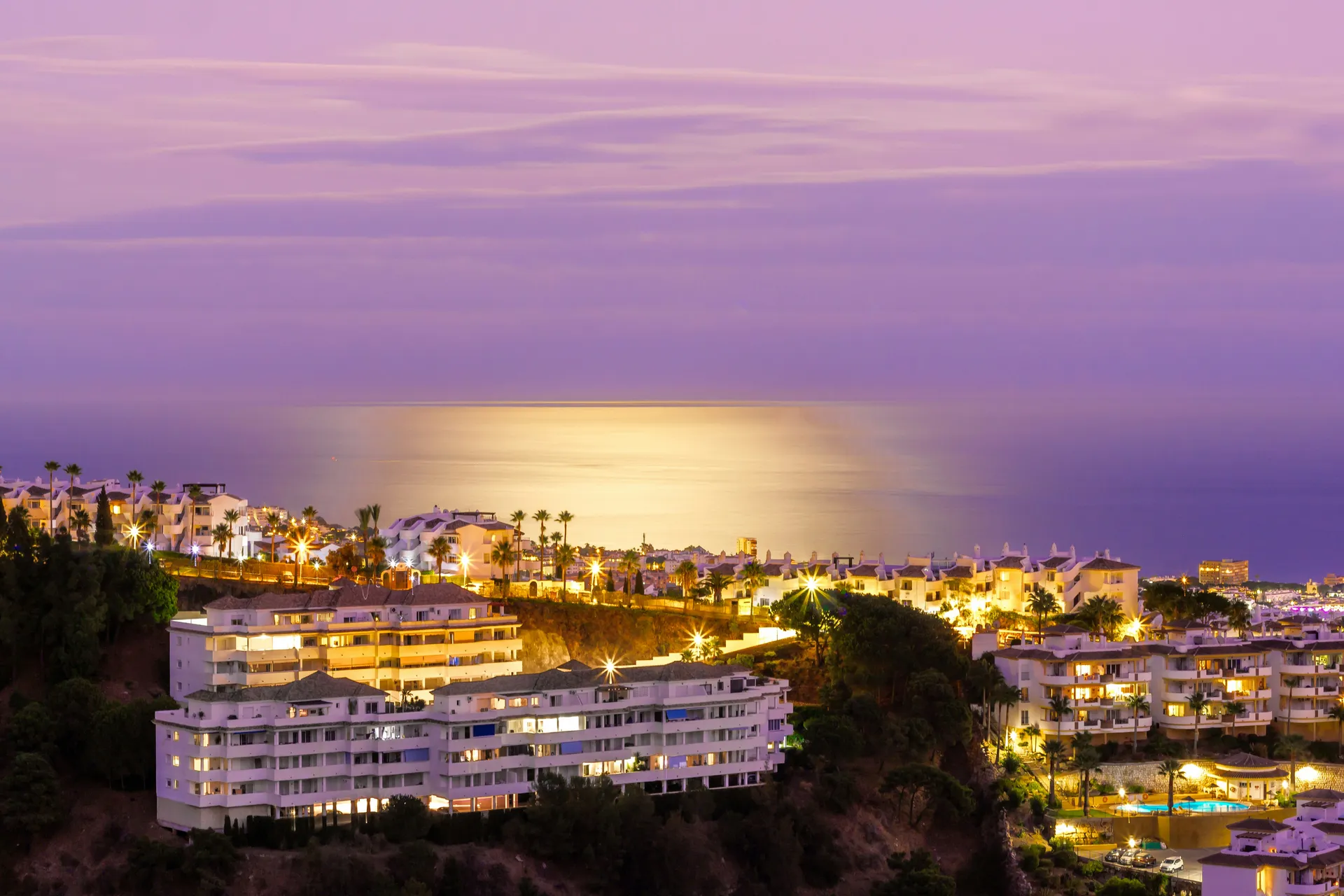
Marbella's culinary landscape reflects the tension between its fishing-village soul and cosmopolitan ambitions, and this is where the destination truly sings. Begin at the Mercado Municipal, where vendors stack glistening boquerones — the silvery anchovies that define Malagueño cuisine — alongside ruby-red Iberian tomatoes still warm from the vine. The essential Marbella meal is espetos de sardinas, sardines threaded on bamboo skewers and roasted over driftwood fires on the beach, a tradition stretching back centuries. For something more refined, seek out ajoblanco, the chilled almond and garlic soup that predates gazpacho, served with Moscatel grapes at the town's better tables. The local sweet wine from the Sierras de Málaga pairs improbably well with the region's goat cheeses, a combination best enjoyed at a table overlooking the harbour as the Andalusian dusk settles in shades of amber and violet.
From Marbella, the broader tapestry of Spain unfolds with remarkable accessibility. Cádiz, the oldest continuously inhabited city in Western Europe, lies just two hours southwest — its baroque cathedral rising from a narrow peninsula like a ship's prow, its seafood markets rivalling any in the Mediterranean. Madrid, a swift train journey to the north, offers the Prado's masterworks and the theatrical energy of its tapas bars as counterpoint to coastal languor. For those drawn to wilder landscapes, Cangas de Onís in Asturias guards the entrance to the Picos de Europa, where emerald gorges and Romanesque bridges feel centuries removed from the Andalusian sun. And Ibiza, a short flight across the water, balances its legendary nightlife with a quieter north coast of pine-fringed coves and farm-to-table restaurants that few visitors discover.
Marbella's position along the western Mediterranean makes it a prized port of call for the world's most distinguished cruise lines. Hapag-Lloyd Cruises brings its hallmark German precision to these waters aboard intimate vessels that favour cultural depth over spectacle, while Ponant's French-flagged expedition yachts slip into Puerto Banús with the discretion of a private invitation. Scenic Ocean Cruises offers its all-inclusive philosophy against Marbella's backdrop of mountain and sea, and Tauck weaves the port into curated itineraries that treat each destination as a chapter in a larger Mediterranean narrative. Arriving by sea remains the most fitting introduction to a town that has always understood the art of the entrance — the Sierra Blanca rising behind the harbour like a painted backdrop, the marina's white facades catching the first light of morning.