On the northern coast of Africa, where the Rif Mountains tumble into the Mediterranean Sea, lies Melilla — one of Spain's two autonomous cities on the Moroccan mainland, a geopolitical curiosity that has been continuously Spanish since 1497. This compact enclave of roughly 85,000 inhabitants occupies just twelve square kilometers, yet within that modest footprint lies a cultural tapestry of remarkable complexity: Spanish Catholic and Amazigh Muslim communities share cobblestone streets with Sephardic Jewish and Hindu Sindhi populations, creating a polyglot, multi-faith society found nowhere else in the Mediterranean.
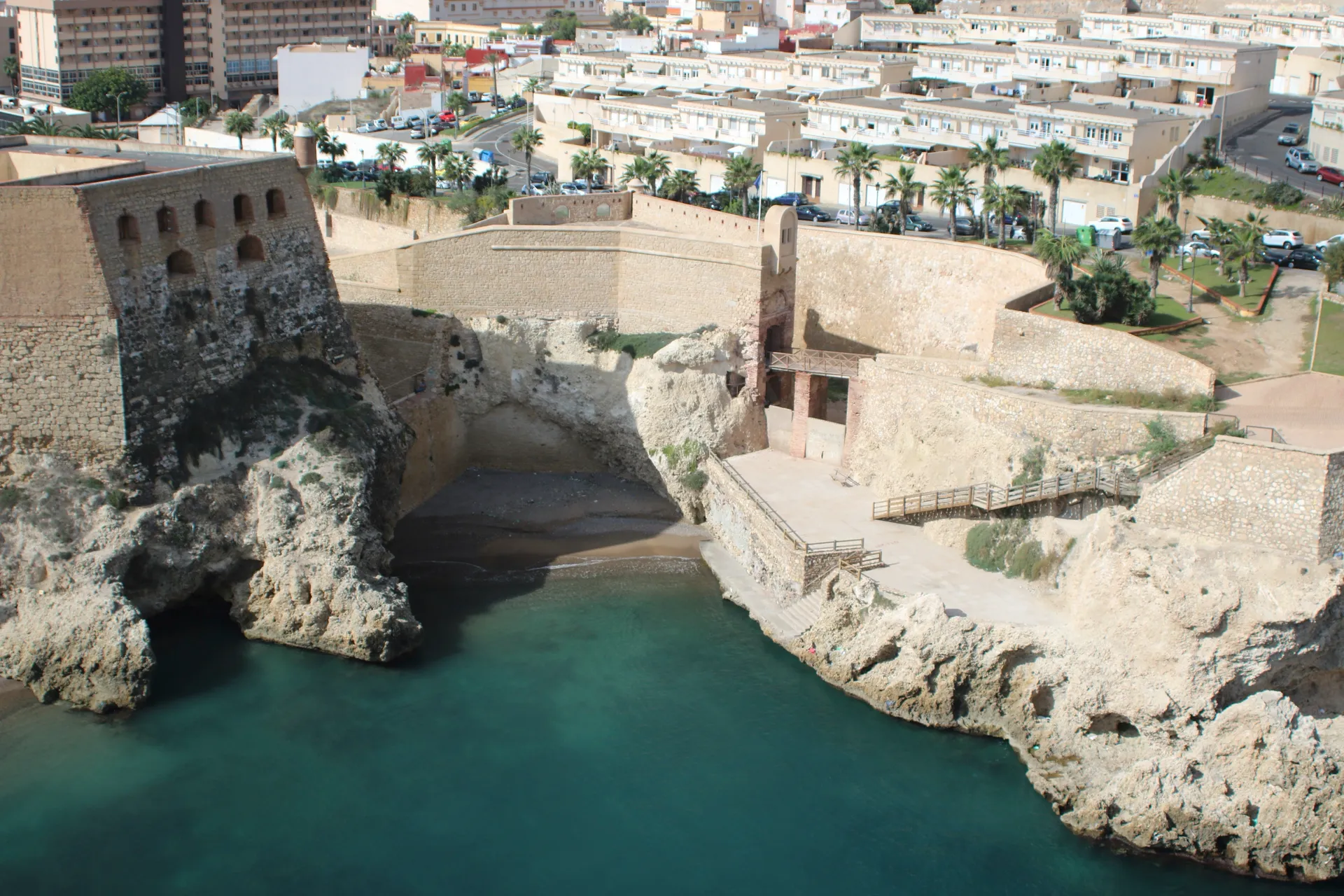
The city's architectural crown is its Modernista heritage. In the early twentieth century, a construction boom transformed Melilla's expanding neighborhoods into an open-air museum of Art Nouveau design, with over nine hundred Modernista buildings — the second-largest concentration in Spain after Barcelona. The architect Enrique Nieto, a student of Gaudí, left his flamboyant mark across the city: sinuous facades, ornamental ironwork, ceramic mosaics, and fantastical towers that seem almost hallucinatory against the North African light. The old fortress, Melilla la Vieja, perched on a rocky promontory above the harbor, dates to the fifteenth century and offers sweeping views across the Mediterranean toward the Spanish mainland.
Melilla's cuisine is a mirror of its multicultural identity. Spanish tapas bars serve tortilla española, jamón ibérico, and garlic shrimp alongside Moroccan-influenced dishes of harira soup, couscous, and pastela (the sweet-savory pigeon pie that is one of North Africa's great delicacies). The city's Sephardic community contributes adafina, a slow-cooked Sabbath stew, while Indian traders brought chai and samosas that are now considered local staples. The central market is a sensory overload of fresh Mediterranean fish, North African spices, Spanish charcuterie, and tropical fruits — a single building that encapsulates Melilla's unique position between two continents.
Excursions from Melilla extend into the dramatic landscapes of northern Morocco. The Rif Mountains, rising steeply behind the city, offer hiking trails through pine forests and Berber villages. The walled medina of Tétouan, a UNESCO World Heritage Site, is an hour's drive along the Mediterranean coast. For a more contemplative experience, the Gourougou Mountain trails just south of the city provide panoramic views that encompass both Melilla's urban sprawl and the vast emptiness of the Moroccan hinterland. The city's beaches, sheltered by breakwaters along the Mediterranean, offer warm swimming from May through October.
Azamara, Ponant, and Seabourn include Melilla on their Mediterranean and North African itineraries, offering passengers a port of call that defies easy categorization. The city's compact size means that its Modernista architecture, fortress, market, and waterfront are all accessible on foot from the cruise terminal. The best time to visit is April through October, when the Mediterranean climate delivers warm, sunny days and balmy evenings perfect for lingering over tapas and North African tea on a terrace overlooking two continents.

