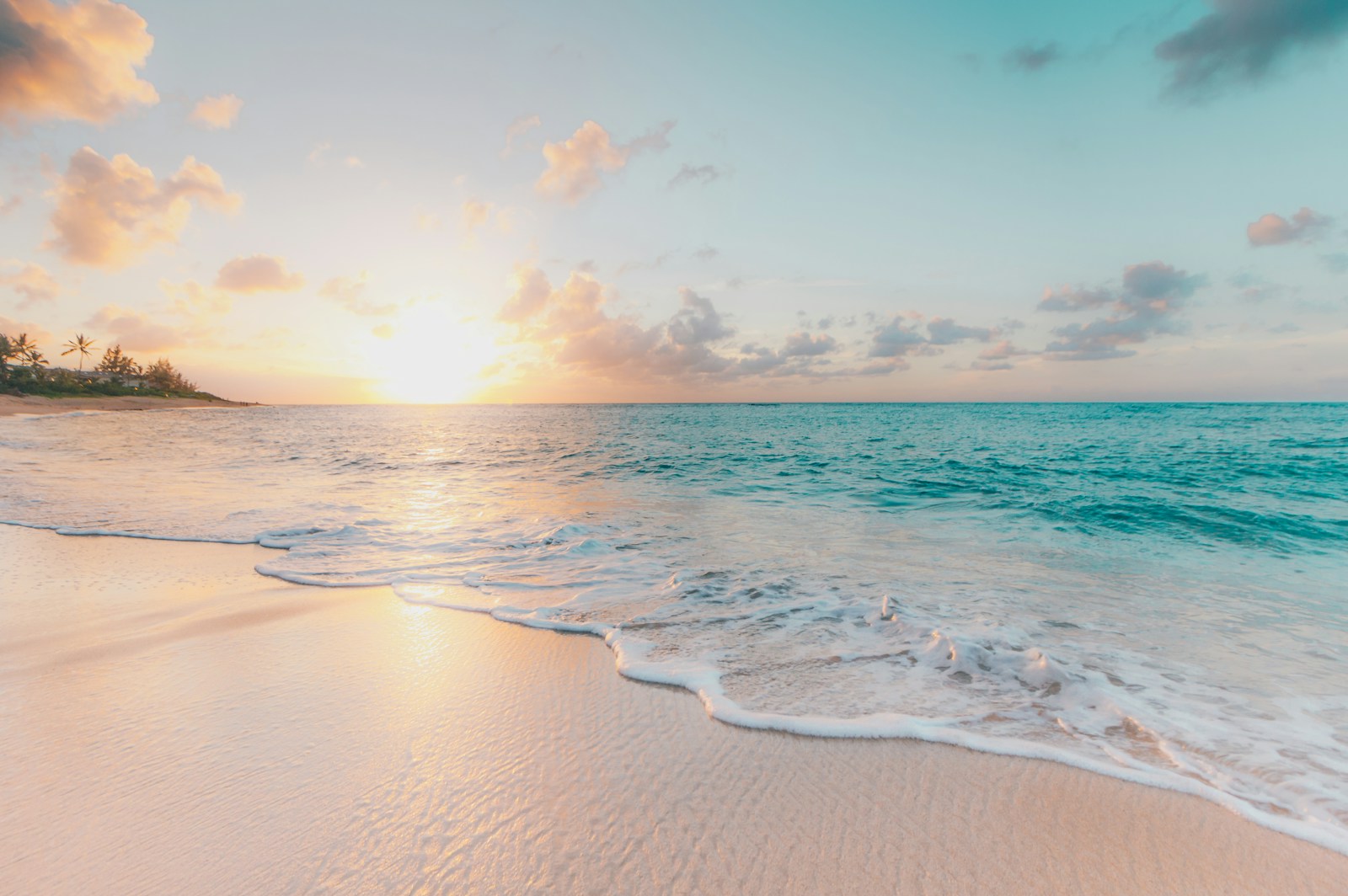
The second-largest of Spain's Balearic Islands, Menorca has pursued a path so different from the mega-tourism of Mallorca and Ibiza that it feels like a destination from a more civilised era. UNESCO designated the entire island a Biosphere Reserve in 1993, a recognition that has shaped development policy ever since — ensuring that Menorca's landscape of pristine coves, dry-stone walls, and prehistoric monuments remains one of the best-preserved in the Mediterranean.
Menorca's character is defined by its contrasts. The northern coast — the Tramuntana — is wild and windswept, its red-rock cliffs battered by the mistral and its beaches dark with the iron-rich sand that gives them an almost otherworldly appearance. The southern coast — the Migjorn — is all sheltered coves of white sand framed by pine forest, their turquoise waters so clear that anchored boats appear to float in mid-air. The interior is a pastoral landscape of white-washed farmhouses, ancient olive groves, and the ubiquitous dry-stone walls that crisscross the island like a vast, patient puzzle.
The prehistoric heritage of Menorca is extraordinary and largely unknown. The island contains over 1,500 archaeological sites — the densest concentration of prehistoric monuments per square kilometre in the Mediterranean. The taulas — T-shaped stone monuments unique to Menorca — remain enigmatic: these massive structures, consisting of a vertical slab supporting a horizontal capstone, are found at the centres of circular enclosures and may have served as altars, astronomical markers, or symbols of a bull cult. The talaiots (stone towers) and navetas (boat-shaped burial chambers) complete a prehistoric landscape of genuine wonder.
The cuisine of Menorca reflects both its Balearic identity and its distinctive British colonial heritage (the island was under British control for much of the eighteenth century). Caldereta de langosta — a lobster stew of rich, tomato-based broth — is the island's culinary masterpiece, served in the fishing village of Fornells with a ceremony that approaches the ritualistic. Mahón cheese — the island's globally recognised contribution to gastronomy — is a cow's-milk cheese of remarkable range, from fresh and mild to aged and crystalline. Gin, introduced by the British garrison, is distilled in Mahón and enjoyed with local lemonade in a combination called pomada.
Menorca is served by Mahón airport, with direct flights from Barcelona, Madrid, and seasonal connections from London and other European cities. The island is also accessible by ferry from Barcelona and Palma de Mallorca. Cruise ships anchor at Mahón harbour — one of the longest natural harbours in the Mediterranean. The best time to visit is May through October, with June and September offering warm weather without the peak-season crowds. The Camí de Cavalls — a 185-kilometre coastal path encircling the entire island — is one of the great Mediterranean hikes.

