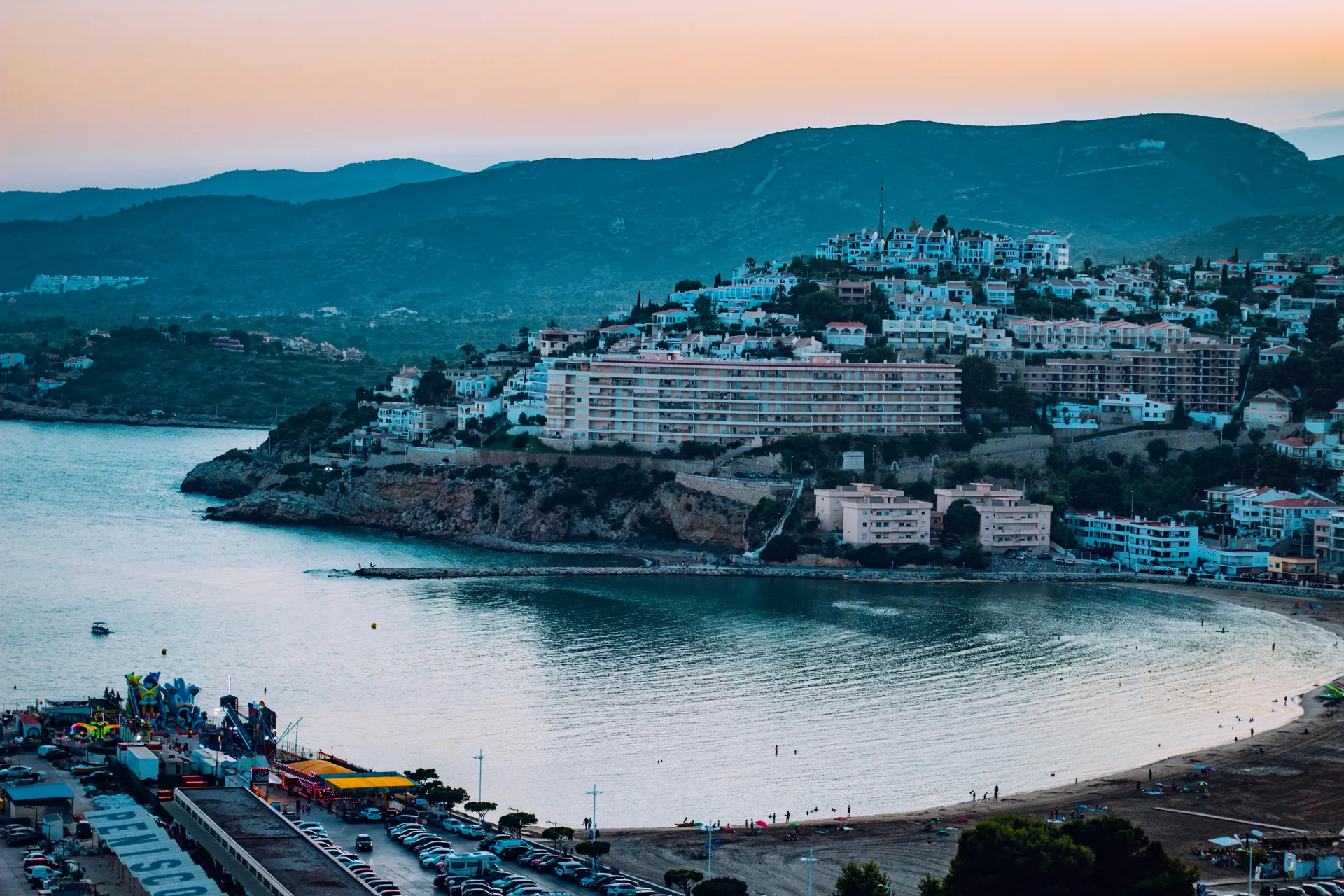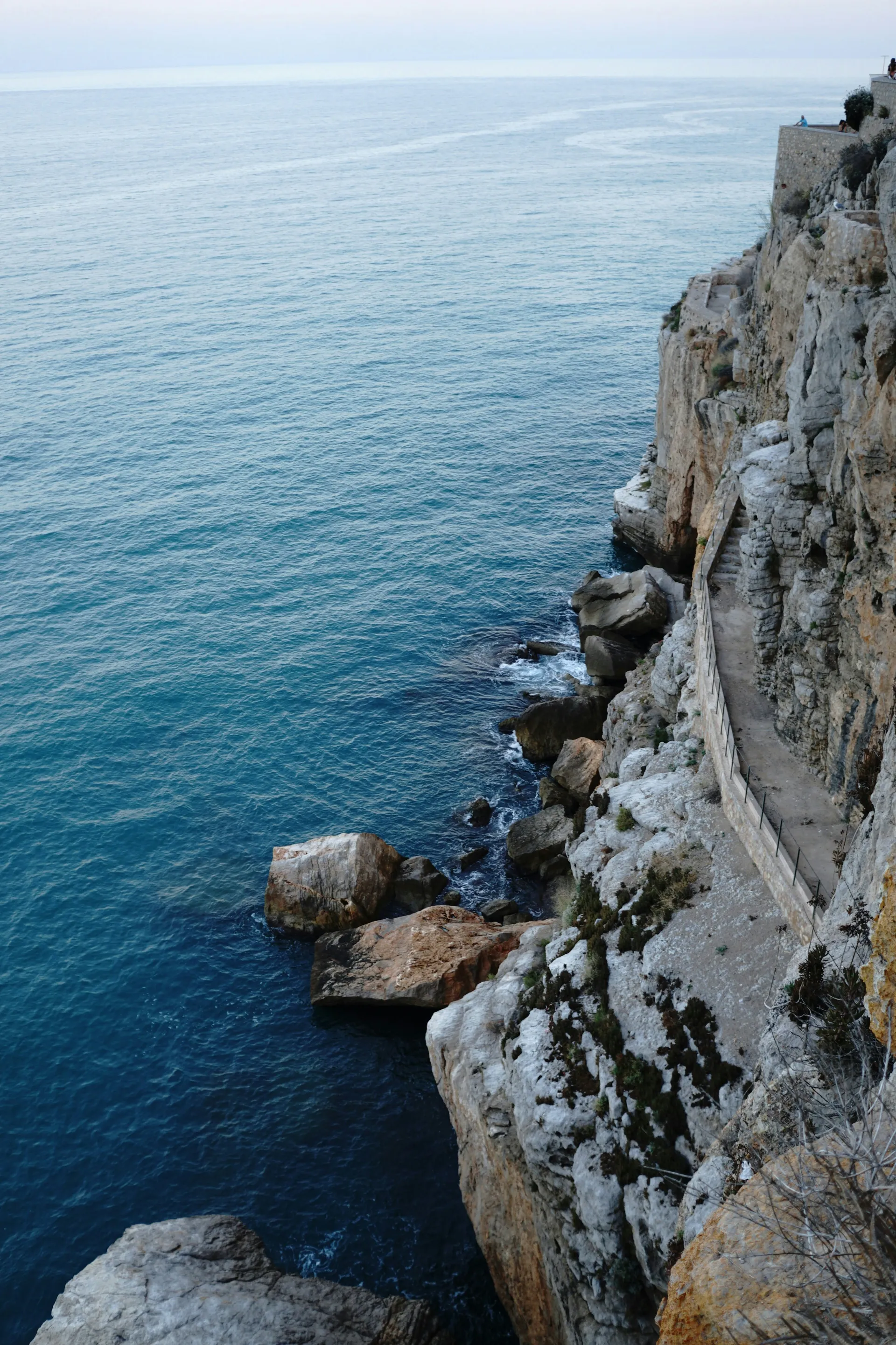
Peñíscola rises from the Mediterranean like a vision from a fairy tale — a compact medieval city perched on a rocky headland connected to the mainland by a narrow tombolo of sand, its 13th-century castle crowning the summit in a silhouette so dramatic that it served as the filming location for the television series Game of Thrones and has been attracting painters, writers, and besotted travellers for centuries. The castle's most famous resident was Pedro de Luna — the antipope Benedict XIII — who retreated here after being deposed by the Council of Constance in 1417 and spent the last six years of his life in defiant isolation, refusing to renounce his claim to the papacy from this spectacular Mediterranean fortress. His stubbornness gave Spain a proverb: "mantenerse en sus trece" — to stand firm in one's position — and the castle's walls still seem to radiate his obstinate resolve.
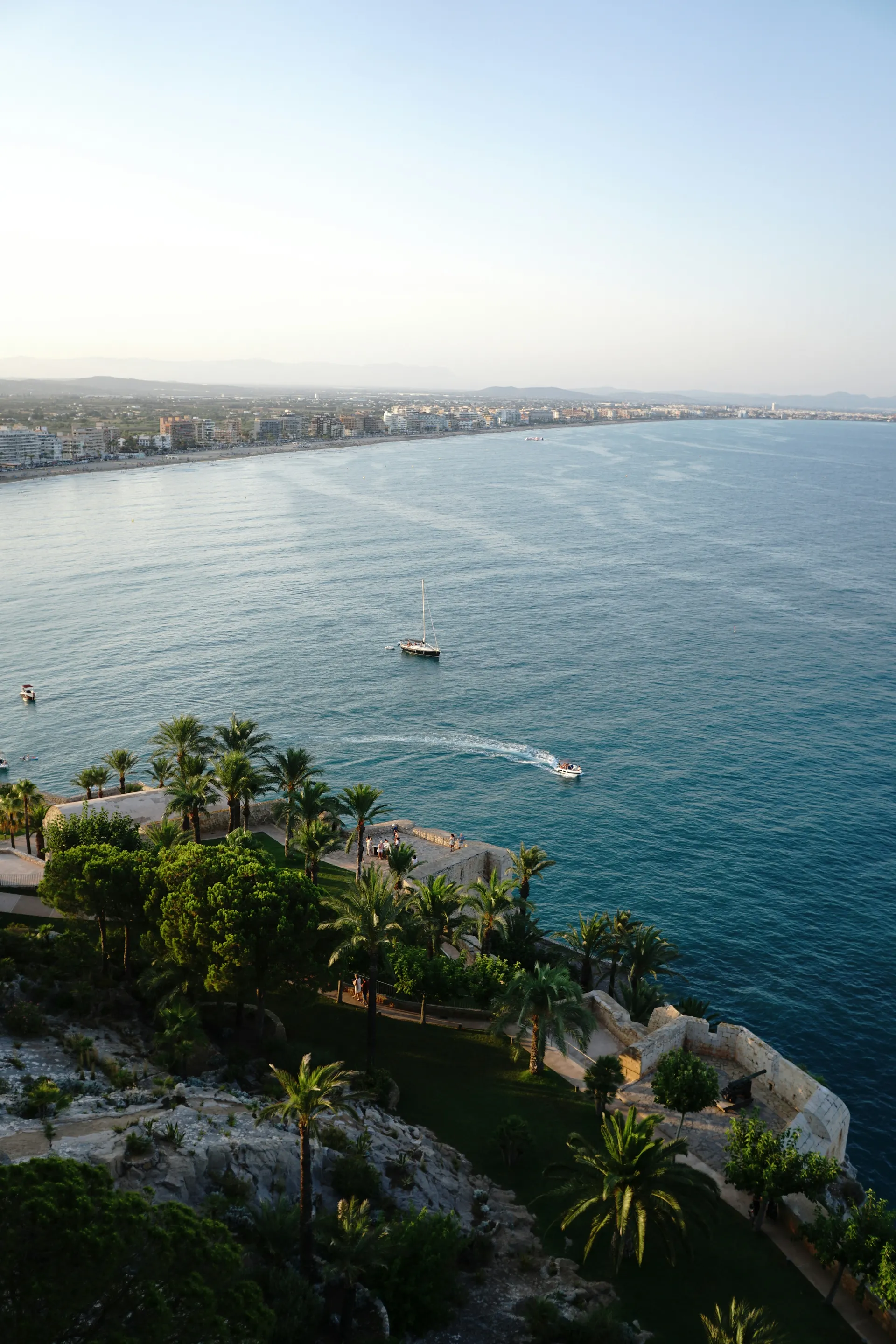
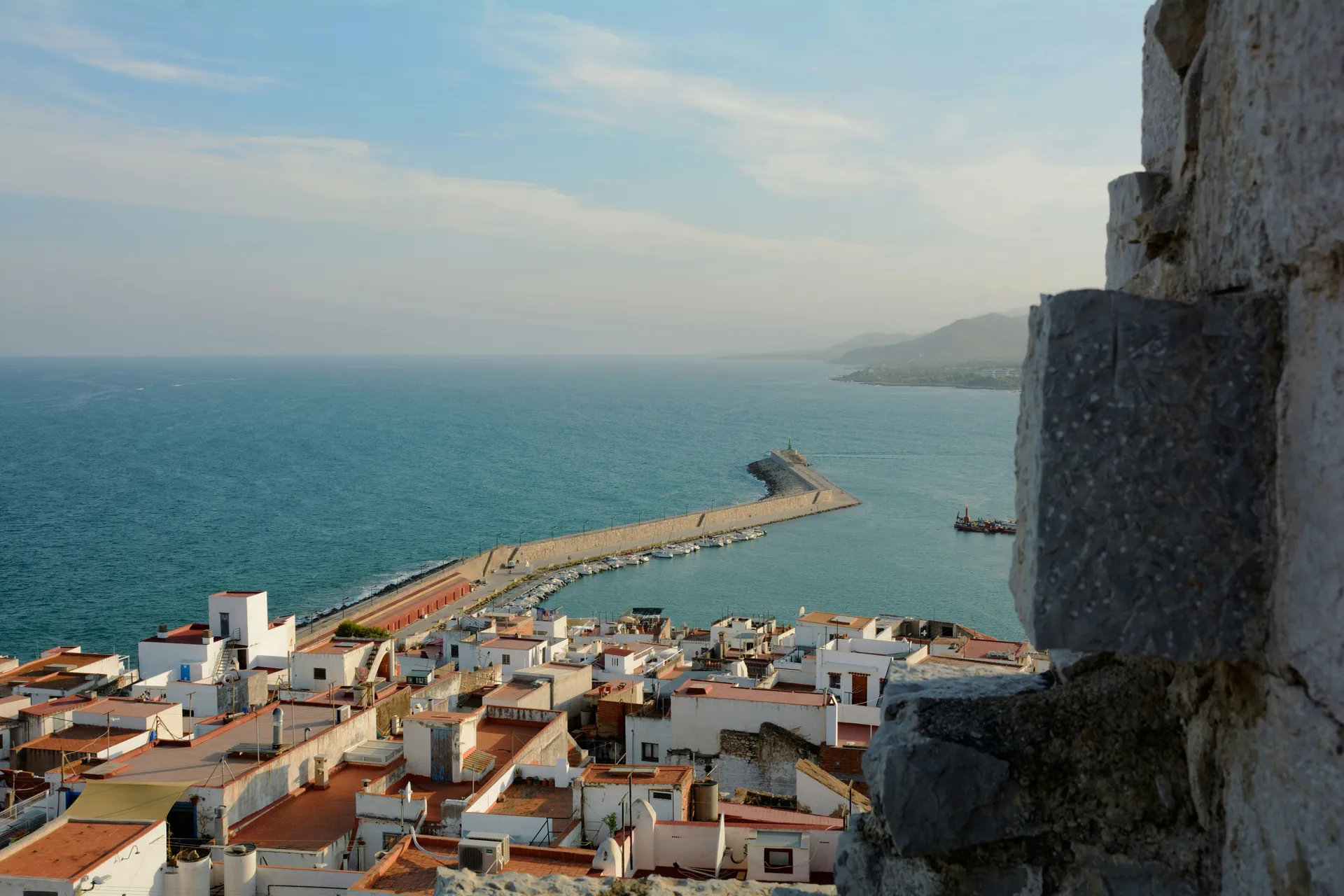
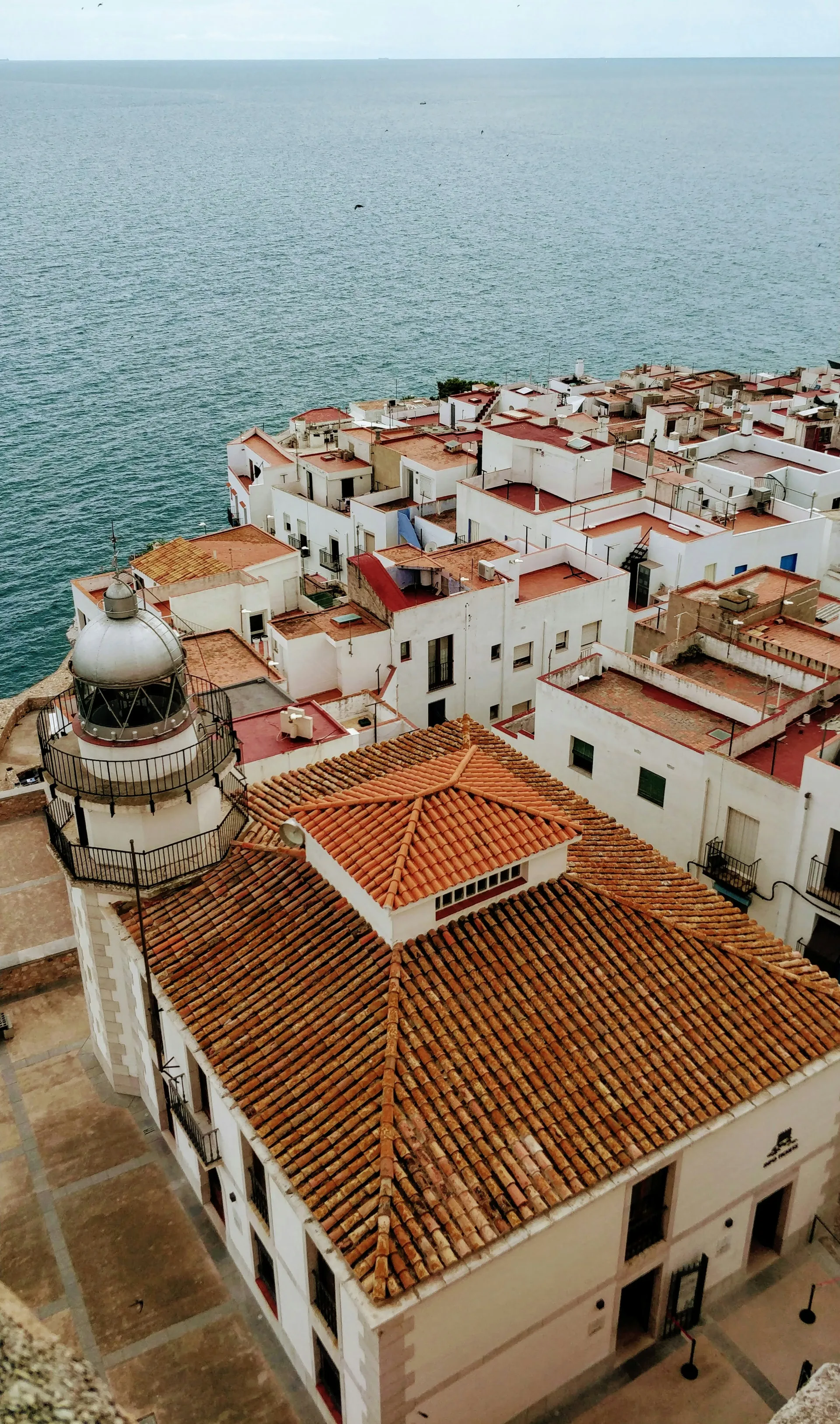
The old town of Peñíscola, contained within the castle walls and cascading down the headland's slopes in a cascade of whitewashed houses, blue shutters, and bougainvillea-draped balconies, is one of the most atmospheric historic quarters on the Spanish Mediterranean. The narrow streets — some barely wide enough for two people to pass — climb through archways and past fishermen's houses to the Parque de Artillería at the summit, where the views encompass the Costa del Azahar (Orange Blossom Coast) stretching north and south in an unbroken curve of golden sand backed by orange groves that perfume the air in spring. The old harbour, tucked beneath the castle walls, still shelters fishing boats that supply the town's restaurants with the morning catch — a living connection to the maritime traditions that have sustained Peñíscola for over a millennium.
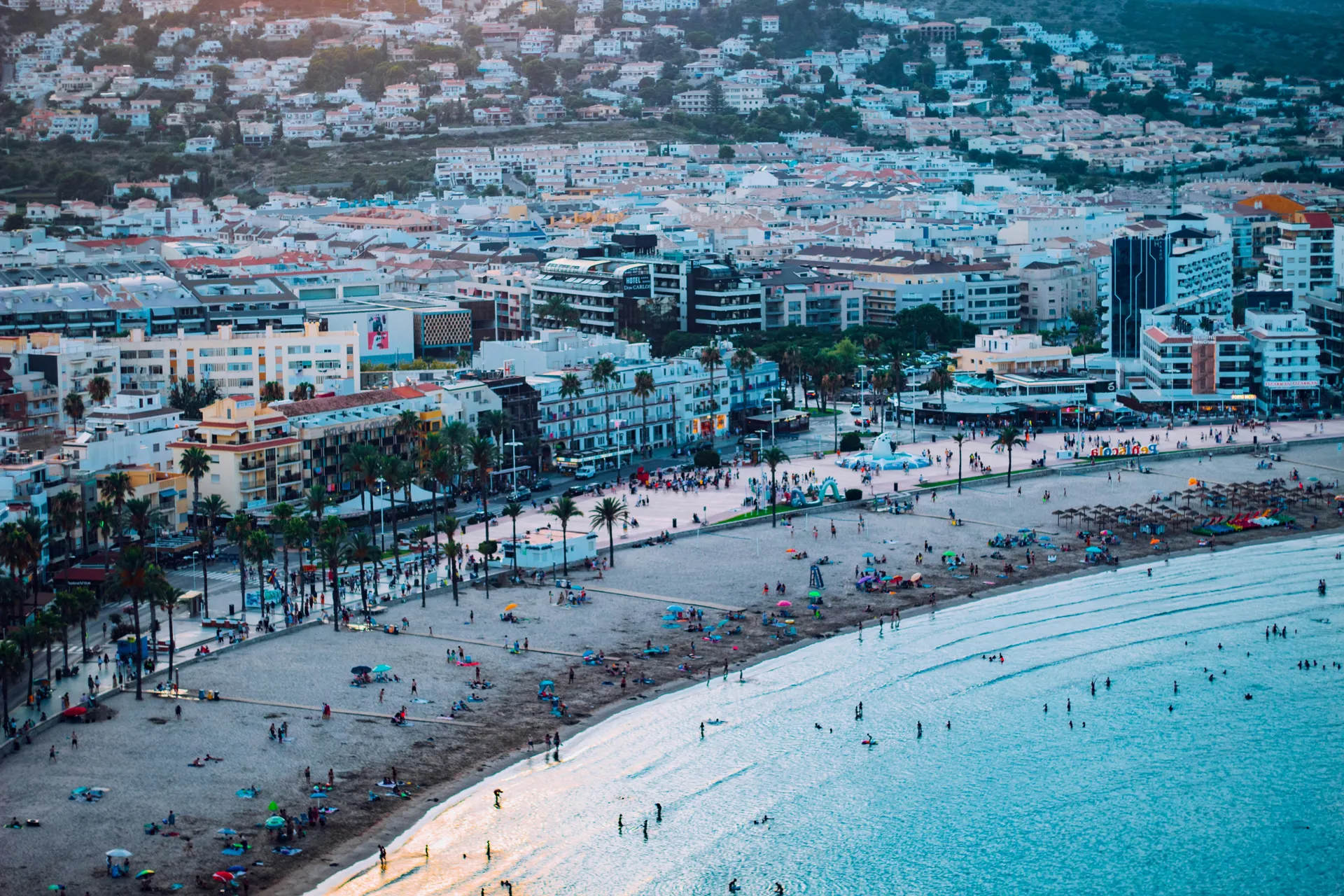
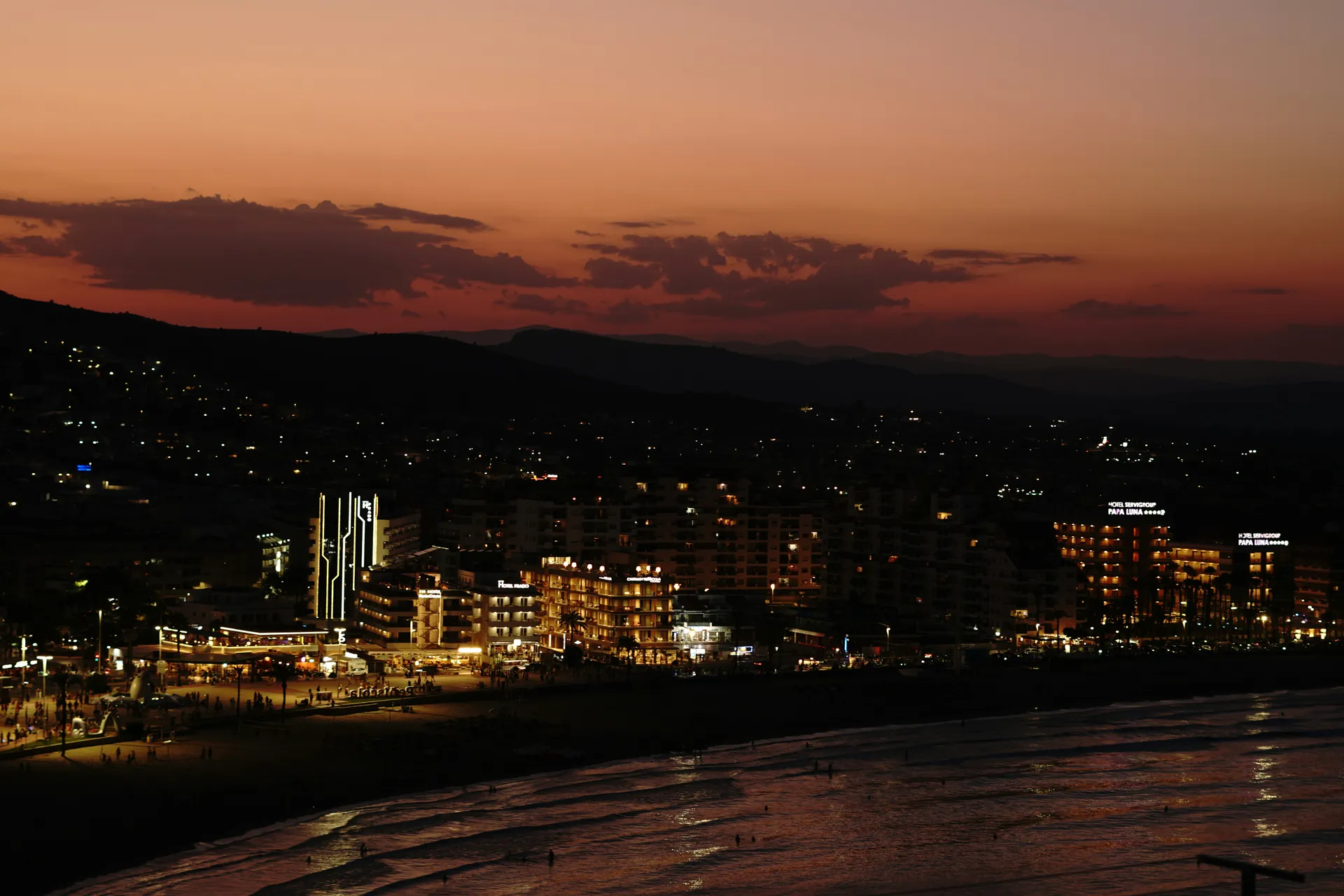
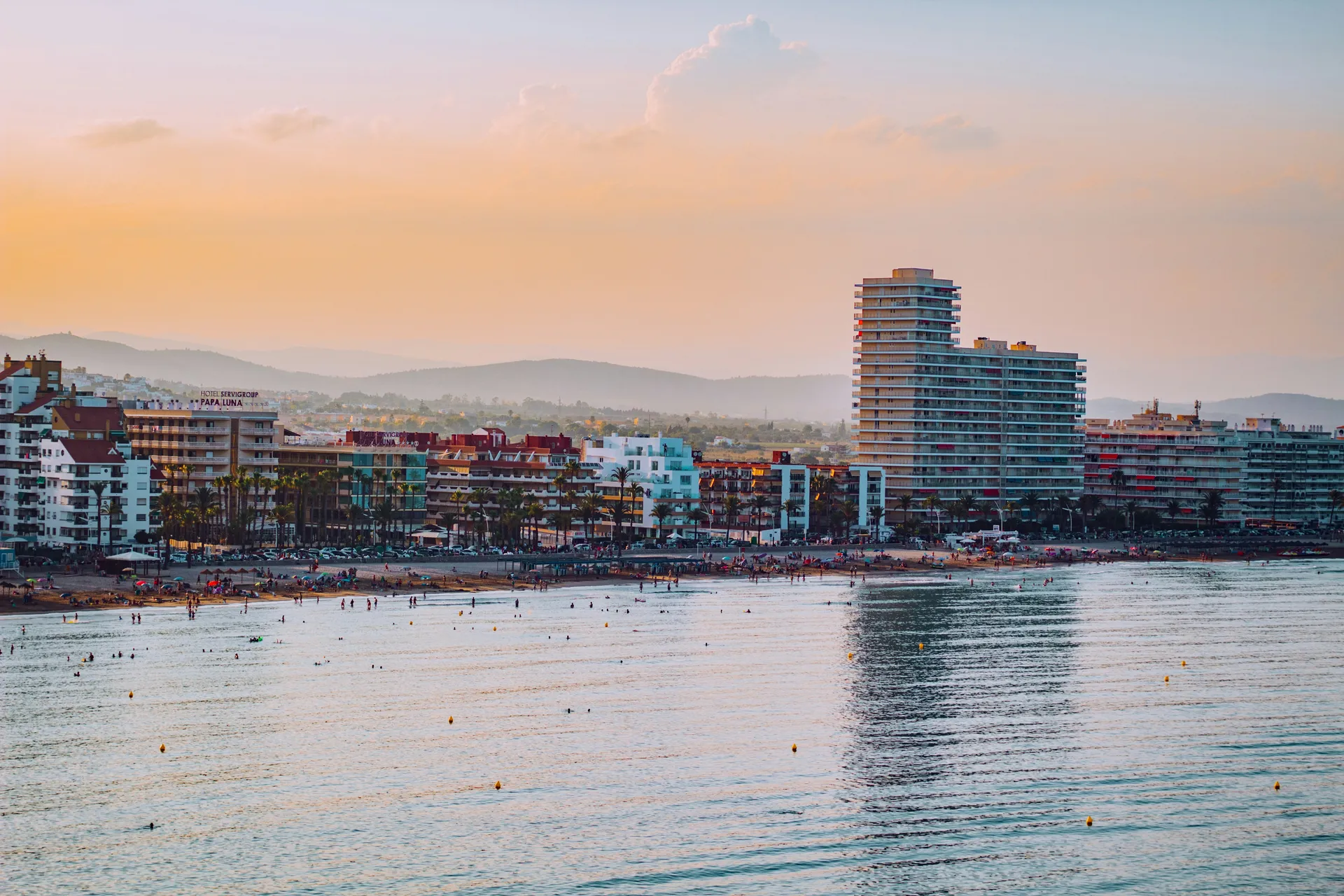
The beaches of Peñíscola extend for five kilometres north and south of the headland, their golden sand and gentle gradient making them among the most family-friendly on the Valencian coast. The North Beach, backed by a modern promenade, is the more developed; the South Beach, stretching toward the Sierra de Irta Natural Park, becomes progressively wilder and more secluded. The Sierra de Irta itself — a protected coastal mountain range running parallel to the shore — offers hiking trails through Mediterranean maquis scrubland to clifftop viewpoints where the sight of Peñíscola's castle silhouetted against the sea explains why this coastline has attracted settlement since the Iberians and the Phoenicians first established their trading posts here over 2,500 years ago.
The cuisine of Peñíscola draws from both the sea and the surrounding citrus orchards. The town's signature dish is suquet de peix — a Valencian fish stew of monkfish, langoustine, and clams simmered in a saffron-and-almond broth that is one of the great fish preparations of Mediterranean Spain. Arroz a banda — rice cooked in a concentrated fish stock with garlic and saffron, served with alioli — and the paella variants that include fideuà (paella made with short noodles instead of rice) round out a seafood-centric culinary tradition of extraordinary sophistication. The local Cardenal Mendoza sherry brandy accompanies dessert, and the oranges that grow in the surrounding groves — Valencia is the world's most famous orange-producing region — arrive at the table as freshly squeezed juice of a sweetness that supermarket oranges can only dream of.
Peñíscola's harbour can accommodate tender operations from cruise ships anchoring offshore. The best time to visit is from April through October, when the Mediterranean climate delivers warm, dry days ideal for combining beach activities with old town exploration. The Fiestas Patronales in September fill the streets with processions, fireworks, and the communal celebration that defines Spanish town life, while the quieter shoulder months of April-May and October offer pleasant temperatures with significantly fewer crowds. Peñíscola's combination of medieval drama, Mediterranean cuisine, and accessible beach beauty makes it one of the most satisfying small-town port calls on the Spanish coast.