Puerto de la Estaca is the sole port serving El Hierro, the smallest and westernmost of Spain's Canary Islands—a volcanic speck in the Atlantic that for centuries marked the edge of the known world. Before the adoption of the Greenwich Meridian in 1884, the prime meridian was conventionally drawn through El Hierro's Faro de Orchilla lighthouse, making this island quite literally the zero point from which Europeans measured their world.
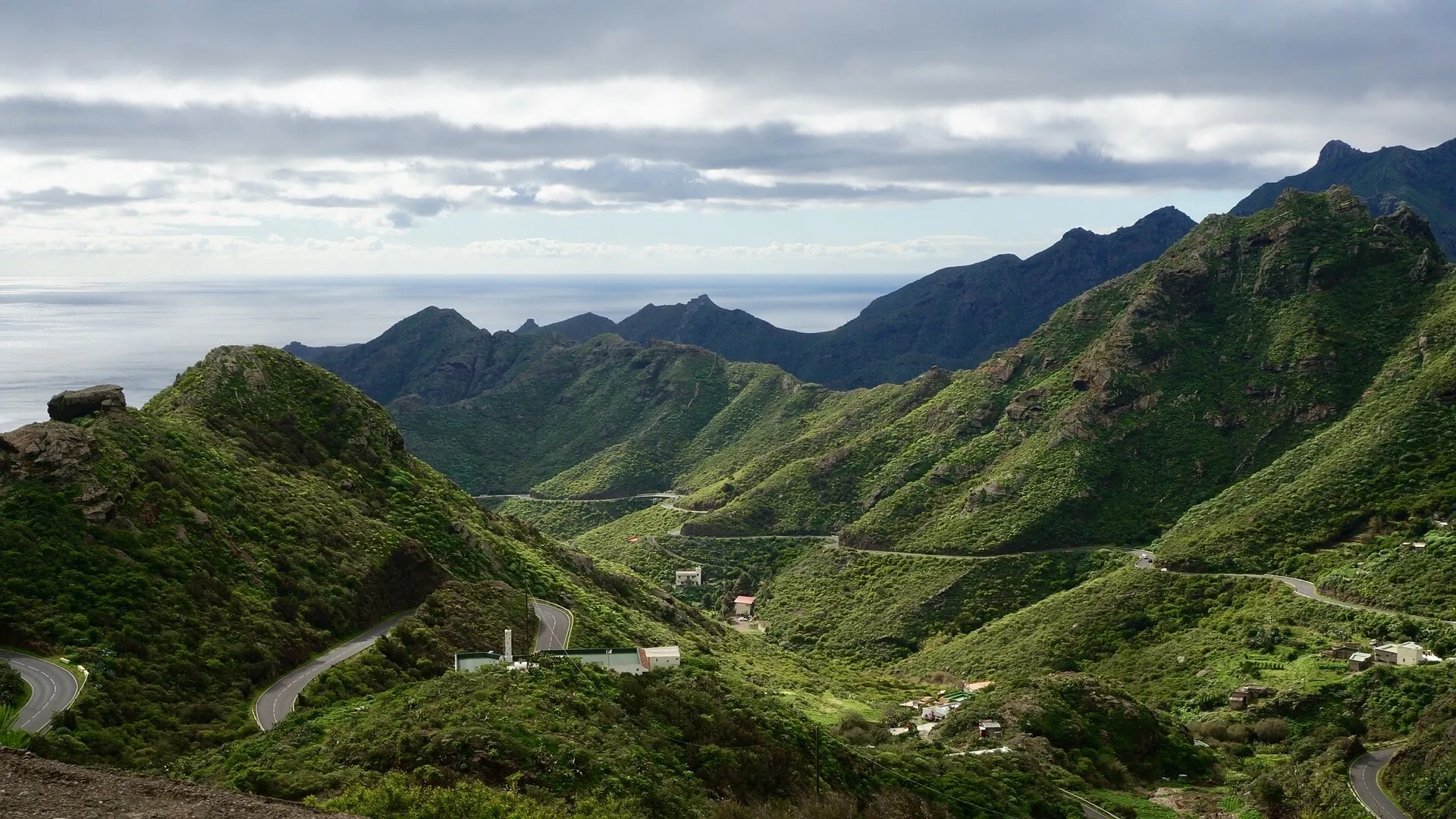
The island's dramatic volcanic landscape rises from the sea in a shield of black basalt, its highest point, Pico de Malpaso, reaching 1,501 meters despite the island measuring barely 27 kilometers at its widest. The Golfo Valley—a massive amphitheater created by a prehistoric landslide that sent half the island's volcanic cone sliding into the sea—dominates the northwestern coast with sheer cliffs and a sweeping bay that ranks among the Canaries' most spectacular geological features. From the mirador (viewpoint) above the valley, the scale of the ancient collapse is almost incomprehensible.
El Hierro earned distinction in 2014 as the first island in the world to be entirely powered by renewable energy, through the Gorona del Viento hydro-wind power station that uses wind turbines and a pumped-storage hydroelectric system to meet all the island's electrical needs. This achievement, combined with the island's existing UNESCO Biosphere Reserve designation (granted in 2000), has established El Hierro as a global model for sustainable island communities. The combination of environmental consciousness and traditional Canarian culture creates a destination ethos that feels genuinely progressive without being preachy.
The underwater world surrounding El Hierro is increasingly recognized as one of the finest diving destinations in the Atlantic. The Mar de las Calmas (Sea of Calms) on the island's southern coast provides sheltered conditions year-round, and the volcanic substrate creates underwater landscapes of lava tubes, arches, and caverns populated by an extraordinary diversity of marine life. Giant manta rays, whale sharks, and hammerhead sharks are occasional visitors, while resident populations of angel sharks, barracuda, and colorful wrasse provide reliable encounters. The clarity of the water—often exceeding forty meters of visibility—makes the diving experience particularly photogenic.
Cruise ships anchor off Puerto de la Estaca with tender service to the small harbor. The island's compact size makes it theoretically explorable in a day, but the steep, winding roads and the diversity of landscapes reward a more relaxed pace. A rental car provides the most flexibility, with the circuit of the island taking approximately three hours without stops. The Canarian climate provides pleasant conditions year-round, with summer temperatures moderated by ocean breezes and winter temperatures rarely dropping below 18°C. El Hierro's appeal is its remoteness and authenticity—this is not a resort island but a living community at the edge of the Atlantic, where volcanic landscape, progressive energy policy, and traditional Canarian life coexist in compelling harmony.

