It was from this very harbour in September 1492 that Christopher Columbus set sail on his first voyage westward, making San Sebastián de La Gomera the last point of the known world before the Atlantic swallowed the horizon whole. The Casa de la Aguada, where Columbus is said to have drawn his final fresh water, still stands in quiet testimony along the town's narrow lanes — a portal to an age when this modest Canarian port held the key to an undiscovered continent. The Torre del Conde, a fifteenth-century fortified tower commissioned by Hernán Peraza the Elder, rises above the palm canopy as the oldest military structure in the archipelago, its honey-coloured stone softened by five centuries of trade winds.
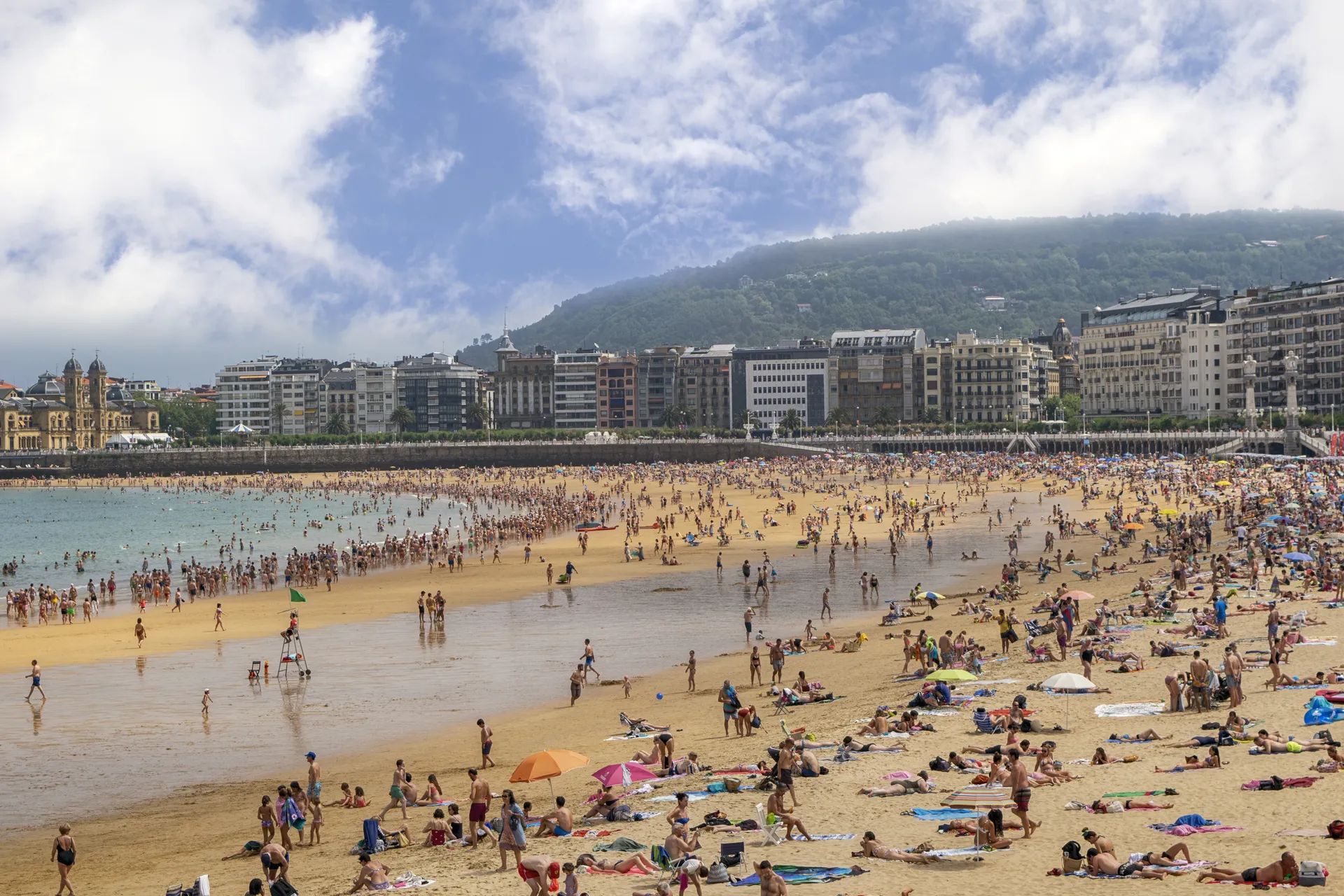
Yet La Gomera has never been a place that trades on spectacle. Designated a UNESCO Biosphere Reserve in its entirety, the island wraps itself in ancient laurel forests — the Garajonay National Park, itself a World Heritage Site — where moss-draped trees filter sunlight into something almost submarine. Down at sea level, San Sebastián unfolds in faded terracotta and sun-bleached ochre, its waterfront promenade measuring time in unhurried footsteps rather than minutes. There is a particular quality of stillness here that the other Canary Islands, with their resort sprawl and volcanic theatrics, have long surrendered. Life moves at the cadence of fishing boats returning to the Playa de la Cueva, where locals gather at dusk as the Atlantic turns to hammered copper.
The island's table reflects its verticality — terraced hillsides yield small-batch wines from the Forastera Gomera grape, a varietal found nowhere else on earth, whose mineral brightness pairs impeccably with local goat's cheese smoked over palm wood, known as queso ahumado de La Gomera. In the hillside restaurants above town, almogrote — a robust, peppery paste of aged cheese, tomato, garlic, and olive oil — arrives with rounds of crusty bread and a view that stretches to Tenerife's volcanic silhouette. Miel de palma, a dark, treacly syrup tapped from the Canarian date palm through a tradition dating back to the Guanche inhabitants, drizzles over fresh cream desserts with an earthy sweetness entirely its own. Potaje de berros, a hearty watercress soup thick with potatoes and corn, speaks to the island's agricultural soul — honest food elevated by ingredients that have never needed to travel far.
La Gomera's position within the Canaries makes it a natural compass point for broader exploration. The medieval ramparts and flamenco tablaos of Cádiz lie a short flight north, offering Andalusian grandeur in one of Europe's oldest continuously inhabited cities. The cultural gravity of Madrid — its Prado corridors and late-night vermut bars — rewards those willing to extend their journey to the mainland. For travellers drawn to Spain's wild north, the Picos de Europa await near Cangas de Onís, where Romanesque bridges arc over glacier-fed rivers in a landscape of almost Alpine drama. And for those craving a different island rhythm, the white-washed DJ temples and pine-forested interiors of Ibiza present a striking Mediterranean counterpoint.
San Sebastián's compact port, sheltered by the Punta de San Cristóbal, receives a distinguished roster of expedition and boutique cruise lines that prize authenticity over passenger volume. The intimate sailing vessels of Windstar Cruises glide into harbour with their signature grace, while Hapag-Lloyd Cruises brings Germanic precision to its Canary Island itineraries aboard the elegant EUROPA fleet. CroisiEurope weaves La Gomera into its Atlantic voyages with a distinctly Francophone sensibility, and Tauck pairs its calls here with the kind of curated shore excursions — guided walks through the laurel forest, Silbo Gomero whistling demonstrations — that transform a port stop into genuine immersion. Marella Cruises opens this remarkable island to a broader audience, ensuring that La Gomera's whispered enchantments reach beyond the cognoscenti. For each of these lines, San Sebastián represents something increasingly rare in cruise itineraries: a destination that has not yet learned to perform for its visitors.

