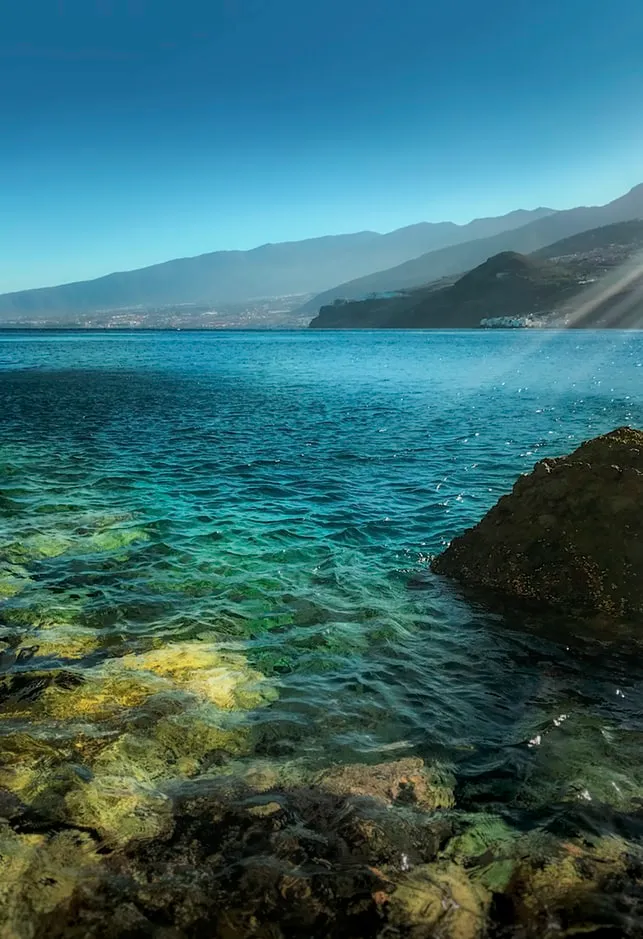
Santa Cruz de Tenerife, the co-capital of Spain's Canary Islands alongside Las Palmas de Gran Canaria, grew from a modest fishing village into a strategic Atlantic port after the Spanish conquest of the Guanche inhabitants in 1496. The city gained international fame in 1797 when Admiral Horatio Nelson lost his right arm during a failed assault on the harbor — a defeat so rare in his legendary career that the residents of Santa Cruz commemorated it with a cannon, El Tigre, still displayed in the city's military museum. Throughout the nineteenth century, the port served as a vital coaling station for steamships traveling between Europe, Africa, and the Americas.
Santa Cruz today is a city of striking architectural contrasts and year-round subtropical warmth. The Auditorio de Tenerife, designed by Santiago Calatrava with a soaring white wave-like roof, has become the city's modern icon, rising dramatically above the waterfront. The colonial quarter around the Church of the Immaculate Conception preserves balconied houses and plazas shaded by Indian laurel trees. The Parque García Sanabria, one of the largest urban parks in Spain, displays an open-air sculpture collection amid dragon trees, palm groves, and subtropical flowers. The city's Carnival, held each February, is the second-largest in the world after Rio de Janeiro, drawing hundreds of thousands of revelers in elaborate costumes and feathered headdresses.
Canarian cuisine in Santa Cruz reaches sophisticated heights. Papas arrugadas with mojo sauces remain ubiquitous, but the city's restaurants elevate the tradition with dishes like vieja a la espalda (pan-seared parrotfish), ropa vieja canaria (shredded beef and chickpea stew), and puchero canario, a slow-cooked pot of meats, vegetables, and corn on the cob. The Mercado de Nuestra Señora de África, an Art Deco marketplace modeled after a North African souk, brims with local cheeses, fresh tuna, tropical fruits, and mojo sauces sold by the jar. For dessert, bienmesabe — a paste of almonds, eggs, sugar, and lemon zest — is irresistible.
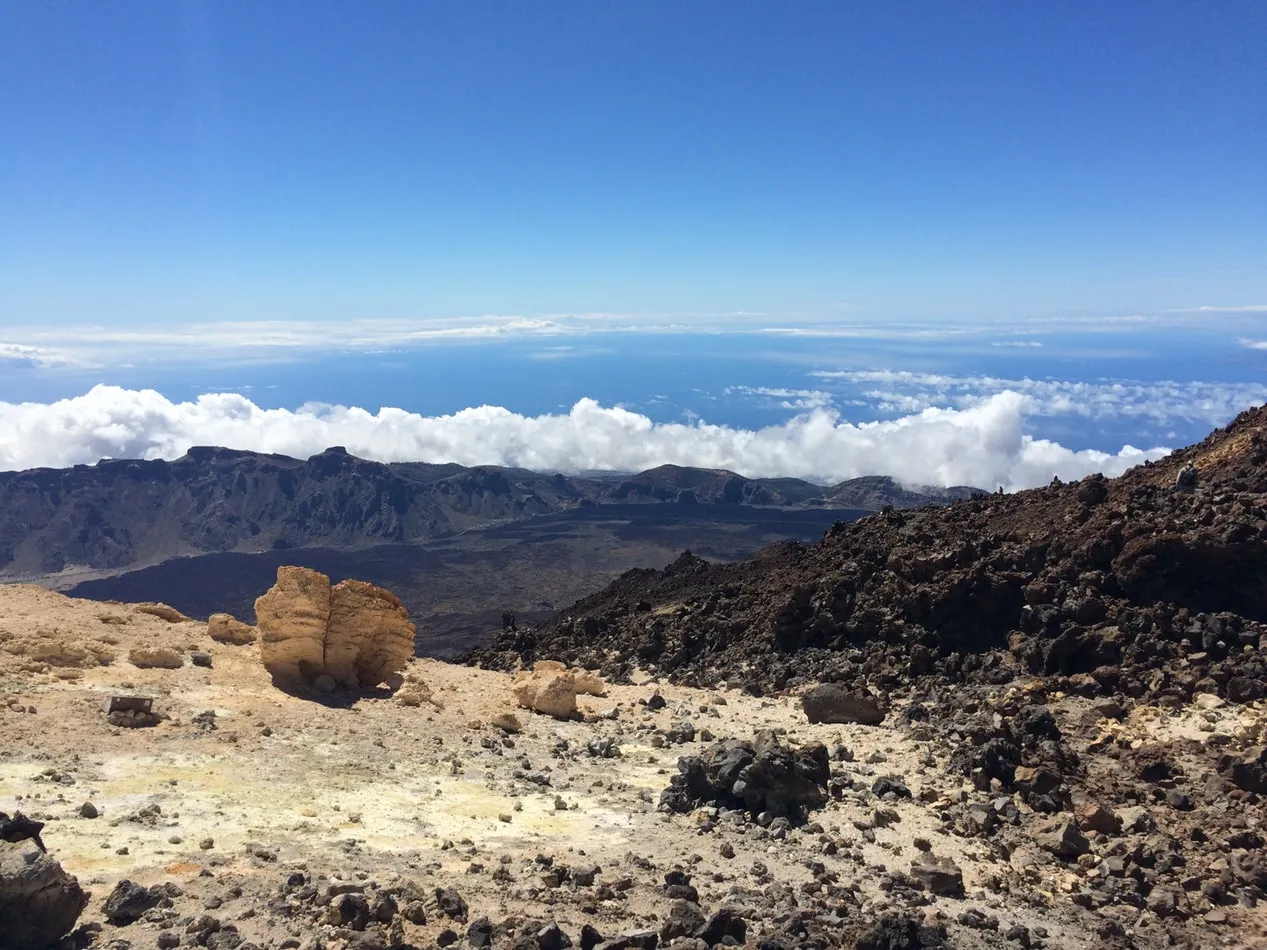
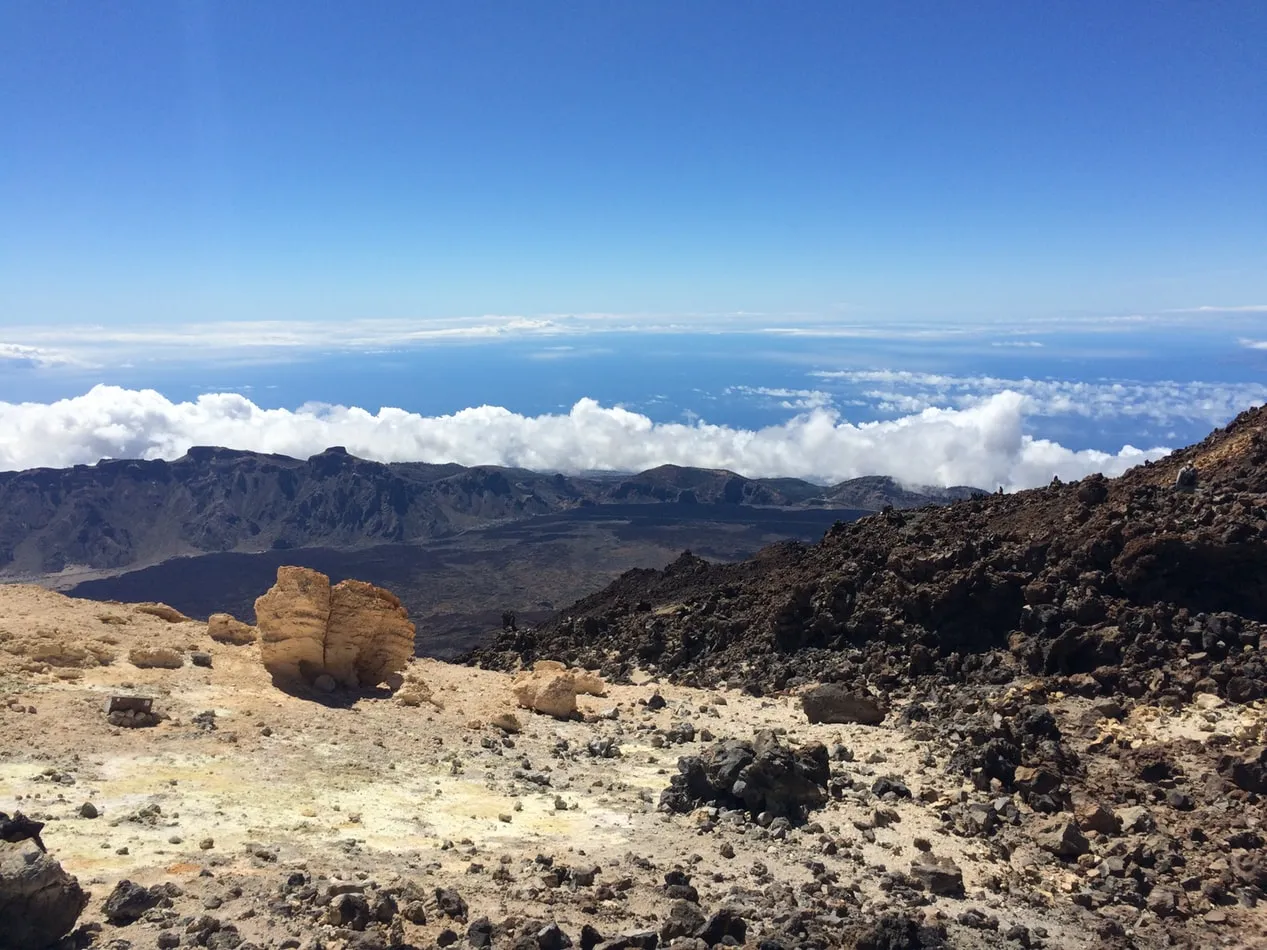
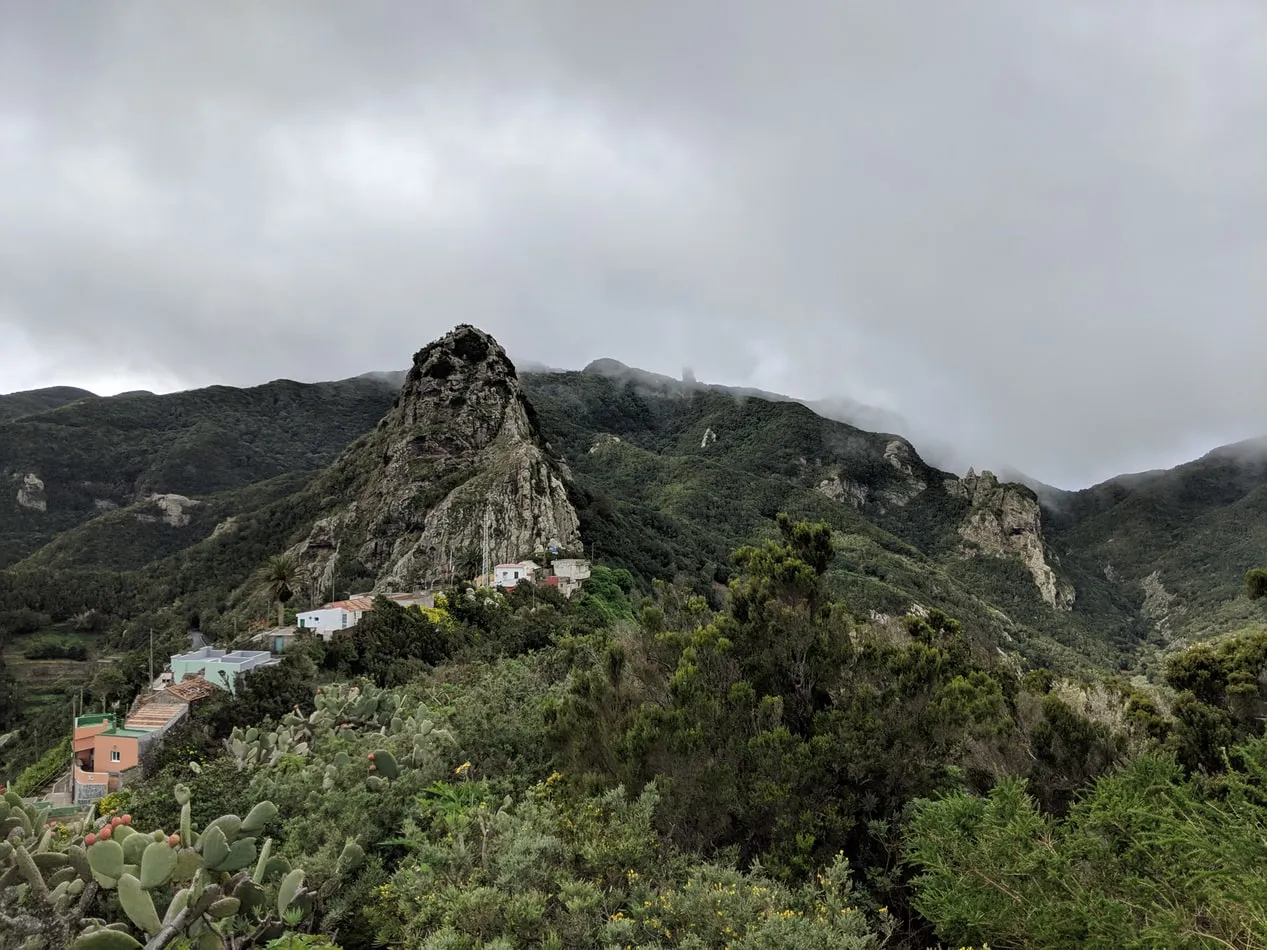
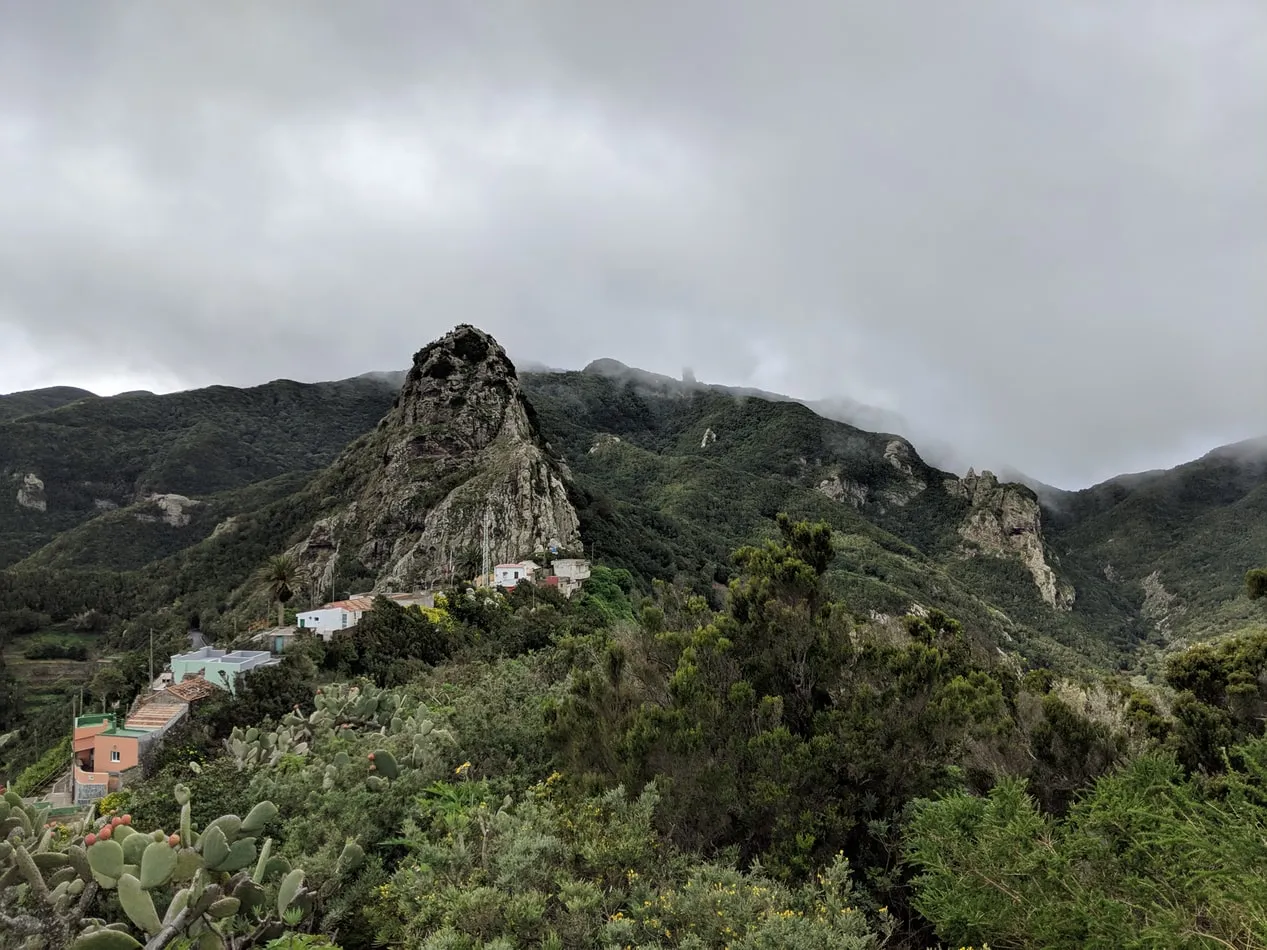
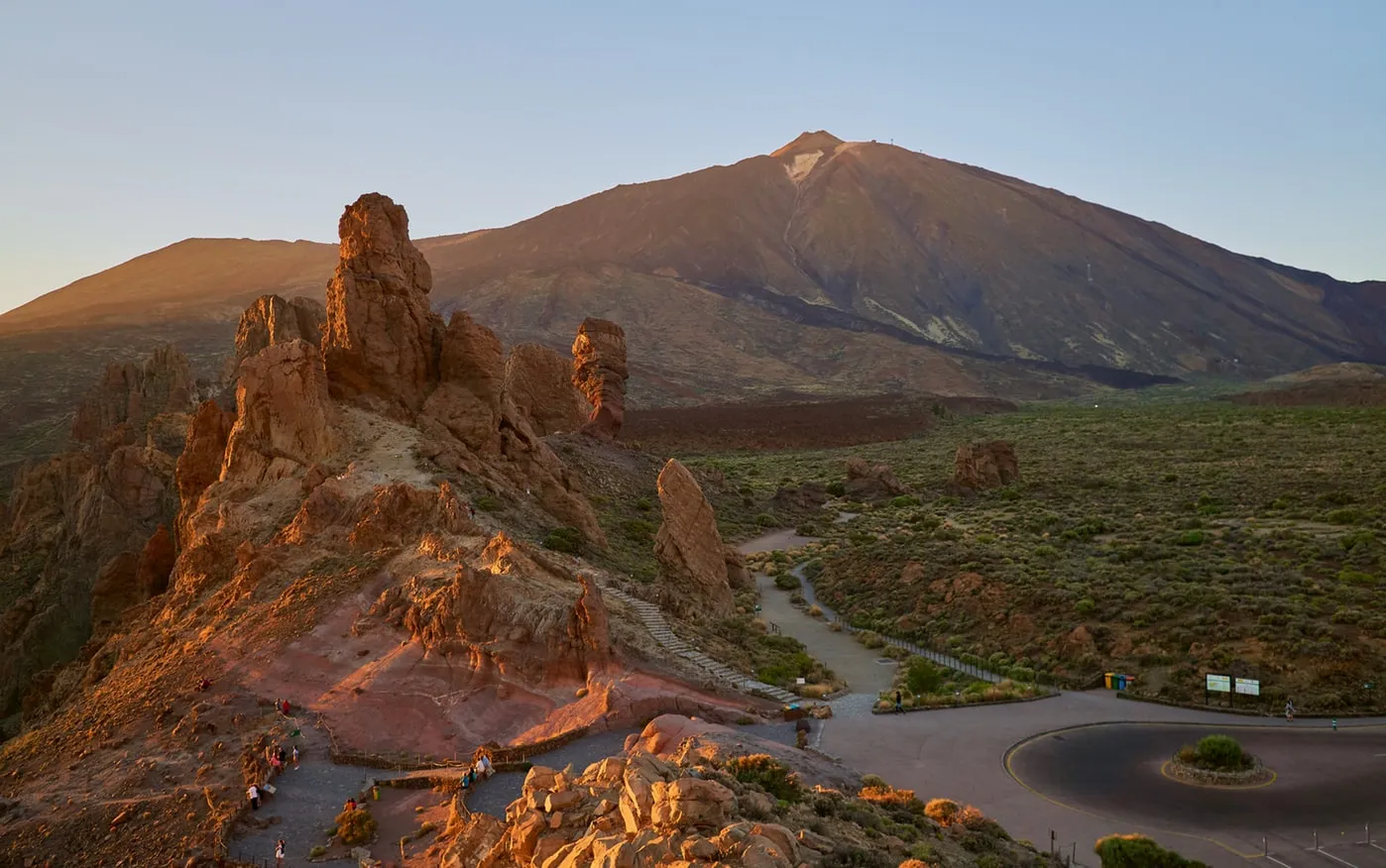
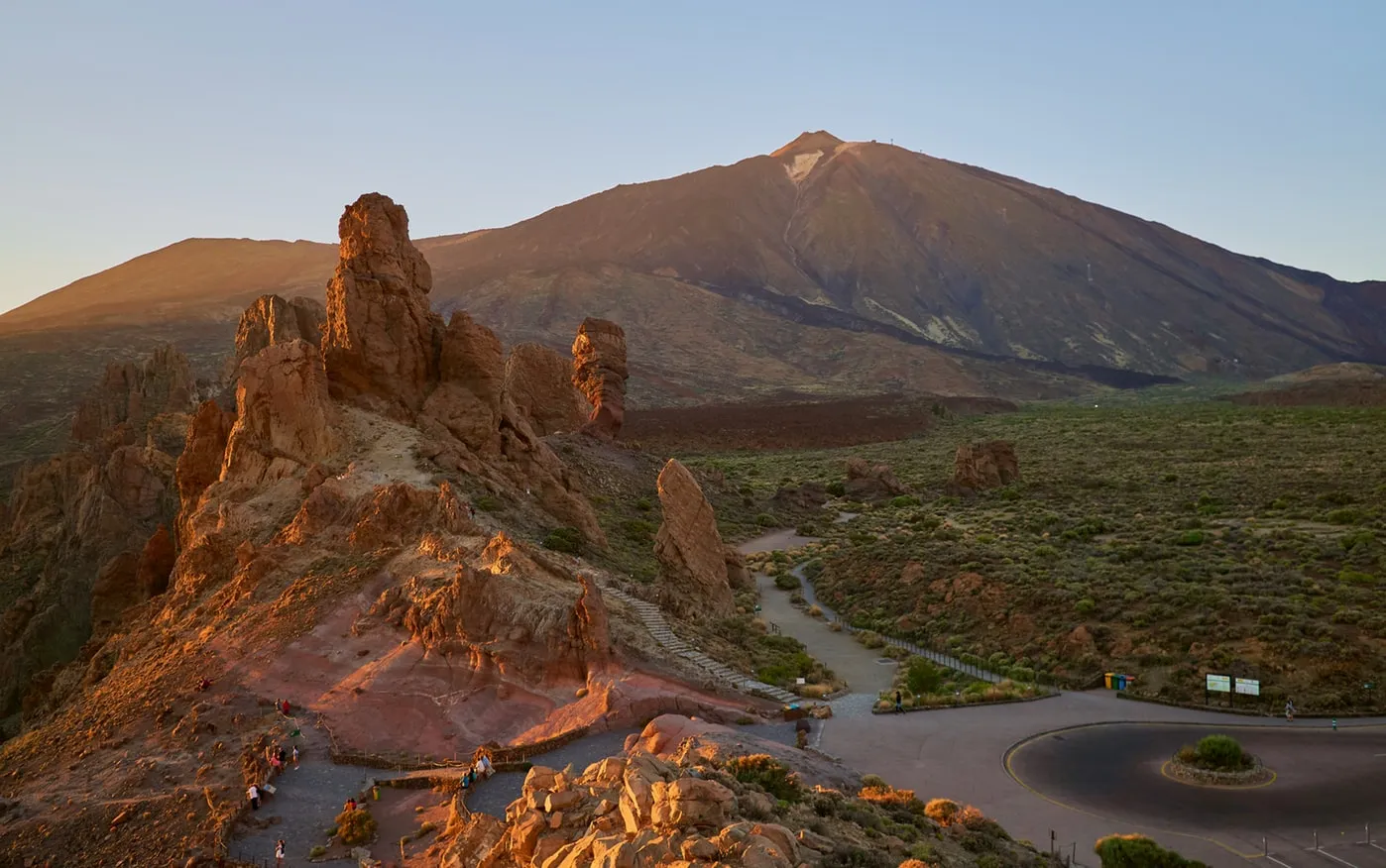
From Santa Cruz, the entire island unfolds. The Anaga Mountains, a UNESCO Biosphere Reserve just northeast of the city, offer laurel-forest hiking trails through misty cloud forests. The volcanic landscape of Teide National Park and its cable car to near the summit of Spain's highest peak is roughly an hour's drive. The historic town of La Laguna, the island's original capital and a UNESCO World Heritage Site, is a fifteen-minute tram ride. The black-sand beaches of Playa de las Teresitas, fringed by imported Saharan golden sand, lie just ten minutes north.
Santa Cruz de Tenerife draws a wide spectrum of cruise lines year-round. Silversea, Crystal Cruises, Explora Journeys, Ponant, Regent Seven Seas Cruises, Hapag-Lloyd Cruises, and Windstar Cruises bring luxury travelers. Holland America Line, Oceania Cruises, Princess Cruises, Norwegian Cruise Line, and Viking provide premium options. MSC Cruises, Costa Cruises, Fred Olsen Cruise Lines, Marella Cruises, TUI Cruises Mein Schiff, Ambassador Cruise Line, and CroisiEurope serve the mainstream market. Atlas Ocean Voyages, Aurora Expeditions, Emerald Yacht Cruises, Lindblad Expeditions, Star Clippers, and Scenic Ocean Cruises provide expedition and boutique experiences. The islands' subtropical climate makes visits pleasant year-round, with November through March being the most popular for Atlantic repositioning cruises.