Few cities along the Iberian Atlantic coast carry the weight of history quite like Vigo. Celtic castro settlements dotted these hillsides more than two thousand years ago, and in 1702 the bay witnessed one of the most dramatic naval engagements in European history — the Battle of Rías Baixas, when Anglo-Dutch forces attacked a Franco-Spanish treasure fleet returning from the Americas, sending galleons laden with silver to the seafloor. That layering of ancient myth and maritime drama continues to pulse through the city's cobblestone lanes, lending Vigo an intensity that belies its modest size.
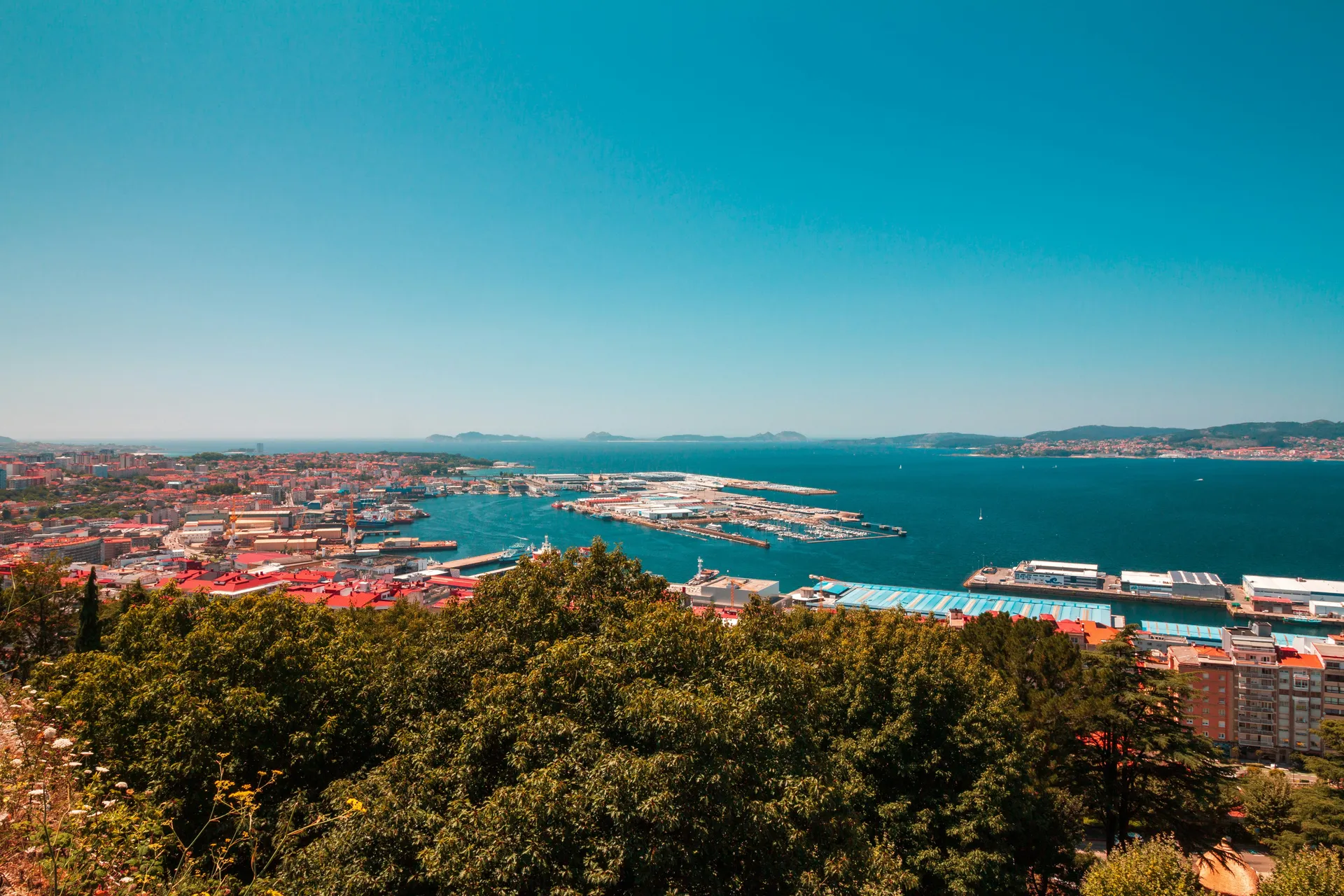
Arrayed along the sloping southern shoreline of its namesake ría, Vigo unfolds like an amphitheatre turned toward the sea. The old quarter — O Berbés — tumbles down to the waterfront in narrow granite alleys where fishermen once hauled their catch directly to market. From the hilltop fortress of O Castro, the panorama is staggering: the sweeping crescent of the bay, the dark silhouette of the Cíes Islands guarding the estuary's mouth, and beyond them the open Atlantic dissolving into silver light. It is a city that breathes salt air and wears its working-port identity with unpolished pride, yet rewards the observant traveller with moments of extraordinary beauty.
Galician cuisine is arguably Spain's finest kept secret, and Vigo is its undisputed capital of the sea. The Mercado da Pedra, a bustling stone market a few steps from the port, is where ostreiras — oyster women — shuck Arcade oysters at marble counters and serve them with nothing more than a squeeze of lemon and a glass of crisp Albariño from the Rías Baixas denominación. Seek out pulpo á feira — tender octopus dusted with pimentón and coarse sea salt — at any of the tascas lining Rúa Pescadería, or sit down to a proper mariscada, a towering platter of percebes, navajas, and zamburiñas that distils the entire Atlantic onto a single table. For something heartier, empanada de berberechos — golden-crusted cockle pie — captures the soulful simplicity of Galician home cooking.
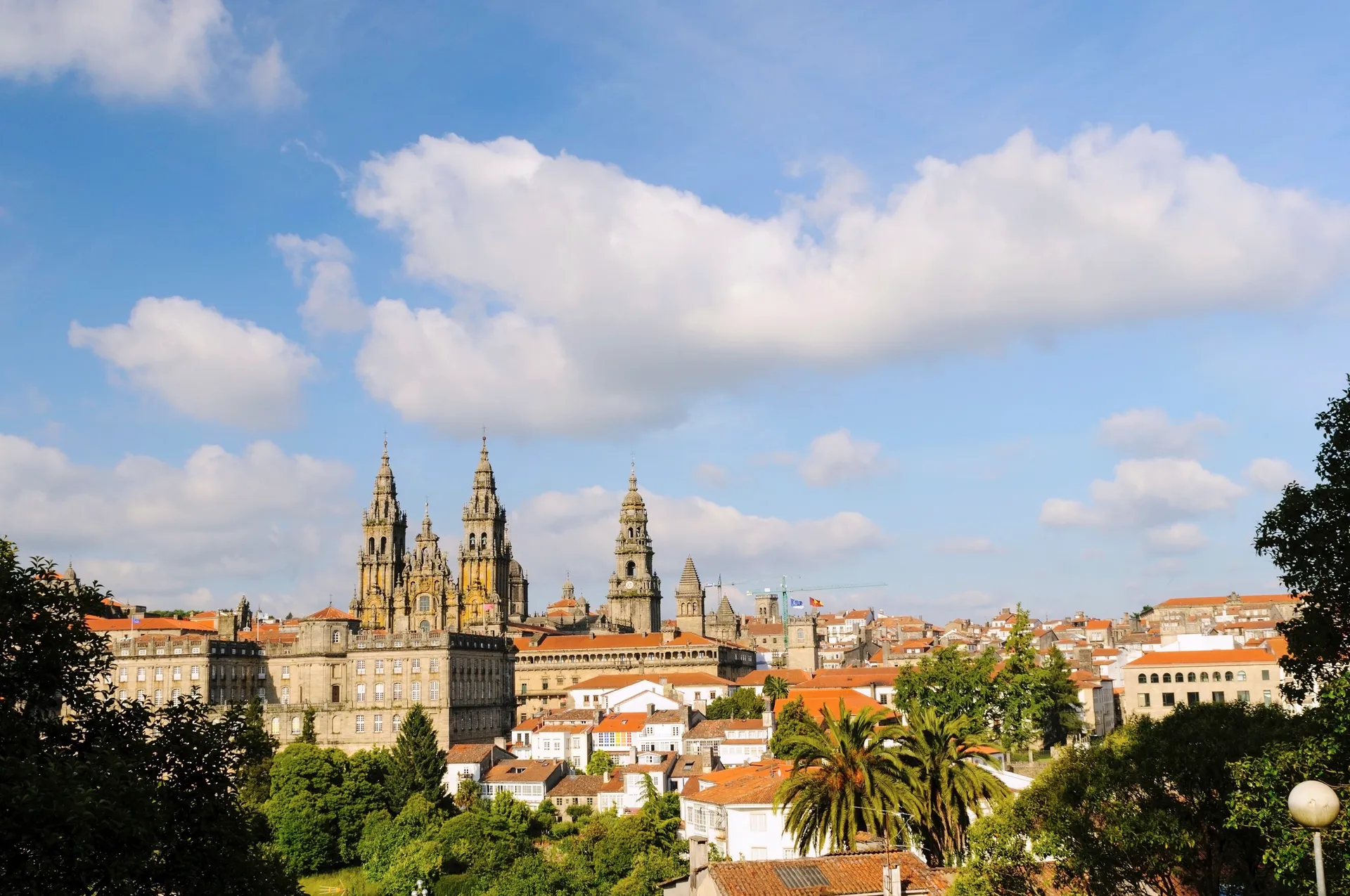
Vigo's position in Spain's northwestern corner makes it a compelling gateway to deeper Iberian explorations. The pilgrimage city of Santiago de Compostela lies barely an hour north, its Romanesque cathedral a monument to centuries of devotion. Those with time might venture south into Portugal's Minho Valley, where terraced vineyards and fortified manor houses line the river, or journey inland to the Ribeira Sacra, where monasteries cling to vertiginous canyon walls above the Sil. Farther afield, the storied cities of Madrid and Cádiz await — Madrid with its Prado and rooftop twilights, Cádiz with its luminous seafront promenades and three millennia of Phoenician heritage. The mountain villages of Cangas de Onís in Asturias, gateway to the Picos de Europa, offer yet another register of Spanish grandeur, while the Balearic shimmer of Ibiza proves that Spain's diversity is virtually inexhaustible.
As one of Galicia's principal deep-water ports, Vigo welcomes an impressive roster of cruise lines. Ambassador Cruise Line and Fred Olsen Cruise Lines frequently include Vigo on their Iberian and Biscay itineraries, while Celebrity Cruises and Royal Caribbean call here on longer Mediterranean repositioning voyages. MSC Cruises and Costa Cruises bring a continental European sensibility, their ships gliding into the bay with an almost theatrical sense of arrival. Norwegian Cruise Line offers the port as part of its Western Europe sailings, and the expedition-minded traveller will find Ponant and Scenic Ocean Cruises threading Vigo into intimate Atlantic voyages. Viking, whose cultural shore excursions are among the most thoughtfully curated at sea, regularly features the city, and Windstar Cruises — with its elegant small-ship ethos — allows passengers to feel the ría's scale in a way that larger vessels simply cannot replicate.