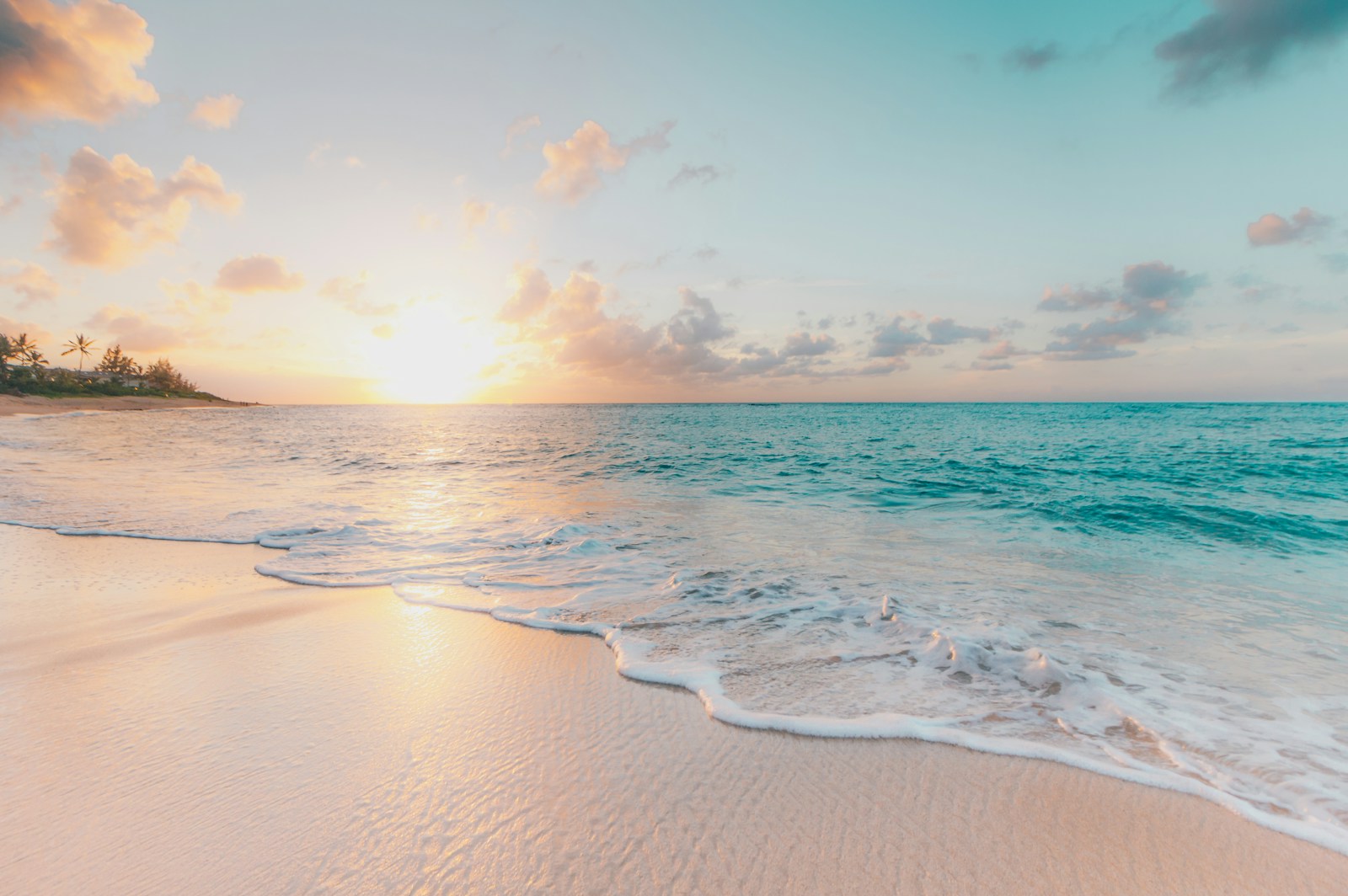
Villagarcía de Arousa sits at the head of the Ría de Arousa—the largest and most productive of Galicia's famous rías (coastal inlets)—on Spain's Atlantic northwest coast. This working port town of 37,000 serves as a gateway to one of Europe's most distinctive culinary, cultural, and natural landscapes, where the ría's sheltered waters produce some of the world's finest shellfish and the surrounding countryside harbors Romanesque churches, pazos (Galician manor houses), and the unmistakable Celtic-influenced character that distinguishes Galicia from the rest of Spain.
The Ría de Arousa is the undisputed capital of European shellfish cultivation. The bateas—floating platforms from which ropes of mussels hang into the nutrient-rich waters—dot the ría's surface by the thousands, producing over 250,000 tonnes of mussels annually and making Galicia the world's second-largest mussel producer after China. Beyond mussels, the ría yields extraordinary clams (almejas), cockles (berberechos), razor clams (navajas), and the prized percebes (goose barnacles)—harvested from wave-battered rocks at considerable personal risk, commanding prices that reflect both their exquisite flavor and the danger of their collection.
Villagarcía's waterfront, centered on the Paseo da Mariña promenade and the small harbor where fishing boats land their daily catch, provides an authentic introduction to Galician maritime culture. The town's weekly market (Tuesdays) fills the streets with vendors offering local produce, cheeses, and the Albariño wine that is the ría's vinous equivalent of its shellfish—a crisp, aromatic white grape variety grown in the Rías Baixas denomination that pairs with seafood as naturally as the tide follows the moon.
The surrounding landscape reveals Galicia's rich historical heritage. The island of Cortegada, visible from Villagarcía's waterfront, shelters one of the largest wild laurel forests in Europe. The Pazo de Rubiáns, an aristocratic estate with botanical gardens and its own Albariño vineyard, offers wine tastings and guided tours that illuminate the Galician landed gentry's way of life. The trail of Romanesque churches scattered through the countryside connects Villagarcía to the broader network of the Camino de Santiago—the Variante Espiritual route, which follows the ría by boat before continuing on foot to Santiago de Compostela, passes directly through the town.
Cruise ships anchor in the ría with tender service to Villagarcía's harbor, or dock at the commercial port. The town is compact and walkable, with the waterfront promenade and market area within easy reach. Excursions to Santiago de Compostela (approximately one hour), the Cambados Albariño capital (twenty minutes), and the island of A Toxa (thirty minutes) are all achievable within a day. The Atlantic climate is mild but changeable, with the driest months from June through September offering the most comfortable conditions. October's harvest season adds festive atmosphere, with seafood and wine festivals celebrating the ría's extraordinary bounty.

