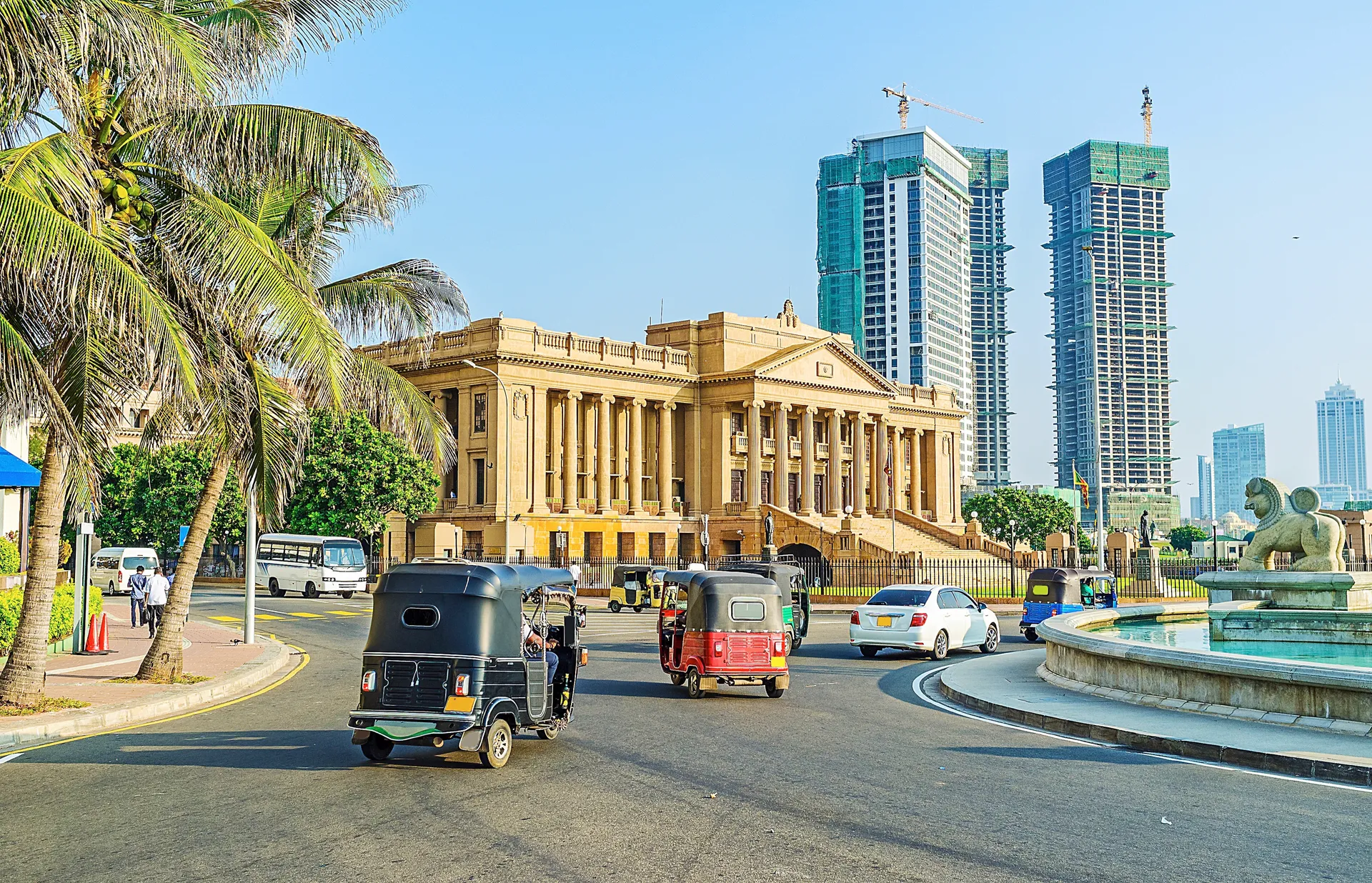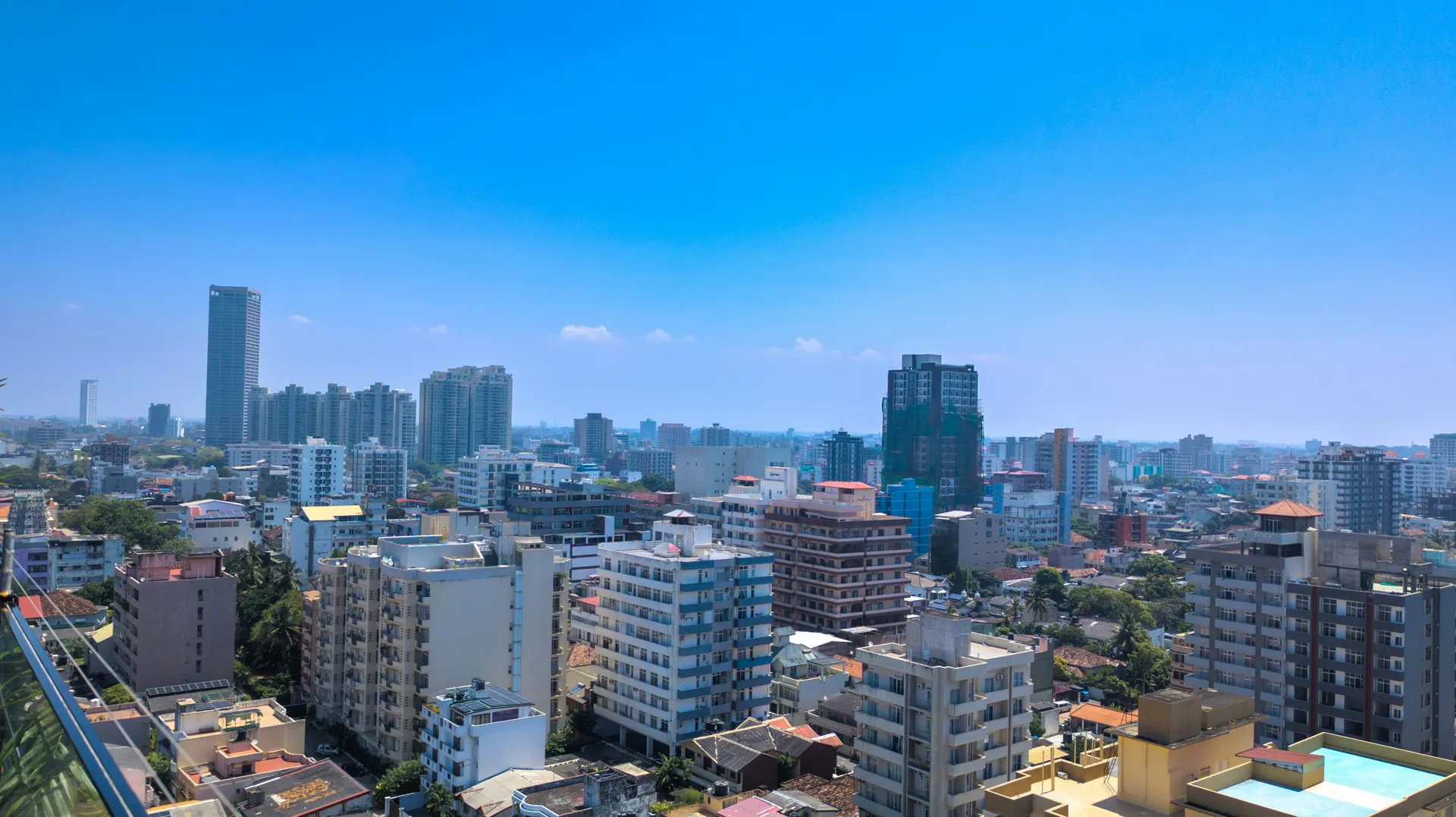
Colombo is a city of restless, exuberant reinvention—Sri Lanka's commercial capital and largest metropolis, where colonial-era buildings, Hindu kovils, Buddhist temples, Islamic mosques, and gleaming glass towers coexist in a tropical urban landscape that defies easy categorization. The city's position on the southwestern coast of this tear-shaped island has made it a trading hub for over two millennia: Arab merchants knew it as Kolanba, Portuguese colonists fortified it, Dutch administrators expanded the port, and the British made it the capital of Ceylon. Each era left its architectural signature, and modern Colombo layers these histories with a contemporary energy fueled by boutique hotels, farm-to-table restaurants, and a creative scene that is rapidly placing this long-overlooked city on the global cultural map.
The Fort district, Colombo's historic core, is a compact grid of colonial-era buildings that served as the administrative center under successive European powers. The Old Lighthouse, the Colombo Clock Tower, and the grand facades of the Grand Oriental Hotel and the Dutch Hospital (now a dining and shopping complex) recall the days when this was one of the busiest ports in the Indian Ocean. Pettah, the adjacent market district, is Colombo at its most unapologetically chaotic—a labyrinth of narrow lanes dedicated to specific trades (gold, textiles, electronics, spices) where vendors call out prices in Sinhala, Tamil, and English. Gangaramaya Temple, an eclectic Buddhist complex that incorporates Sri Lankan, Thai, Indian, and Chinese architectural elements, is the city's most visited religious site, its museum a wonderfully eccentric accumulation of gifts, artifacts, and curios.
Sri Lankan cuisine is one of the world's great undiscovered food traditions, and Colombo is the best place to begin the discovery. Rice and curry—not a single dish but a full meal of steamed rice surrounded by multiple curries, sambols, and accompaniments—is the foundation of every lunch. A proper Colombo rice and curry plate might include dhal, fish curry, chicken curry, gotukola (pennywort) sambol, pol sambol (coconut sambol with chili and lime), and papadum, each dish individually spiced and collectively forming a symphony of flavor. Hoppers (appa)—bowl-shaped crepe-like pancakes made from fermented rice batter and coconut milk—are the quintessential Sri Lankan breakfast, served plain, with an egg cracked into the center, or as string hoppers (steamed rice noodle nests). Kottu roti—chopped roti stir-fried with vegetables, egg, and meat on a hot griddle, the rhythmic clanging of the metal blades serving as an auditory advertisement—is Colombo's most beloved street food, available on virtually every corner after dark.
Day trips from Colombo open windows into Sri Lanka's extraordinary diversity. Negombo, just north of the city, is a coastal fishing town famous for its daily fish market and the Dutch Canal that connects it to Colombo. Galle, two hours south along the coastal highway, preserves a UNESCO-listed Dutch colonial fort of remarkable completeness—its ramparts, churches, and warehouses now housing boutique hotels and art galleries. The Cultural Triangle, accessible by a four-hour drive north, encompasses the ancient capitals of Anuradhapura and Polonnaruwa, the cave temples of Dambulla, and the dramatic rock fortress of Sigiriya. Yala National Park, in the southeast, supports one of the highest concentrations of leopards in the world, along with elephants, sloth bears, and prolific birdlife. The hill country around Nuwara Eliya, reached by scenic rail through tea plantations, offers colonial hill station charm and some of the world's finest single-estate teas.
Celebrity Cruises, Costa Cruises, P&O Cruises, Seabourn, and Viking call at Colombo, with ships docking at the modern cruise terminal in Colombo Harbour within easy reach of the Fort and Pettah districts. The port's central location makes half-day city explorations straightforward, while full-day excursions to Galle, Kandy (the hill country Buddhist capital), or Pinnawala Elephant Orphanage are popular options. The best visiting period is December through March, when the southwest coast enjoys dry weather and calm seas. The inter-monsoon months of April and October can bring unpredictable weather, while the southwest monsoon (May–September) brings heavy rain to the Colombo coast. Sri Lanka is a destination that consistently exceeds expectations—a compact island with the cultural depth of a continent and a warmth of welcome that leaves visitors planning their return before they've even departed.