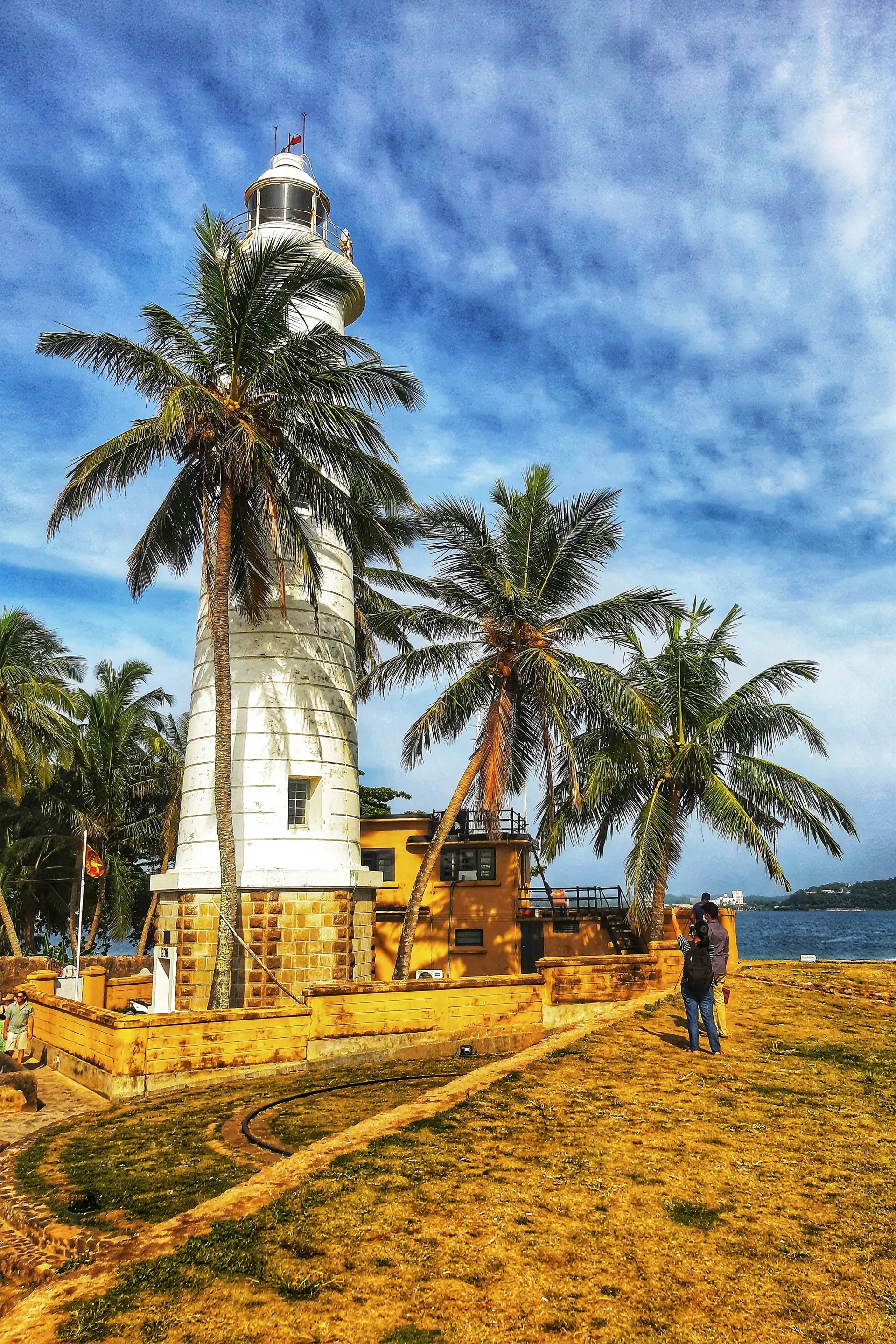
Galle is Sri Lanka's most perfectly preserved colonial city — a Dutch-built fortress town on the island's southwestern tip where four centuries of European influence have left an architectural legacy that earned UNESCO World Heritage status and continues to function as a living, breathing community rather than a museum piece.
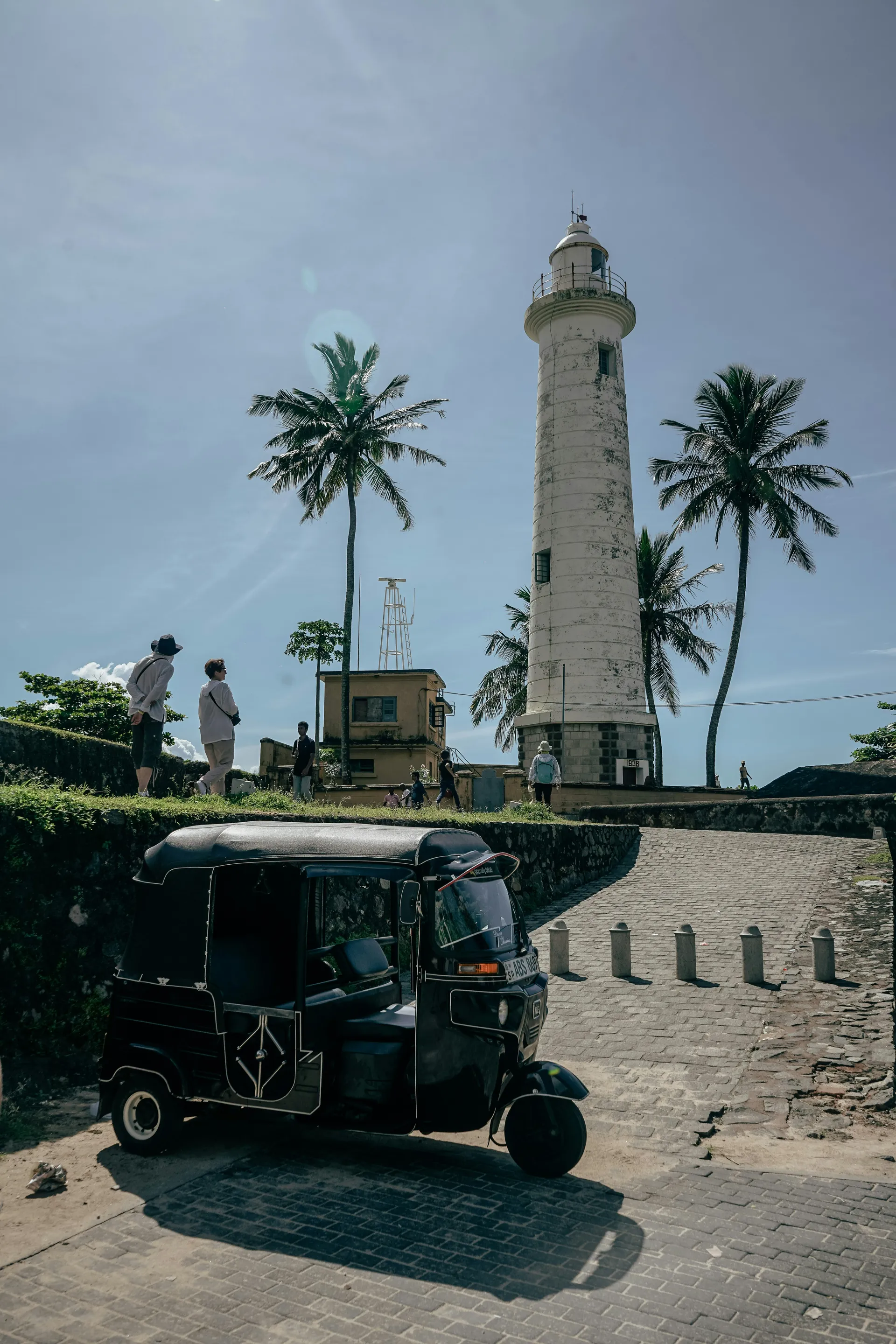
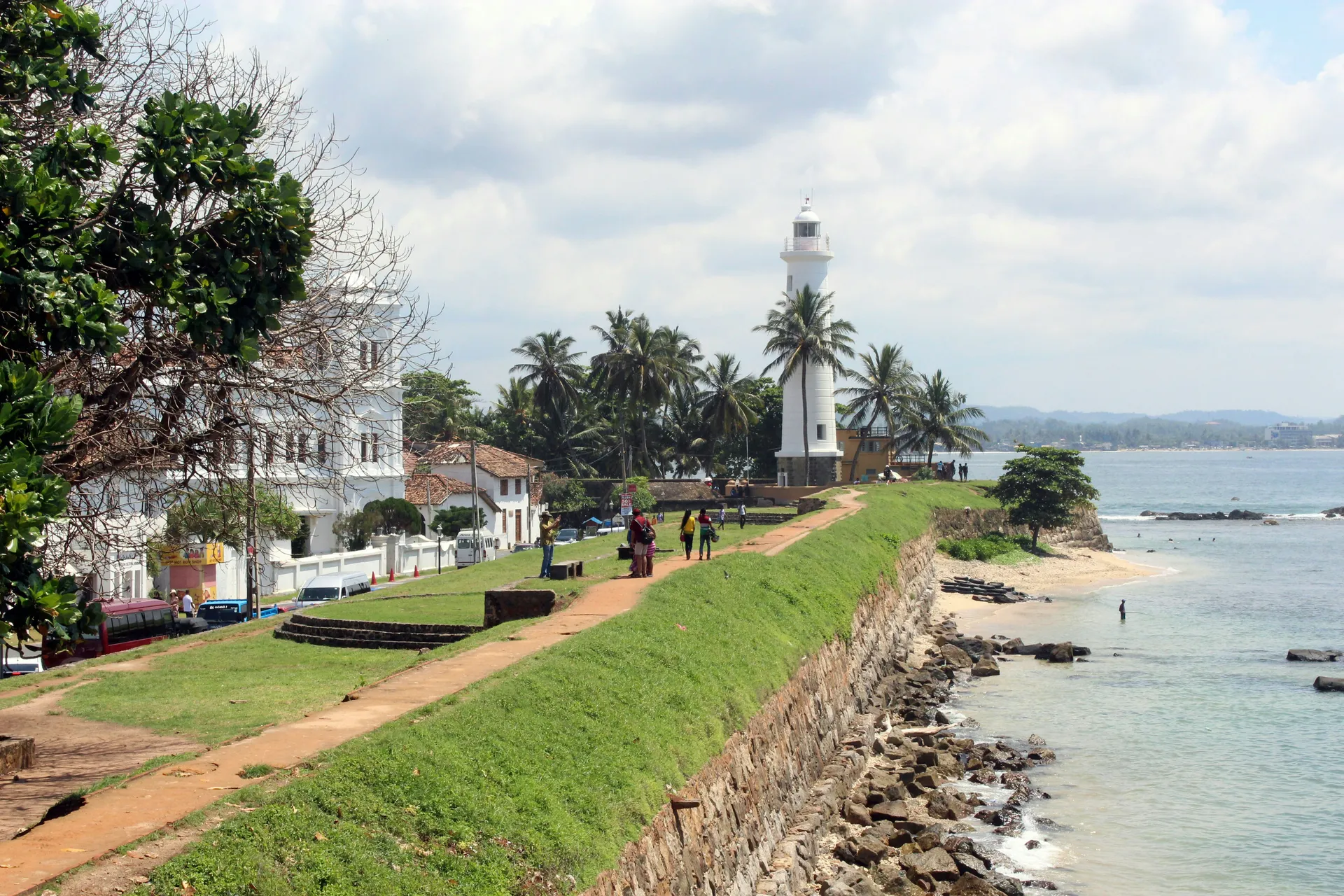
The Galle Fort, established by the Portuguese in 1588 and massively expanded by the Dutch after 1640, encompasses an entire walled city of roughly thirty-six hectares. Its ramparts, thick enough to walk upon and lined with cannons that once defended the lucrative spice trade, provide a sunset promenade with views across the Indian Ocean to the south and the cricket ground to the north — where matches are played with the fort's eighteenth-century clock tower as a backdrop, creating one of cricket's most photogenic venues.
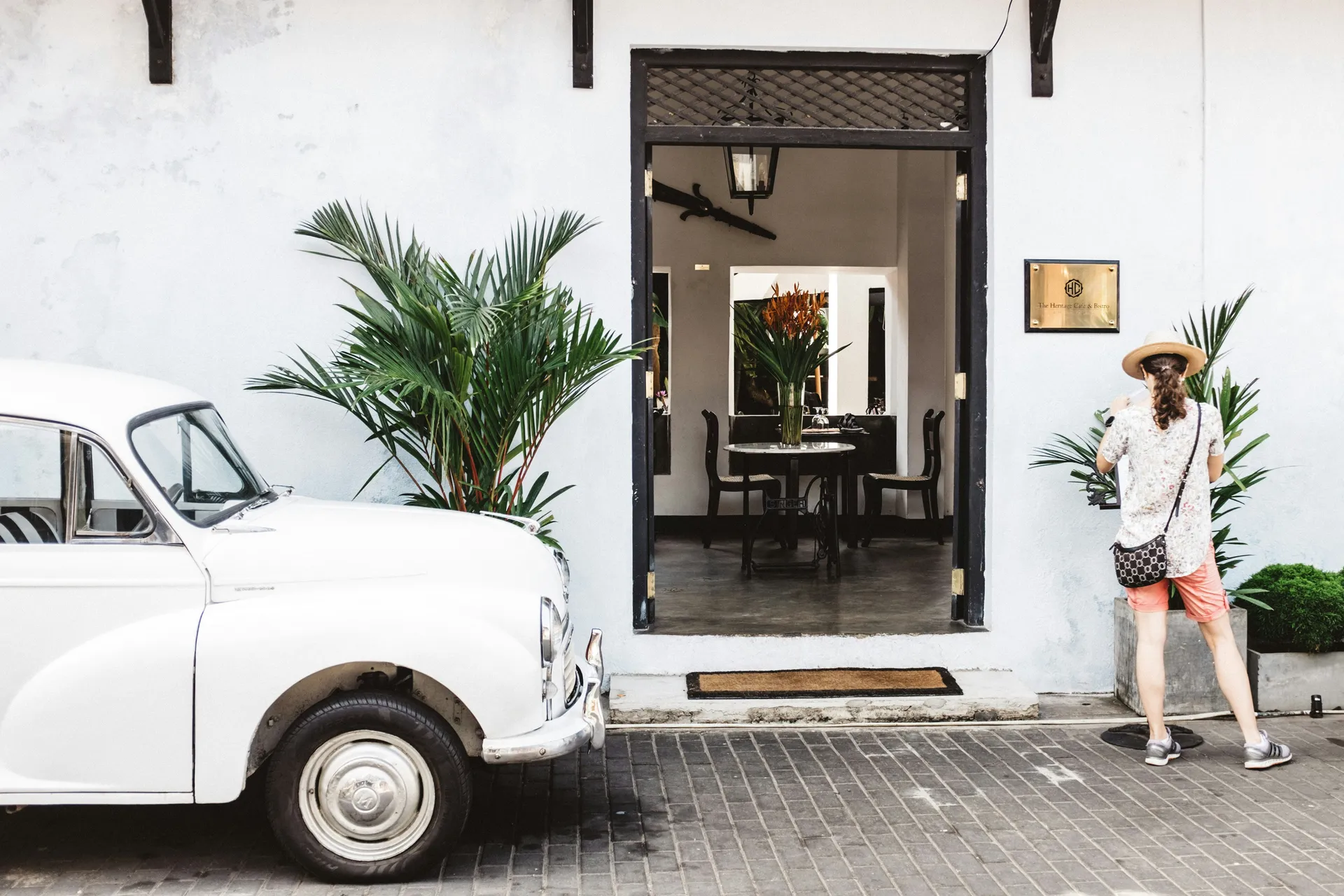
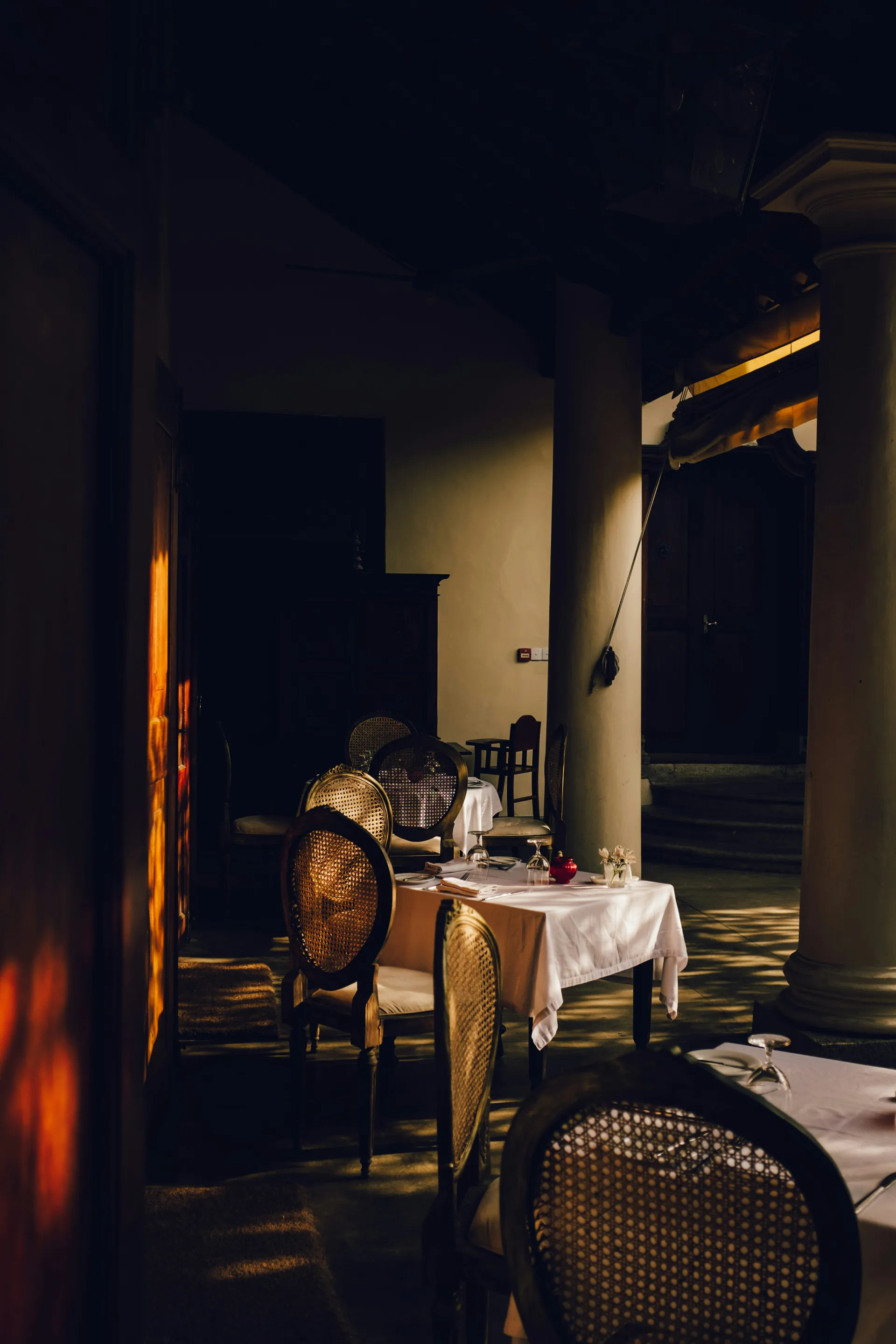
Within the walls, Dutch colonial architecture has adapted to its tropical setting with remarkable grace. The Dutch Reformed Church, the Groote Kerk, dates to 1755 and retains its original floor of tombstones inscribed in Dutch and Portuguese. Residential streets lined with colonnaded verandahs, interior courtyards, and coral-stone walls have been sensitively repurposed as boutique hotels, galleries, and restaurants that serve Sri Lanka's extraordinary cuisine — rice and curry elevated to art form, hoppers (bowl-shaped pancakes) filled with egg and sambol, and the seafood that the Indian Ocean delivers daily.
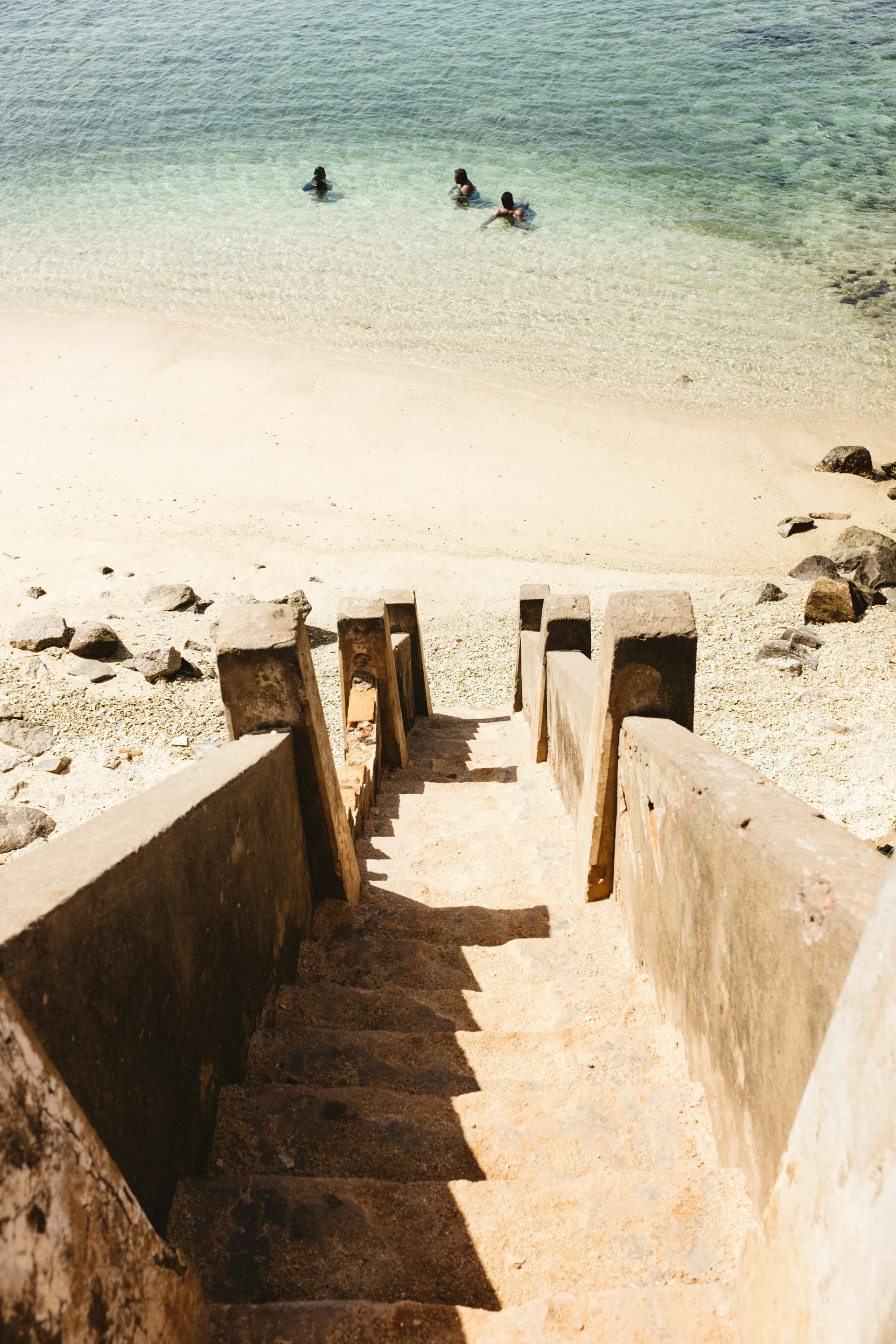
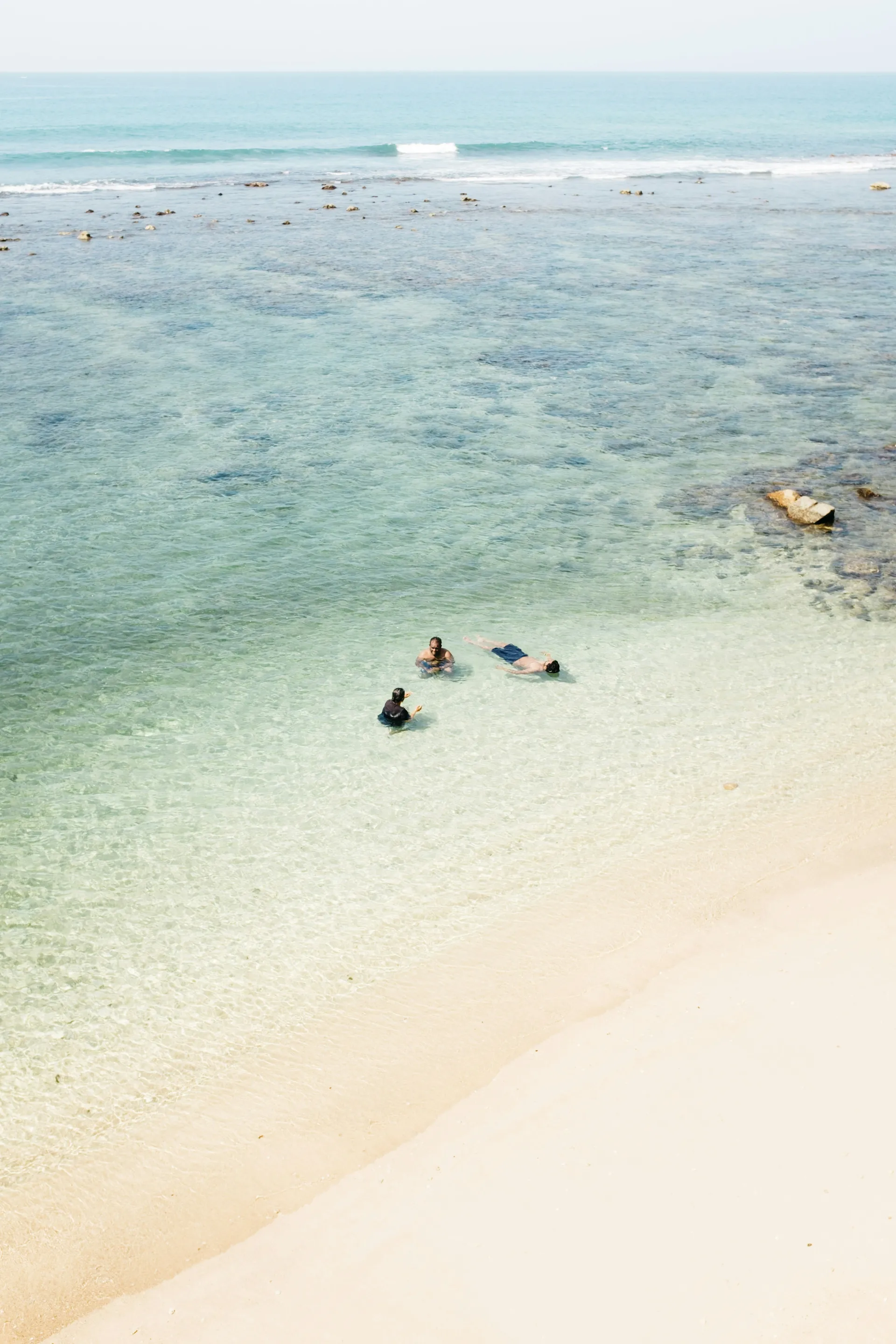
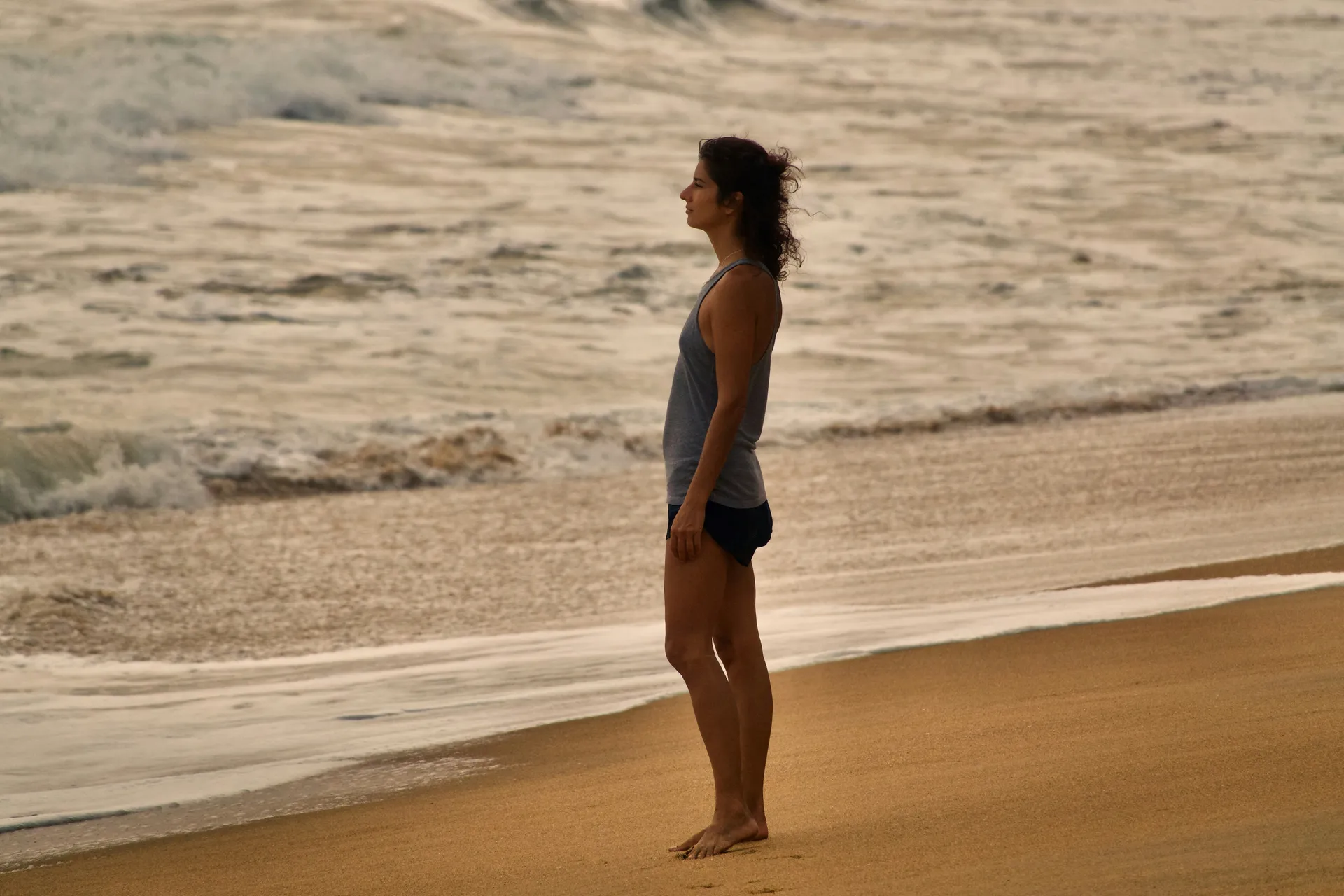
Princess Cruises includes Galle on Indian Ocean and Southeast Asian itineraries, with the fort providing one of the most atmospheric port experiences in the region. Beyond the walls, the Unawatuna beach — one of Sri Lanka's most beautiful — curves just a few kilometers south, while the Handunugoda Tea Estate offers tastings of white tea so rare it is harvested by moonlight.
December through March provides the driest conditions on the southwestern coast, though Galle's sheltered position makes it comfortable year-round. Galle is the rare destination where colonial history feels neither sanitized nor exploitative — a city that has absorbed four centuries of foreign influence and emerged with an identity that is entirely, unmistakably Sri Lankan.