Spitsbergen: Europe's Arctic Frontier
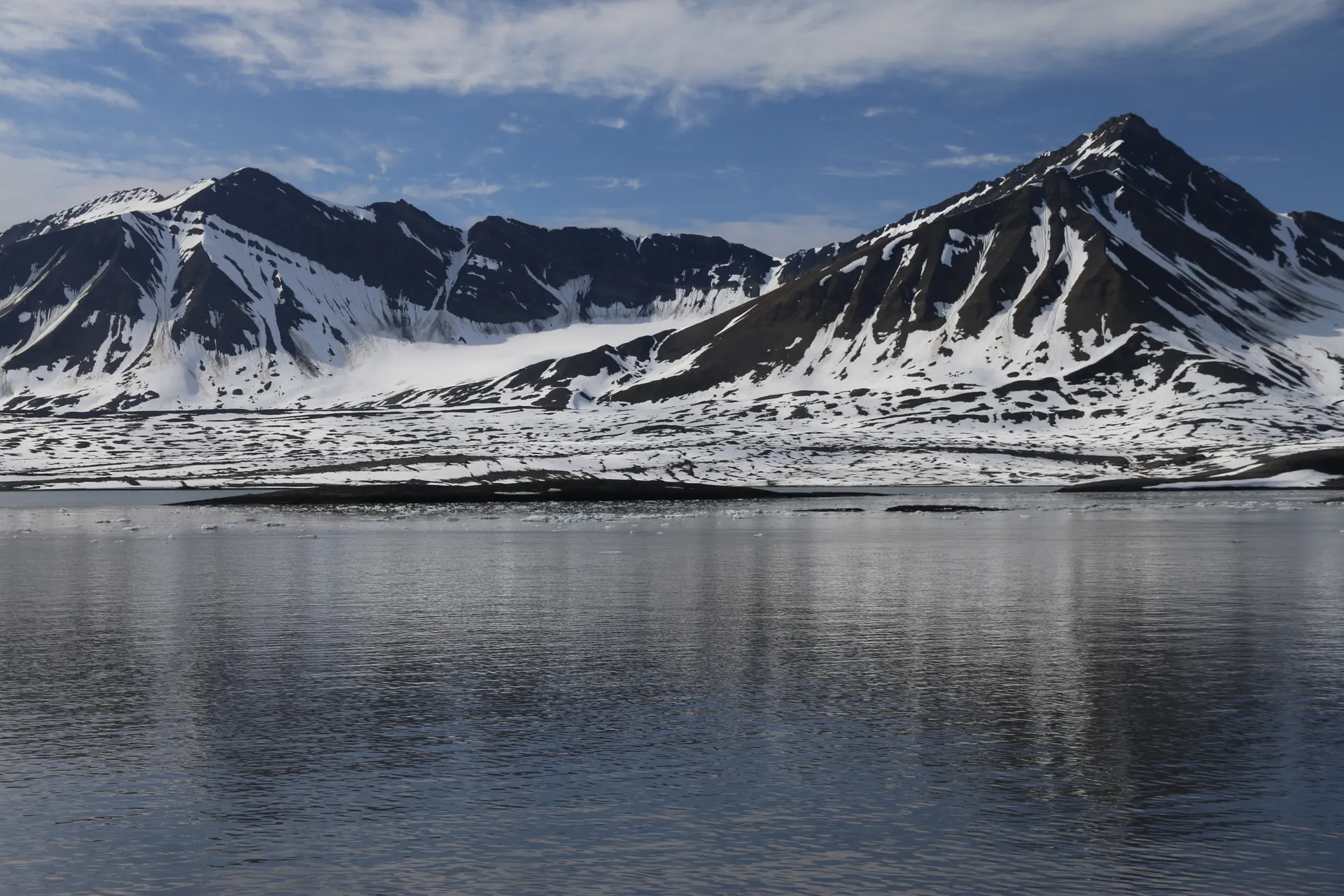
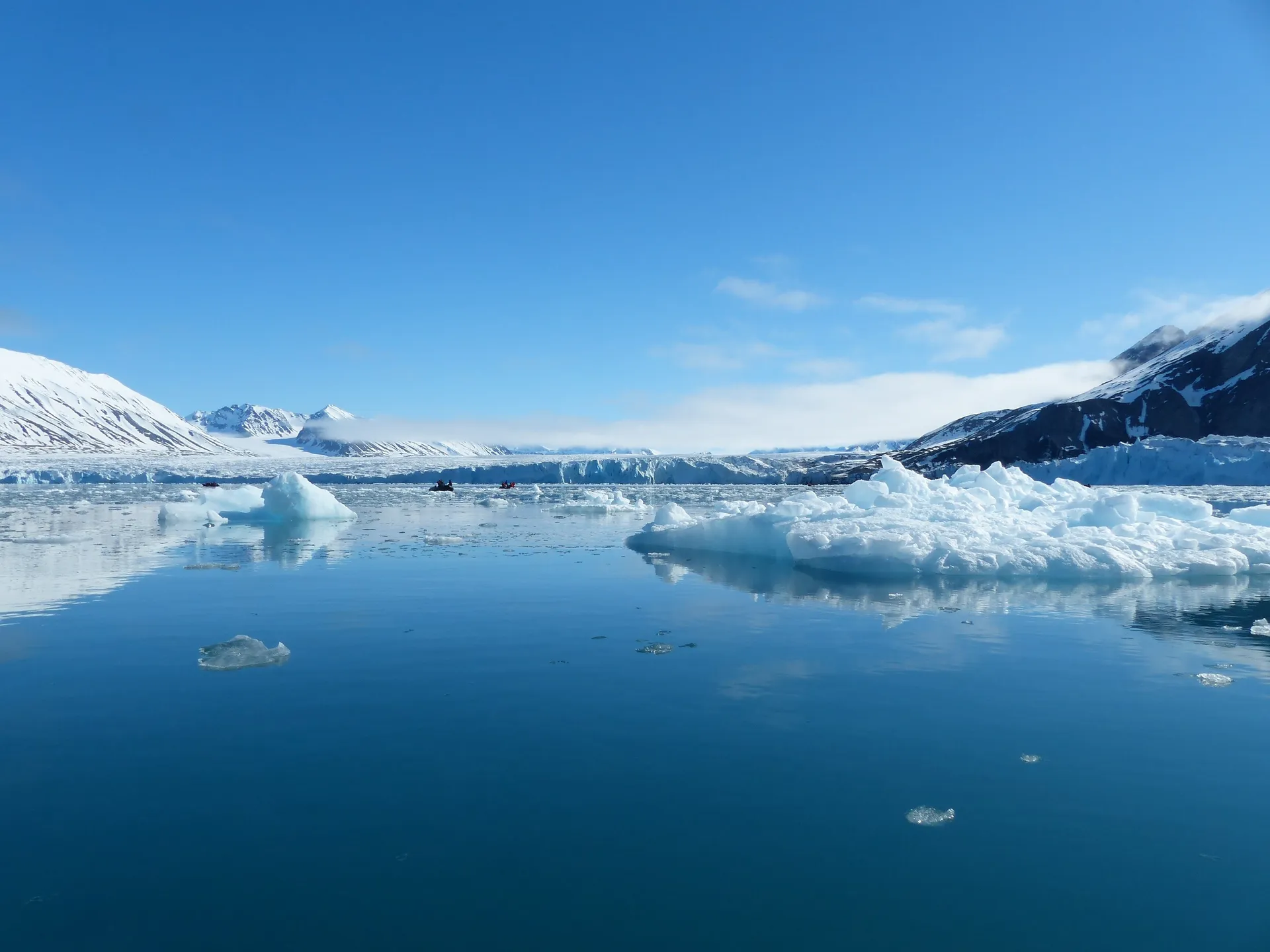
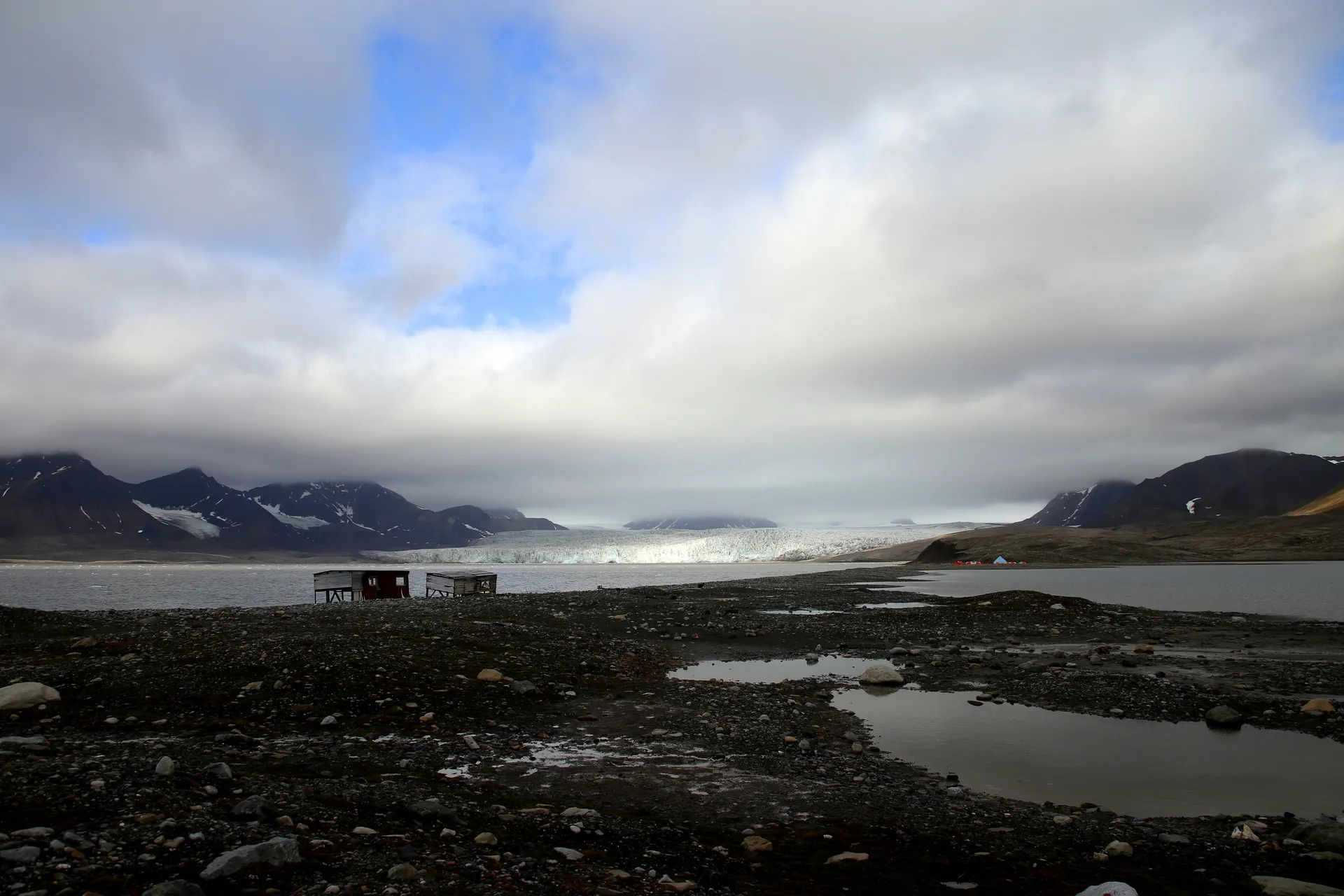
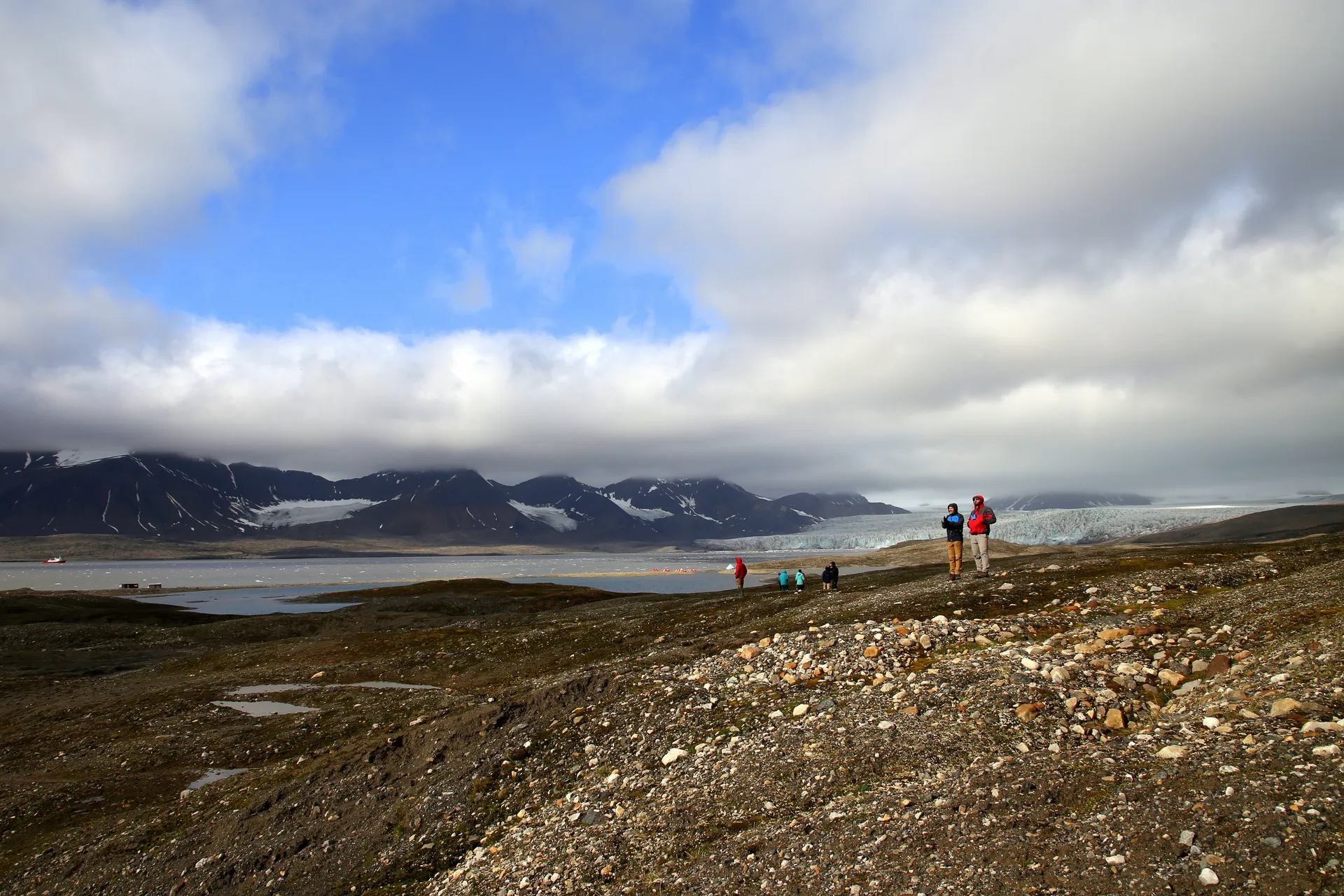
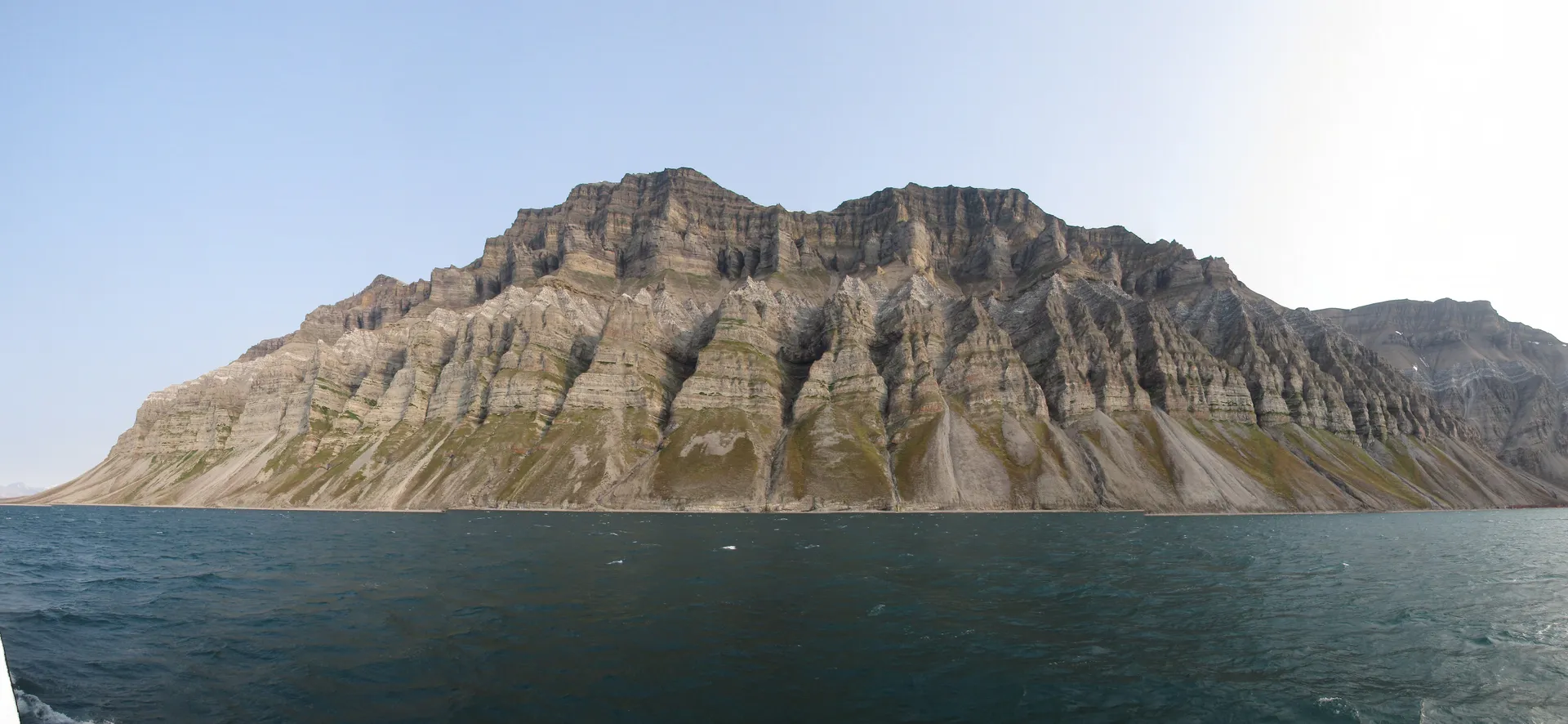
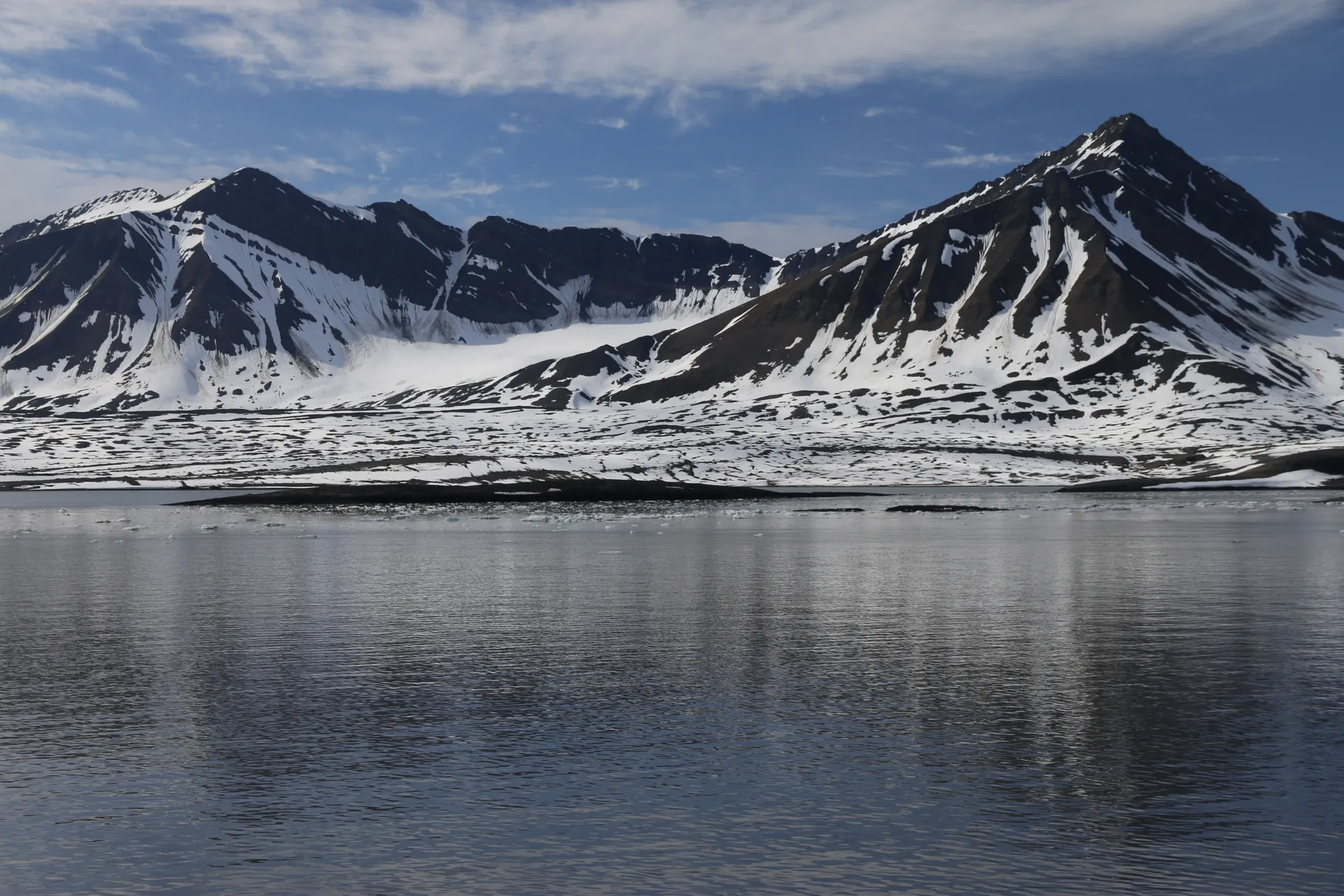
Spitsbergen is the largest island in the Svalbard archipelago — a mountainous, glacier-covered landmass just a thousand kilometres from the North Pole that represents the very edge of the habitable world. The name, meaning "pointed mountains" in Dutch, was given by the explorer Willem Barentsz when he first sighted the island's jagged peaks in 1596, and the description remains accurate: Spitsbergen's landscape is one of saw-toothed ridgelines, immense glaciers that calve into fjords of impossible blue, and a tundra so sparse that the underlying geology — folded sedimentary rocks containing fossils from tropical forests that grew here fifty million years ago — is visible everywhere.
The character of Spitsbergen is defined by its extremes. In summer, the midnight sun circles the sky for four months, bathing the landscape in perpetual golden light that plays tricks with time and distance. In winter, the polar night descends for an equal period, and the aurora borealis takes possession of the sky. The wildlife has adapted to these extremes with remarkable success: polar bears — an estimated three thousand of them, outnumbering the human population — roam the ice edges and coastlines, hunting ringed seals with a patience that speaks to millennia of adaptation. Arctic foxes, Svalbard reindeer (a small, stocky subspecies unique to the archipelago), and walruses populate the land and coastline, while the seabird colonies — puffins, little auks, Brünnich's guillemots — number in the millions during the brief breeding season.
Longyearbyen, the archipelago's capital and the world's northernmost settlement of any significant size, is a surprisingly vibrant community of about two and a half thousand people. Originally established as a coal-mining town by the American John Munro Longyear in 1906, it has reinvented itself as a centre for Arctic research, tourism, and the Global Seed Vault — a secure storage facility carved into the permafrost mountain that preserves seed samples from the world's crop collections as insurance against global catastrophe. The town's restaurants, particularly Huset and Gruvelageret, serve Arctic-inspired cuisine that draws on local ingredients — reindeer, Arctic char, ptarmigan, cloudberries — with a sophistication that seems improbable at 78 degrees north.
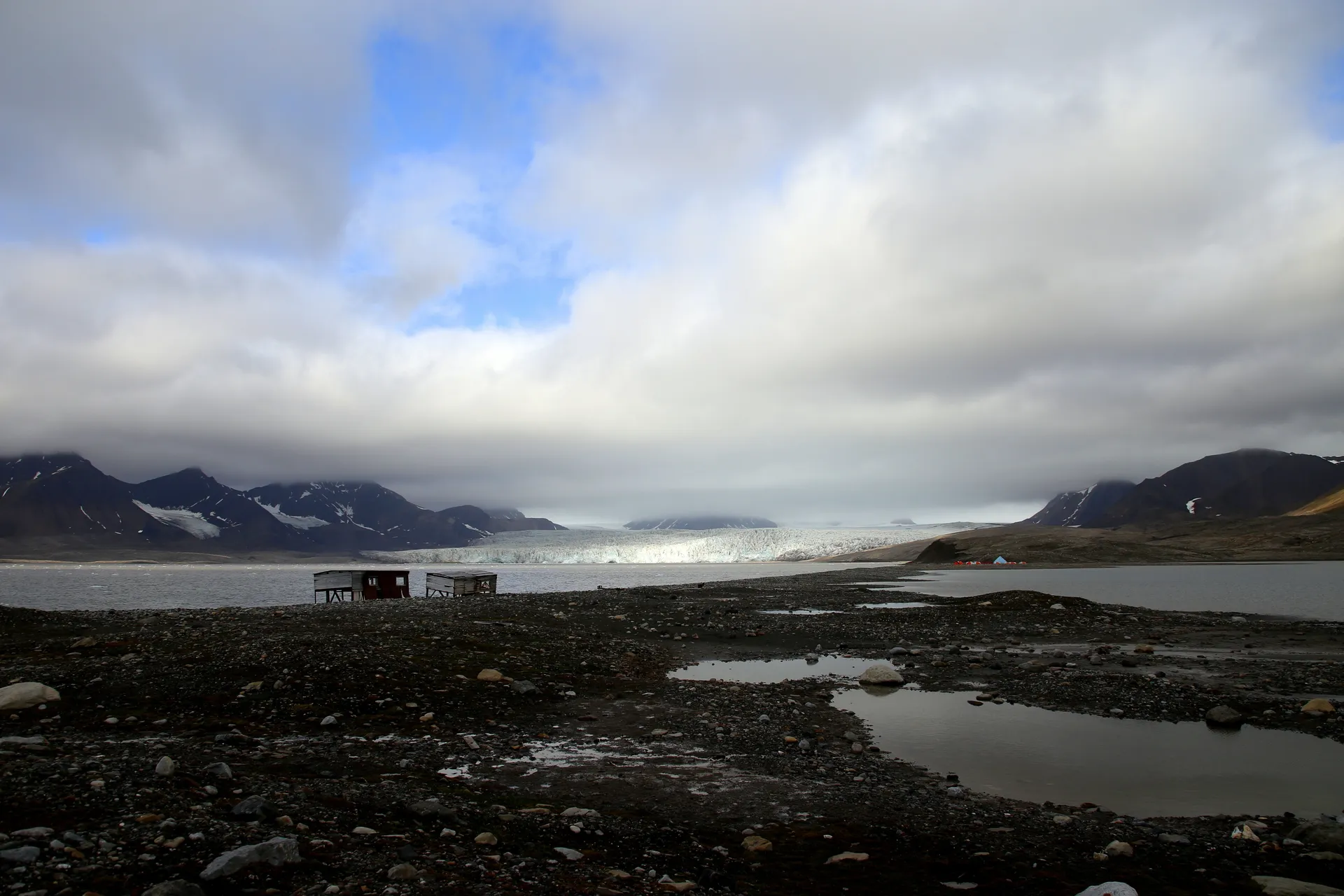
The expedition experience around Spitsbergen is among the most rewarding in polar travel. Zodiac cruises along glacier fronts reveal the electric-blue interior of the ice and offer opportunities to approach icebergs, bird cliffs, and hauled-out walruses at close range. Landings on remote beaches provide access to abandoned trapping stations, whaling-era remnants, and the sparse but beautiful Arctic tundra, where tiny flowers — purple saxifrage, Arctic poppy, cotton grass — bloom with desperate urgency during the brief summer. The chance of a polar bear sighting lends every shore excursion an edge of primal excitement, and armed guards accompany every landing as a safety precaution.
Aurora Expeditions, HX Expeditions, Holland America Line, and Ponant all operate Svalbard itineraries that explore the coastline and fjords of Spitsbergen. The expedition season runs from June through September, with June offering the most complete snow coverage and the return of the seabirds, July and August providing the warmest temperatures and the most accessible glaciers, and September bringing the first hints of autumn — the tundra turning red and gold — and the possibility of early sea ice and northern lights. For travellers who have dreamed of the High Arctic, Spitsbergen delivers the reality with a grandeur and ecological intensity that justifies every superlative.