Gotska Sandon: Sweden's Desert Island in the Baltic Sea
Gotska Sandon floats in the Baltic Sea approximately forty kilometres north of Gotland like a mirage made permanent — a low, sandy island covered in ancient pine forest that seems to belong more to the maritime imagination than to the geography of Scandinavia. This national park, one of Sweden's oldest and most remote, occupies roughly thirty-seven square kilometres of sand dunes, pine woodland, and pristine beaches that have been accumulating natural and human stories for thousands of years. With no permanent inhabitants, no roads connected to the mainland, and ferry access limited to the summer months, Gotska Sandon maintains a quality of isolation that is increasingly precious in one of Europe's most densely connected regions.
The geological story of Gotska Sandon begins with the retreat of the last Ice Age glaciers, which left behind a ridge of sand and gravel that has been subsequently shaped by wind, wave, and the slow growth of vegetation. The island's dunes — some reaching heights of forty metres — are among the most impressive in the Baltic, their forms shifting with the winds that sweep unimpeded across the open sea from every direction. The pine forests that stabilise much of the island's interior represent a self-seeded wilderness that has developed largely without human management, creating a woodland of unusual structural diversity where fallen trees, sun-lit clearings, and dense thickets provide habitat for an ecosystem adapted to sandy, nutrient-poor conditions. The forest floor, carpeted in heather, lingonberry, and reindeer lichen, glows with a luminosity in autumn that photographers find irresistible.
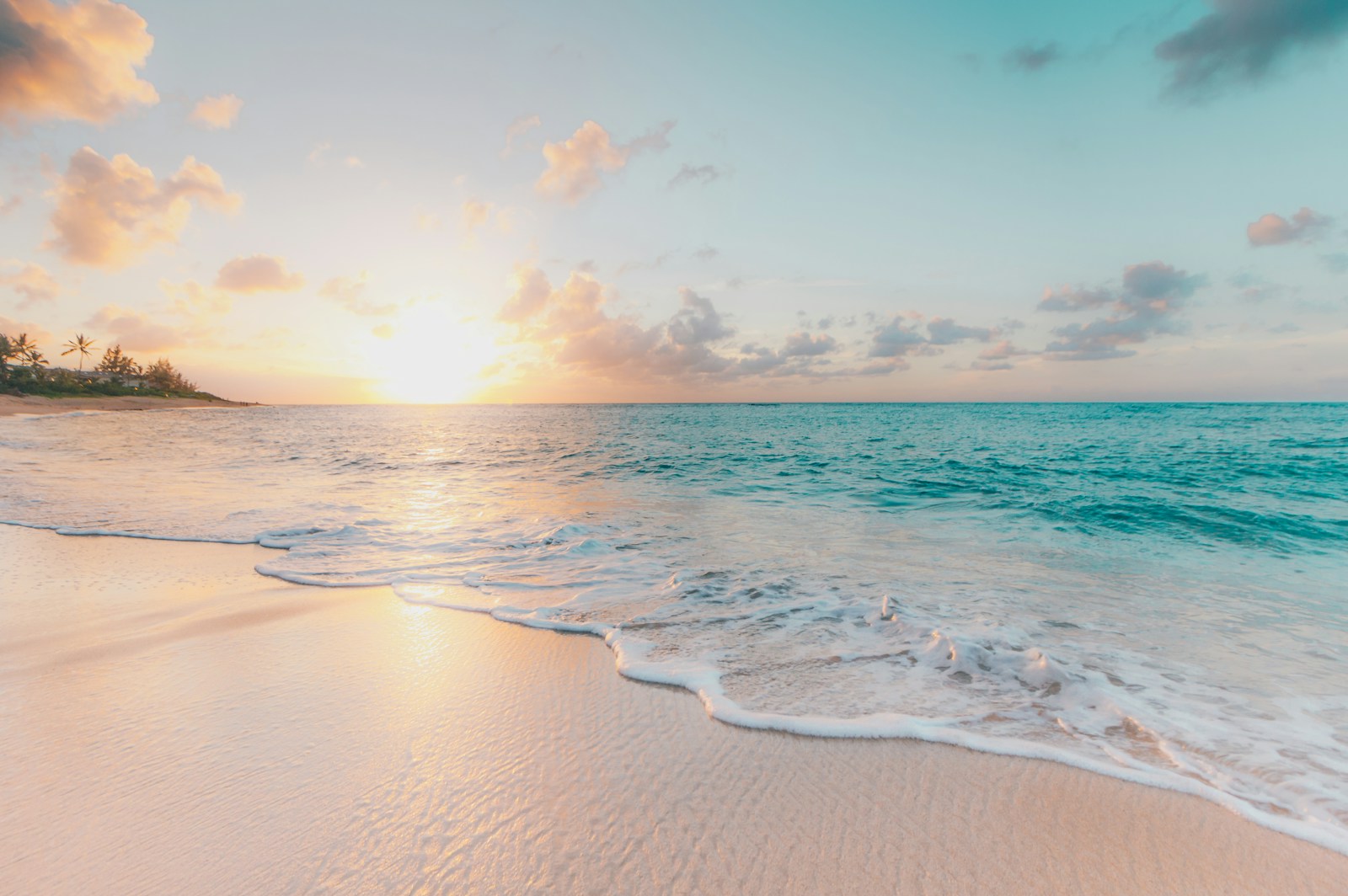
The beaches of Gotska Sandon are, by any standard, among the finest in Scandinavia — wide crescents of pale sand that extend for kilometres without interruption, their emptiness ensured by the island's remoteness and national park status. The southern beach, facing Gotland across the open Baltic, catches summer sunlight for the maximum possible hours, while the northern shore faces toward the Baltic's deeper waters where winter storms build waves of oceanic proportions. The underwater topography around the island has proved treacherous for shipping throughout recorded history, and the seabed surrounding Gotska Sandon is littered with wrecks spanning several centuries — from medieval cogs to nineteenth-century schooners — creating an underwater archaeological museum that recreational divers explore with increasing frequency during the brief summer season.
The island's ecological values extend beyond its terrestrial beauty. Gotska Sandon is the most important breeding site in the Baltic for grey seals, which haul out on the island's beaches in numbers that can reach several hundred during the pupping season. The sight of these large marine mammals — adults can weigh over three hundred kilograms — basking on sand that seems designed for a tropical resort creates one of northern Europe's most incongruous yet delightful wildlife spectacles. The island also supports breeding populations of eider ducks, various wader species, and raptors including white-tailed eagles that patrol the coastline. Migrating birds use Gotska Sandon as a stopover point during spring and autumn passages, and the island's position in the open Baltic can produce remarkable concentrations of songbirds and raptors during migration peaks.
The human history of Gotska Sandon, though the island has never supported a substantial permanent population, encompasses tales of lighthouse keepers, shipwreck survivors, and the peculiar story of a Russian hermit who lived alone on the island for years during the nineteenth century. The lighthouse, established in 1859 and now automated, provided the island's most sustained human presence, its keepers enduring winters of extraordinary isolation in exchange for summers of incomparable beauty. The island's small chapel, built by a private benefactor in the early twentieth century, sits among the pines with a quiet charm that perfectly suits a place where spiritual contemplation seems less a choice than a natural response to the environment. For expedition vessels that include Gotska Sandon on their Baltic itineraries, the island delivers an experience that contradicts every assumption about Scandinavia's accessibility — a genuine wilderness, maintained by nothing more than distance and sand, in the middle of one of Europe's most navigated seas.

