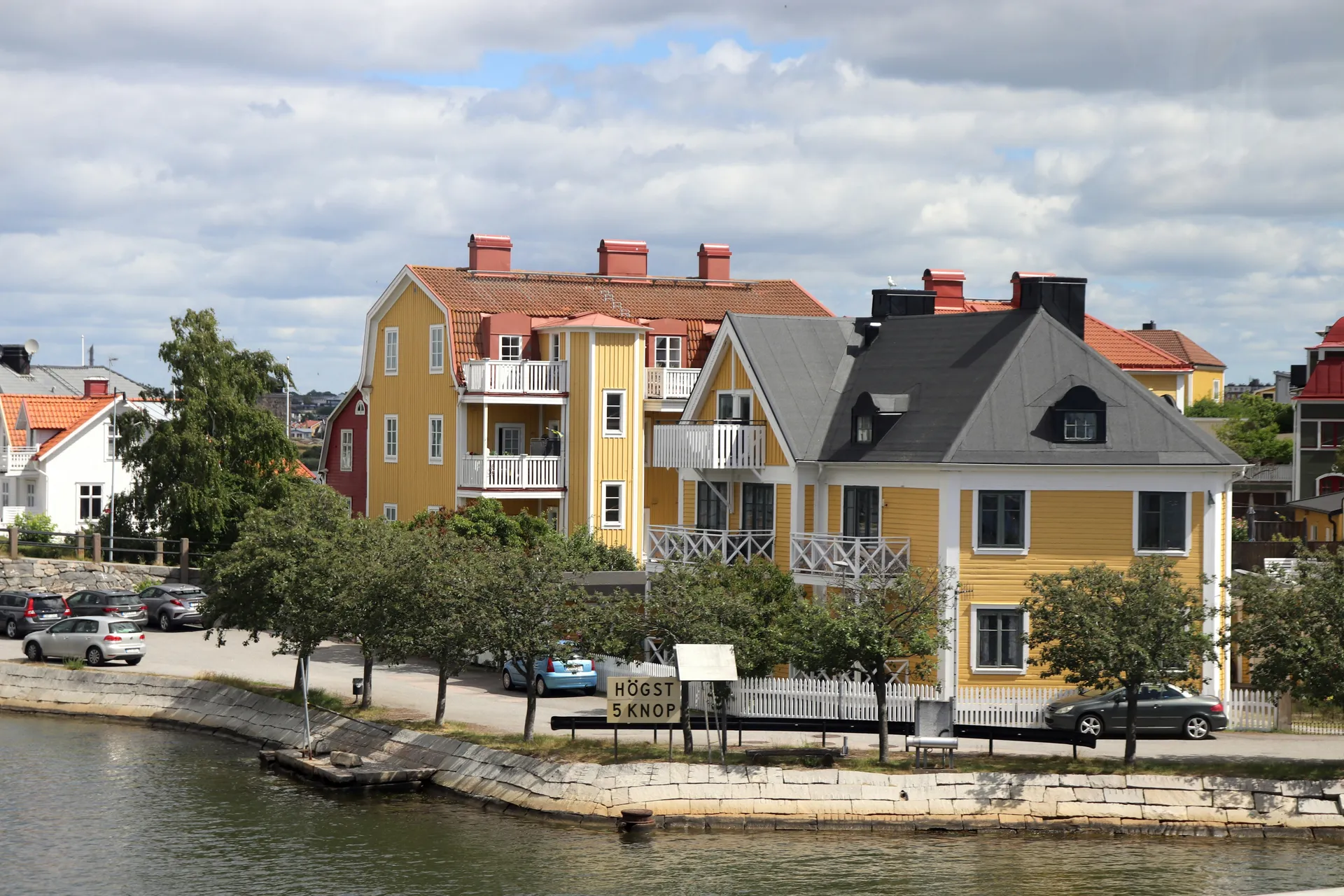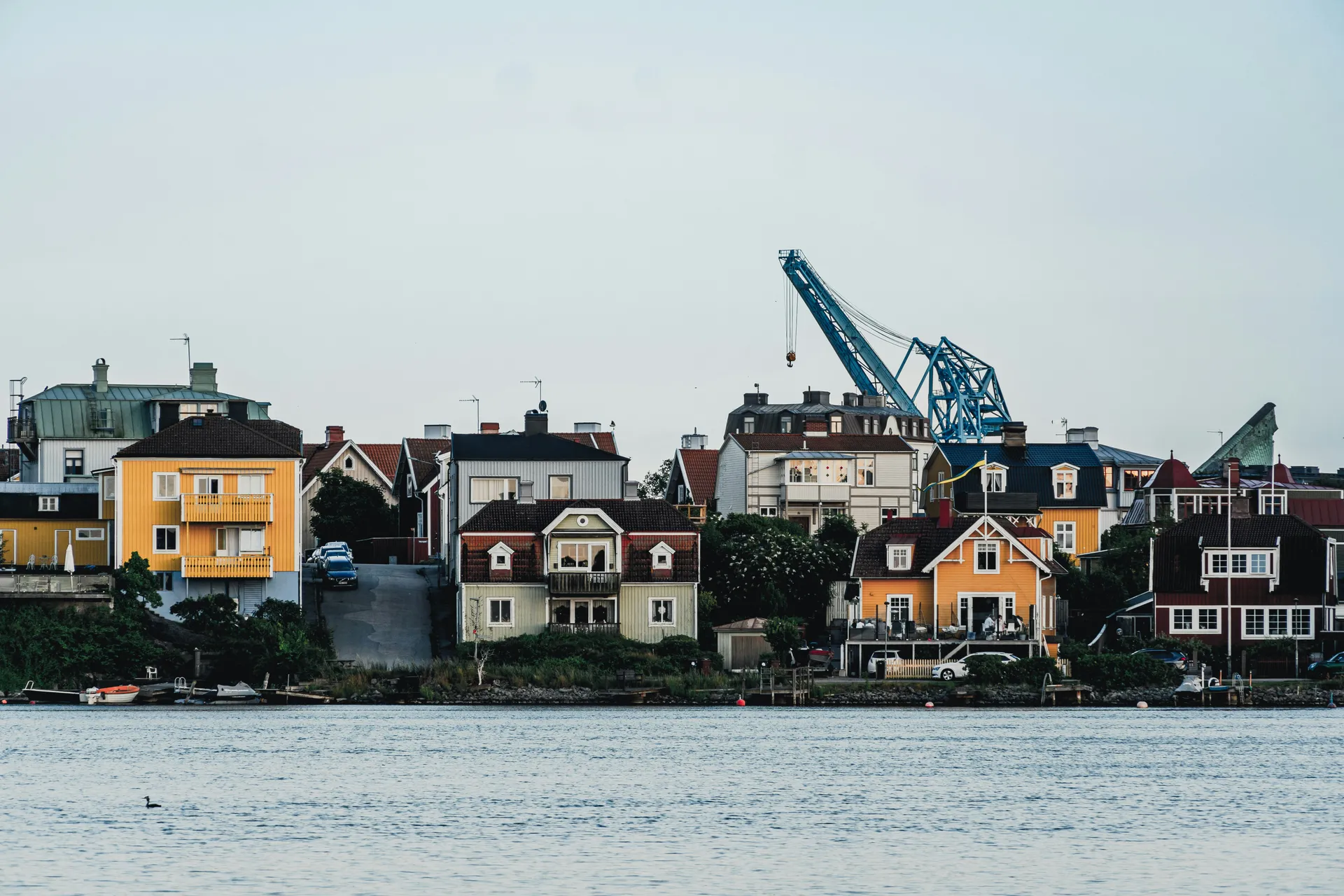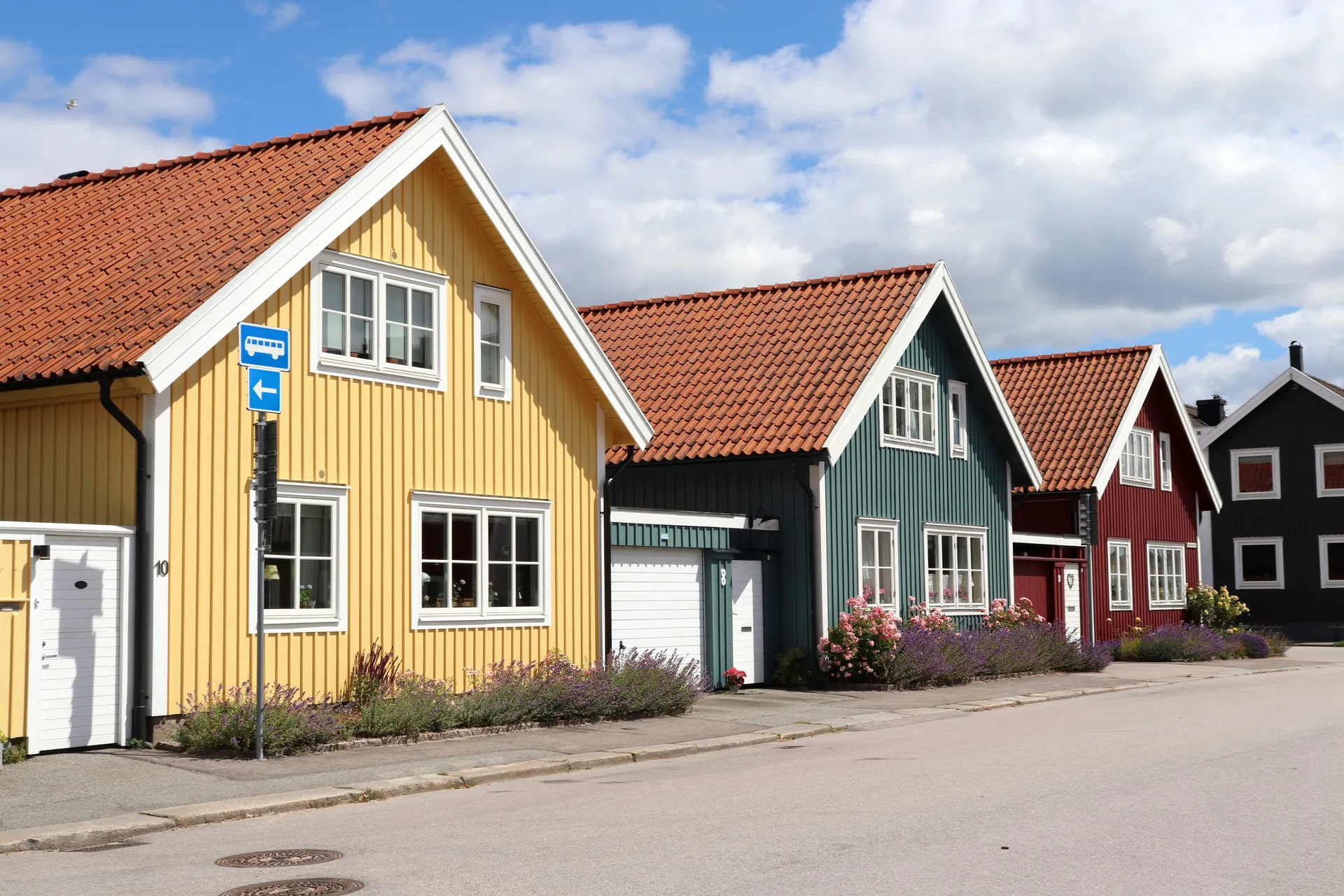
Karlskrona is a city built for a single purpose—naval supremacy—and executed with such Baroque grandeur that the entire town center has been designated a UNESCO World Heritage Site. Founded in 1680 by King Charles XI on a cluster of islands in the Blekinge archipelago, Karlskrona was designed from scratch as Sweden's principal naval base, its street plan drawn up by military engineers Erik Dahlbergh and Nicodemus Tessin the Younger to serve both strategic and aesthetic ambitions. The result is a city of unusual visual coherence: wide boulevards radiate from the main square, flanked by symmetrical buildings of stone and timber, all oriented toward the naval shipyard that remains an active Swedish military installation to this day—making Karlskrona one of the best-preserved examples of a planned European naval city.
The Stortorget (Great Square), claimed to be one of the largest in northern Europe, anchors the town with two exceptional churches: the Fredrikskyrkan and the Trefaldighetskyrkan (Holy Trinity Church), both designed in Italian Baroque style by Nicodemus Tessin the Younger and completed in the early eighteenth century. The Naval Museum (Marinmuseum), situated on its own island connected by bridge, is one of Europe's finest maritime museums—its collections include full-scale warships, a submarine (which visitors can board and explore), and the remains of a recovered seventeenth-century ship displayed in an underwater tunnel. The fortifications on the island of Kungsholmen, accessible by boat tour, reveal the defensive architecture that made Karlskrona virtually impregnable from the sea—a ring of bastions, batteries, and torpedo stations that remained in active military use into the Cold War era.
Swedish coastal cuisine in Karlskrona benefits from the archipelago's rich fishing grounds and the Blekinge region's agricultural traditions. The summer crayfish season (beginning in August) is celebrated with kräftskiva parties—outdoor feasts of boiled crayfish seasoned with dill, accompanied by toast, cheese, and generous quantities of snaps (aquavit) drunk to the accompaniment of traditional drinking songs. Herring appears in myriad preparations: pickled, smoked, fried, and in the classic SOS (smör, ost, sill—butter, cheese, and herring) that anchors the Swedish smörgåsbord. The surrounding archipelago produces excellent smoked fish, and local restaurants serve fresh-caught cod, perch, and pike-perch alongside traditional dishes like Jansson's Temptation (a creamy potato and anchovy gratin) and köttbullar (Swedish meatballs) served with lingonberry sauce and cream gravy.
The Karlskrona archipelago encompasses over 1,600 islands, skerries, and rocks—a marine landscape of extraordinary beauty that can be explored by ferry, kayak, or sailing boat. Dragsö, a short bridge from the city center, offers beaches, nature trails, and camping amid pine forest. Aspö, accessible by a charming ferry that has operated since the early twentieth century, provides swimming, hiking, and a sense of island tranquility just minutes from the city. Tjärö, a nature reserve island further out in the archipelago, is one of Sweden's most beautiful bathing islands, with smooth granite shores and crystal-clear Baltic water. The Blekinge coastal road (Kustvägen), winding through fishing villages and oak forests along the mainland coast, offers a scenic drive that reveals the gentle beauty of Sweden's southernmost archipelago.
AIDA, Oceania Cruises, and Viking include Karlskrona on their Baltic Sea and Scandinavian itineraries, with ships docking at the Verköhamnen cruise pier within walking distance of the town center and Naval Museum. The port is well-equipped for cruise ships, and the city's compact layout makes independent exploration straightforward. June through August offers the warmest weather (18–25°C), longest days, and the full range of archipelago activities. Midsummer celebrations in late June, with maypole dancing, herring, and aquavit, provide an authentically Swedish cultural experience. May and September offer pleasant conditions with fewer visitors. Karlskrona is a city that demonstrates how military necessity and aesthetic ambition, when combined with Swedish precision, can produce an urban landscape of lasting beauty—a naval city that has outlived its original strategic purpose to become a destination of genuine architectural and maritime distinction.