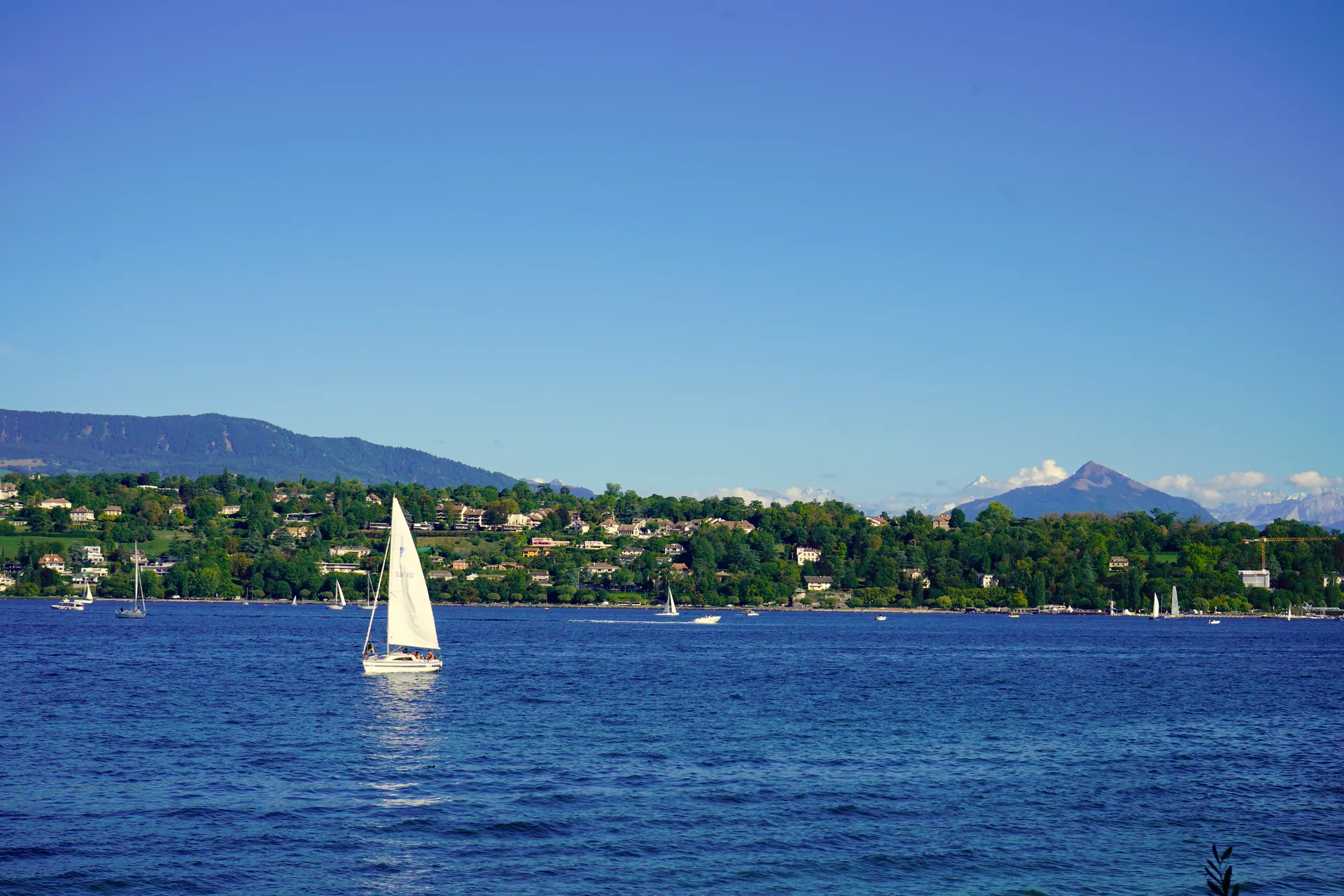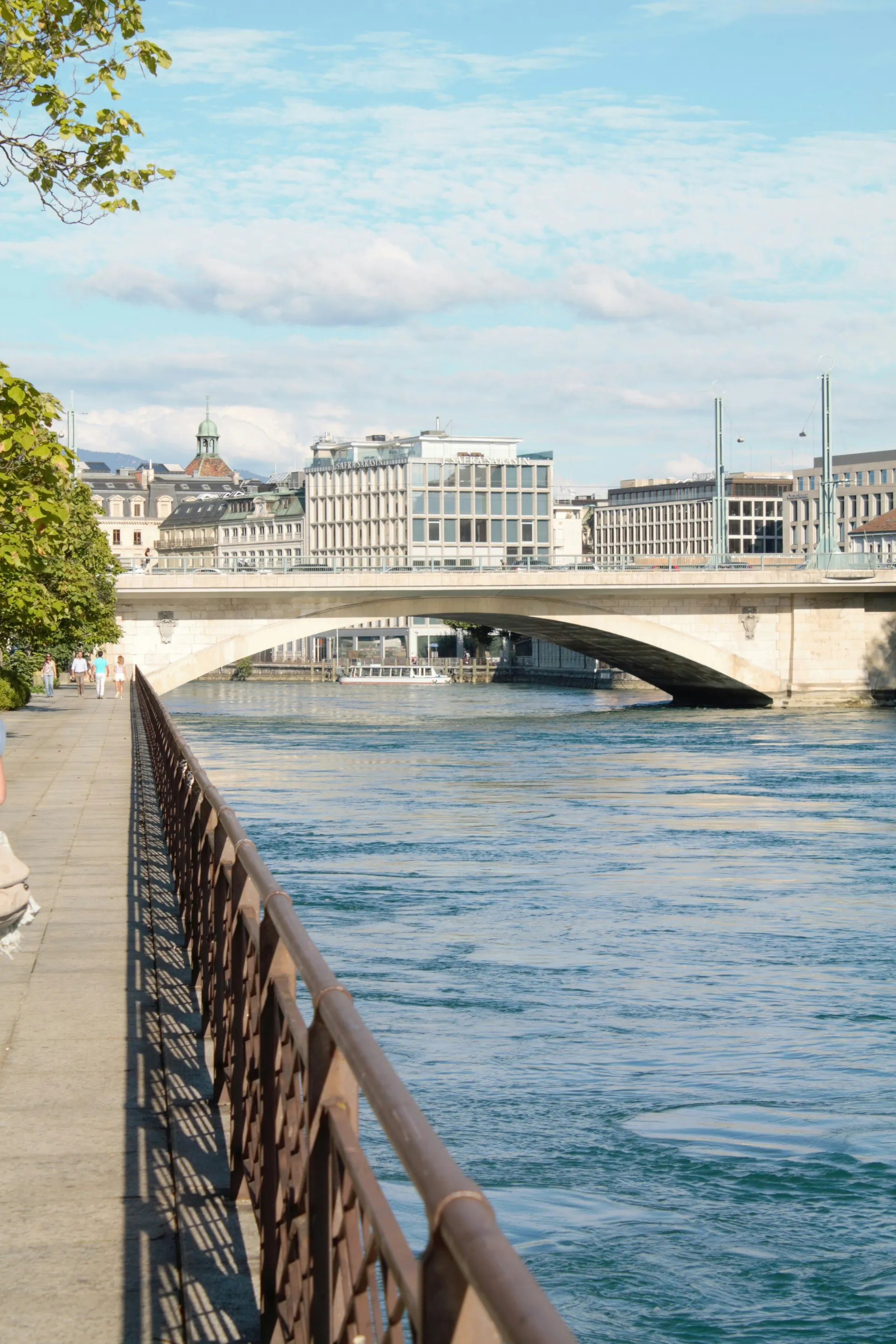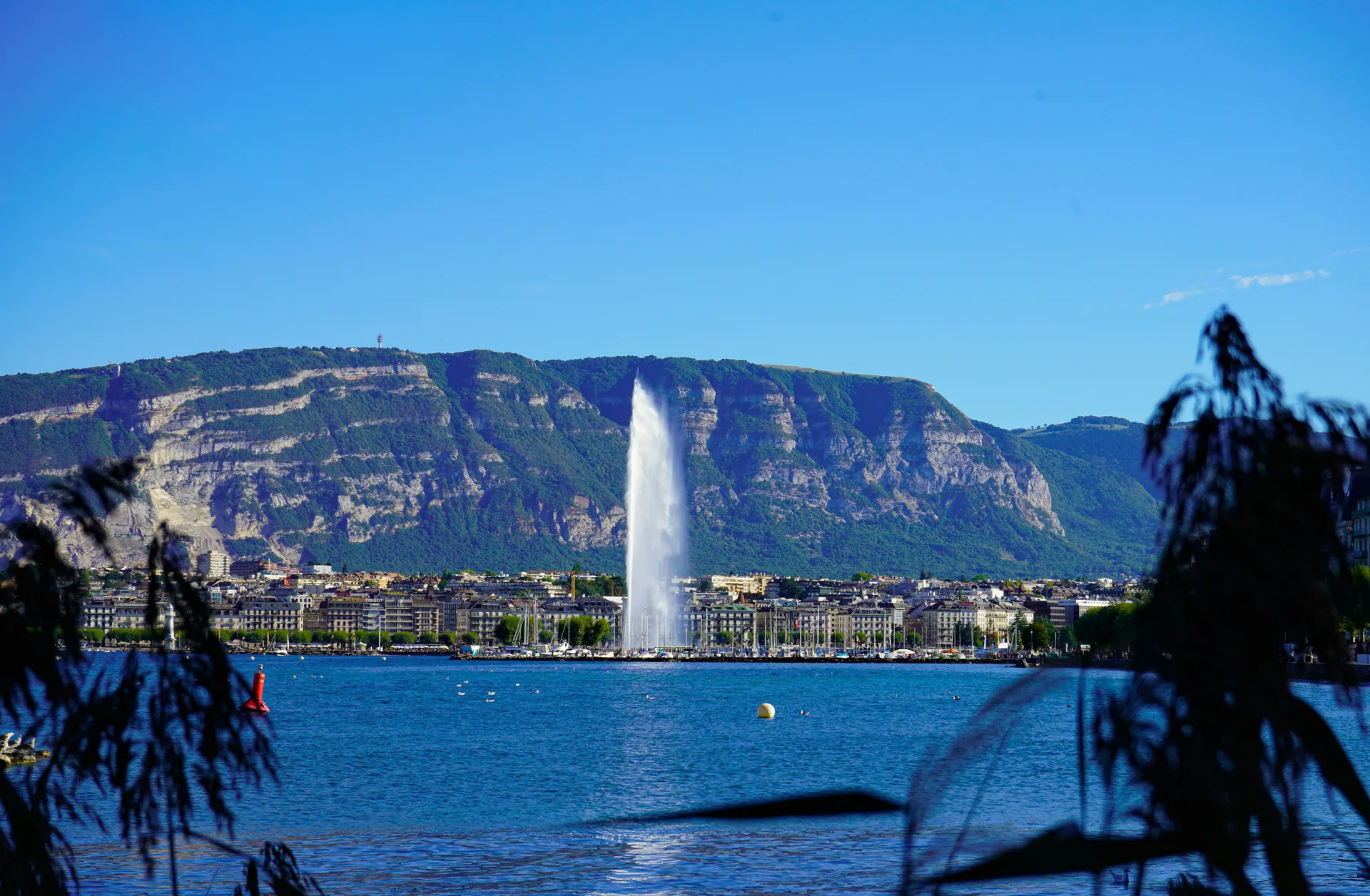
Where the Rhône spills from the vast cerulean expanse of Lac Léman, Geneva has stood as a crossroads of diplomacy and culture since the Romans established Genava as a fortified settlement in the first century BCE. The city's trajectory shifted irrevocably in the sixteenth century when John Calvin transformed it into the Protestant Rome — a beacon of reform whose intellectual legacy still permeates its institutions, from the University of Geneva to the countless international organizations that chose this neutral ground as their home. Today, more than thirty international bodies maintain headquarters here, lending the city an unmistakable cosmopolitan gravity that few places on earth can rival.
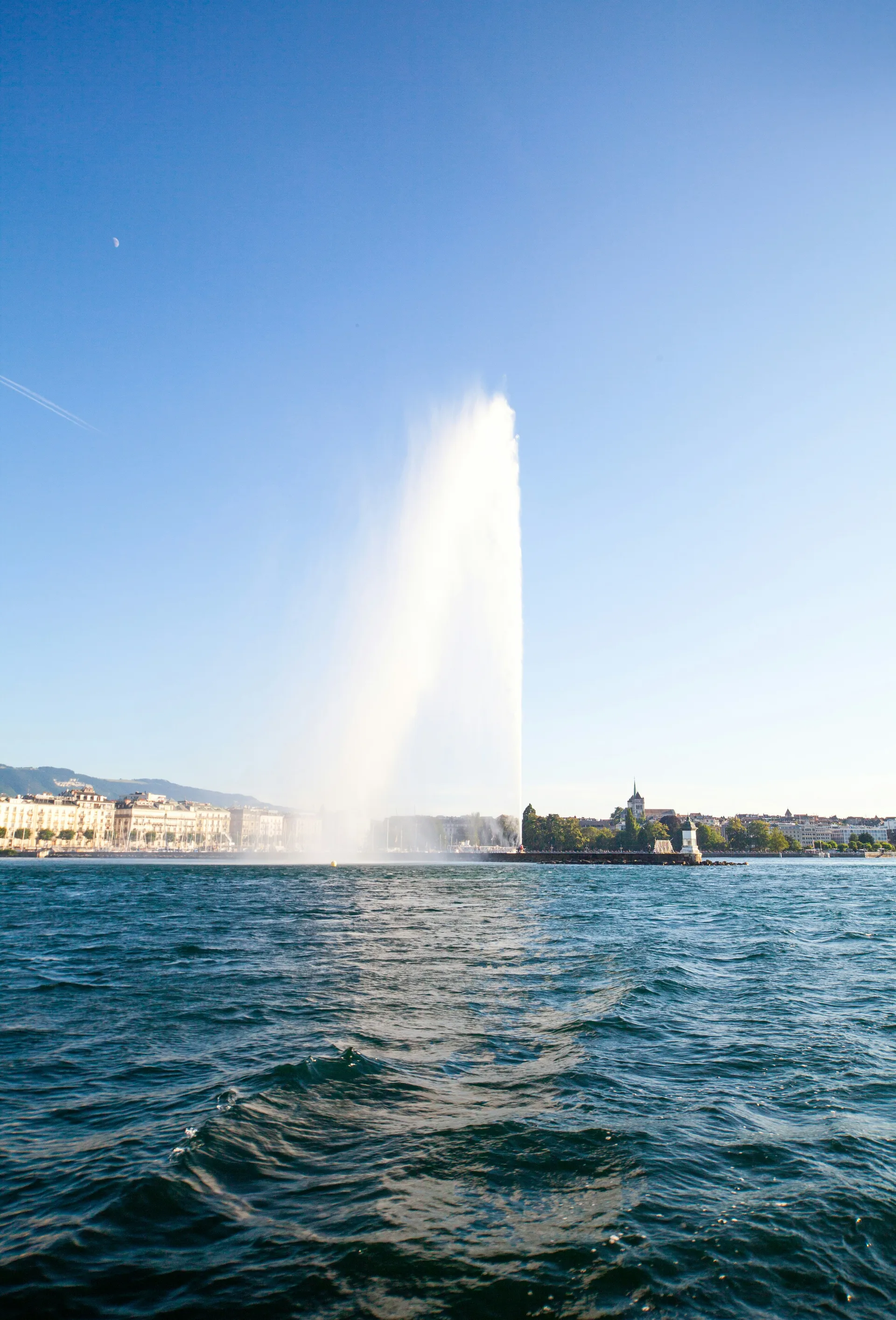
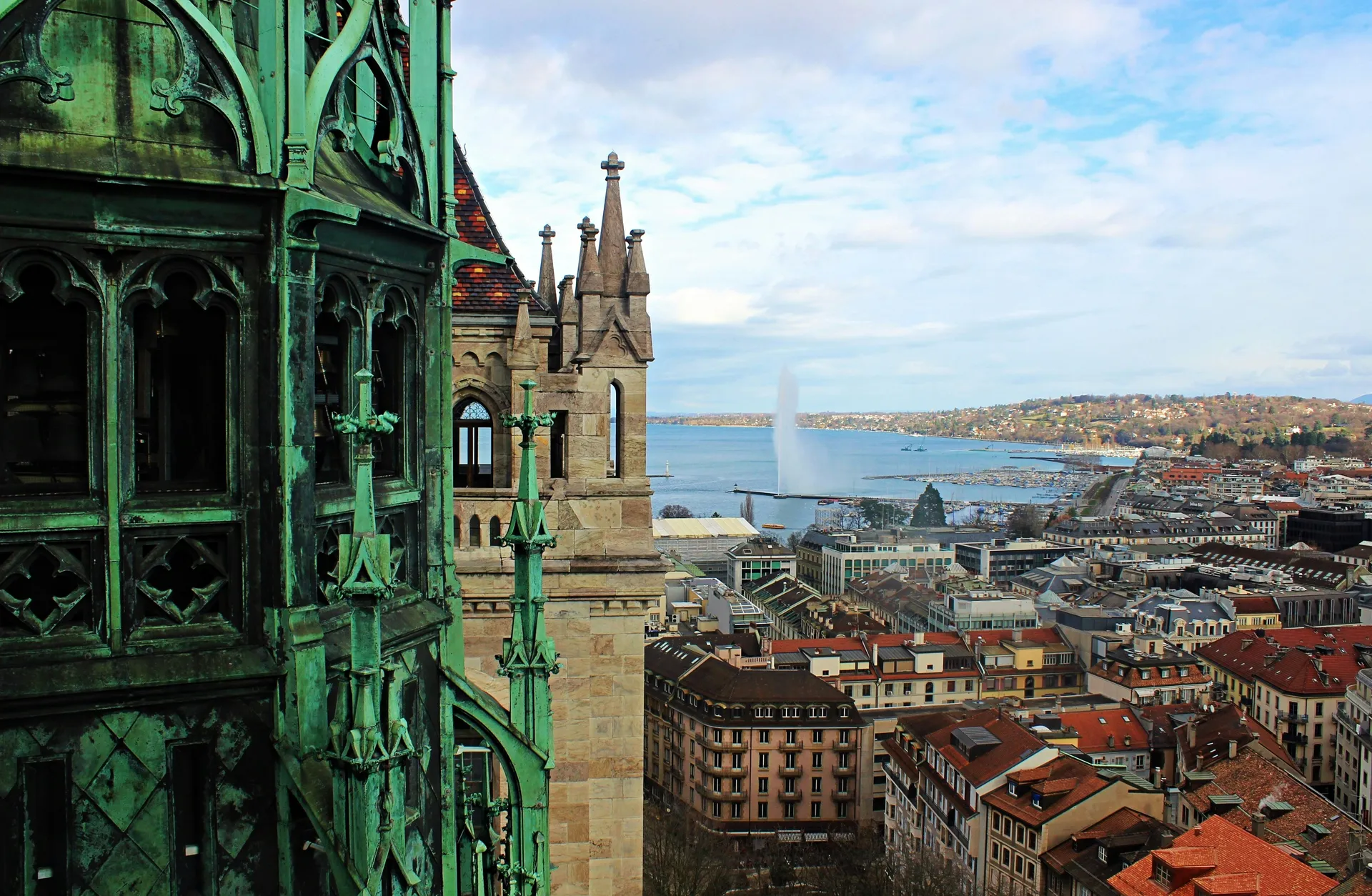
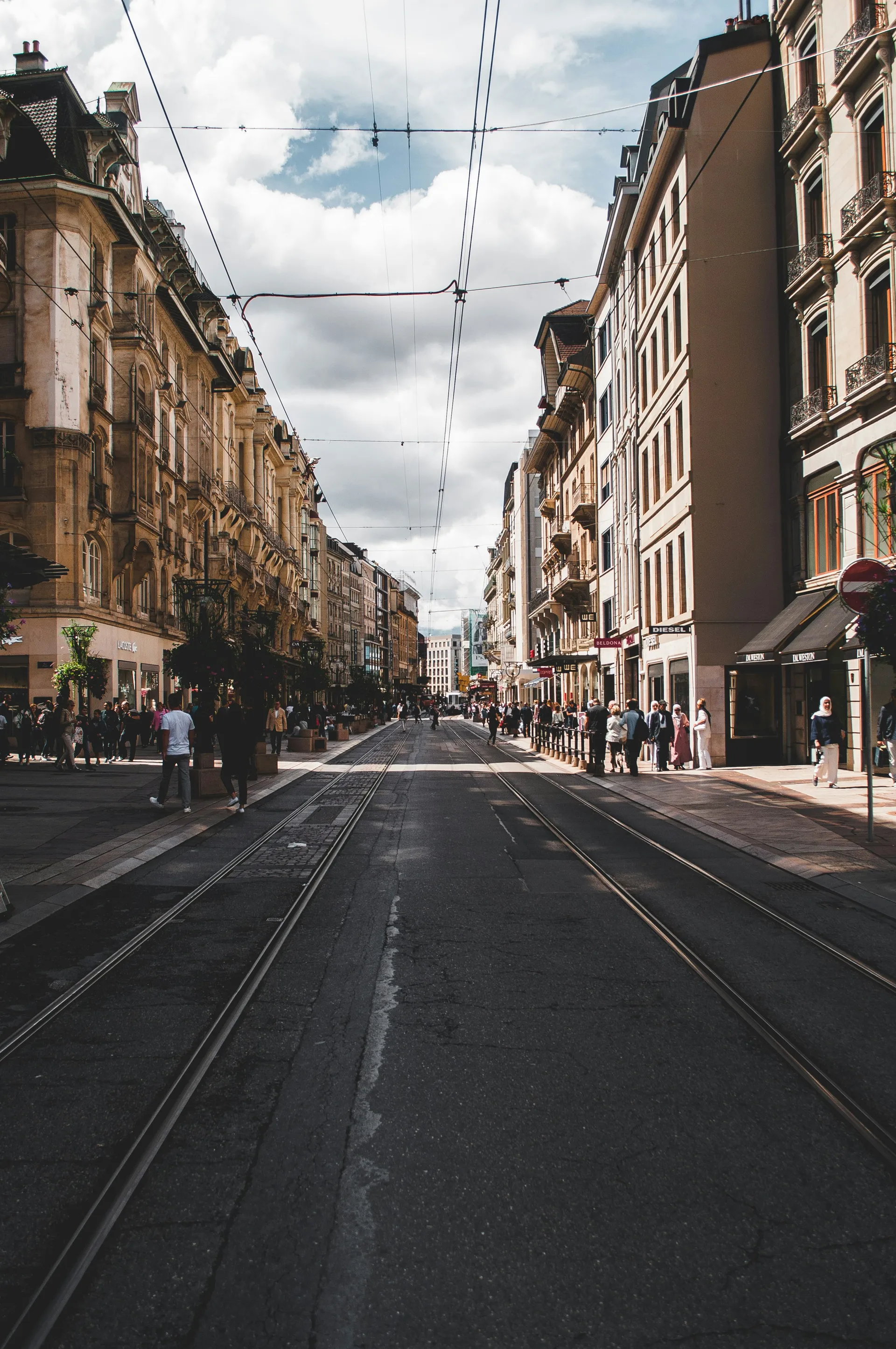
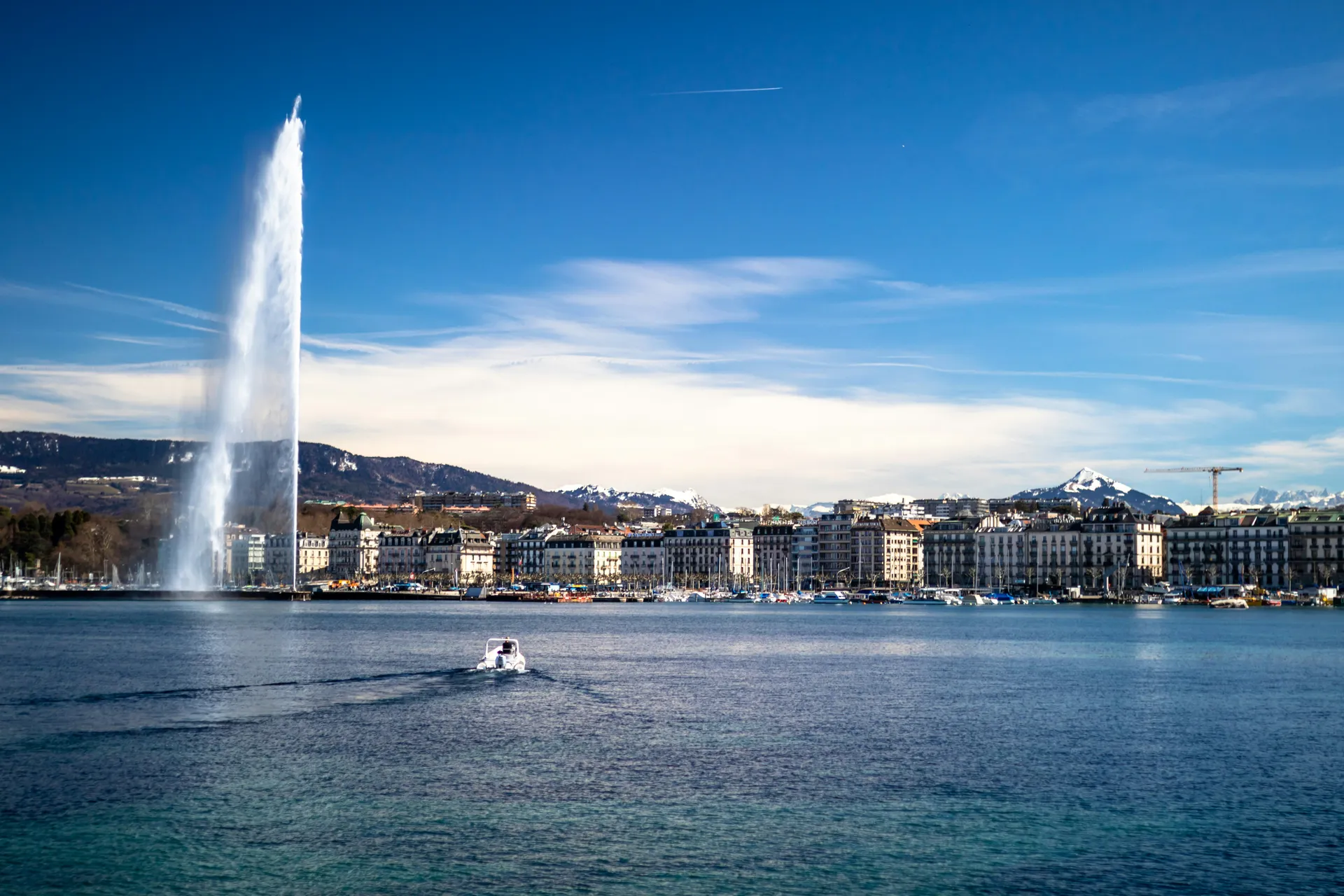
Yet Geneva resists the sterile formality one might expect of a diplomatic capital. The Jet d'Eau — that magnificent plume of water arcing one hundred and forty metres above the lake — announces a city that pairs grandeur with a certain theatrical flair. Along the Rue du Rhône, watchmakers' ateliers gleam behind Art Nouveau façades, while the cobbled lanes of the Vieille Ville climb toward the austere majesty of Cathédrale Saint-Pierre, where Calvin himself once thundered from the pulpit. On summer evenings, the Bains des Pâquis transforms from a modest lakeside bathhouse into a fondue-scented gathering place where bankers and bohemians share long wooden tables beneath string lights, the Alps fading to silhouette across the water.
The Genevois table reflects the city's position at the confluence of French refinement and Swiss Alpine tradition. Begin with a longeole — the fennel-spiced pork sausage bearing an IGP designation that ties it irrevocably to this canton — served alongside a gratin of cardons, the thistle-like vegetable that appears each winter in homes and restaurants across the region. A proper fondue moitié-moitié, blending Gruyère and Vacherin fribourgeois in a caquelon of white wine, demands a glass of Chasselas from the terraced vineyards of nearby Lavaux, a UNESCO World Heritage landscape visible on clear days from the lake's eastern shore. For something more contemporary, the city's Michelin-starred establishments — Domaine de Châteauvieux and Bayview among them — reinterpret Léman's féra and perch fillets with a precision that mirrors the watchmaking tradition just beyond their dining room windows.
Geneva's position at the western tip of Lac Léman places some of Switzerland's most extraordinary landscapes within effortless reach. The medieval town of Gruyères, with its hilltop castle and fromageries producing the region's most celebrated cheese, lies barely ninety minutes south. Martigny, gateway to the Great St. Bernard Pass, houses the Fondation Pierre Giannadda, where world-class art exhibitions unfold against a backdrop of Roman ruins. More ambitious day excursions lead to Grindelwald, where the Eiger's north face looms above flower-strewn meadows, or to the rarefied elegance of Saint Moritz in the Engadin — a journey that aboard the Glacier Express becomes not merely transit but one of the great rail experiences of the continent.
River cruise guests discover Geneva as either a luminous departure point or a triumphant finale to voyages tracing the Rhône and its tributaries through the heart of Western Europe. Avalon Waterways positions the city as a gateway to its Rhône itineraries, with vessels departing toward Lyon and the lavender-scented south of France, offering travellers an intimate perspective on a waterway that has carried commerce and culture for millennia. Tauck, renowned for its seamlessly curated shore experiences, often bookends its Swiss and French river programmes here, pairing the cruise itself with pre- or post-voyage stays that unlock Geneva's museums, watchmaking heritage, and the surrounding wine country with the kind of unhurried access that transforms sightseeing into genuine immersion. Whether arriving by water or departing upon it, Geneva ensures that the journey's first or final impression is one of quiet, enduring sophistication.