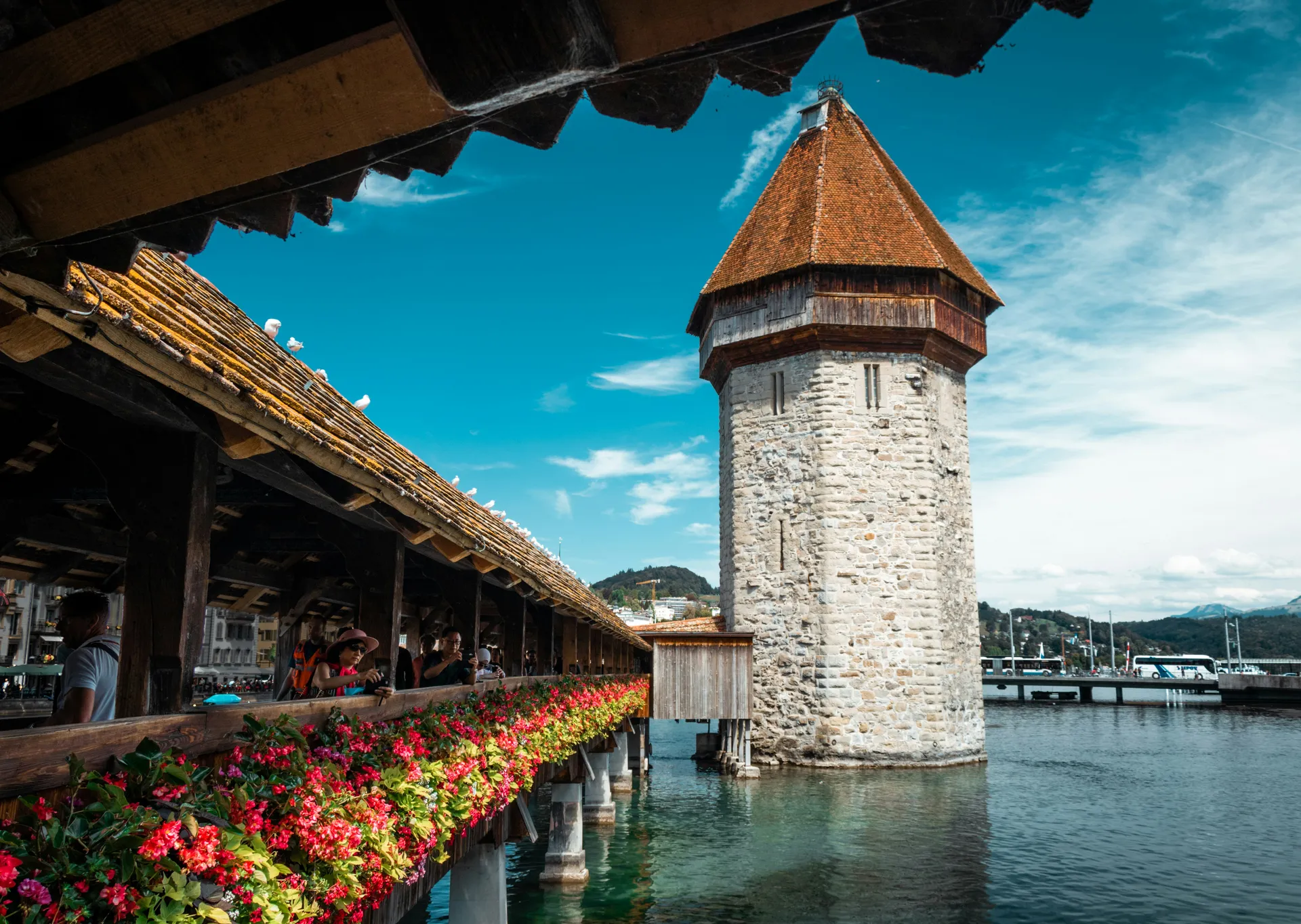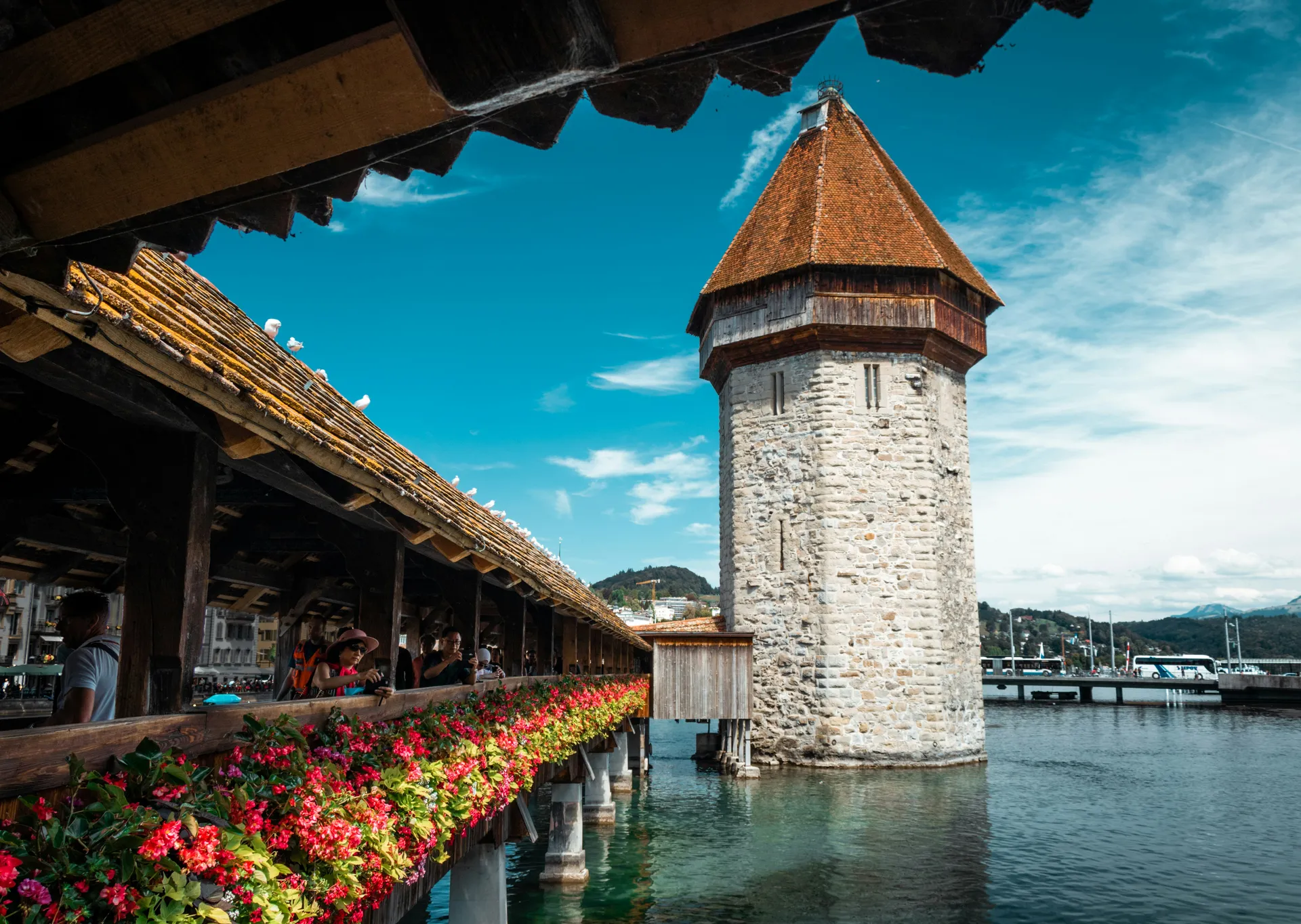
Long before the grand hotels rose along its lakefront promenades, Lucerne was a modest settlement guarding the vital St. Gotthard pass — the mountain corridor that linked northern Europe to the Italian peninsula. By the 13th century, the town had grown prosperous enough to commission its most enduring landmark: the Kapellbrücke, a covered wooden bridge stretching across the Reuss River, its interior adorned with 17th-century triangular paintings depicting the city's patron saints and Swiss history. Though fire damaged the structure in 1993, it was meticulously restored and today remains one of Europe's oldest and most photographed covered bridges.
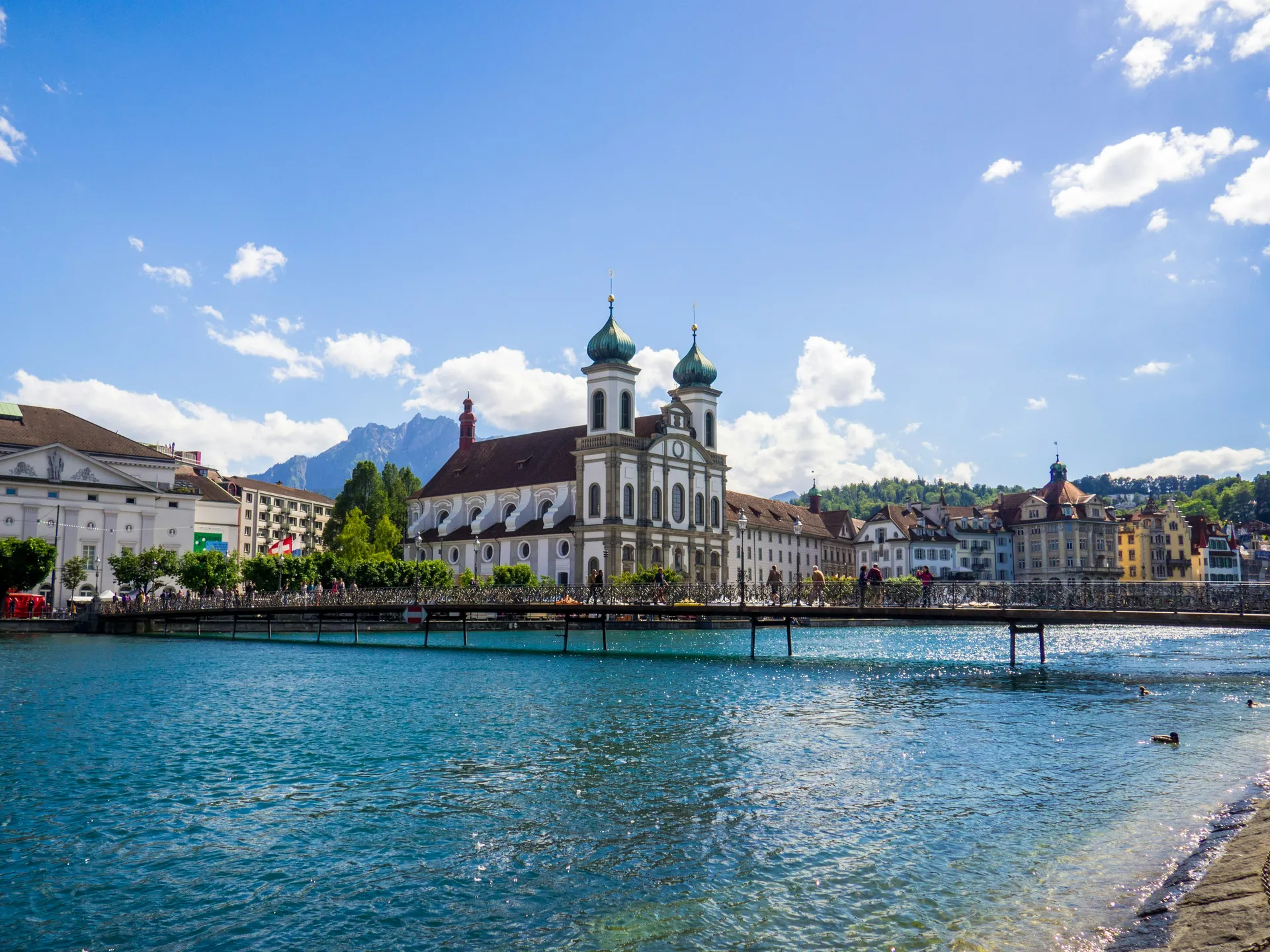
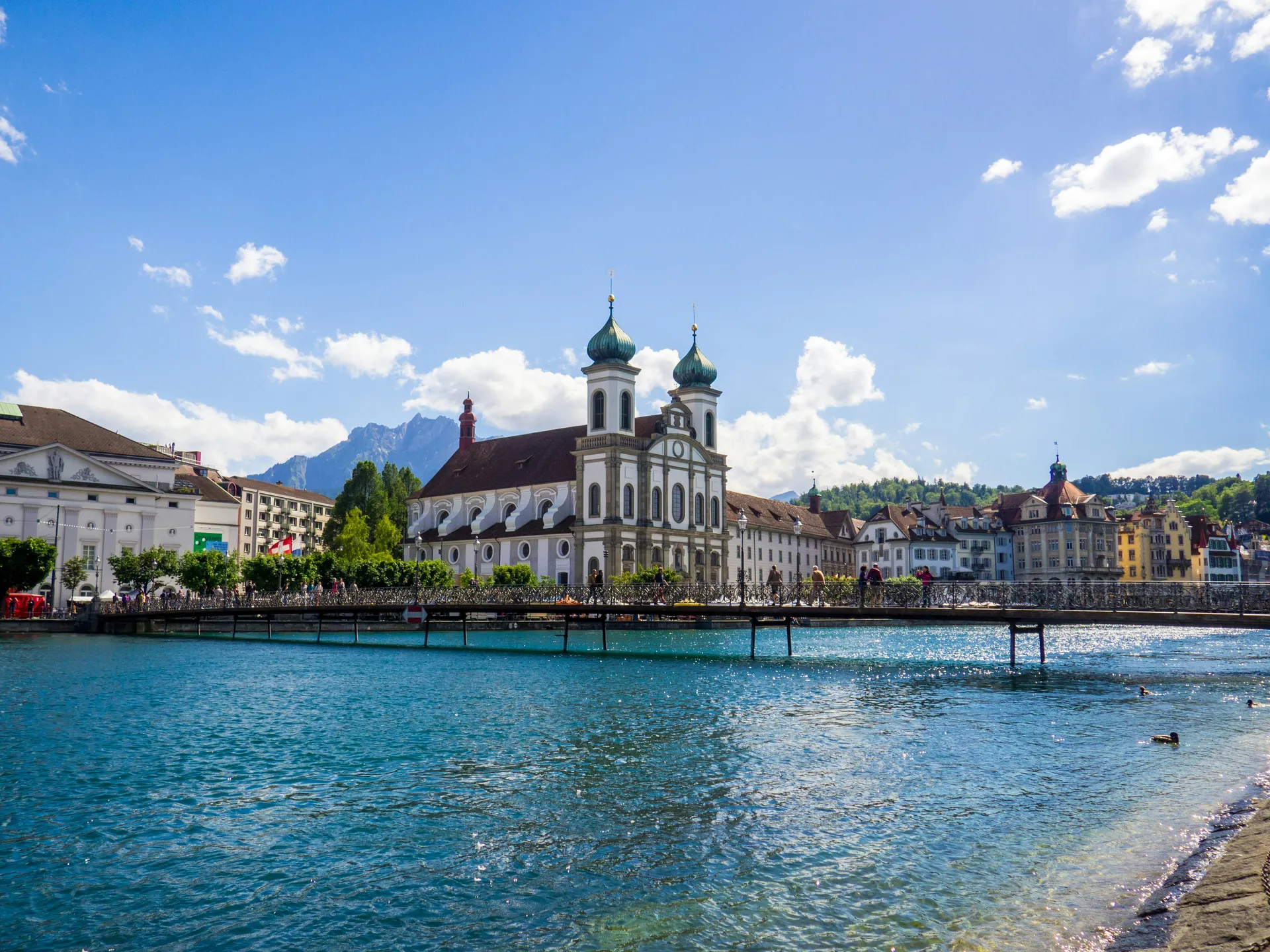
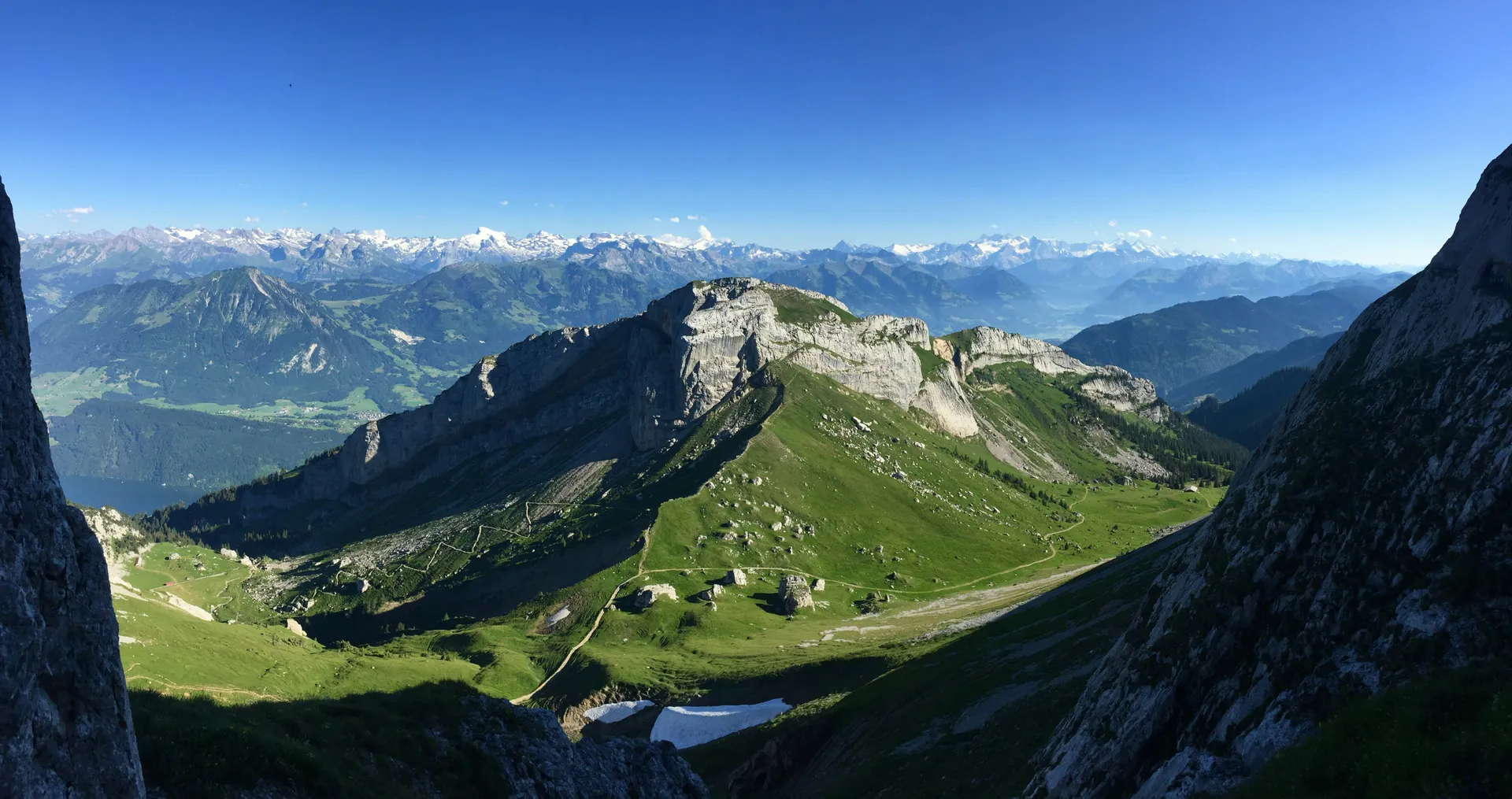
Lucerne occupies one of the most theatrical settings in Switzerland — a compact medieval core cupped between the luminous waters of Vierwaldstättersee (Lake Lucerne) and the jagged silhouettes of Mount Pilatus and Mount Rigi. The Altstadt's painted facades, pastel-hued guild houses, and the sweeping arc of the Museggmauer — a 14th-century fortification wall still bristling with nine watchtowers — create the impression of a city suspended between past and present. The Rosengart Collection, housed in a neoclassical former bank, contains an intimate trove of Picasso and Paul Klee, while the Swiss Museum of Transport offers an unexpectedly riveting journey through the nation's engineering ambitions.
The culinary landscape of Lucerne is deeply rooted in Central Swiss tradition. Käseschnitten — thick slices of toasted bread melted under pungent Gruyère and Emmental — arrive steaming at the wood-panelled taverns of the Altstadt. Älplermagronen, a hearty alpine macaroni gratin crowned with caramelised onions and served alongside warm stewed applesauce, is the dish locals claim as their own. For something lighter, the weekly open-air market along the Reuss fills with wheels of regional cheese, hand-cured meats, and fragrant loaves from local bakers. The Rathaus Brauerei, a microbrewery installed directly beneath the 17th-century town hall, pours copper-bright lagers that pair beautifully with the city's mountain-influenced cuisine.
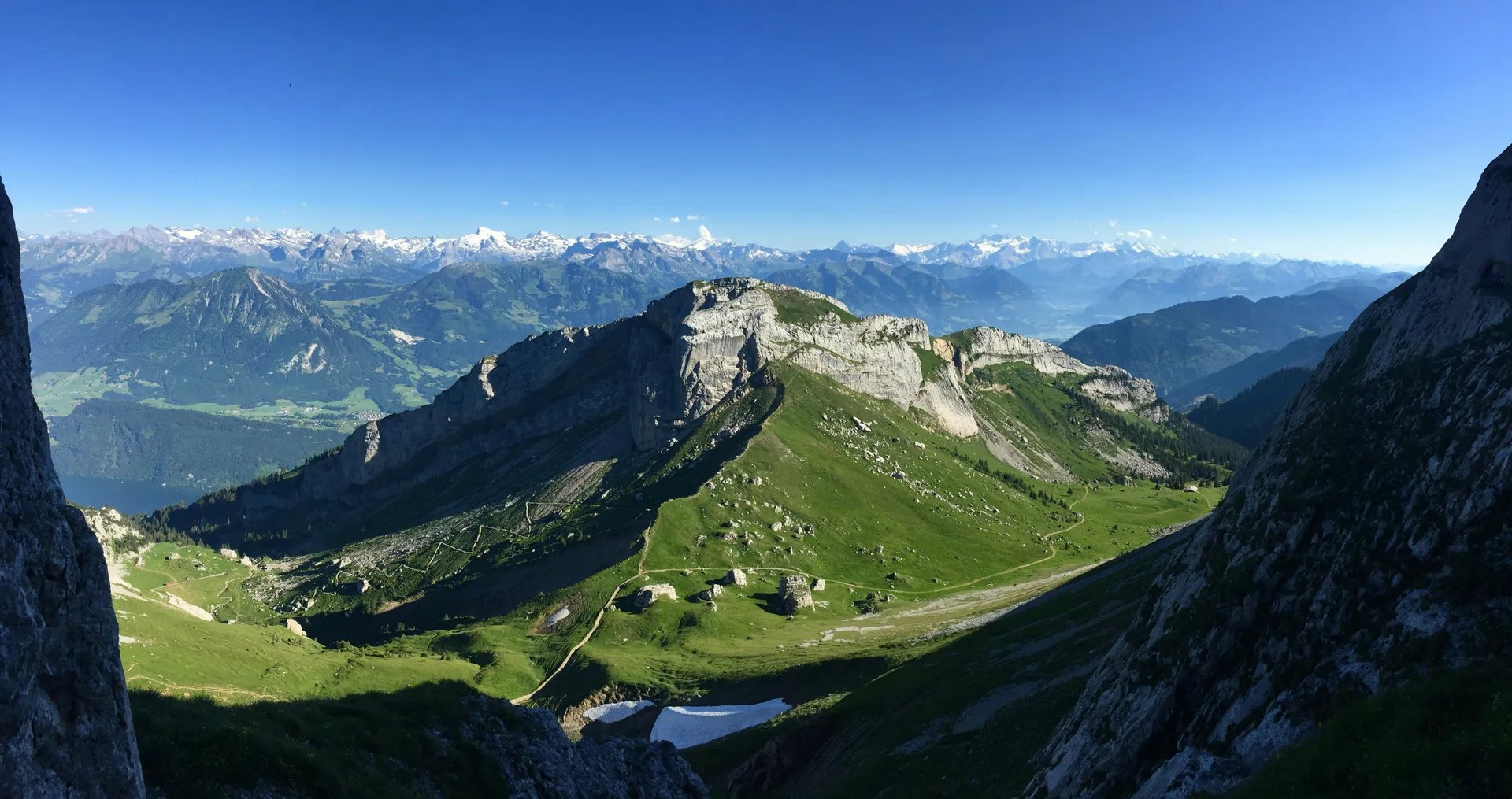
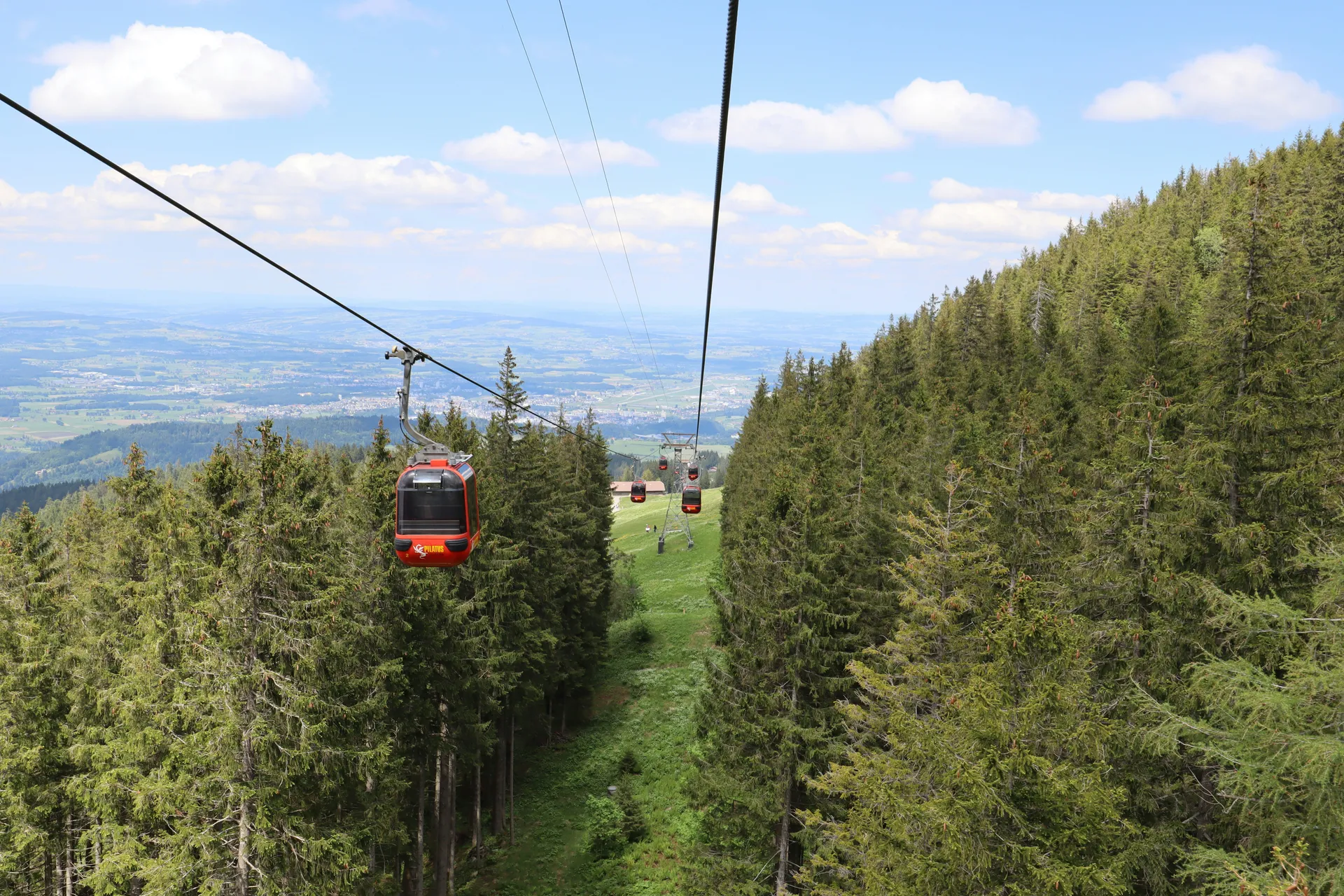
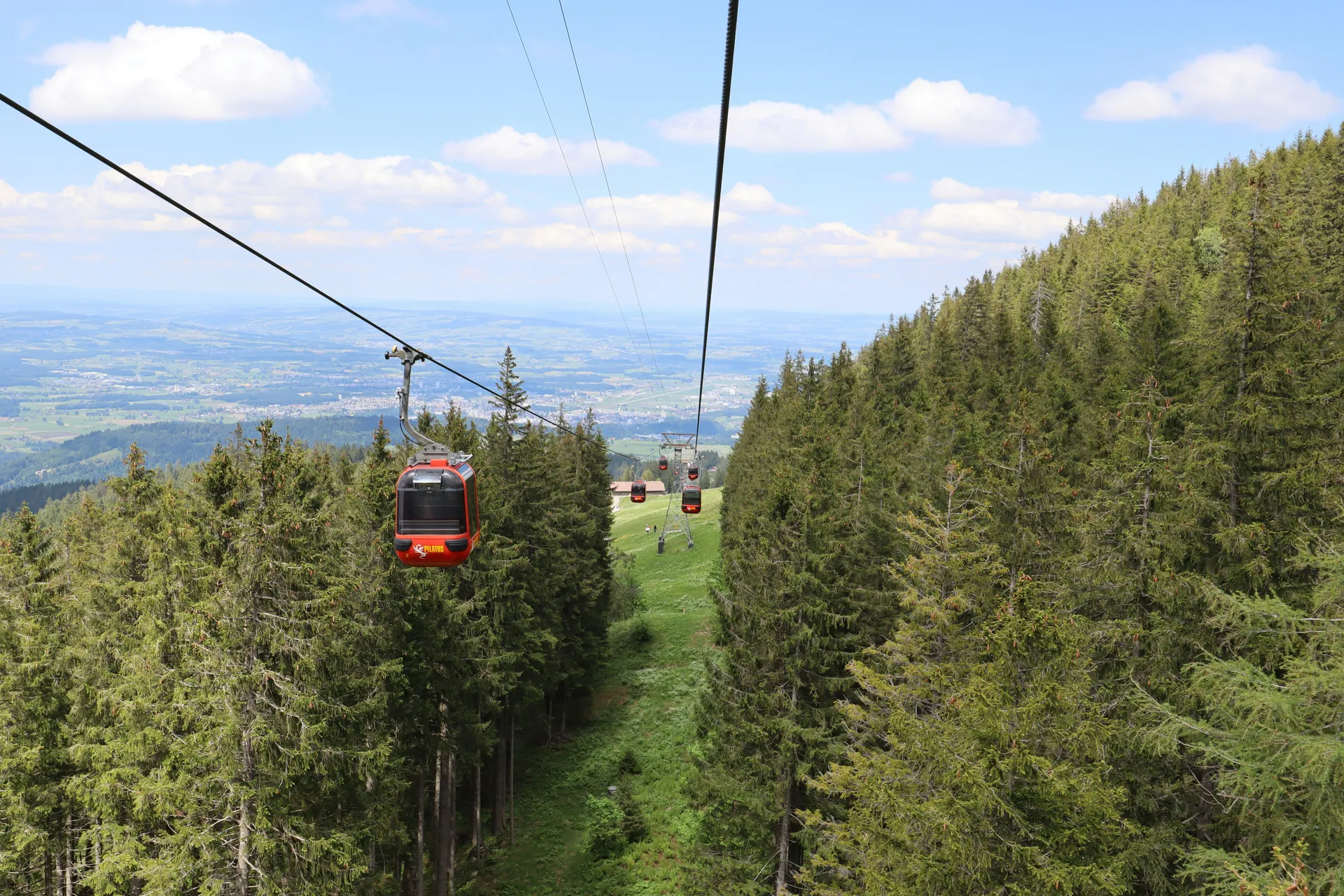
A short cog-wheel railway or cable car ascent unlocks two of Switzerland's most iconic vantage points: Mount Pilatus (2,132 metres), steeped in medieval legend as the burial site of Pontius Pilate, and Mount Rigi (1,798 metres), dubbed the "Queen of the Mountains" by 19th-century Romantic painters. Day-trippers can venture to Grindelwald in the Bernese Oberland — roughly 90 minutes by train — for views of the Eiger's north face, or south to Interlaken, poised at the confluence of Lakes Thun and Brienz. The village of Gruyères, about an hour away by rail, rewards with its fairy-tale castle and the still-operating Maison Cailler chocolate factory. Nearby Montreux, Geneva, Saint Moritz, and Zurich are all within comfortable reach for extended explorations.
Lucerne serves as a principal embarkation and disembarkation point for Rhine and Swiss lake itineraries operated by Avalon Waterways, Emerald Cruises, Riviera Travel, Scenic River Cruises, and Uniworld River Cruises. The city is at its most luminous from late April through October, when the lake's mirror-calm surface reflects the snow-capped peaks beyond — though December brings the enchanting glow of the Lucerne Christmas Market along the old city walls, making it equally magical in winter.