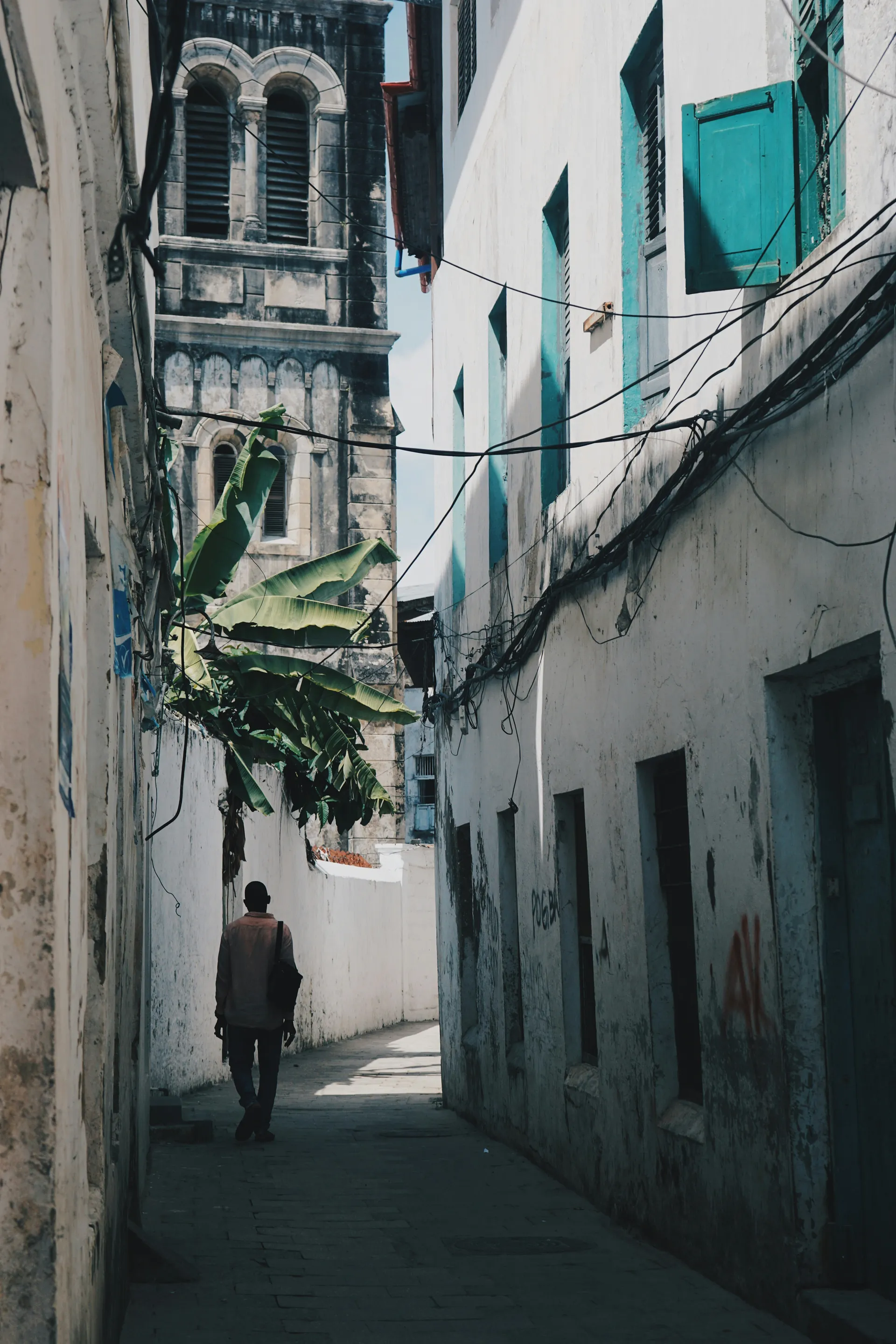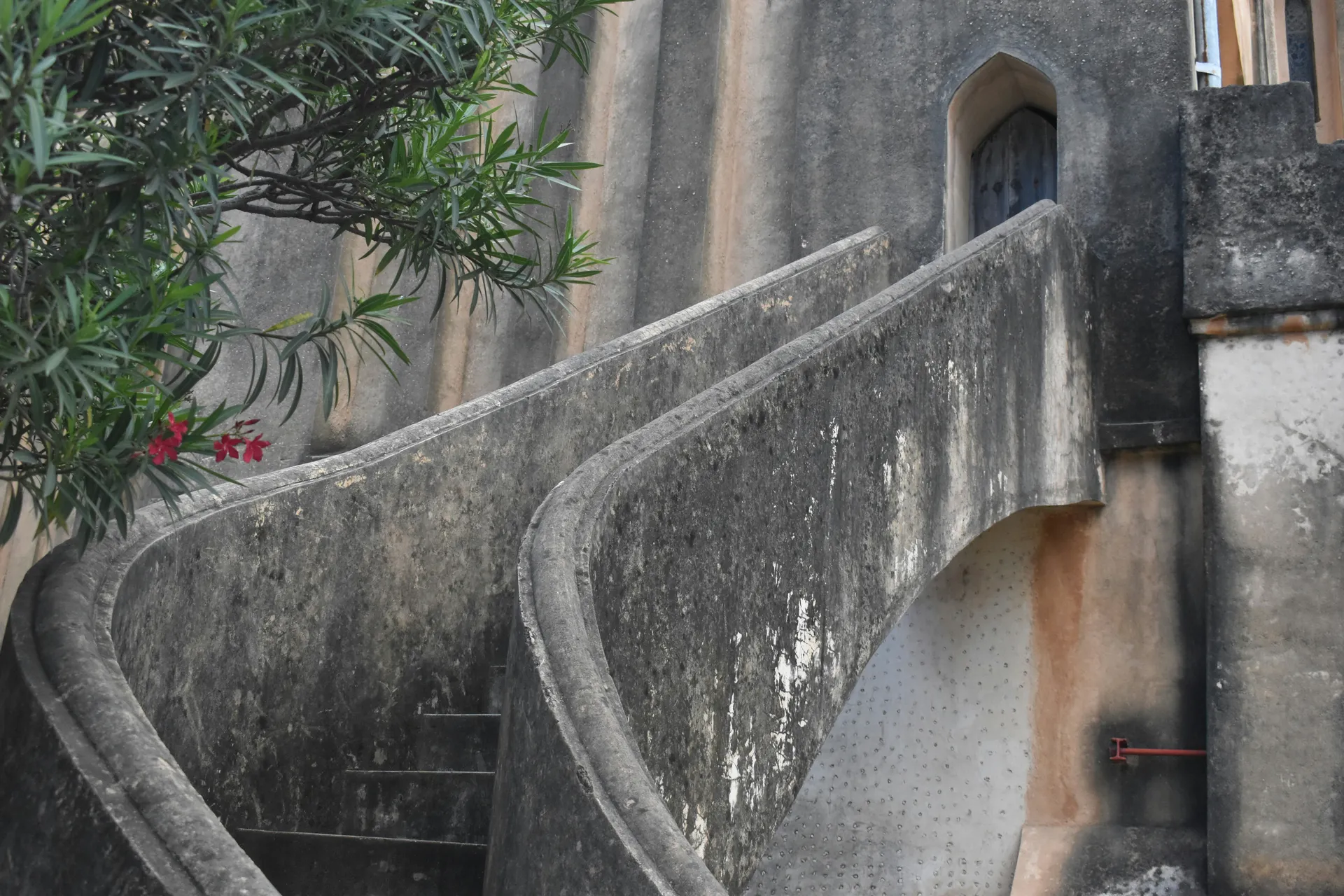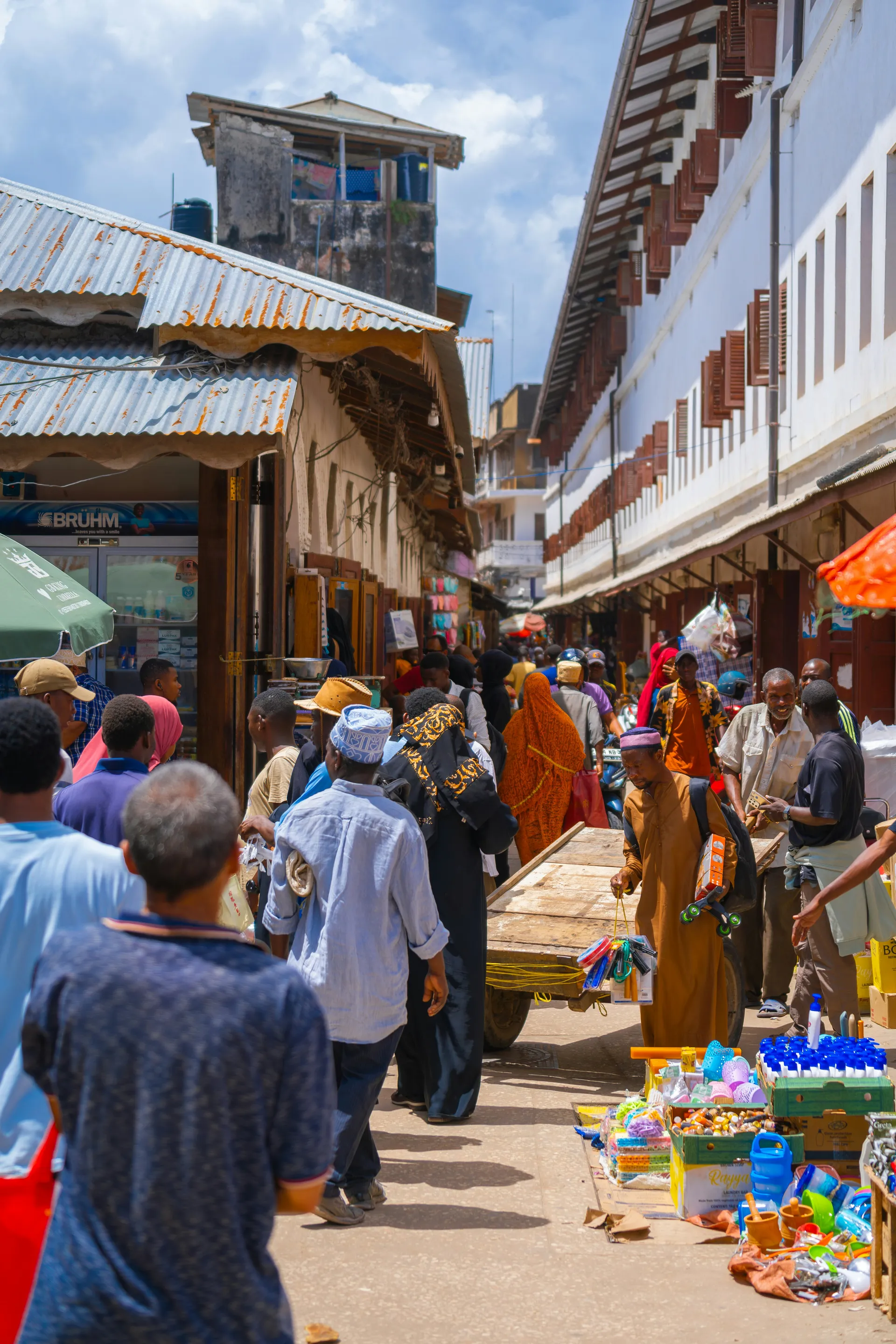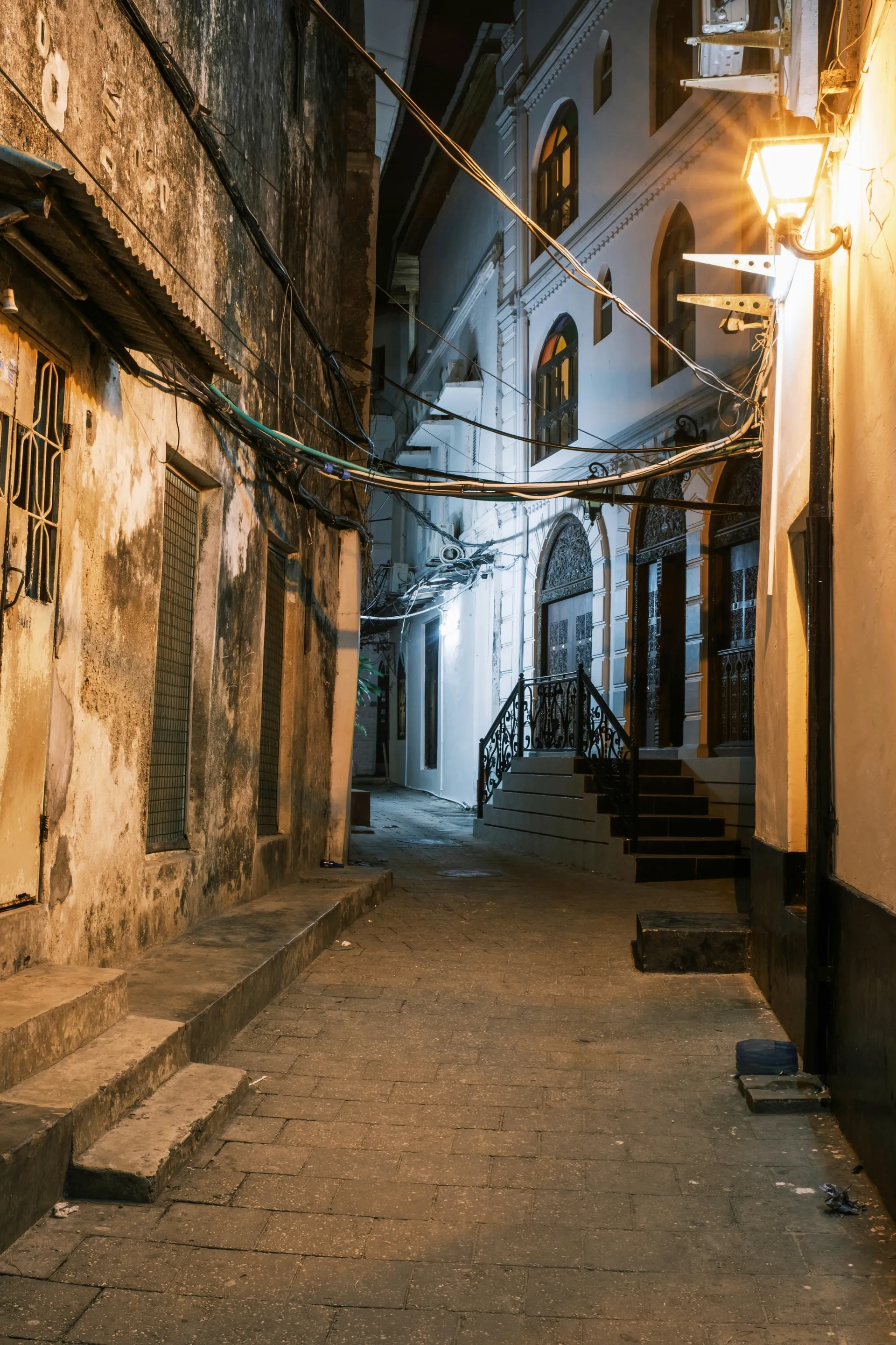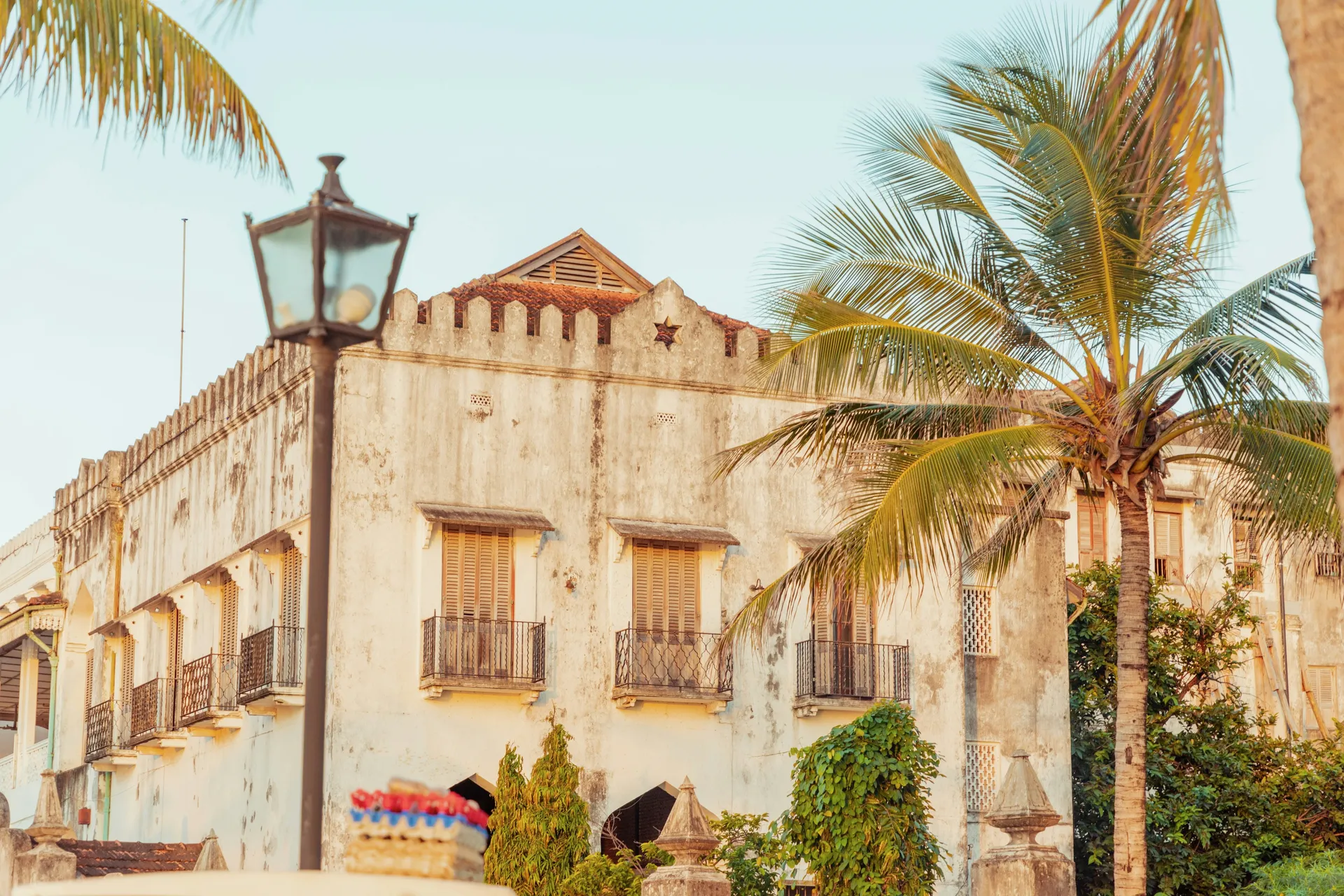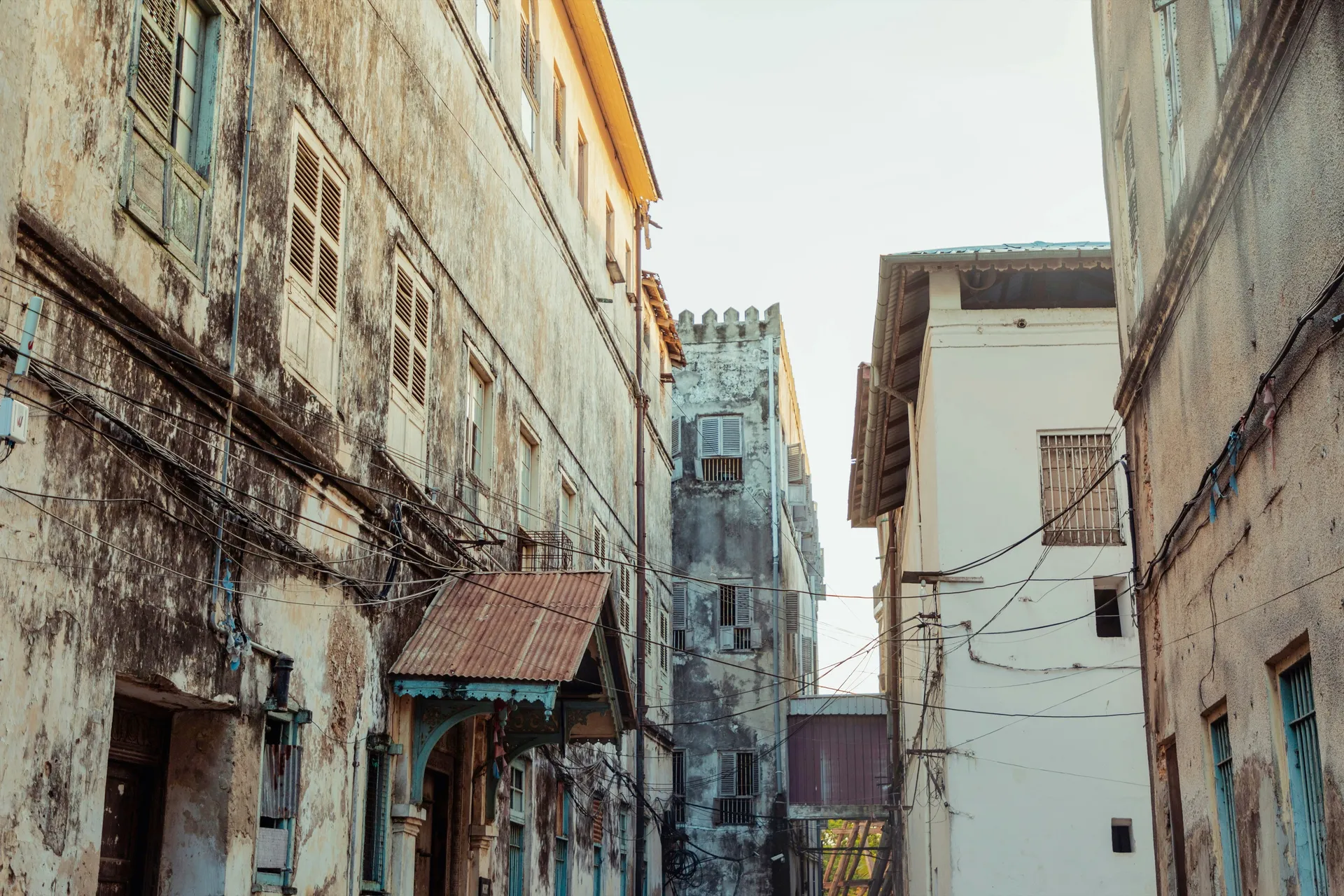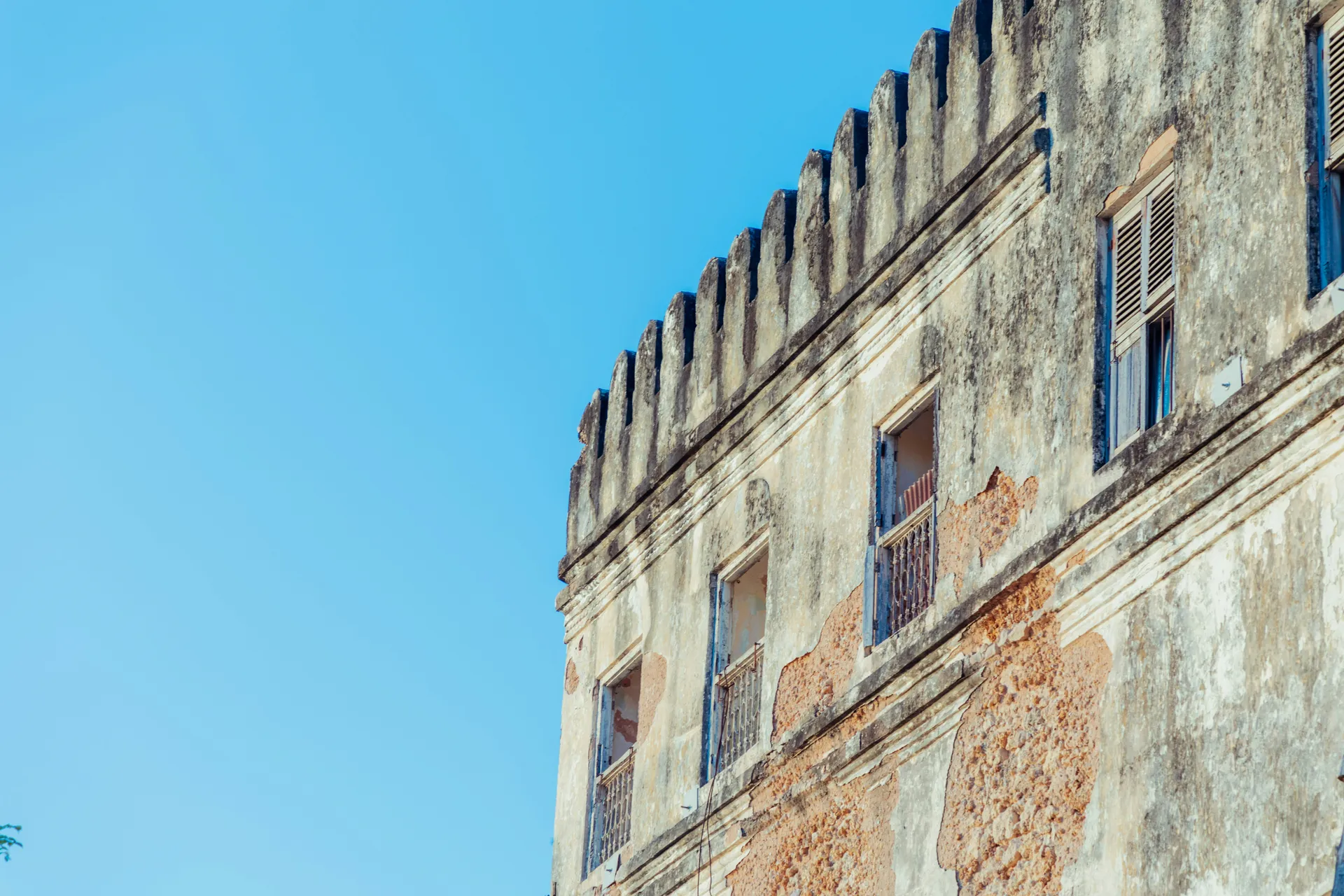
Stone Town is the ancient heart of Zanzibar, a labyrinthine quarter of coral-stone buildings, carved wooden doors, and narrow alleys that has served as a crossroads of African, Arab, Indian, and European cultures for over a millennium. The town occupies a triangular peninsula on the western coast of Unguja, the main island of the Zanzibar archipelago, and its name derives from the coral ragstone used to construct its buildings—a material that weathers into warm shades of cream and gold that glow in the equatorial light. UNESCO inscribed Stone Town as a World Heritage Site in 2000, recognizing it as "an outstanding material manifestation of cultural fusion and harmonization."
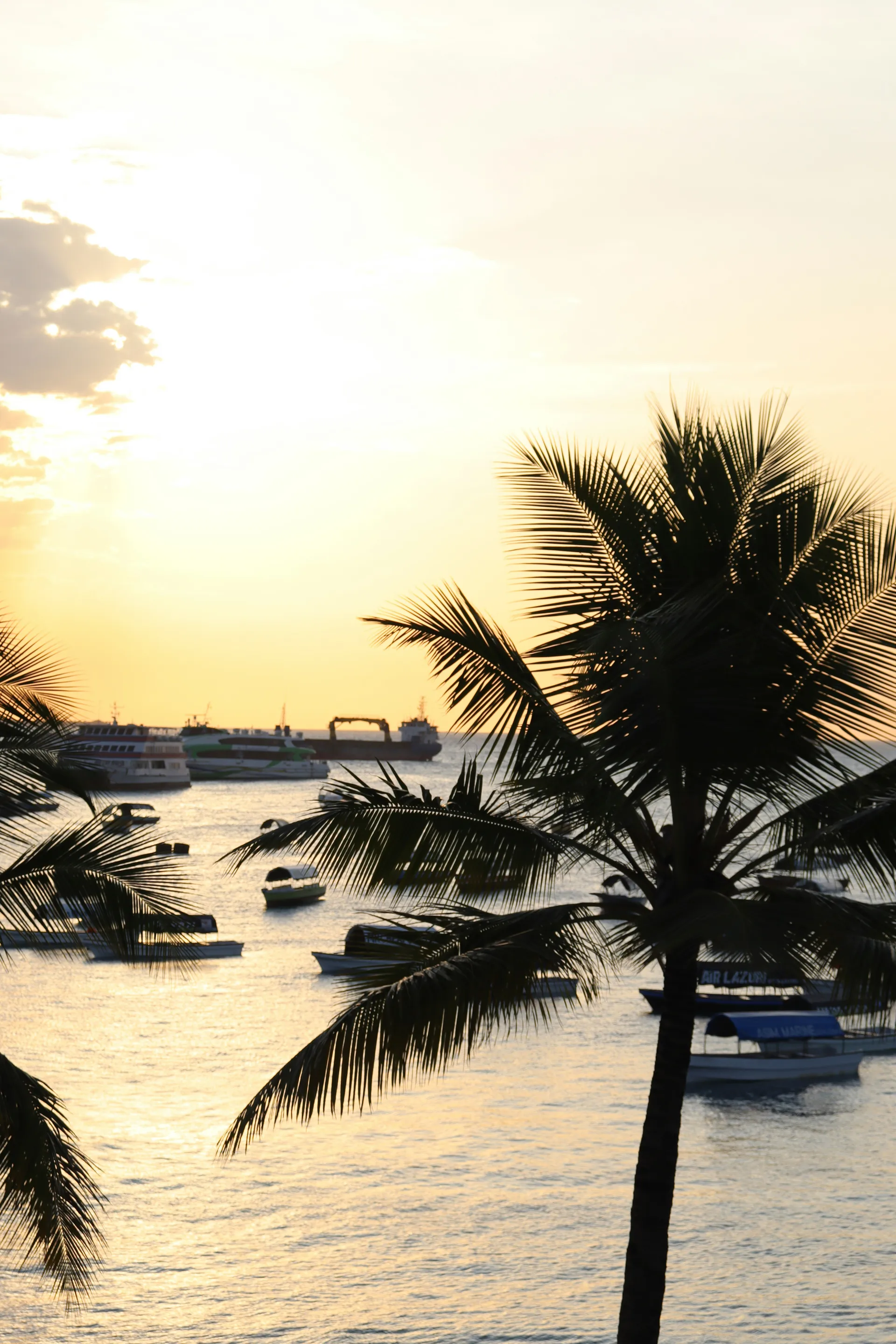
The town's character is defined by its extraordinary architectural density and cultural layering. Omani Arab palaces with their ornate wooden balconies stand beside Hindu temples; the Anglican Cathedral of Christ Church was built directly on the site of the old slave market, its altar positioned where the whipping post once stood. The House of Wonders (Beit-el-Ajaib), a massive ceremonial palace that was the first building in East Africa to have electricity and an elevator, dominates the waterfront. The Forodhani Gardens, a seafront park between the Old Fort and the harbor, come alive each evening with a night market that is one of the great culinary spectacles of East Africa—vendors grill fresh seafood, sugarcane juice flows freely, and the sunset over the Indian Ocean turns the sky into layers of orange and purple.
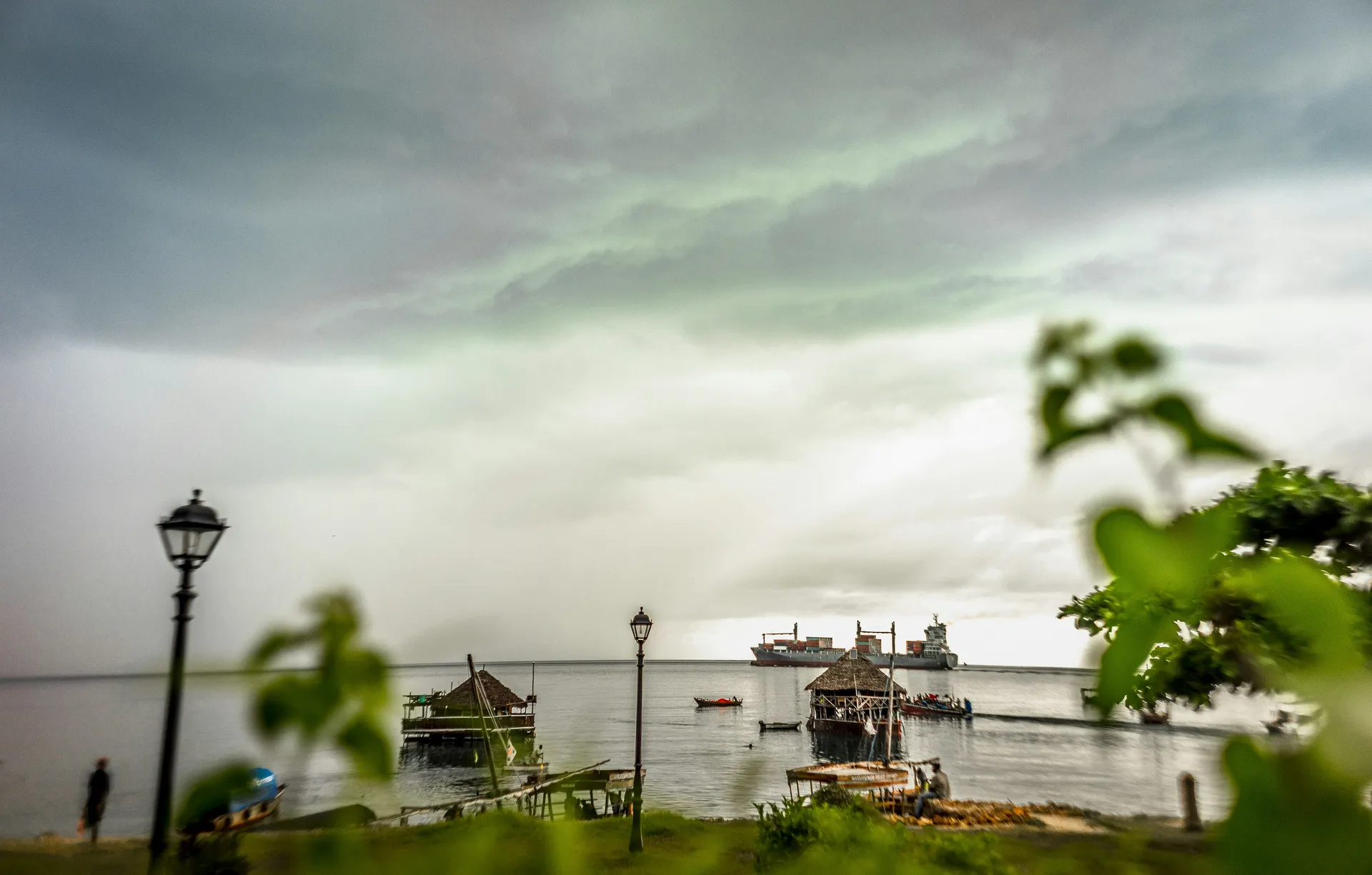
The cuisine of Stone Town is a revelation—a fusion of Swahili, Arab, Indian, and Persian traditions that produces flavors found nowhere else on Earth. Zanzibar's historical role as the center of the spice trade infuses every dish: cloves, cardamom, cinnamon, nutmeg, and black pepper grown on the island itself season curries, rice dishes, and the ubiquitous pilau (spiced rice). Zanzibar pizza—a street food creation of thin dough wrapped around meat, vegetables, eggs, and cheese, then pan-fried on a griddle—bears no resemblance to Italian pizza but is addictive in its own right. The seafood is extraordinary: grilled octopus, coconut-curried prawns, and the freshest tuna, served at waterfront restaurants where the dhows bob at anchor and the call to prayer echoes from the nearby mosque.
Beyond the town, Zanzibar offers experiences that extend the cultural immersion. The spice plantations of the island's interior reveal the source of Zanzibar's historical wealth—guided tours through farms growing cloves, vanilla, nutmeg, and cinnamon engage all the senses and explain the colonial rivalries that this tiny archipelago once provoked. The beaches of the east and north coasts—Nungwi, Kendwa, Paje—are among the finest in the Indian Ocean, with powdery white sand and turquoise water of almost absurd beauty. The Jozani Forest, the island's last indigenous forest, is home to the rare Zanzibar red colobus monkey, found nowhere else on Earth. Prison Island, a short boat ride from Stone Town, offers giant Aldabra tortoises and excellent snorkeling.
Stone Town is a regular port of call for Indian Ocean and East African cruise itineraries, with ships anchoring in the harbor and tendering passengers to the waterfront. The best time to visit is during the dry seasons: June through October (cooler and dry) and January through February (hot and dry). The long rains (March–May) can be heavy, and some services reduce during this period. The cultural calendar peaks during Ramadan, when the town's Muslim-majority population observes the holy month with nightly feasts, and during the Zanzibar International Film Festival (ZIFF) in July, which brings cinema, music, and arts to venues throughout the old town.