Zanzibar is the name that launched a thousand voyages—an archipelago off the Tanzanian coast in the Indian Ocean that has been a crossroads of African, Arab, Indian, and European civilizations for over a millennium. The main island, Unguja (commonly called Zanzibar Island), was the center of the Swahili Coast's spice and slave trades, a sultanate of extraordinary wealth whose influence stretched from the East African mainland to the Persian Gulf. Stone Town, the island's UNESCO World Heritage historic quarter, preserves this layered history in a labyrinth of coral-stone buildings, carved wooden doors, narrow lanes, and rooftop terraces that evoke the great trading cities of the medieval Indian Ocean world.
Stone Town is one of the most atmospherically compelling urban environments in Africa. The former Sultan's Palace (Palace of the Wonders), the Old Fort, the House of Wonders, and the Old Dispensary—its elaborate Indian-style balconies recently restored—line the waterfront in a sequence of architectural set pieces. The carved doors of Stone Town, each one a work of art incorporating Arab, Indian, and Swahili motifs, are the city's most distinctive visual element—over 500 survive, their brass studs, floral carvings, and Quranic inscriptions speaking to the wealth and cosmopolitan aspirations of their original owners. The former slave market site, where the Anglican Cathedral now stands, offers a haunting confrontation with the darkest chapter of Zanzibar's history—the underground chambers where enslaved people were held before auction remain accessible to visitors.
Zanzibari cuisine is a spice-infused fusion that reflects the island's position at the crossroads of culinary cultures. Pilau rice, fragrant with cinnamon, cardamom, and cloves, is the staple accompaniment to most meals. Biryani, brought by Omani and Indian traders, is a Zanzibari specialty served with meat, fish, or vegetables. Urojo (Zanzibar mix), a tangy soup of mashed potatoes, lentils, coconut, and lime served with bhajias and chutneys, is the island's most distinctive street food, available at the night food market in Forodhani Gardens—a nightly gathering on the waterfront where dozens of vendors grill seafood, prepare Zanzibar pizza (a stuffed flatbread grilled on a hot plate), and serve sugar cane juice to a mixed crowd of locals and visitors. The spice farms of the island's interior produce cloves, nutmeg, cinnamon, black pepper, and vanilla—spice tours offer fragrant, hands-on introductions to the crops that once made Zanzibar the world's largest clove producer.
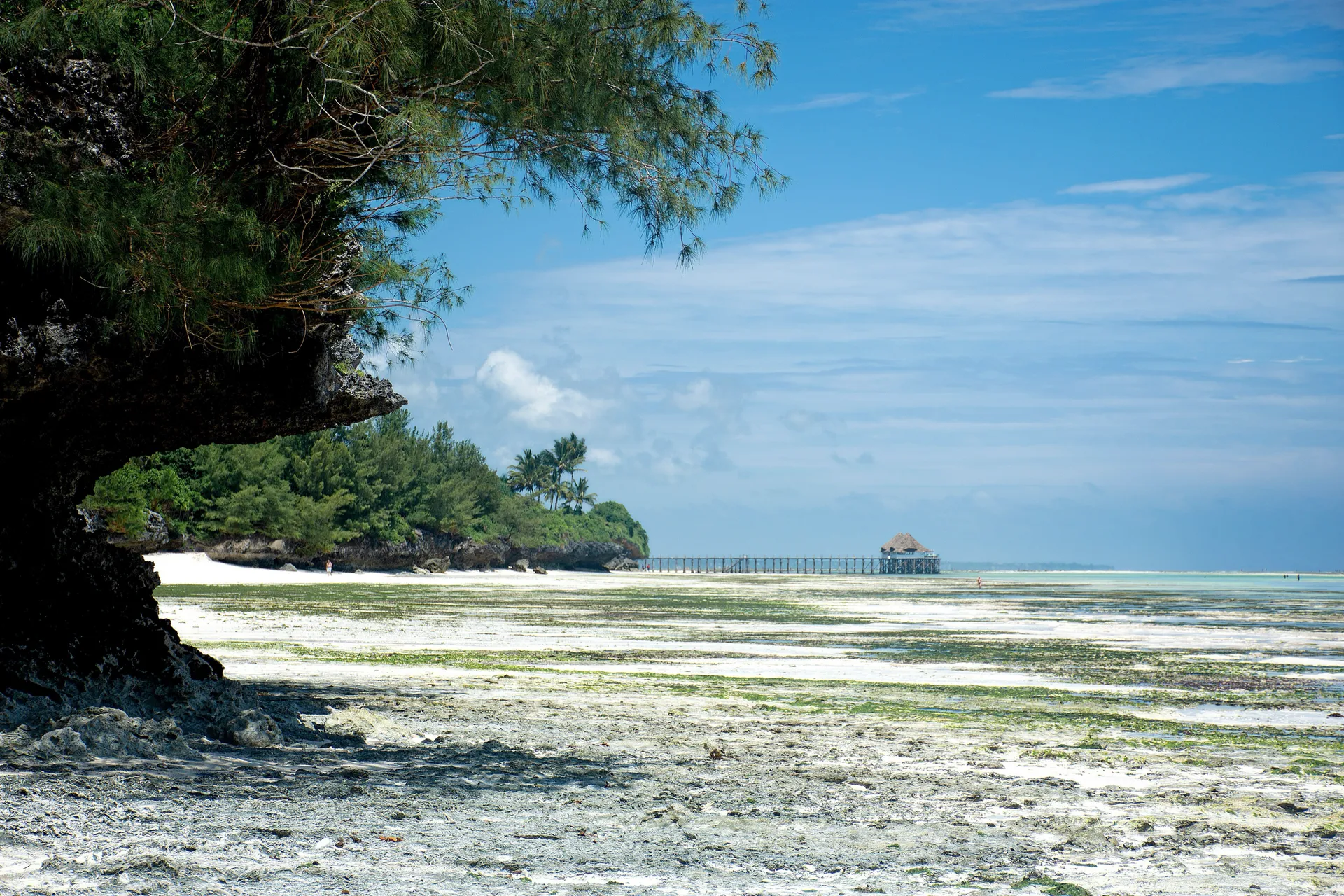
Beyond Stone Town, Zanzibar's coastline offers beaches of Indian Ocean perfection. Nungwi, at the island's northern tip, provides white sand and warm turquoise water ideal for swimming and snorkeling. Paje, on the southeast coast, has become East Africa's kiteboarding capital, its shallow lagoon and consistent trade winds creating ideal conditions. Jozani Forest, the island's only remaining indigenous forest, protects the endangered red colobus monkey—a species found nowhere else on Earth—in a manageable reserve that includes a mangrove boardwalk. The smaller island of Pemba, accessible by ferry or short flight, offers world-class diving on pristine coral walls and a quieter, more traditional Swahili culture.
Azamara, Emerald Yacht Cruises, Hapag-Lloyd Cruises, and Viking include Zanzibar on their East African and Indian Ocean itineraries, with ships anchoring off Stone Town and tendering passengers to the waterfront. The island's infrastructure has developed significantly, with excellent hotels, restaurants, and organized excursions available. June through October (the dry season) offers the most comfortable visiting conditions, with lower humidity and minimal rainfall. The short rains (November–December) and long rains (March–May) bring periodic downpours but also lush vegetation and smaller crowds. Zanzibar is a destination where history, cuisine, and natural beauty converge with an intensity that few Indian Ocean islands can match—a place where the scent of cloves, the sound of the muezzin, and the turquoise of the sea create an atmosphere that lingers in memory long after departure.

