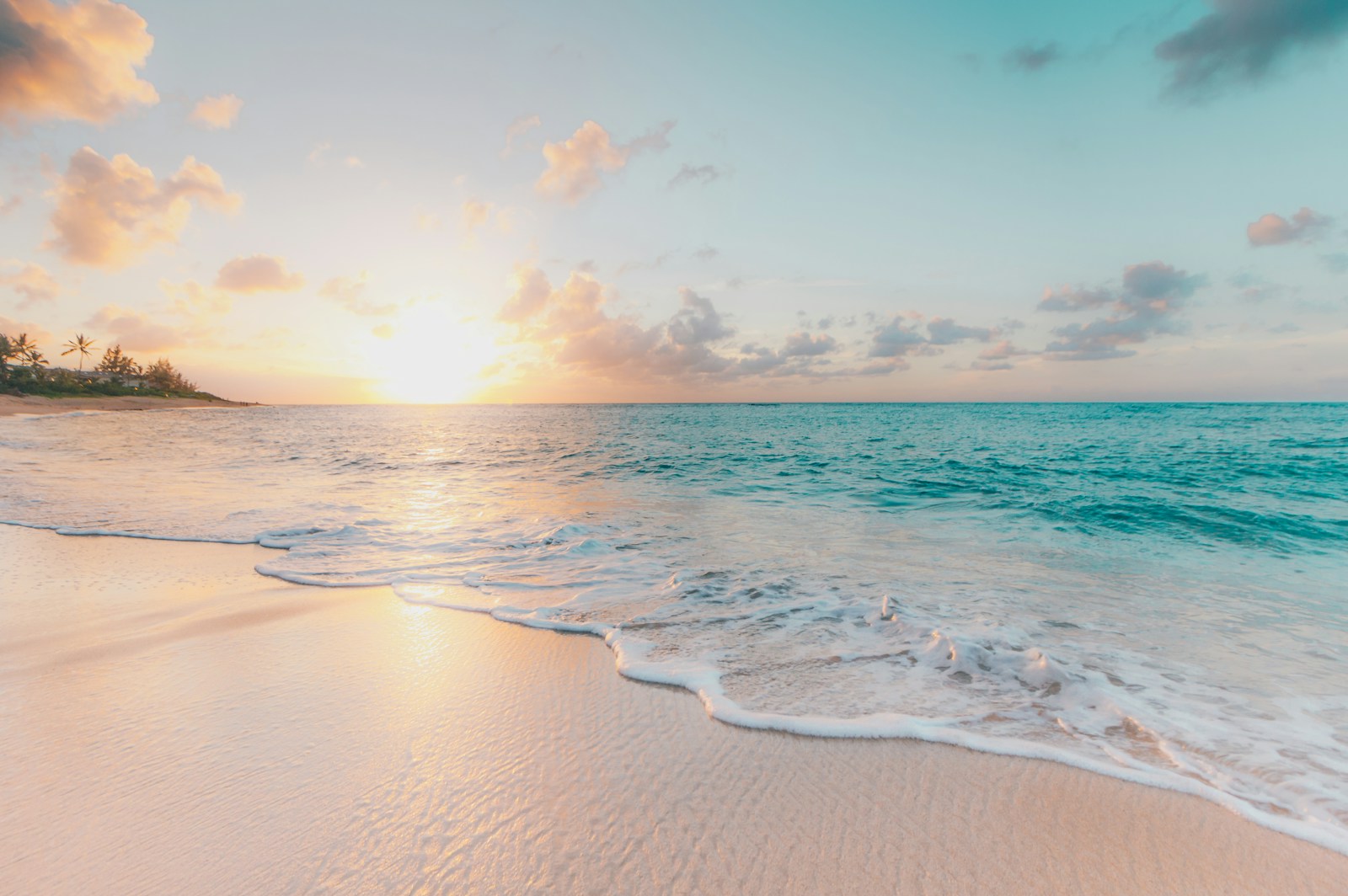
Ko Phi Phi Don emerges from the Andaman Sea like a butterfly unfolding its wings — two mountainous limestone masses connected by a narrow isthmus of white sand that forms Tonsai Bay on one side and Loh Dalum Bay on the other. This hourglass-shaped island, part of the Phi Phi archipelago in Thailand's Krabi Province, was catapulted to international fame by the filming of The Beach on nearby Phi Phi Leh in 1999, but its allure predates Leonardo DiCaprio by centuries: Malay sea gypsies — the Chao Leh — have fished these waters for generations, and the limestone karst towers that punctuate the surrounding seascape have been navigation landmarks for Chinese trading junks and Malay perahu since the medieval spice trade routes connected the Indian Ocean to the South China Sea.
The devastating Boxing Day tsunami of 2004 struck Tonsai Bay with particular ferocity, sweeping across the low isthmus and killing over 2,000 people in minutes. The island's reconstruction has been remarkable — today the beachfront hums with the energy of a destination that caters to every taste from backpacker bungalows to luxury hillside resorts — but the memorial wall near the pier ensures that the tragedy is neither forgotten nor trivialised. The rebuilt Tonsai village is a carless warren of shops, restaurants, and dive schools where the dominant sound is flip-flops on sand and the call to prayer from the mosque that serves the island's Muslim community.
The marine environment surrounding Ko Phi Phi Don is the primary reason most visitors come, and it delivers spectacularly. Long-tail boats — the narrow, brightly painted wooden vessels powered by repurposed truck engines that are the workhorses of Thai coastal waters — whisk passengers to snorkelling sites where visibility can exceed 20 metres. Shark Point hosts blacktip reef sharks and leopard sharks in shallow water, while the coral gardens of Bamboo Island burst with anemonefish, parrotfish, and giant clams. The viewpoint hike — a 30-minute climb up over 200 steps from Tonsai village — rewards the effort with the iconic panorama of the twin bays, the connecting isthmus, and the karst-studded seascape extending to the horizon in one of Southeast Asia's most photographed vistas.
Thai cuisine on Ko Phi Phi Don ranges from beachside barbecues where fresh-caught fish is grilled over coconut-husk charcoal to surprisingly sophisticated restaurants serving southern Thai curries with a heat and complexity that differ markedly from the gentler flavours of Bangkok cooking. Massaman curry, with its Persian-influenced blend of cardamom, cinnamon, and peanuts enriching coconut cream and tender beef, originated in the Muslim communities of southern Thailand and tastes most authentic here. Pad thai prepared on a beachfront wok at sunset, the flames dancing beneath the pan while long-tail boats bob in the bay behind, is not just a meal but a sensory experience that encapsulates everything Ko Phi Phi does best.
Ko Phi Phi Don's Tonsai Pier accommodates tender boats from cruise ships anchoring in the deeper waters of the bay. The best time to visit is from November through April, when the northeast monsoon brings dry, sunny days and the calmest sea conditions for snorkelling and island-hopping. The Andaman Sea's water temperature hovers around 28-30°C year-round, but the monsoon season from May through October brings heavy rainfall, rough seas, and reduced visibility that can limit marine activities. The island's popularity means that arriving early — on a cruise ship tender before the ferry boats from Phuket and Krabi — offers the precious advantage of experiencing Tonsai and Loh Dalum bays before the day-tripper crowds arrive.

