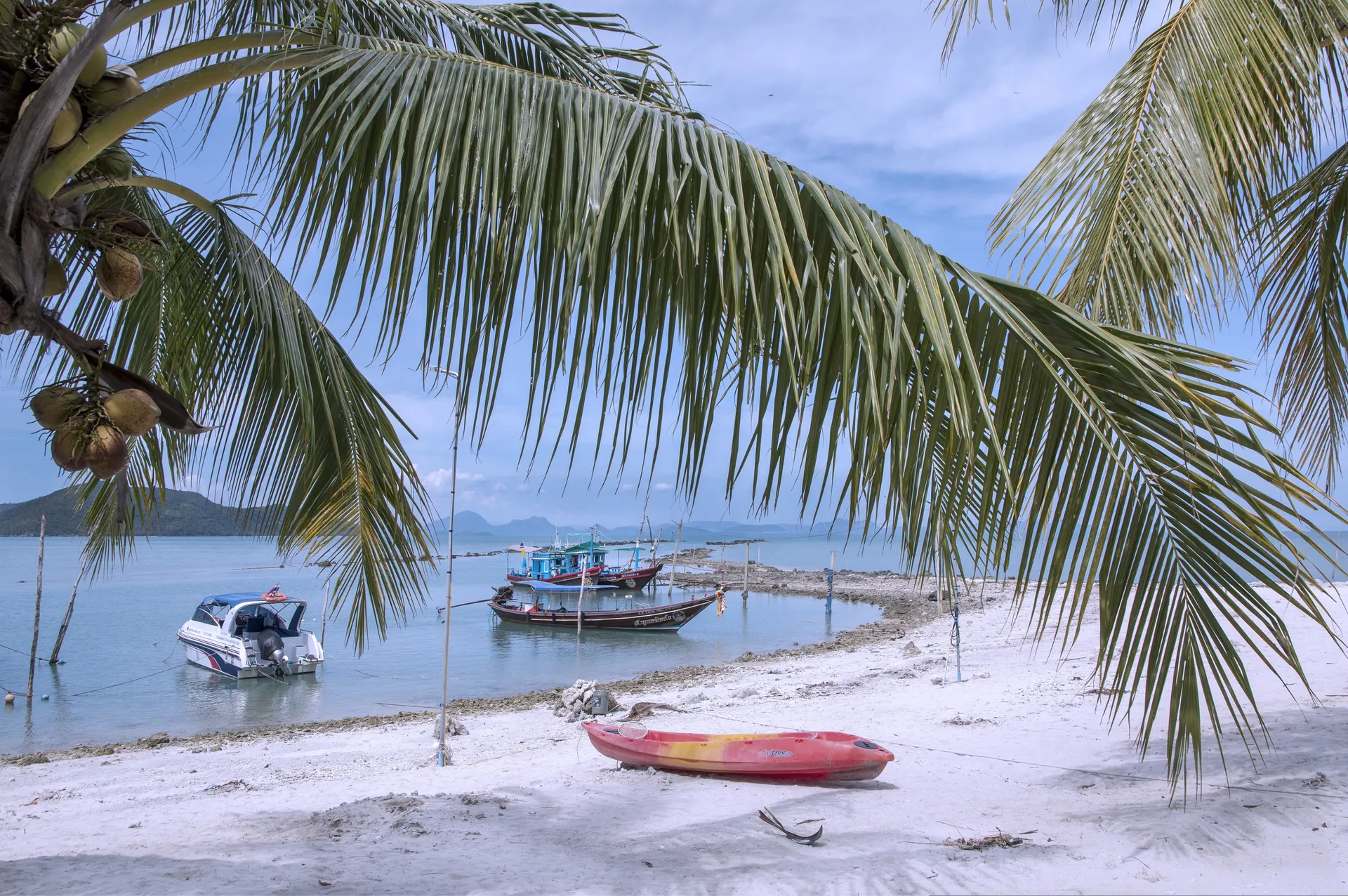
Ko Samui: Thailand's Coconut Island Paradise
Ko Samui is Thailand's second-largest island, a mountainous tropical jewel in the Gulf of Thailand that has evolved from a remote coconut-farming community into one of Southeast Asia's most beloved beach destinations — yet has managed, remarkably, to retain much of the character that made it special in the first place. The island's modern tourism history began in the 1970s, when backpackers arrived by cargo boat to find an island of pristine beaches, coconut groves, and fishing villages accessible only by dirt roads. The airport, built in 1989 by Bangkok Airways with an open-air design that uses coconut-palm pillars and thatched roofs, set the tone for development that has been more sympathetic to the landscape than most tropical island destinations can claim.
The character of Ko Samui varies dramatically around its sixty-kilometre coastal road. Chaweng Beach on the east coast is the liveliest strip — white sand, azure water, and a nightlife scene that ranges from sophisticated rooftop cocktail bars to thumping beachfront clubs. Lamai, to the south, is slightly more relaxed, with excellent surf breaks during monsoon season and the famous Hin Ta and Hin Yai (Grandfather and Grandmother Rocks) — natural granite formations that have inspired both reverence and giggling for centuries. The west coast — Lipa Noi, Taling Ngam — is quieter, facing the sunset with palm-fringed beaches where the water is shallow enough to wade a hundred metres from shore. The mountainous interior, often overlooked, is dense tropical jungle crisscrossed by waterfalls and home to troops of long-tailed macaques.
Ko Samui's food scene is a compelling reason to visit in its own right. The island's night markets — particularly the Fisherman's Village Walking Street in Bophut, held every Friday — are theatrical displays of Thai street food at its finest: pad thai cooked in woks the size of satellite dishes, som tam (green papaya salad) pounded to order in stone mortars, satay grilled over coconut-husk charcoal, and mango sticky rice that achieves a level of aromatic sweetness almost impossible to believe. Fresh seafood — whole grilled snapper, prawn curries, steamed sea bass with lime and chilli — is available at beachfront restaurants where your table sits in the sand and the waves lap at your feet. The island produces its own coconut oil, coconut sugar, and coconut ice cream, and the coconut-based curries here benefit from an ingredient freshness that landlocked kitchens cannot replicate.
Beyond the beaches, Ko Samui offers spiritual and natural attractions of genuine significance. Wat Phra Yai (Big Buddha Temple), presiding over the northeast coast from a small island connected by causeway, houses a twelve-metre golden seated Buddha that has been a landmark and pilgrimage site since 1972. The Ang Thong National Marine Park — a cluster of forty-two islands visible from Samui's west coast — offers kayaking through emerald lagoons, hiking to panoramic viewpoints, and snorkelling in waters teeming with tropical fish. The Na Muang waterfalls, cascading through the island's interior jungle, provide swimming holes shaded by tropical canopy that are a welcome escape from the beach heat.
Celebrity Cruises, Costa Cruises, Norwegian Cruise Line, Oceania Cruises, Regent Seven Seas Cruises, and TUI Cruises Mein Schiff all call at Ko Samui, typically anchoring offshore and tendering passengers to Nathon Pier on the west coast. The island is well-equipped for cruise visitors, with organised excursions and independent taxi services readily available. For travellers seeking a Thai island that balances beach beauty, culinary excellence, and cultural substance, Ko Samui delivers on every front. December through April offers the driest weather and calmest seas, while May through October brings occasional afternoon rain showers that cool the tropical heat and keep the island lush.

