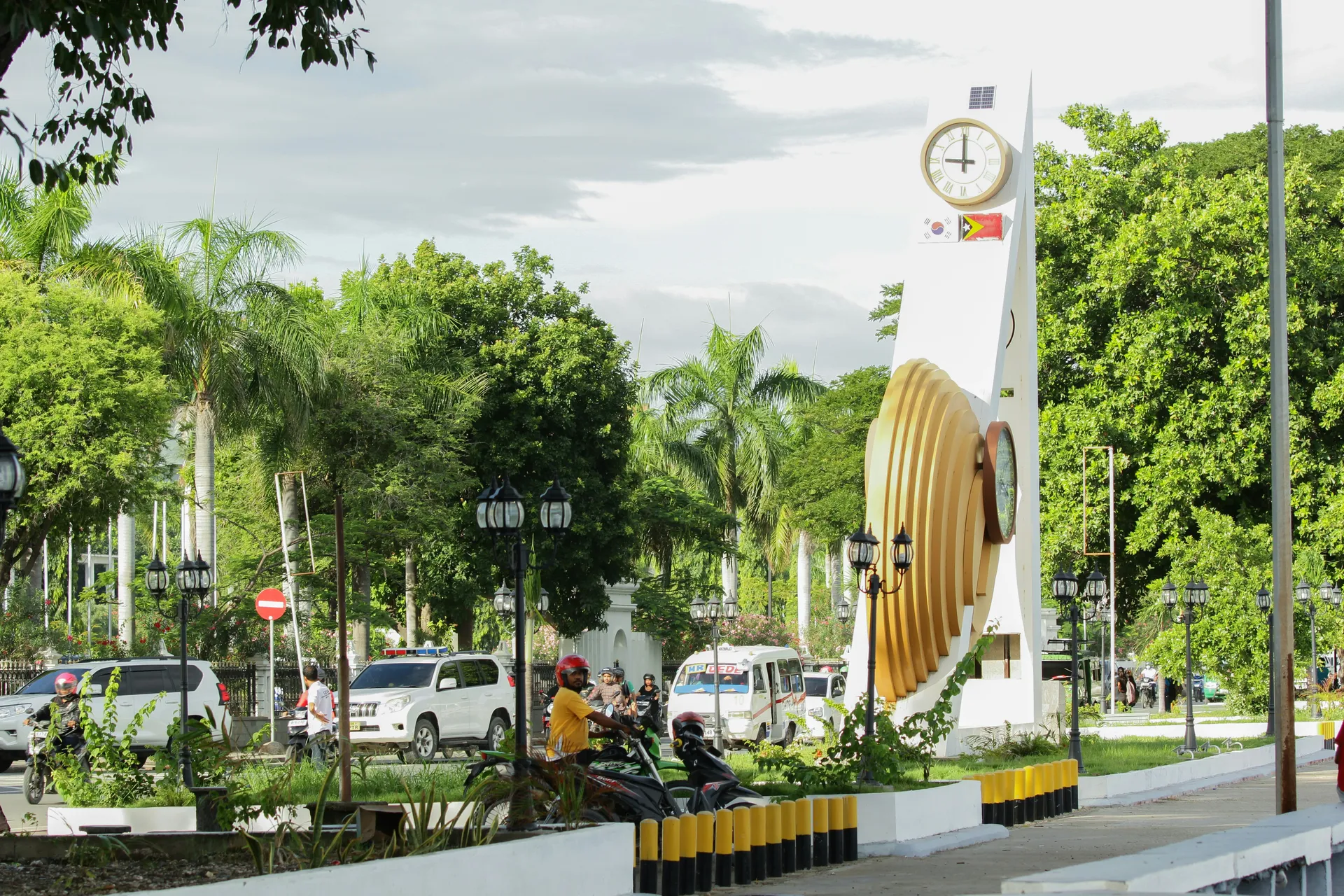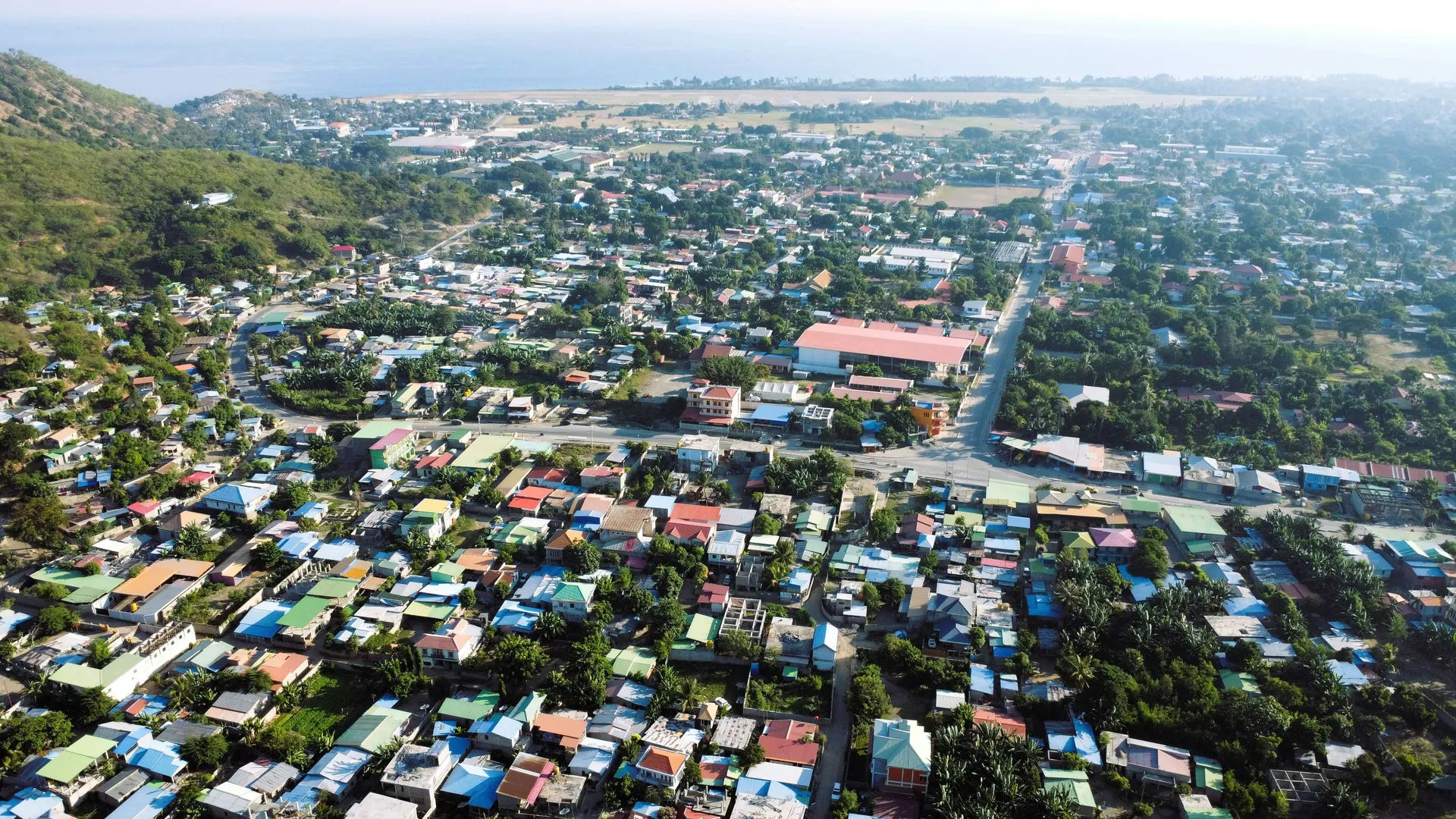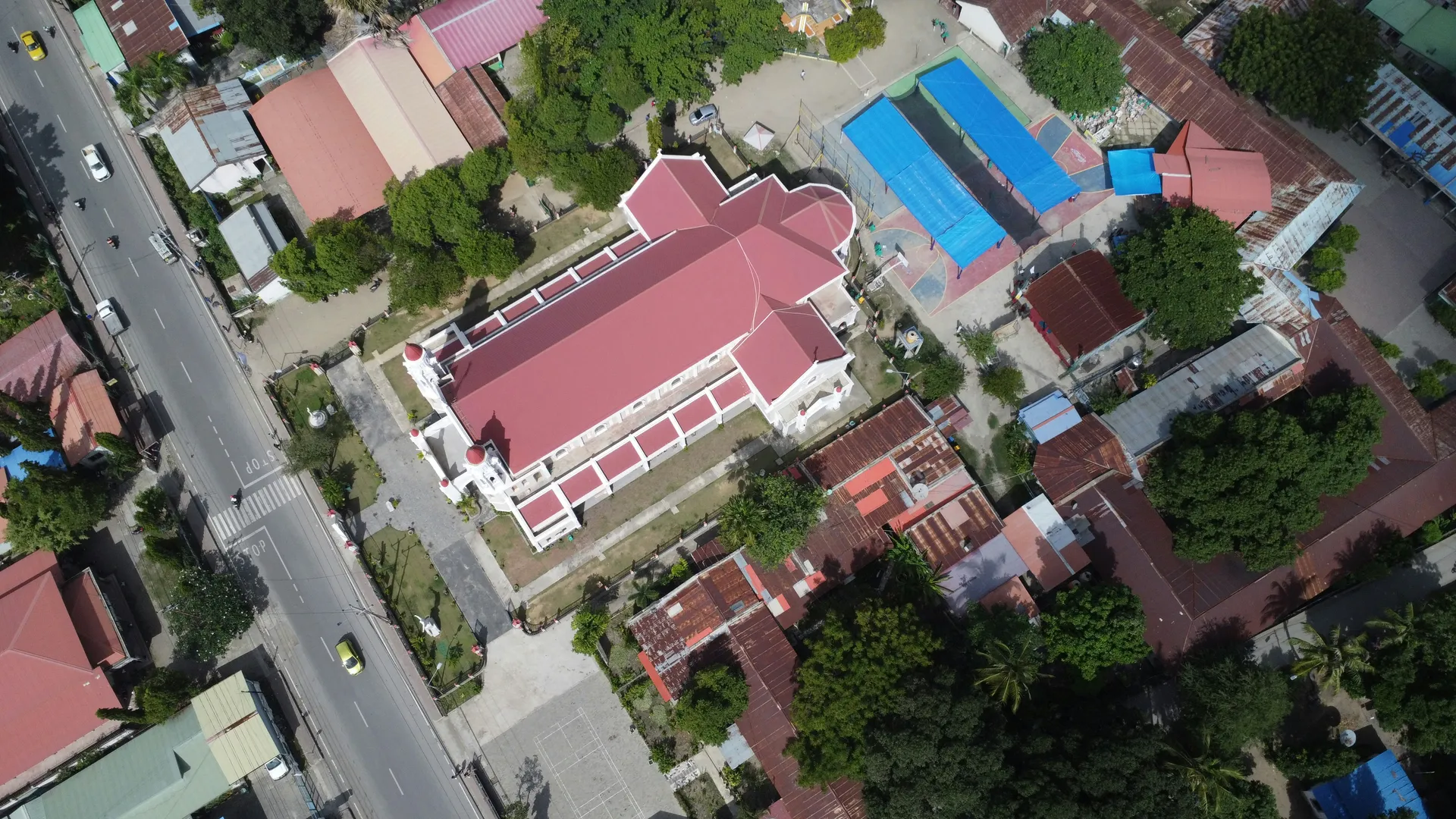
Dili occupies a curious position in the world's consciousness — a capital city that most people have heard of but few can locate on a map, despite the fact that Timor-Leste's struggle for independence from Indonesia between 1975 and 1999 produced some of the most devastating violence and inspiring resistance of the late 20th century. The nation that emerged from that struggle — one of the world's youngest sovereign states, having gained independence in 2002 — is still finding its footing, and Dili reflects both the trauma of the past and the tentative optimism of the present in equal measure. For cruise passengers, this small, sun-baked capital on Timor's northern coast offers an encounter with a nation at the very beginning of its story as a free country.
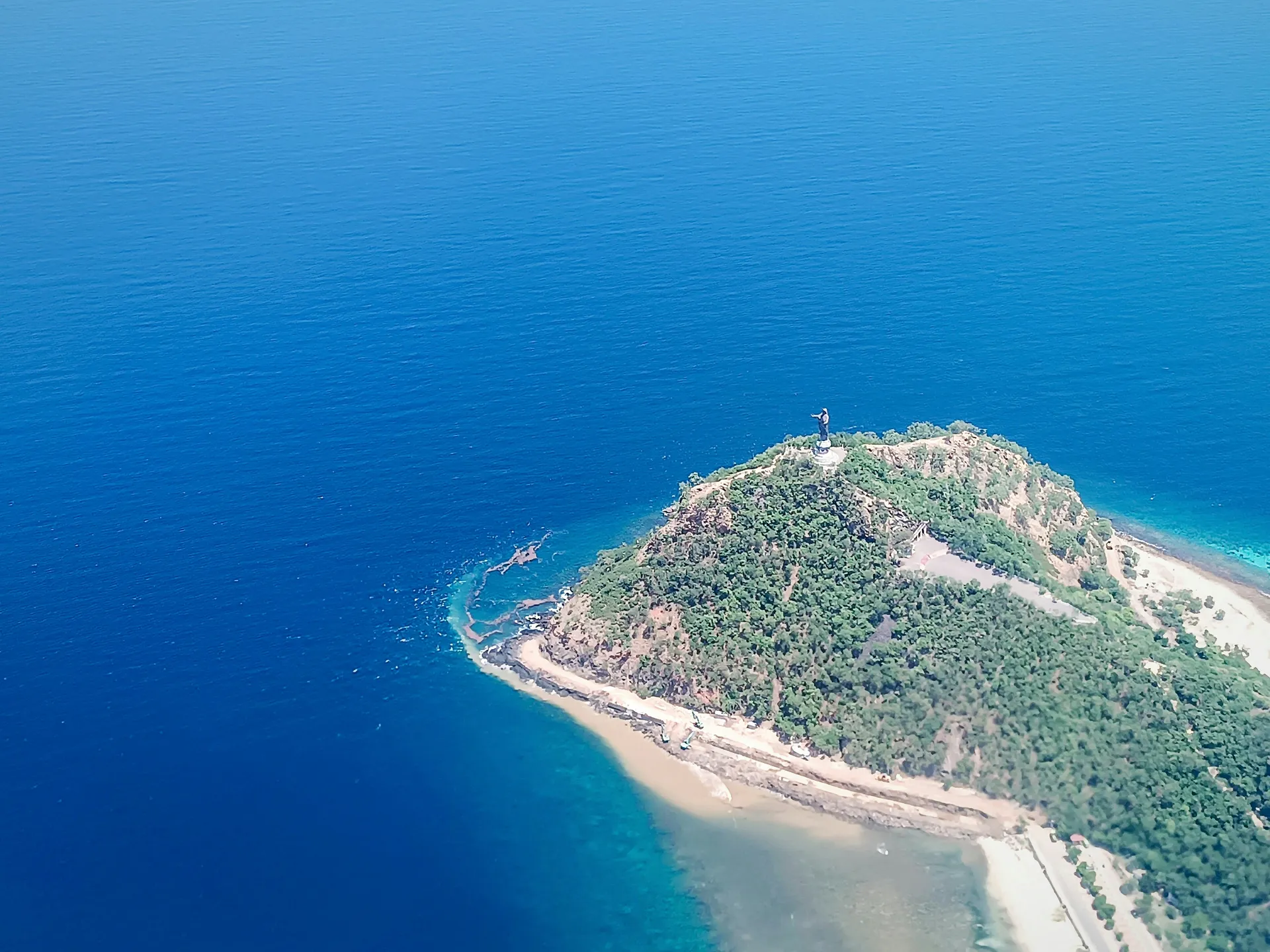
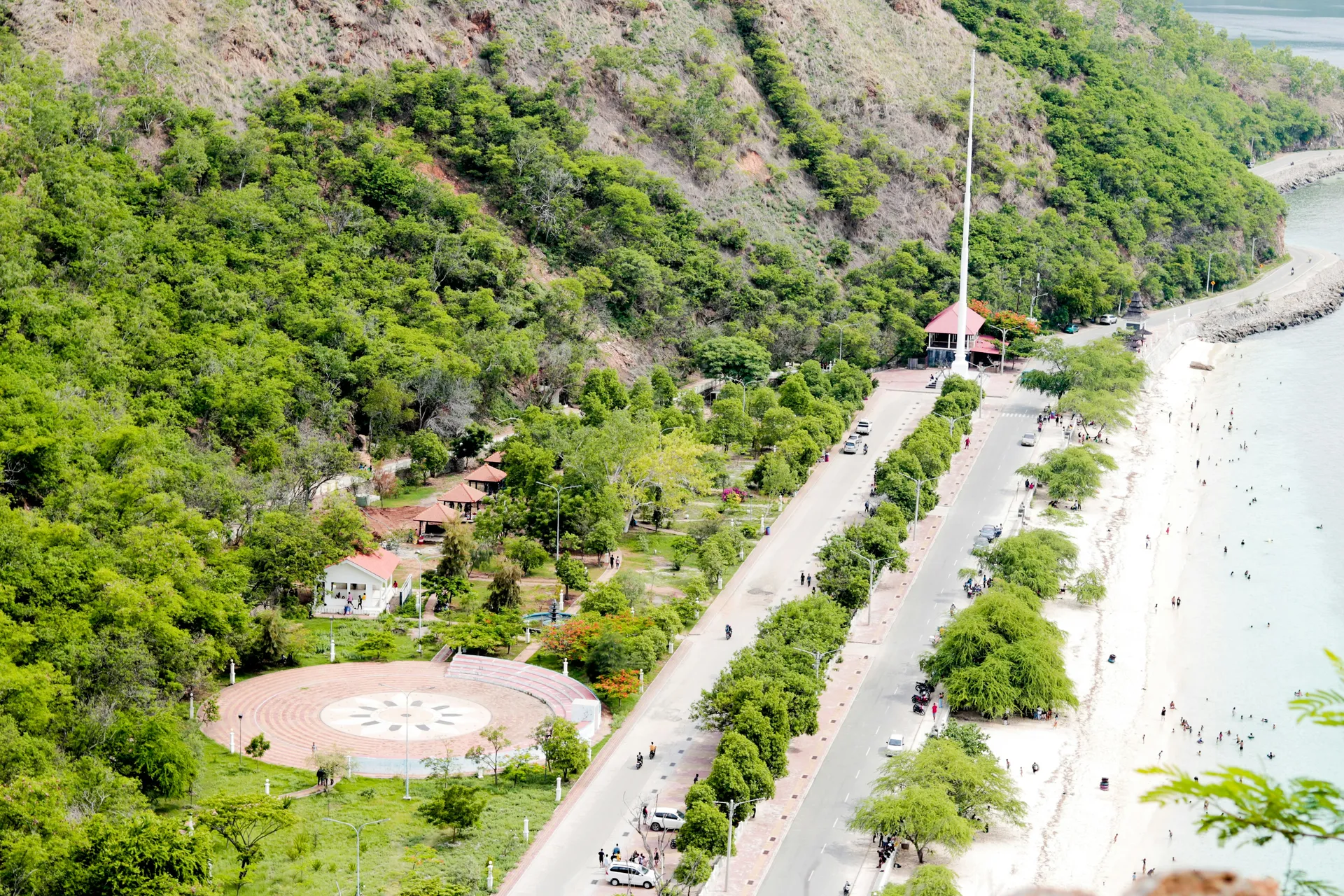
The Cristo Rei statue — a 27-metre figure of Christ perched on a hilltop at the eastern end of the city, a gift from Indonesia's President Suharto in 1996 during the occupation — has become Dili's most recognisable landmark, though its history is layered with the ironies that characterise much of Timor-Leste's modern experience. The climb to the statue traverses 500 steps and rewards the effort with sweeping views of Dili's harbour, the Wetar Strait, and the mountainous spine of the island stretching away to the west. Below the statue, Areia Branca (White Sand) Beach offers calm, turquoise waters that provide welcome relief from the tropical heat.
Timor-Leste's independence movement is documented with unflinching honesty at two essential sites. The Timorese Resistance Museum, housed in a modernist building on the waterfront, traces the 24-year Indonesian occupation through photographs, personal testimonies, and artefacts that convey the scale of suffering — an estimated 100,000 to 180,000 Timorese died during the occupation. The Chega! Exhibition, located in the former Comarca prison where resistance figures were detained and tortured, presents the findings of the Commission for Reception, Truth, and Reconciliation in displays of devastating power. These are not easy visits, but they are essential ones, and the Timorese approach to memorialisation — honest but not bitter, mournful but forward-looking — commands profound respect.
Dili's modest culinary scene reflects the cultural layers deposited by centuries of Portuguese colonisation, Indonesian occupation, and indigenous Timorese tradition. Portuguese influence persists in the strong coffee culture — Timor-Leste produces excellent single-origin arabica from the highland plantations of Maubisse and Ermera — and in dishes like caldo verde (kale soup) and pastéis de nata (custard tarts) that appear alongside Indonesian-influenced nasi goreng and local preparations of fresh tuna and red snapper grilled over open flame. The waterfront restaurants along the Lecidere promenade serve cold Bintang beer alongside grilled seafood as the sun sets behind Ataúro Island, visible 25 kilometres to the north.
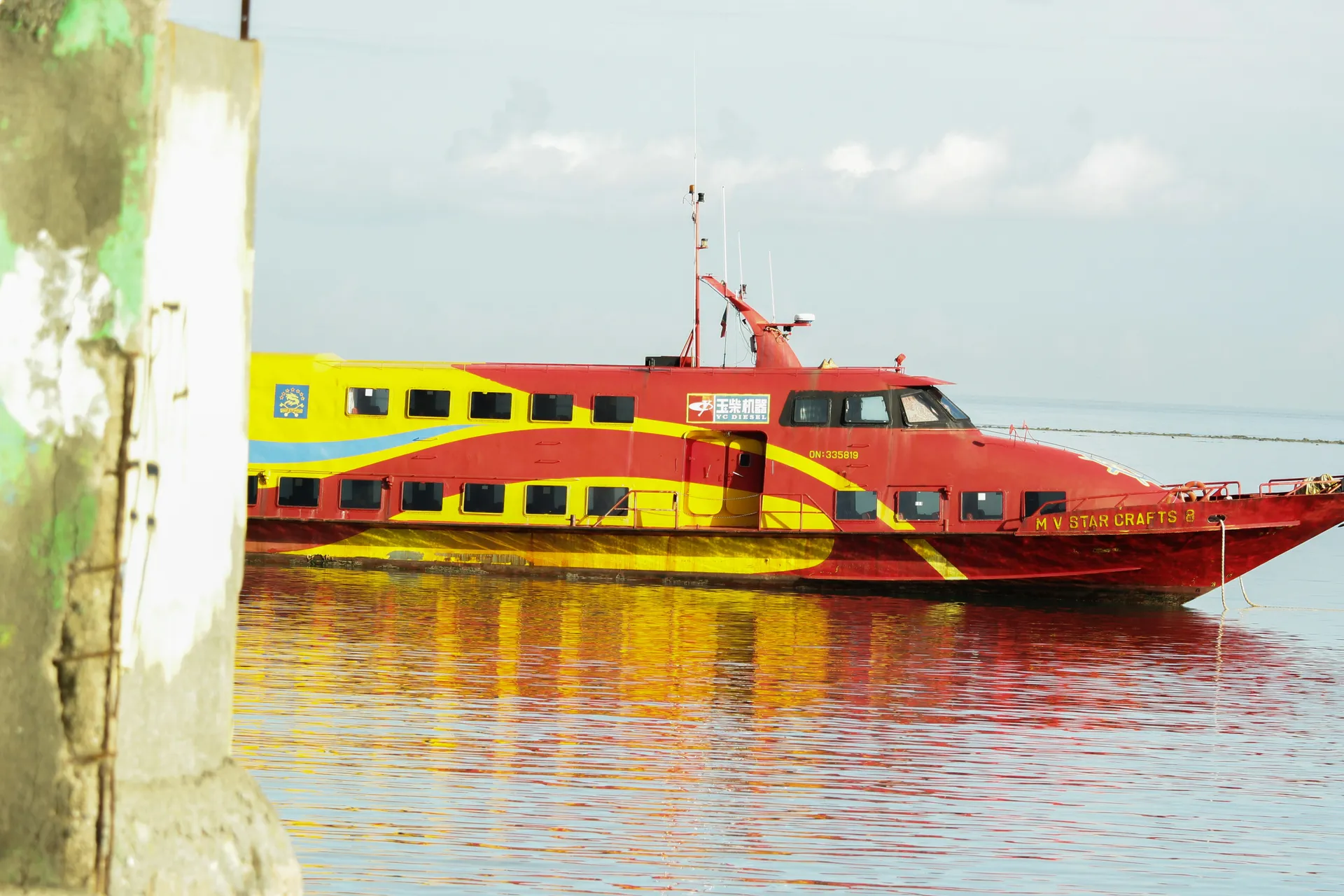
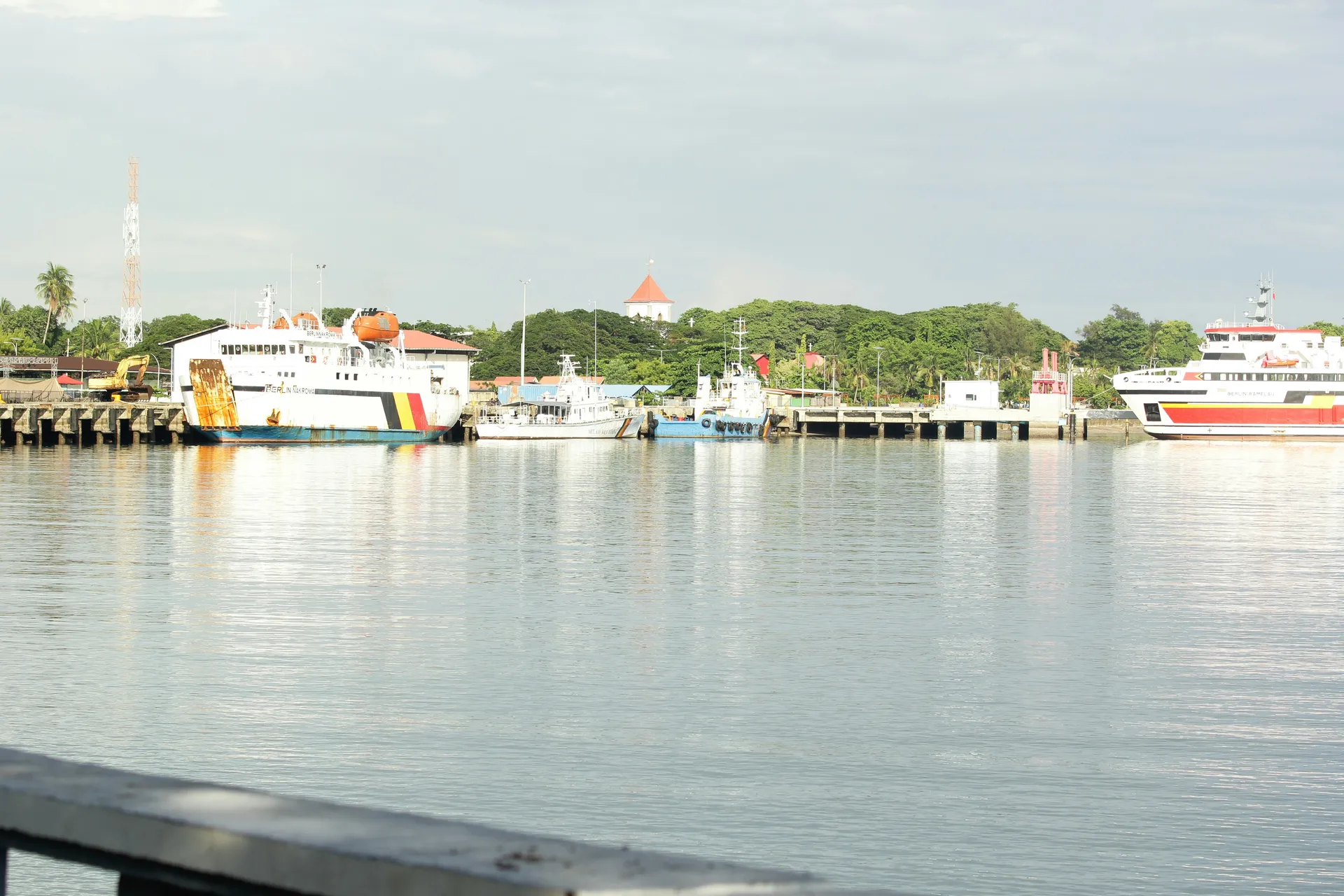
Dili's port can accommodate cruise ships alongside the commercial wharf, with the city centre within walking distance. The best time to visit is during the dry season from May through November, when rainfall is minimal and temperatures are warm but manageable. The wet season from December through April brings heavy downpours that can make roads outside the capital difficult. Ataúro Island, accessible by ferry from Dili, offers pristine coral reefs and whale and dolphin watching that rival anywhere in Southeast Asia — a surprising bonus from a nation that the wider world is only beginning to discover as a travel destination.